Beyond the Postcard: Why Immersive Travel is Replacing the Traditional Tourist Model
For decades, the travel industry has been defined by a predictable, transactional rhythm. A traveler arrives in a destination, snaps a photograph of a pre-vetted landmark, dines at a restaurant recommended by a guidebook, and perhaps visits a local bar before departing. This is "extractive" tourism: a fleeting, passive experience where the traveler consumes the scenery without ever truly engaging with the substance of the locale.
Even the "long-term traveler"—the digital nomad or the budget backpacker—often falls into this same trap, merely slowing the pace of consumption rather than altering its nature. True connection remains elusive because, as reality dictates, locals are rarely seeking fleeting friendships with a revolving door of transients.
However, a shift is occurring. Travelers are increasingly moving away from the "tourist" label, seeking instead to be "embedded." This transformation requires more than just a change in itinerary; it requires a structural shift in how one interacts with a foreign environment.
The Evolution of the Working Holiday
The rise of the "Working Holiday Maker" represents the most significant trend in modern travel. For the last ten years, the "digital nomad" has been the aspirational archetype: someone who works remotely, earns in a high-value currency, and lives in a lower-cost region. Yet, this model is inherently exclusionary. It demands a specific type of career, a high level of technical stability, and often a level of privilege that younger or less established travelers simply do not possess.
Working holidays flip this script entirely. By securing employment upon arrival rather than bringing it from home, the traveler integrates directly into the local economy. They are no longer floating above the culture in a bubble of coworking spaces and expatriate hubs; they are working alongside residents, navigating local bureaucracies, and building routines that mirror those of the people who call the destination home.
This transition from "digital nomadism" to "working holiday making" is a move toward a more sustainable and accessible form of long-term travel. It replaces the ephemeral nature of a vacation with the grounded reality of a year-long (or longer) residency.
Bridging the Gap: The Role of Global Work & Travel
Transitioning from a dream of living abroad to the reality of the daily grind is fraught with logistical obstacles. From navigating complex visa requirements and competing with local talent for job openings to securing safe, long-term housing, the friction of international relocation often deters even the most determined individuals.
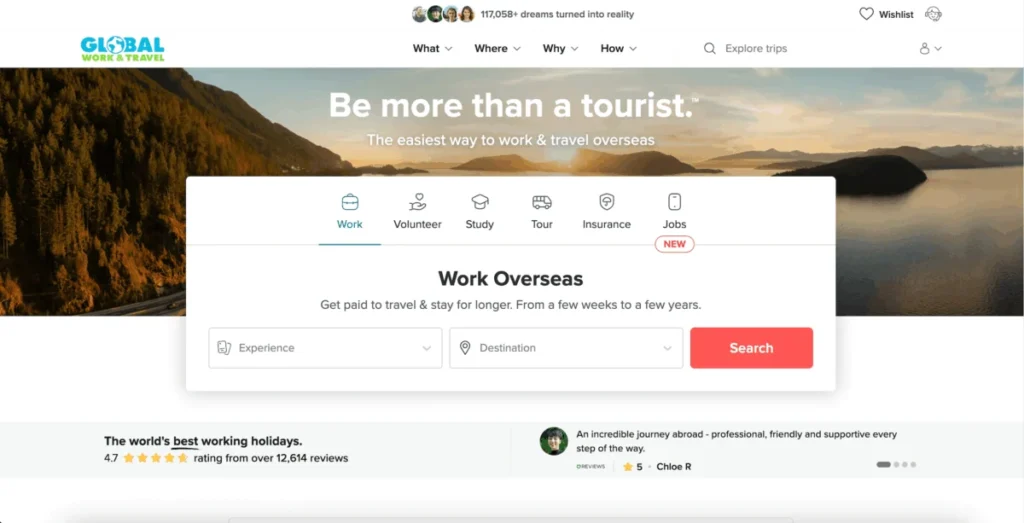
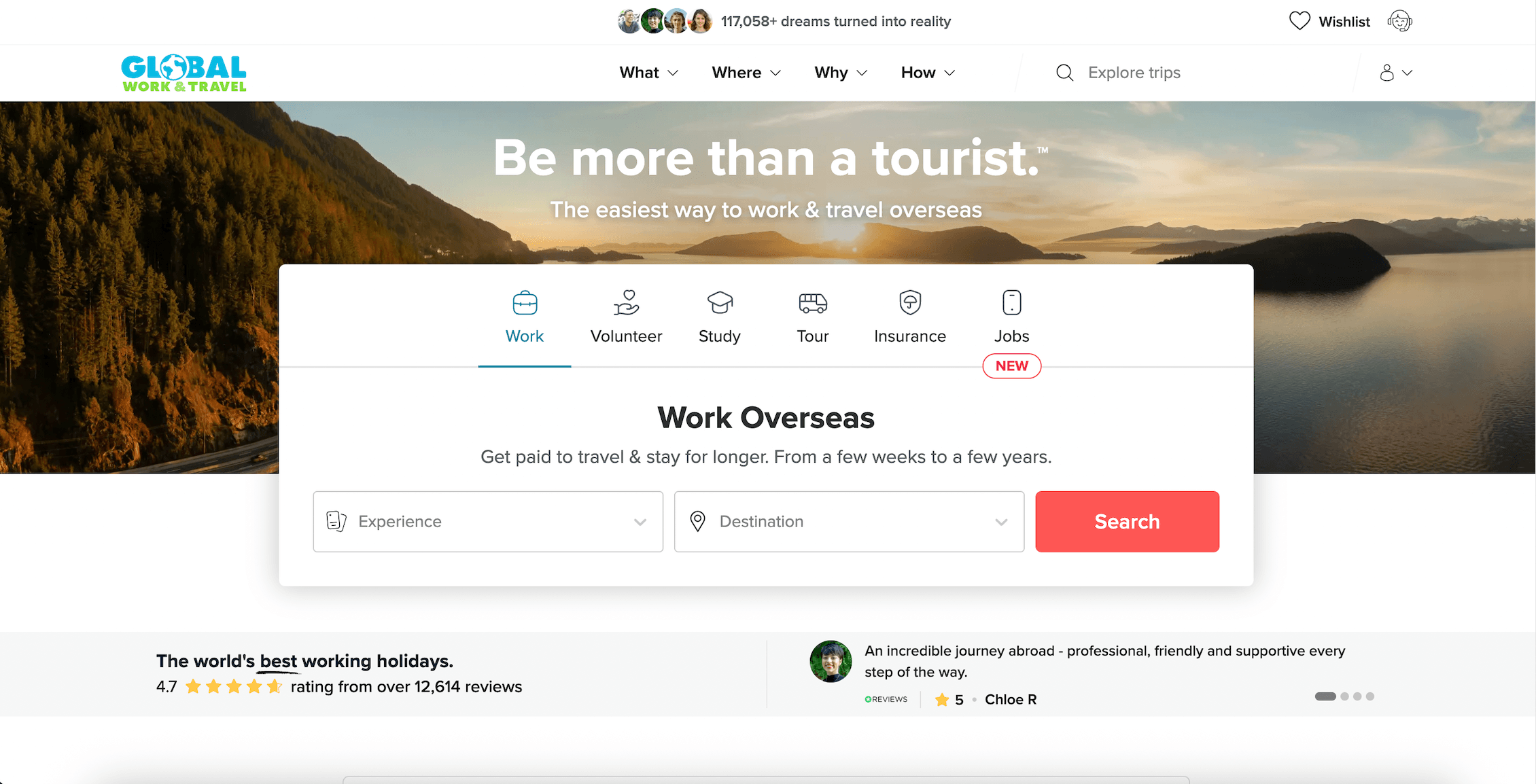
This is where organizations like Global Work & Travel act as a critical scaffolding. As the world’s largest gap year company, they have spent two decades refining the infrastructure of international placement. With a portfolio that includes over 116,000 successful placements, the company provides the essential safety net for those who wish to bypass the trial-and-error phase of moving abroad.
Core Services and Support Mechanisms
The company operates on a model of comprehensive support, focusing on:
- Job Matching: Streamlining the employment search to align skills with local needs.
- Visa Guidance: Providing expert navigation through the often-Byzantine processes of international work permits.
- The gWorld Portal: A dedicated digital ecosystem that organizes every aspect of a trip, from pre-departure checklists to ongoing support throughout the placement.
For a first-time traveler, this support structure is often the deciding factor. It transforms an overwhelming, intimidating prospect into a structured, manageable plan.
The Ethical Imperative of Volunteering
While working holidays offer immersion, volunteering introduces a different dimension: contribution. However, the volunteer tourism sector (often called "voluntourism") has a complicated reputation. Many programs are criticized for being profit-driven, focusing more on the traveler’s ego than the local community’s needs.
Legitimate, vetted volunteering requires a focus on local priority. When a program aligns with the actual needs of an ecosystem—such as wildlife conservation in South Africa, elephant rehabilitation in Thailand, or community development in Zanzibar—the dynamic shifts from consumption to collaboration.
Global Work & Travel has integrated a vetting process to ensure that placements are not just "feel-good" experiences, but meaningful contributions. By channeling resources through their Global Animal Welfare Fund, they extend the impact of the individual volunteer to a broader conservation scale. This approach acknowledges that while a traveler may only be present for a season, their contribution should leave a tangible, positive legacy.
Chronology of a Transformation
To understand why this shift is happening, one must look at the progression of the traveler’s journey:
- The Planning Phase (6–12 months prior): The realization that a two-week vacation is insufficient. The traveler engages with platforms to identify visa requirements and career alignment.
- The Integration Phase (Arrival): Navigating the first 30 days. This includes settling into housing and beginning the employment period. It is the most challenging, yet the most vital, phase for cultural adaptation.
- The Immersion Phase (Months 2–6): The shift from "visitor" to "resident." The traveler begins to build a social circle, understands the local rhythms, and begins to contribute to the community.
- The Legacy Phase (End of tenure): The realization that the traveler has developed professional skills, increased their cultural intelligence, and established a network that spans the globe.
Supporting Data and Implications
The shift toward working holidays is supported by the changing demographics of the workforce. According to recent industry trends, there is a marked increase in individuals aged 18 to 35 seeking "gap experiences" that offer professional development rather than just leisure.
- Economic Impact: By working locally, travelers contribute to local taxes and support local businesses, creating a more symbiotic economic relationship than traditional tourism.
- Professional Development: International work experience is increasingly recognized by employers as a sign of adaptability, resilience, and problem-solving capability.
- Social Connectivity: Unlike the isolating nature of solo travel, working holiday programs facilitate group connections, mitigating the loneliness often associated with long-term international relocation.
Frequently Asked Questions
For those considering this path, the logistics can seem daunting. Here are the common points of clarity for prospective travelers:
Do I need prior experience?
In most cases, no. Programs range from teaching (which includes TEFL training) to general work. Most placements require nothing more than a willingness to learn and a basic work ethic.
What are the age constraints?
Working holiday visas typically have an upper age limit (often 35), but volunteer and teaching programs are broadly inclusive, frequently welcoming participants from 18 to 80.
Is my financial investment secure?
Reputable organizations maintain lifetime deposit policies. For example, Global Work & Travel allows deposits to be applied to future trips, ensuring that changing plans do not result in a total loss of funds.
Can I travel solo?
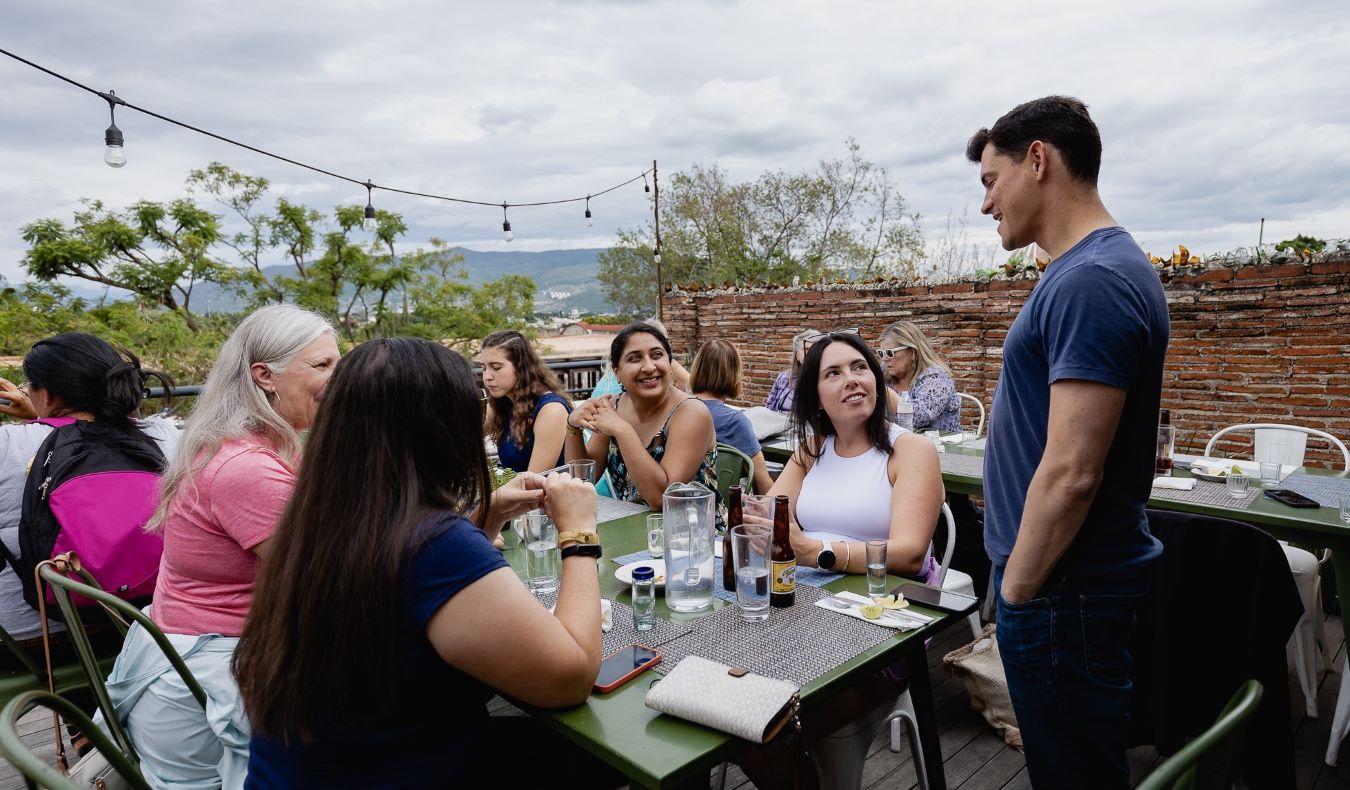
Solo travel is the industry standard. These programs are specifically designed to bridge the gap between solo individuals, creating an instant community of peers in similar life stages.
Conclusion: The Depth of Doing
Travel has always been at its most transformative when it moves beyond observation and into action. The stories that remain with us years later are rarely those of famous monuments or photo opportunities; they are the stories of the people we met, the struggles we shared, and the work we accomplished.
The modern traveler is no longer content with being a spectator. By choosing to work, volunteer, or live abroad through structured, ethical, and supported channels, the modern explorer is redefining what it means to see the world. It is a transition from the fleeting "tour" to the enduring "experience."
For those ready to make this leap, the barriers that once made international living a privilege of the few have been largely dismantled. Through partnerships with organizations like Global Work & Travel, the opportunity to live, work, and grow abroad is more accessible than ever. If you have been deliberating about a long-term international experience, now is the time to transition from intent to action.
Use code NOMADICMATT to unlock a $100 discount on your next journey with Global Work & Travel.