The Mediterranean Chicken Wrap: A Blueprint for Balanced Meal Prep
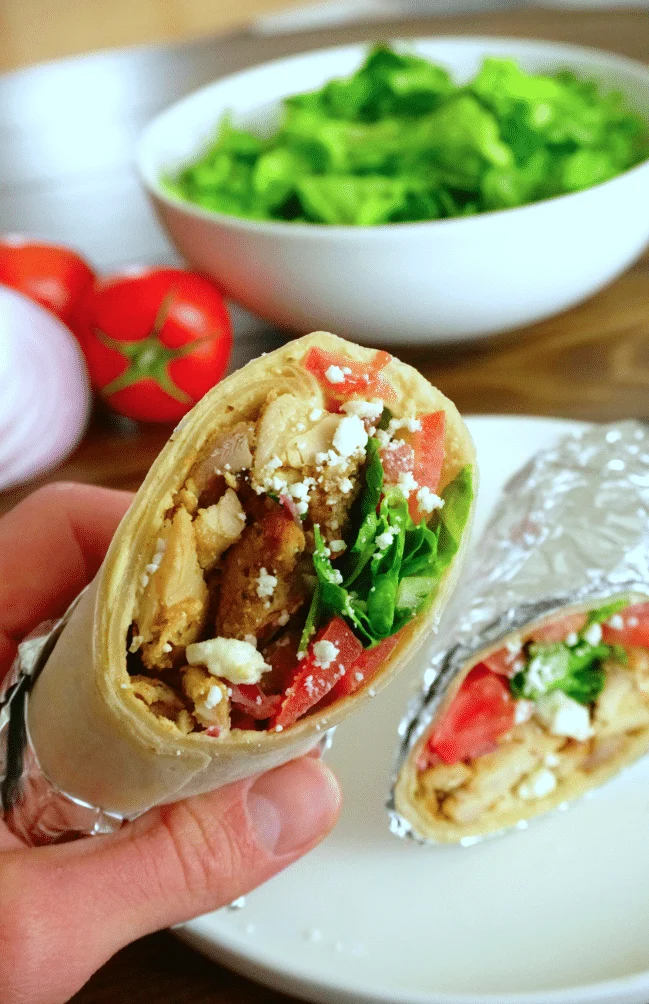
In the fast-paced landscape of modern nutrition, the challenge for the average professional is no longer just about calorie restriction; it is about finding the intersection of convenience, flavor, and macro-nutrient balance. The Mediterranean Chicken Wrap has emerged as a cornerstone of the meal-prep community, offering a high-protein, fiber-rich solution that bridges the gap between culinary satisfaction and physiological efficiency.
With a preparation time of just over an hour, this dish has become a staple for those looking to optimize their weekly diet without sacrificing the sensory pleasures of a fresh, vibrant meal.
Main Facts: The Anatomy of a Balanced Wrap
At its core, the Mediterranean Chicken Wrap is a study in nutritional synergy. By utilizing chicken thighs—a protein source prized for its flavor and juiciness—and pairing them with a crisp, raw vegetable medley, the dish provides a complete profile of essential macronutrients.
The composition of the wrap is deceptively simple:

- The Protein: Marinated chicken thighs provide a robust 34g of protein per serving.
- The Base: A soft tortilla serves as the vessel, providing the necessary carbohydrates (47g) to fuel physical activity and cognitive function.
- The Fiber: A blend of fresh lettuce, crunchy cucumbers, zesty tomatoes, and sharp red onion adds volume and essential micronutrients.
- The Binding Agent: A generous spread of hummus acts as the culinary anchor, adding healthy fats and a velvety texture that ties the disparate ingredients together.
Each serving is calibrated to come in at approximately 494 calories, making it an ideal "lunch-box" candidate for those maintaining a moderate caloric intake.
Chronology: The Journey from Prep to Plate
The beauty of this recipe lies in its structured workflow, designed for those who view cooking as a logistical exercise. The total time investment of 60 minutes is divided into three distinct phases:
Phase 1: Preparation (45 Minutes)
The process begins with the marination of the chicken. Whether utilizing a dry rub or a wet Mediterranean vinaigrette, the 30-minute inactive marination period is critical. During this time, the connective tissues break down and flavors penetrate the meat, ensuring that the chicken remains succulent even after refrigeration. While the chicken rests, the vegetable prep begins. Slicing the cucumbers, dicing the tomatoes, and thinly shaving the red onions ensures that every bite contains a balanced ratio of ingredients.
Phase 2: Execution (20 Minutes)
The cooking phase is rapid. Using a skillet or grill pan, the chicken thighs are seared to achieve a golden-brown crust. This Maillard reaction is essential for depth of flavor. Once the chicken reaches an internal temperature of 165°F (74°C), it is set aside to rest—a crucial step that prevents moisture loss.
Phase 3: Assembly
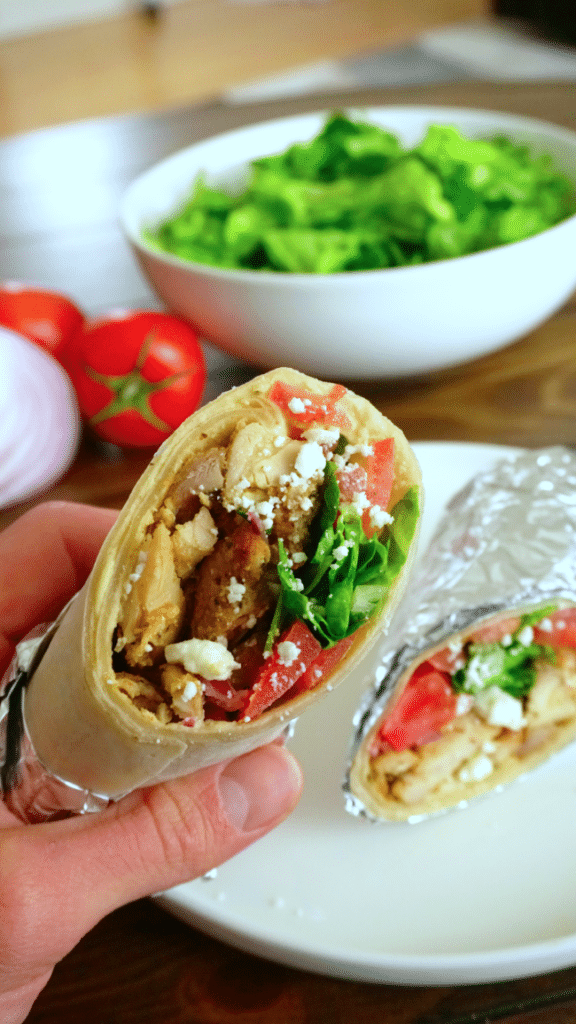
Once the chicken has cooled slightly, it is shredded or sliced. The assembly line process involves spreading the hummus base directly onto the tortilla, layering the fresh, vinaigrette-dressed vegetables, and topping them with the chicken. Folding these into tight, portable wraps concludes the process, yielding six individual meals ready for storage.
Supporting Data: Macronutrient Breakdown
For the data-driven individual, the Mediterranean Chicken Wrap provides a transparent nutritional profile. Unlike processed convenience foods, which are often laden with hidden sodium and trans fats, this recipe offers a clean breakdown:
| Nutrient | Amount per Serving |
|---|---|
| Calories | 494 kcal |
| Carbohydrates | 47g |
| Protein | 34g |
| Fat | 19g |
This ratio is particularly effective for those engaged in resistance training or those following a "clean eating" protocol. The 34g of protein supports muscle protein synthesis, while the 19g of healthy fats—largely derived from the hummus and the chicken—promotes satiety and hormonal health.
Official Perspectives: The Role of Mediterranean Diet Principles
While the "Mediterranean Chicken Wrap" is a modern adaptation, it draws heavily from the principles of the Mediterranean Diet, which has been cited by health organizations globally as one of the most sustainable and heart-healthy dietary patterns in existence.

Nutritionists often praise the inclusion of raw vegetables combined with lean proteins. The use of olive oil-based vinaigrettes and legumes (the primary ingredient in hummus) provides a wealth of polyphenols and antioxidants. The "official" stance among culinary nutritionists is that such meals reduce the likelihood of "mid-afternoon slumps" caused by blood sugar spikes, as the high fiber content of the vegetables and the protein density of the chicken work in tandem to slow the absorption of glucose.
Implications for Modern Meal Prepping
The rise of the "Meal Prep Manual" philosophy—which prioritizes standardized, repeatable, and high-quality meals—has profound implications for how we interact with our food.
1. Cost Efficiency
When purchased in bulk, the ingredients for these six wraps are significantly more affordable than purchasing pre-made wraps from commercial cafes. By controlling the quality of the chicken and the freshness of the vegetables, the home cook eliminates the "markup" associated with convenience.
2. Waste Reduction
Meal prepping inherently reduces food waste. By utilizing a specific quantity of vegetables and proteins, the cook is less likely to have half-used produce languishing in the crisper drawer.

3. Psychological Benefits: The "Decision Fatigue" Factor
One of the most significant implications of adopting this meal prep strategy is the reduction of decision fatigue. By having a pre-portioned, macro-counted meal ready to grab from the refrigerator, the user eliminates the daily stress of deciding what to eat. This creates a cognitive "shortcut" that keeps the individual aligned with their health goals, even on their busiest workdays.
4. Customization and Scaling
The recipe provided serves six, but the modular nature of the ingredients allows for easy scaling. Whether an individual is meal prepping for a solo week or a household of four, the proportions remain constant. Furthermore, the ingredients are highly adaptable—those with dietary restrictions can easily swap the tortilla for a gluten-free alternative or replace the chicken with chickpeas for a vegetarian version without compromising the integrity of the meal’s nutritional framework.
Conclusion
The Mediterranean Chicken Wrap is more than just a recipe; it is a strategic tool for modern living. It represents a synthesis of nutritional science, culinary efficiency, and mindful consumption. By dedicating a single hour to the preparation of these six wraps, the modern professional secures their nutritional intake for the majority of the work week.
As we continue to navigate a world that demands more of our time and energy, the ability to control the quality of our fuel becomes increasingly vital. This recipe stands as a testament to the fact that healthy, delicious, and convenient eating does not require a complex culinary background—only a plan, the right ingredients, and the willingness to invest in one’s own well-being. Whether you are a fitness enthusiast looking to hit your macros or a busy parent seeking a reliable lunch solution, the Mediterranean Chicken Wrap offers a path forward that is both sustainable and undeniably satisfying.