From Biodefense to Food Security: How NomadX CEO Lyle Probst is Revolutionizing Pathogen Detection
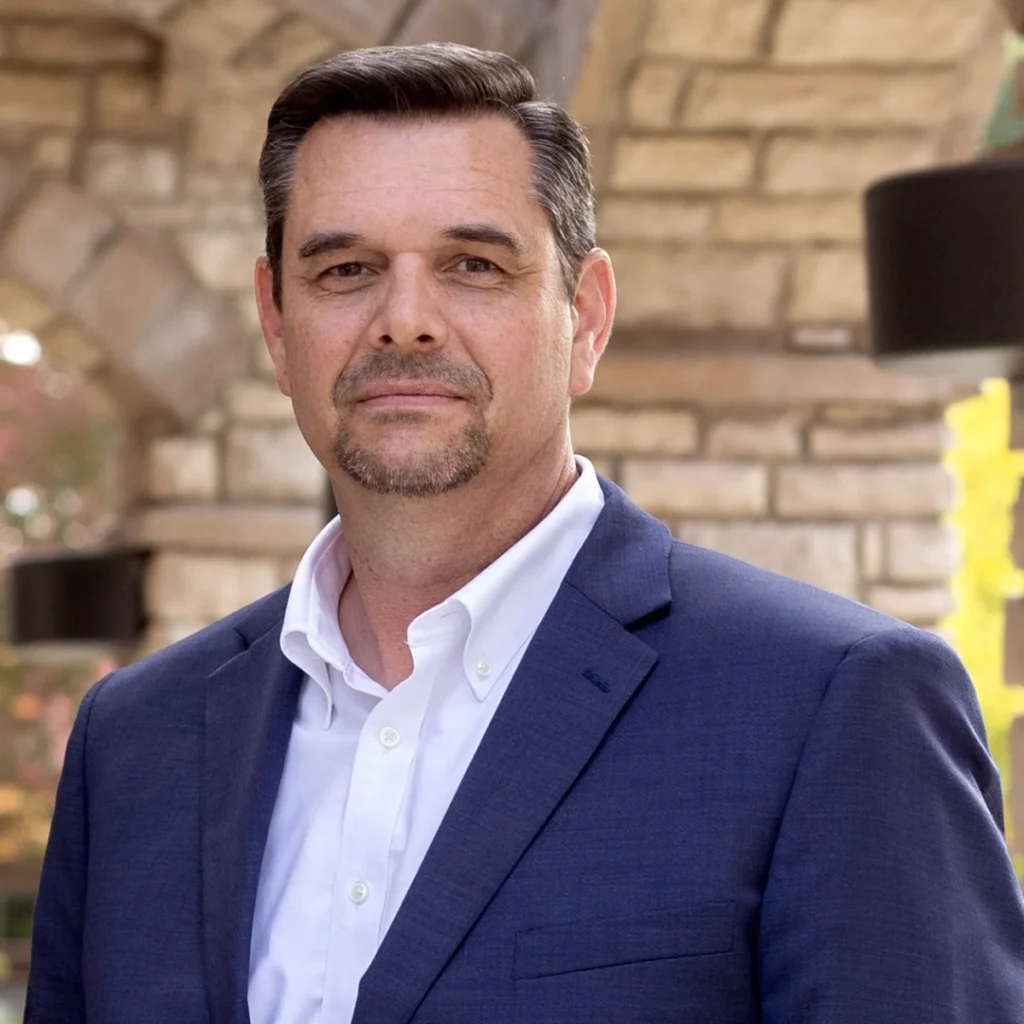
In an era where global food supply chains are increasingly complex and the threat of large-scale contamination remains a persistent risk to public health and corporate viability, the food industry is looking toward unlikely sectors for inspiration. Among the most promising of these is biodefense.
Lyle Probst, the CEO of NomadX and a veteran entrepreneur with over 25 years of experience in advanced technology and national security, is leading this charge. By applying the rigorous, autonomous, and rapid-response protocols used to detect biological threats at the national level to the daily operations of food production, Probst is fundamentally changing how the industry approaches safety.
In a recent episode of Food Safety Matters, Probst sat down with the editorial team to discuss how a career spent in the shadows of high-stakes biodefense has uniquely prepared him to address the modern-day challenges of microbiological contamination in our food supply.
The Evolution of a Technologist: From M-BAND to Food Safety
To understand the innovation Probst brings to food safety, one must look at his professional genesis. His career is marked by a common thread: the application of cutting-edge engineering to solve life-critical problems.
A Foundation in National Security
Before his current tenure at NomadX, Probst served as the CEO of MicroFluidic Systems. During his leadership there, he spearheaded the development of the M-BAND (Microfluidic Bio-Agent Autonomous Networked Detector) biological detection system. This project was commissioned by the U.S. Department of Homeland Security with a singular, mission-critical goal: to monitor the environment for biological threats continuously and autonomously.
The platform was a marvel of engineering, capable of detecting minute traces of pathogens before they could cause widespread harm. Its success was so profound that the technology was eventually licensed by Boeing, validating the effectiveness of autonomous, real-time detection systems in high-risk environments.
The Pivot to the Food Industry
Probst’s transition from the world of national defense to the food industry was not as disparate as it might seem. "The underlying physics and biology of detection remain the same whether you are looking for a state-sponsored pathogen in an urban center or Listeria in a processing facility," Probst notes.
.jpg?height=635&t=1691503719&width=1200)
Today, as the leader of NomadX, Probst has focused his efforts on preventing contamination at the source. His mission is to transition the food industry from a reactive, compliance-heavy model to a proactive, data-driven security model.
Beyond Compliance: The Economic and Moral Cost of Contamination
A central theme in Probst’s philosophy is the limitation of the "compliance mindset." For many food producers, safety is treated as a checkbox—a regulatory hurdle to be cleared to keep the doors open. Probst argues that this mindset is not only insufficient; it is a business liability.
The True Cost of a Recall
When a food safety event occurs, companies often focus on the direct, immediate costs: the recall itself, product disposal, and legal fees. However, Probst highlights the "invisible" costs that can cripple a business long-term. These include:
- Erosion of Brand Equity: Consumer trust, once lost, is notoriously difficult to regain.
- Operational Disruption: The loss of throughput during investigations and the implementation of mandatory corrective actions.
- Supply Chain Instability: The impact on relationships with retailers and distributors who lose confidence in the brand’s quality control.
By viewing safety through the lens of national security, Probst encourages executives to stop asking "How do we meet the minimum requirements?" and start asking "How do we ensure absolute control over our microbiological environment?"
Industry Blind Spots and the Power of Data
Probst identifies several persistent "blind spots" in current food safety protocols. Chief among them is the reliance on lagging indicators—waiting for lab results to confirm contamination after the product has already moved through the supply chain.
The Role of Rapid Detection
The advancement of rapid pathogen detection technologies, according to Probst, is the most significant shift in the landscape. When a company can detect a potential contamination event in hours rather than days, the game changes entirely. This creates a "decision-making window" that prevents contaminated product from leaving the facility.
From Data to Actionable Intelligence
Probst advocates for the integration of detection data into the broader operational strategy. "Data is only as valuable as the action it triggers," he explains. He emphasizes three key ways data should be used:

- Root Cause Analysis: Using historical trends to identify the specific vectors of contamination rather than applying "band-aid" fixes.
- Targeted Interventions: Deploying sanitation and decontamination resources only where they are needed most, rather than wasting resources on a broad, non-specific cleaning schedule.
- Predictive Modeling: Leveraging data to anticipate when and where a pathogen might appear based on environmental conditions, seasonality, or production cycles.
The Future of Food Safety: AI and Automation
As we look toward the next decade, Probst believes that the convergence of artificial intelligence (AI) and automation will define the future of food safety.
The AI Integration
Artificial Intelligence holds immense potential for the food sector. Probst envisions a future where AI systems monitor environmental sensors, historical pathogen data, and production flow simultaneously to predict risks before they manifest. By automating the correlation of disparate data points, companies can move toward a truly "self-healing" safety system.
Automation and the Human Element
While technology is essential, Probst remains grounded in the reality of human behavior. Automation helps remove the risk of human error—often the leading cause of contamination—but it requires a workforce that is trained to interpret the data the machines provide.
"The future is not just about having more sensors," Probst says. "It’s about having a smarter system that allows food safety leaders to stop fighting fires and start managing risks with scientific precision."
Advice for Future-Ready Leaders
For those currently navigating the complexities of food safety management, Probst offers a roadmap for the future:
- Embrace Transparency: Share data across the organization. Silos between the laboratory and the production floor are the enemy of safety.
- Invest in Agility: Ensure your systems are capable of pivoting when new threats emerge. The pathogens of tomorrow will not necessarily look like the pathogens of today.
- Prioritize Culture: Technology is a tool, but a culture of safety is the foundation. Every employee, from the floor operator to the C-suite, must understand that their role is a critical link in a national security-level operation.
Implications for the Industry
The work being done by leaders like Lyle Probst at NomadX signals a shift in the food industry’s identity. The parallels to biodefense are not merely academic; they represent a necessary evolution in a world where food safety is increasingly a matter of public safety.
As food production continues to centralize and globalize, the margins for error shrink. By adopting the principles of constant monitoring, rapid detection, and predictive analysis, the industry can move beyond the reactive cycles that have plagued it for decades.

For those interested in exploring these concepts further, Probst and his team at NomadX have developed the "Three-Pillar Food Safety Solution," a framework designed to help organizations structure their approach to modern contamination control.
As we move toward a future defined by automation and data, the companies that thrive will be those that view their safety programs not as an expense, but as a strategic asset—a shield protecting both the public and the longevity of their own operations.
For more information on these topics, listeners are encouraged to subscribe to the Food Safety Matters podcast on their preferred platform. Have questions or want to contribute to the ongoing conversation? Reach out to the editorial team at [email protected].
For quick, AI-driven insights into specific food safety challenges, users can also utilize the "Ask FSM" tool, providing instant access to the wealth of knowledge curated by the Food Safety Magazine editorial team.