The Price of Paradise: Why Ko Lipe’s Transformation Should Serve as a Warning to Travelers

Nineteen years ago, the island of Ko Lipe was a whisper in the ears of the intrepid. It was a place where electricity was a luxury provided by a generator for only a few hours a day, where basic beachside bungalows could be secured for $2 USD, and where the ferry schedule was more of a suggestion than a guarantee. It was the quintessential backpacker’s dream: a remote, untamed corner of Thailand where time seemed to fold in on itself.
For many, including myself, it was the highlight of a lifetime of travel. But after nearly two decades of avoiding a return—fearing the inevitable erosion of those precious memories—I recently decided to go back. I was seeking a nostalgic homecoming, but what I found was a sobering lesson in the mechanics of unsustainable tourism. Ko Lipe is no longer a hidden gem; it has become a cautionary tale of rapid, unchecked development.
The Chronology of Change: From Backpacker Haven to Concrete Jungle
To understand the current state of Ko Lipe, one must look at the trajectory of its evolution. In the mid-2000s, the island existed in a delicate equilibrium. Tourism was sparse, limited to those willing to forgo modern comforts for the sake of pristine, untouched nature.
By the early 2010s, the "discovery" of the island by mainstream travel blogs and social media sparked an aggressive construction boom. The dirt footpaths that once connected the island’s interior were steadily paved over with concrete to accommodate an influx of motorbikes, cars, and heavy construction trucks. Small-scale family-run eateries were replaced by high-end resorts and sprawling commercial chains.
The "Ko Phi Phi model"—a term now synonymous with rapid, high-density tourism development—was effectively imported to Ko Lipe. As the demand for rooms skyrocketed, so did the building permits. What were once groves of palm trees are now the sites of luxury resorts equipped with swimming pools, an ironic and devastating choice for an island with no natural freshwater aquifer. The reliance on imported water and the energy-intensive nature of these facilities have put an unprecedented strain on the island’s fragile ecosystem.
Supporting Data: The Ecological and Social Toll
The environmental degradation of Ko Lipe is not merely a subjective observation; it is a visible, systemic crisis. The coral reefs, once vibrant and bustling with marine life, are suffering from the cumulative impact of over-tourism. Constant boat traffic, indiscriminate anchoring, and the runoff from unregulated construction have created a toxic environment for marine biodiversity.
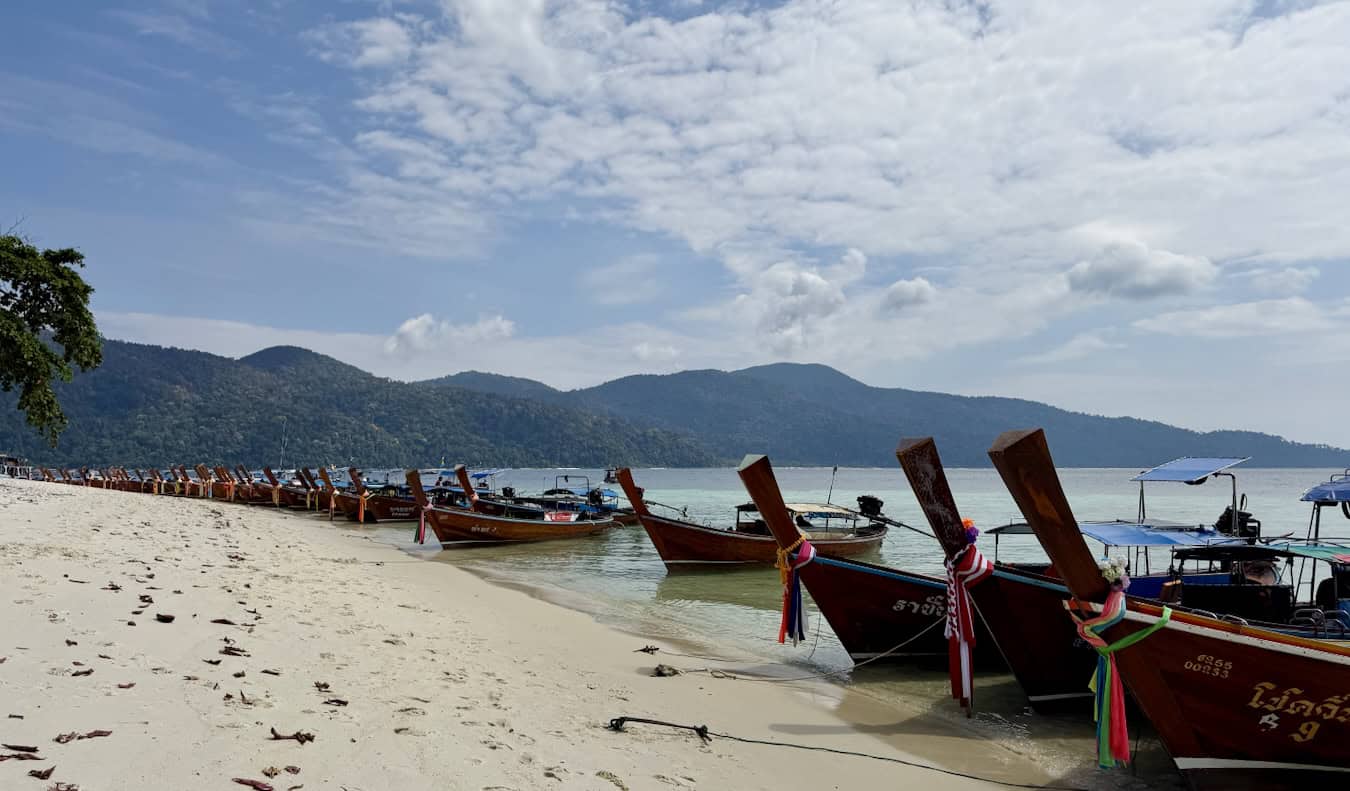
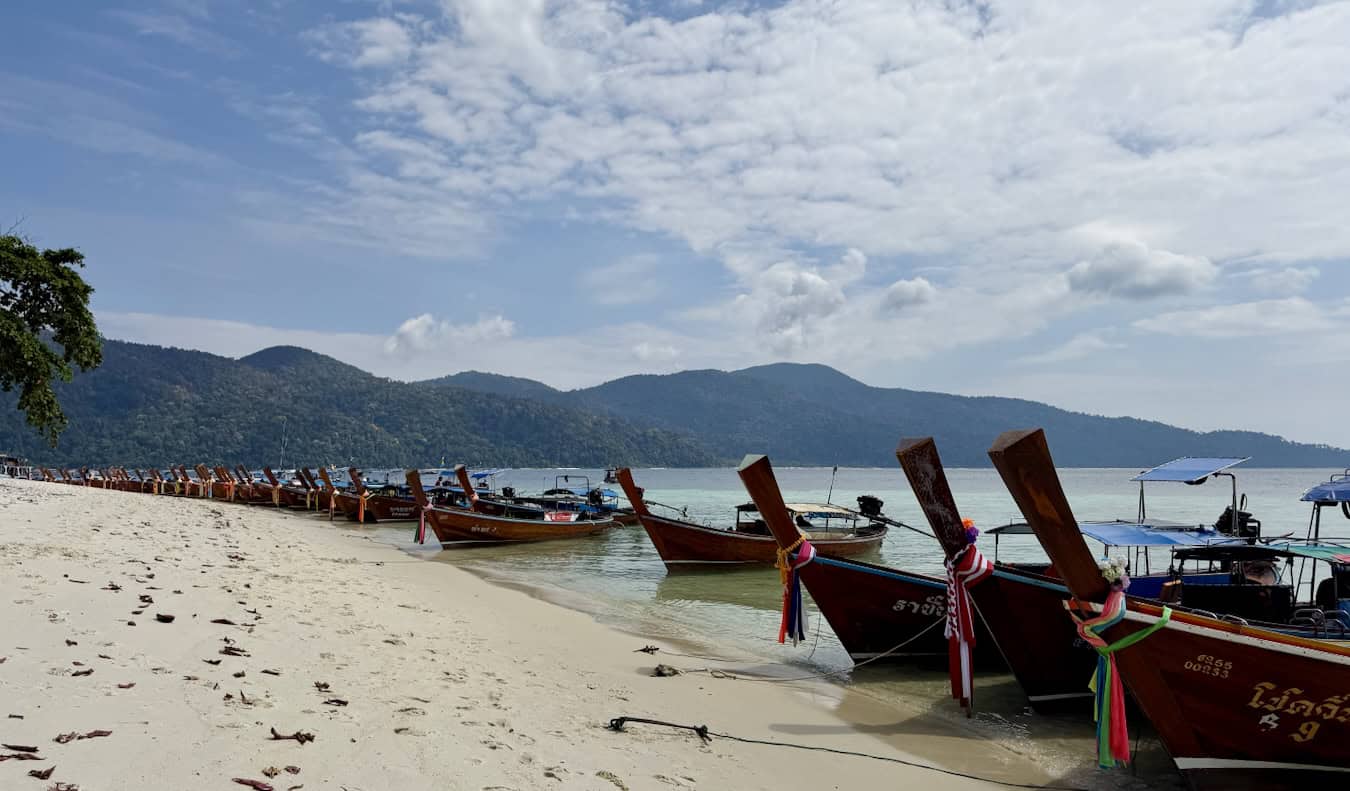
A simple swim reveals the reality of the situation: the water, while still possessing that iconic, postcard-worthy azure hue, is often marred by a thin, oily sheen of boat exhaust. The sand, once white and pristine, is now crowded with long-tail boats that serve the mass-market tour industry.
The social impact is equally grim. The local indigenous population, who once held stewardship over the land, has been largely displaced. As land values soared, many locals were incentivized or pressured to sell their plots to mainland developers, effectively turning the island into an enclave for outside business interests. Today, a significant portion of the island’s workforce consists of migrant labor from the mainland, who often see only a fraction of the economic benefits generated by the tourism boom. The cultural fabric that once made Ko Lipe a home for travelers has been replaced by a homogenized, service-oriented economy catering to tourists seeking standard Western comfort rather than authentic Thai culture.
Official Responses and the Illusion of Sustainability
While local authorities in Thailand have occasionally introduced "carrying capacity" measures—such as temporary closures of islands like Maya Bay to allow for environmental recovery—the approach to Ko Lipe has remained largely reactive rather than proactive.
Critics argue that the current model of tourism in Thailand focuses on short-term economic gains at the expense of long-term environmental sustainability. When asked about the over-development of such islands, government tourism boards often point to the "economic necessity" of providing jobs and generating tax revenue. However, the question remains: at what cost?
The displacement of local communities and the irreversible destruction of coral reefs suggest that the "economic benefit" is a temporary illusion. Once the natural beauty that attracts the tourists is fully depleted, the island will be left with an infrastructure built for a boom that no longer exists, leaving the local population with the environmental cleanup bill.
The Moral Implications for the Modern Traveler
This brings us to a difficult realization for the global travel community: our presence has power. We are the consumers of these destinations, and our choices dictate the direction of their development.
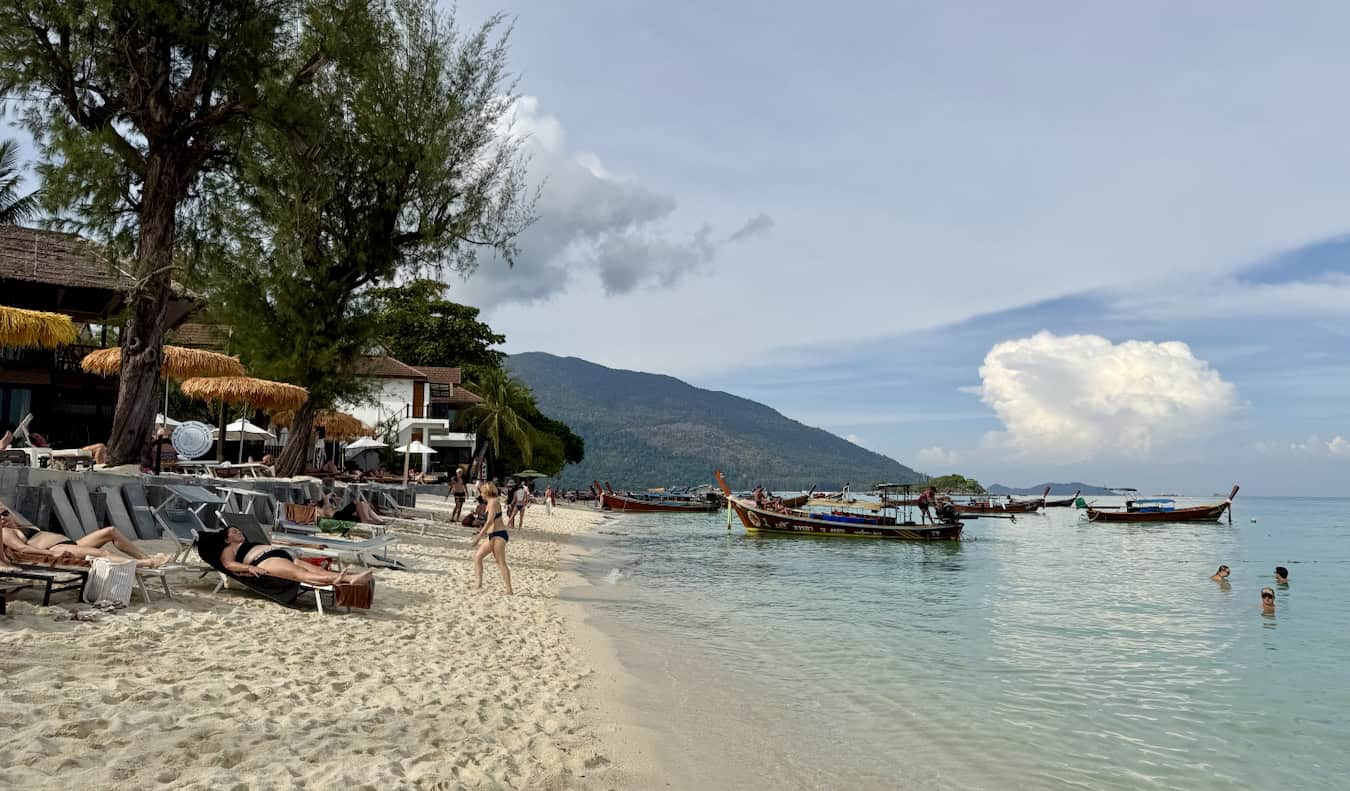
Many travelers who arrive at Ko Lipe for the first time are still captivated by its beauty. Compared to the hyper-commercialized landscapes of Phuket or Krabi, Ko Lipe can still feel "authentic" to the uninitiated. But this perspective is deceptive. By continuing to funnel tourism into an already over-burdened island, we are complicit in its degradation.
The ethical path forward is to practice "conscious tourism." This means acknowledging that some places are better left unvisited—or at least, visited less frequently. When we choose to travel to islands like Ko Lanta, Ko Jum, or Ko Mook, which currently maintain a more sustainable balance between development and conservation, we are sending a market signal. We are saying that we value environmental integrity over the convenience of a "trendy" destination.
Moving Beyond the "Genie in the Bottle"
There is a fatalistic view that once an island has been developed, it is "lost," and nothing can be done. While it is true that we cannot simply undo the concrete roads and the luxury resorts, we can prevent the further decline of the remaining wilderness.
The history of the travel industry shows that consumer consciousness can drive change. Consider the decline of elephant riding in Thailand: once a common tourist activity, it has largely been rejected by modern travelers who became aware of the animal cruelty involved. Similarly, the rise of "eco-lodges" was a direct response to a demand for sustainable travel.
If we apply this same rigor to the issue of over-tourism, we can force a shift. We must demand better waste management, stricter controls on construction, and, crucially, a shift in focus away from mass tourism toward high-value, low-impact travel.
Conclusion: A Call to Stewardship
Returning to Ko Lipe was an exercise in mourning. I saw the ghost of the paradise I once loved, buried under layers of concrete and the exhaust of a thousand boats. It is painful to admit that the place that shaped my life is no longer a place I can recommend to others.
However, this is the reality of being a responsible traveler in the 21st century. Sometimes, being a good steward of the world means knowing when to stay away. We must stop treating destinations as inexhaustible commodities. We must learn to cherish the beauty that remains by protecting it from our own presence.
Ko Lipe is a destination that has reached its limit. The most effective way to help the island recover—or at the very least, to stop the bleeding—is to choose a different path. By shifting our tourism dollars to better-managed, sustainable alternatives, we can preserve the magic of Southeast Asia for the future, rather than consuming it until nothing is left but the memory of what it used to be.
Your choices have an impact. Choose wisely, choose sustainably, and when you see a place that is being exploited, have the courage to walk away. It is the only way to ensure that the "paradise" we seek doesn’t vanish entirely.