A Growing Crisis: Understanding the 2026 Cyclosporiasis Outbreak Linked to Iceberg Lettuce
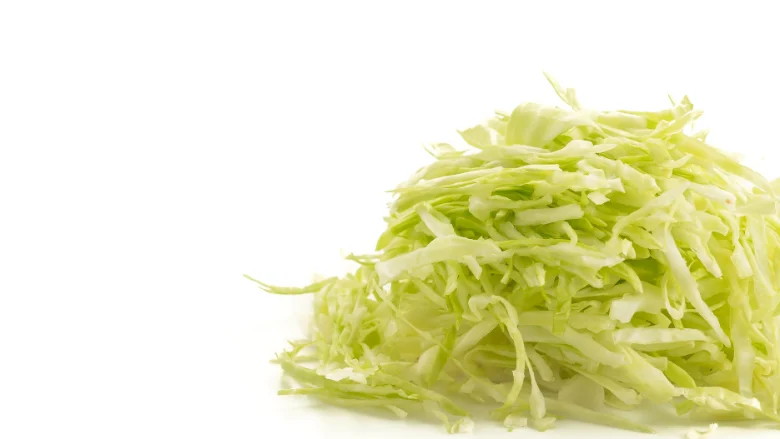
The American public health landscape is currently grappling with a significant foodborne illness outbreak that has underscored the vulnerabilities within the global food supply chain. As of mid-July 2026, health authorities have linked a multi-state outbreak of cyclosporiasis—a parasitic infection caused by the microscopic Cyclospora cayetanensis—to iceberg lettuce sourced from Taylor Farms of Mexico. The situation has triggered massive product recalls, sparked confusion regarding diagnostic reporting, and reignited a critical debate concerning the efficacy of the U.S. food safety surveillance system.
The Scope of the Outbreak: Key Facts and Figures
As of July 16, 2026, the U.S. Food and Drug Administration (FDA) and the Centers for Disease Control and Prevention (CDC) have confirmed 1,644 cases of cyclosporiasis across five states: Indiana, Kentucky, Michigan, Ohio, and West Virginia. The window of infection for these cases spans from May 13 to July 13, 2026. Alarmingly, the outbreak has resulted in 94 hospitalizations, highlighting the potential severity of the illness, which is typically characterized by watery diarrhea, abdominal cramping, nausea, and fatigue.
The investigation identified a specific common denominator among those affected: consumption of iceberg lettuce served at Taco Bell locations. This connection was substantiated by the Michigan Department of Health and Human Services (MDOH), which conducted intensive exposure interviews. Of the 190 CDC-confirmed cases interviewed in Michigan, a staggering 90 percent reported consuming iceberg lettuce at a Taco Bell restaurant.
While the official federal count remains at 1,644, state-level reporting has presented a much larger, albeit more complex, picture. The MDOH reported 5,002 cases and 102 hospitalizations in Michigan alone. This discrepancy between state and federal figures highlights the inherent friction in current epidemiological data collection, as officials work to distinguish between the specific outbreak cluster and sporadic, unrelated cases of cyclosporiasis that occur annually.
A Chronology of the Investigation and Recall
The timeline of the 2026 outbreak reveals a rapid escalation from initial reports to widespread regulatory intervention:
- Mid-May to Early July: The onset of illnesses begins, with cases steadily accumulating in the Midwest.
- July 14: The CDC issues a formal health advisory, acknowledging the large Midwestern outbreak cluster and initiating a more focused public awareness campaign.
- July 16: The FDA and CDC confirm the link between the illnesses and Taylor Farms of Mexico, the supplier for the affected Taco Bell locations.
- July 17: Taylor Fresh Foods, the parent company of Taylor Farms, initiates a voluntary recall. The scope of this recall extends beyond Taco Bell, encompassing "Marketside" brand iceberg lettuce sold at Walmart stores across 28 states.
- July 18: The FDA releases a statement suggesting a positive test result for Cyclospora in a lettuce sample from Taylor Farms, intensifying the regulatory response.
- July 19: In a significant reversal, the FDA retracts its positive test finding, labeling it a "false positive" due to the technical complexities of identifying Cyclospora in food matrices.
- July 19: Taylor Farms issues a sharp critique of the FDA’s handling of the laboratory findings, noting that the agency apologized for the error and confirming that there is currently no verified positive product sample linked to the outbreak.
Despite the withdrawal of the positive sample finding, the recall remains in effect. The FDA continues to work with Taylor Farms to remove the potentially contaminated product from the market, asserting that despite the lack of a positive test, the traceback data overwhelmingly points to the central Mexican supplier as the source of the infection.
Taylor Farms and the Industry Response
Taylor Fresh Foods has navigated a difficult regulatory environment throughout this crisis. In its official statements, the company has emphasized that the implicated iceberg lettuce originates from "a specific independent farm" that represents less than one percent of the total U.S. iceberg lettuce supply.
The company has taken pains to distinguish its branded salad kits—which do not contain the affected iceberg lettuce—from the specific product lines under recall. By explicitly stating that no Taylor Farms-branded salads are associated with the illness, the company is attempting to mitigate broader brand damage. However, the internal tension between the manufacturer and the FDA was laid bare on July 19, when Taylor Farms publicly highlighted the FDA’s "mistake" regarding the false-positive laboratory result. This public disagreement underscores the high stakes for food producers when faced with federal enforcement actions.
Analyzing the Surveillance Gap
The disparity between the CDC’s count of 1,644 cases and the Michigan state report of over 5,000 cases has caused significant public confusion. Experts point to several factors that explain this gap:
- Reporting Lags: There is an estimated six-week lag between the onset of symptoms and the reporting of a case to federal authorities.
- Surveillance Differences: National CDC numbers track all laboratory-confirmed cyclosporiasis cases across the U.S. This includes both the specific outbreak and baseline cases that occur every summer, often unrelated to the specific lettuce shipment in question.
- Diagnostic Shifts: The rise in reported cases over the last decade is partially attributed to the increased use of culture-independent diagnostic tests (CIDTs). These tests are more sensitive and easier for clinicians to order, leading to higher detection rates of illnesses that may have gone unnoticed in previous years.
At a July 16 briefing hosted by George Washington University’s Institute for Food Safety and Nutrition Security, experts noted that the U.S. foodborne surveillance system is increasingly strained. Resource limitations at the state and local levels, coupled with the inherent biological difficulty of testing for Cyclospora, create a "perfect storm" for epidemiological uncertainty.
The Long-Term Trend: Is Cyclosporiasis Becoming Endemic?
The 2026 outbreak is not an isolated event but rather the latest chapter in a concerning long-term trend. Since the 1990s, Cyclospora cayetanensis has shown an upward trajectory in the United States. Data provided by food safety experts indicate that reported cases have fluctuated wildly, from a low of 537 in 2016 to a high of nearly 3,500 in 2018 and similar figures in 2023.
The biological nature of the parasite presents a unique challenge for food safety investigators. Cyclospora has a long incubation period, which makes traceback investigations—the process of identifying the exact origin of a contaminated food item—notoriously difficult. When a consumer falls ill, they are often asked to recall everything they ate in the previous two weeks, a task that is prone to error and "recall bias."
Implications for Public Health and Consumer Confidence
The 2026 outbreak serves as a stark reminder of the complexities inherent in modern food distribution. As supply chains become more globalized, the ability of a single farm in central Mexico to impact consumers in 28 U.S. states is a reality that regulators and industry leaders must address.
For the consumer, the takeaway is one of caution but also perspective. While the number of cases is significant, the vast majority of the U.S. food supply remains safe. However, the incident highlights the necessity for:
- Enhanced Traceability: A need for more granular data from farm to fork to prevent massive, wide-reaching recalls.
- Improved Diagnostic Standards: Addressing the issues that led to the "false positive" debacle, which undermines public trust in the scientific rigor of federal agencies.
- Resource Allocation: A commitment to funding the state and local health departments that serve as the "boots on the ground" for foodborne illness investigation.
As the FDA continues its investigation, the food industry remains on high alert. The lessons learned from this 2026 crisis—specifically the impact of reporting lags and the critical need for accurate communication during an outbreak—will likely shape food safety policy for years to come. For now, the recall of iceberg lettuce from central Mexico stands as a necessary protective measure in an evolving public health environment.