The 2026 Cyclospora Crisis: A Deep Dive into a Strained Food Safety System
The United States is currently grappling with a significant public health challenge as an outbreak of Cyclospora cayetanensis—a microscopic, intestinal parasite—surges across the Midwest. As of late July 2026, the data reflects a alarming trend: thousands of residents in states like Michigan and Ohio are reporting symptoms consistent with cyclosporiasis, a gastrointestinal illness typically contracted through the consumption of contaminated fresh produce.
The outbreak has not only strained regional healthcare systems but has also ignited a broader conversation regarding the efficacy of the U.S. food safety surveillance infrastructure. With case numbers ballooning to levels not seen in previous decades, public health officials, regulatory bodies, and industry giants are scrambling to contain the fallout.
The Scope of the Outbreak: A Statistical Disconnect
The reporting of Cyclospora cases has become a complex exercise in data reconciliation. As of July 21, 2026, state-level health departments in Michigan and Northwestern Ohio have reported 6,571 and 2,029 cases, respectively. In stark contrast, the U.S. Centers for Disease Control and Prevention (CDC)—which maintains a more rigorous threshold for "confirmed" status—reported 1,644 domestically acquired cases as of July 14.
Why the Discrepancy?
The significant gap between state-reported numbers and federal counts is attributed to two primary factors. First, state health departments often include "probable" cases in their tallies to ensure rapid public notification, whereas the CDC requires specific laboratory confirmation and a definitive link to the current investigation. Second, there is an inherent administrative lag; the time elapsed between a patient seeing a doctor, the state receiving the lab result, and the CDC formally categorizing that case as part of the outbreak can span several weeks.
This confusion is compounded by the fact that not all Cyclospora infections currently occurring in the U.S. are linked to a single source. According to U.S. Food and Drug Administration (FDA) Acting Commissioner Kyle Diamantas, the agency has tracked five distinct subclusters of the parasite since May 2026. While three of those clusters have been resolved without identifying a specific point of contamination, the ongoing Midwestern crisis remains the primary focus of the FDA’s Coordinated Outbreak Response and Evaluation (CORE) team.
Chronology of the Crisis
The current outbreak timeline began in mid-spring, coinciding with the typical seasonal onset of Cyclospora prevalence in the Northern Hemisphere.
- May 13, 2026: The earliest identified onset date for patients linked to the current outbreak.
- Late June 2026: Health departments in the Midwest began noting a statistically significant spike in gastrointestinal complaints, triggering initial epidemiological investigations.
- July 14, 2026: The CDC issued its most recent federal update, acknowledging over 1,644 confirmed cases across Michigan, Ohio, West Virginia, and Indiana.
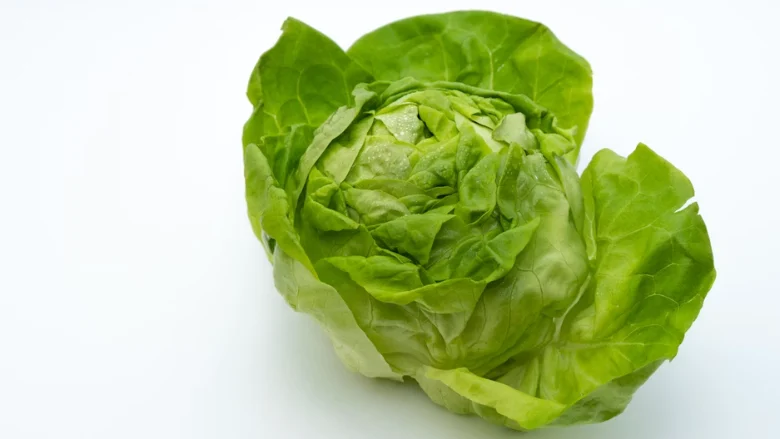
- Mid-July 2026: Traceback investigations conducted by the FDA successfully identified iceberg lettuce sourced from Central Mexico and supplied by Taylor Farms of Mexico as the common denominator.
- Late July 2026: Taylor Fresh Foods initiated a voluntary recall of the implicated iceberg lettuce. Major restaurant chains and retailers, including Taco Bell and Walmart, moved swiftly to remove the products from their supply chains.
The 560 Percent Surge: Understanding the Numbers
The 2026 outbreak is historic in its magnitude. When compared to the same period in 2025—which saw only 249 domestically acquired cases—the current year represents a staggering 560 percent increase. This is not an isolated spike but rather a continuation of an upward trend that has been building for decades.
In 2016, the U.S. recorded 537 cases. By 2023, that number had surged to nearly 3,000. Public health experts at George Washington University’s Institute for Food Safety and Nutrition Security have noted that this rapid escalation may be a "canary in the coal mine" for the American food safety apparatus.
Drivers of the Surge
Experts suggest a "perfect storm" of contributing factors:
- Surveillance Strain: The sheer volume of cases is testing the limits of local health departments, many of which are underfunded and understaffed.
- Diagnostic Improvements: The widespread adoption of highly sensitive molecular diagnostic tests means that cases which might have gone undetected or been misdiagnosed as general gastroenteritis in the past are now being correctly identified as Cyclospora.
- Climate Change: A growing body of research suggests that longer, hotter summers facilitate the survival and transmission of C. cayetanensis, which thrives in warmer environments. The shifting climate patterns may be expanding the seasonal window during which these parasites can contaminate produce.
Official Responses and Regulatory Action
The identification of the source—iceberg lettuce from Central Mexico distributed by Taylor Farms—was the result of intensive "traceback" investigations. By interviewing patients about their dietary habits in the days leading up to their illness, investigators found a high correlation with consumption at specific fast-food establishments.
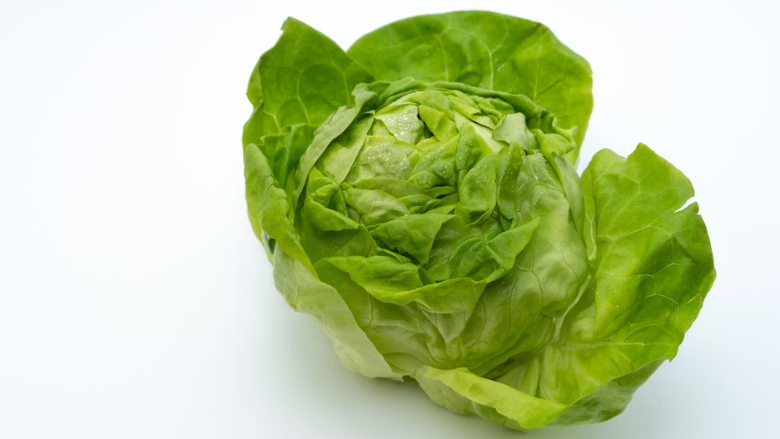
In Michigan, 90 percent of the 190 patients interviewed reported eating iceberg lettuce at Taco Bell locations. This clear epidemiological link allowed the FDA and the private sector to act.
Corporate Accountability
Taco Bell, while a victim of the supply chain failure, took immediate responsibility by severing ties with the specific supplier in question. Retail giants like Walmart also participated in the recall, ensuring that the implicated batches were pulled from shelves across the 28 affected states. The voluntary nature of the recall was expedited by the clear evidence provided by the FDA’s traceback data, demonstrating how cooperation between federal regulators and the private industry is essential for preventing further illnesses.
Implications for the Future of Food Safety
The 2026 Cyclospora outbreak has prompted a re-evaluation of how the U.S. handles fresh produce safety. The reliance on iceberg lettuce—a staple of the American diet—as a vector for foodborne illness highlights the vulnerability of the "farm-to-fork" supply chain.
1. Transparency and Traceability
The incident has underscored the need for enhanced traceability protocols. The ability to pinpoint a specific growing region in Central Mexico within weeks is a testament to the progress made in food science, yet the scale of the outbreak suggests that the initial detection was too slow. Industry leaders are now calling for greater investment in blockchain-based tracking and more frequent testing of agricultural water sources, which is a known transmission route for Cyclospora.
2. Strengthening Public Health Infrastructure
Public health academics argue that the surveillance system is currently "strained." Without a significant increase in funding for local and state epidemiologists, the U.S. may continue to face "case count confusion" during future outbreaks. The current model, which relies on the manual reporting of cases, is increasingly inadequate for the speed at which modern foodborne pathogens can spread.
3. The Climate Reality
As temperatures rise, the agricultural industry must adapt its food safety standards. What was considered a "safe" standard for water filtration and hygiene in the 1990s may no longer be sufficient in a 2026 climate. Future policies will likely require more rigorous monitoring of the environmental conditions in regions where high-risk produce—such as lettuce, cilantro, and berries—is grown.
Conclusion
The 2026 Cyclospora outbreak serves as a sobering reminder of the invisible risks inherent in our globalized food system. While the immediate danger posed by the Taylor Farms iceberg lettuce has been mitigated through swift recalls and supply chain adjustments, the broader implications remain.
The record-breaking number of cases highlights a critical juncture: the need for a more modernized, technology-driven, and adequately funded food safety system. As climate change continues to alter the environmental landscape, the strategies used to protect the public from foodborne parasites must evolve with equal velocity. For now, consumers are advised to continue monitoring public health updates and to follow standard food safety practices, such as thoroughly washing produce, though experts note that Cyclospora is notoriously difficult to remove from the crevices of leafy greens.
As we look toward the remainder of the 2026 season, the focus remains on closing the gaps in the surveillance system and ensuring that the lessons learned from this crisis are translated into meaningful, long-term regulatory change.