Building a Resilient Oasis: Expert Strategies for Drought-Tolerant Gardening
As climate patterns become increasingly unpredictable, gardeners across the country are finding themselves face-to-face with a persistent challenge: water scarcity. Whether you are navigating the arid, high-sun conditions of the Southwest or the fluctuating humidity and dry spells of the Mid-Atlantic, the traditional high-maintenance landscape—characterized by thirsty lawns and delicate, water-dependent annuals—is becoming an increasingly difficult, if not impossible, standard to maintain.
In the latest installment of the Super Cool Plants podcast, horticultural experts tackle the pressing issue of landscape sustainability. By moving away from "water hogs" and embracing drought-resilient alternatives, gardeners can create outdoor spaces that not only survive the heat of summer but thrive with minimal intervention. This comprehensive guide synthesizes the expert advice shared in the episode, offering a roadmap for transitioning your garden toward a more water-wise future.
The Shift Toward Water-Wise Landscapes: Main Facts
The core philosophy shared by our podcast guests is simple: gardening should work with the environment, not against it. In regions where water restrictions are becoming a seasonal norm, the traditional "high-input" garden is a liability.
The primary fact driving this movement is the distinction between "establishment" and "maintenance." Many drought-tolerant plants, often referred to as "xeriscape" friendly, require a period of consistent hydration while their root systems develop. Once established, however, these plants exhibit a remarkable ability to extract moisture from the soil even during prolonged dry spells.

The experts emphasize that the key to a resilient garden is "hydro-zoning." This involves grouping plants with similar water needs in the same area. When a gardener mixes "diva" plants—those requiring daily irrigation—with hardy, drought-tolerant species, they inevitably end up overwatering the survivors, leading to root rot and diminished plant health. By separating your landscape into zones, you optimize water usage and ensure that every plant receives exactly what it needs, and nothing more.
A Chronology of Sustainable Gardening
The transition to a drought-tolerant garden does not happen overnight. It is a process of observation, selection, and gradual implementation.
Phase 1: The Assessment (Early Spring)
Before pulling out a single plant, gardeners are advised to observe their landscape during the first signs of heat. Note where the soil dries out fastest and where water naturally pools. Understanding your specific microclimates—the difference between a scorching south-facing wall and a shaded northern corner—is essential for matching plants to the right location.
Phase 2: Strategic Replacement (Mid-Spring)
As the growing season kicks off, focus on replacing the most water-demanding specimens. Start with high-visibility areas like patio containers or central garden beds. By swapping out thirsty annuals for drought-tolerant perennials, you immediately reduce the volume of water required for daily maintenance.
Phase 3: Establishment (Late Spring to Early Summer)
This is the most critical period. Even the most drought-hardy plants require a "buffer" period. During the first year, monitor these new additions closely. The goal is to encourage deep root growth, which is achieved by infrequent but deep watering rather than frequent, shallow sprinkles.
Phase 4: Long-Term Resilience (Summer and Beyond)
Once established, the garden shifts into a maintenance-light mode. During this phase, the garden relies on natural rainfall and the inherent survival mechanisms of the chosen plant palette. Mulching becomes your primary tool for moisture retention, protecting the soil from evaporation and keeping roots cool during heatwaves.
Supporting Data: Expert-Recommended Plant Palettes
The podcast highlights two distinct perspectives based on regional expertise, providing a blueprint for both Mid-Atlantic and Southwest climates.
Natalie’s Southwest Selections
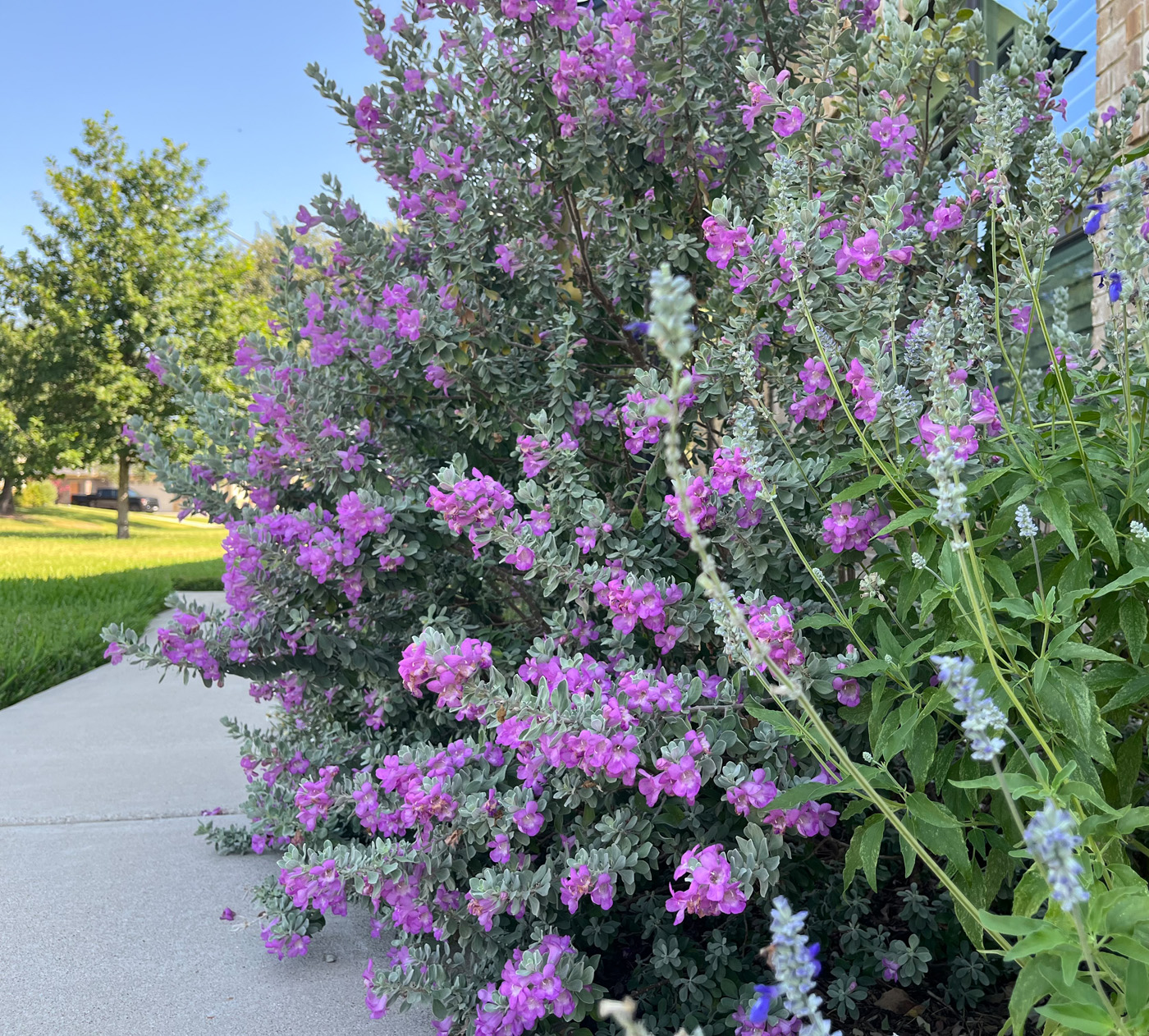
In the Southwest, where the sun is relentless and rainfall is scarce, the focus is on plants with high heat tolerance and waxy, reflective, or silver-toned foliage.
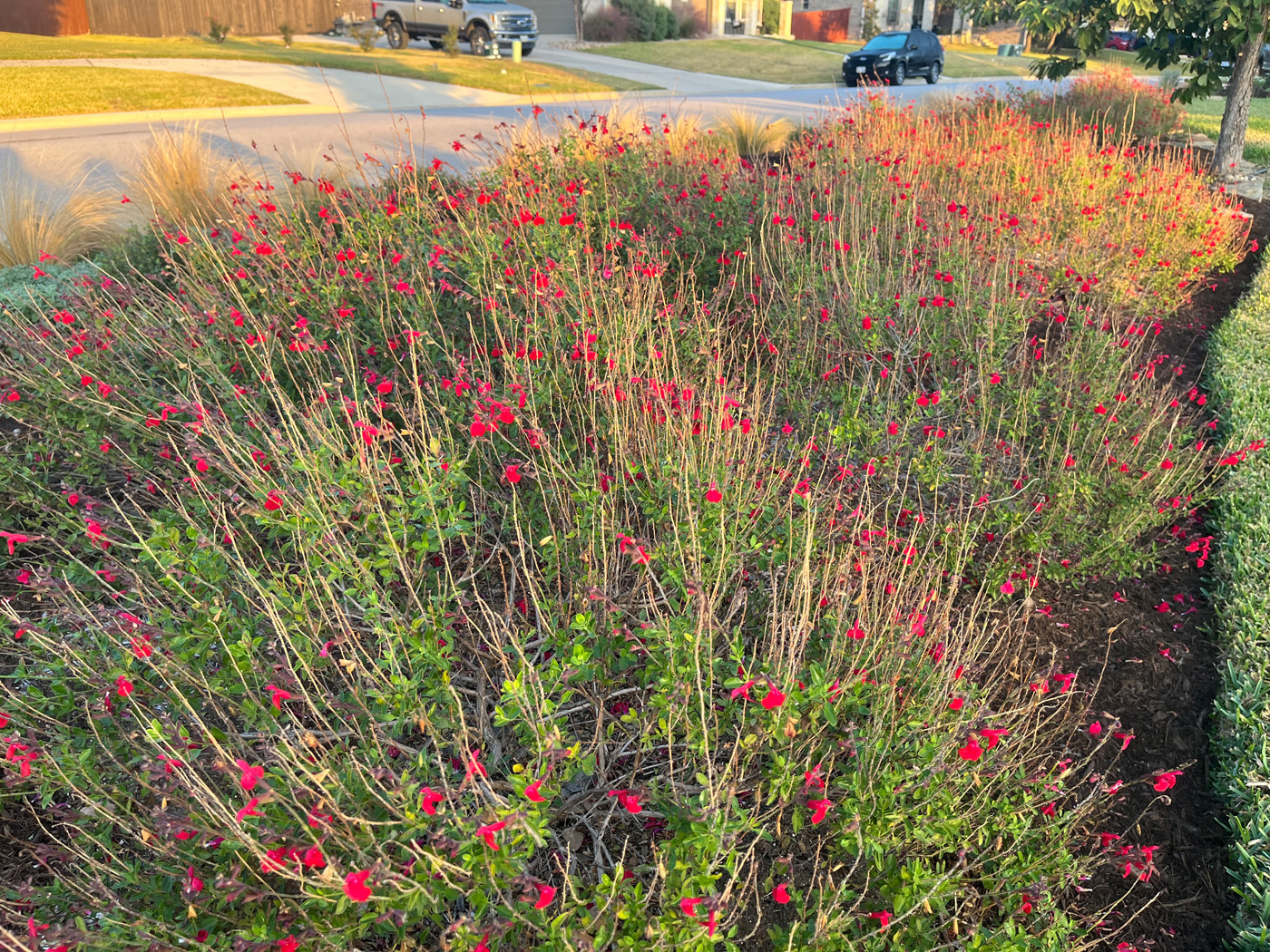
- Autumn Sage (Salvia greggii): A pollinator magnet that thrives in poor, rocky soil. It is a staple for gardeners who want color without the need for constant hydration.
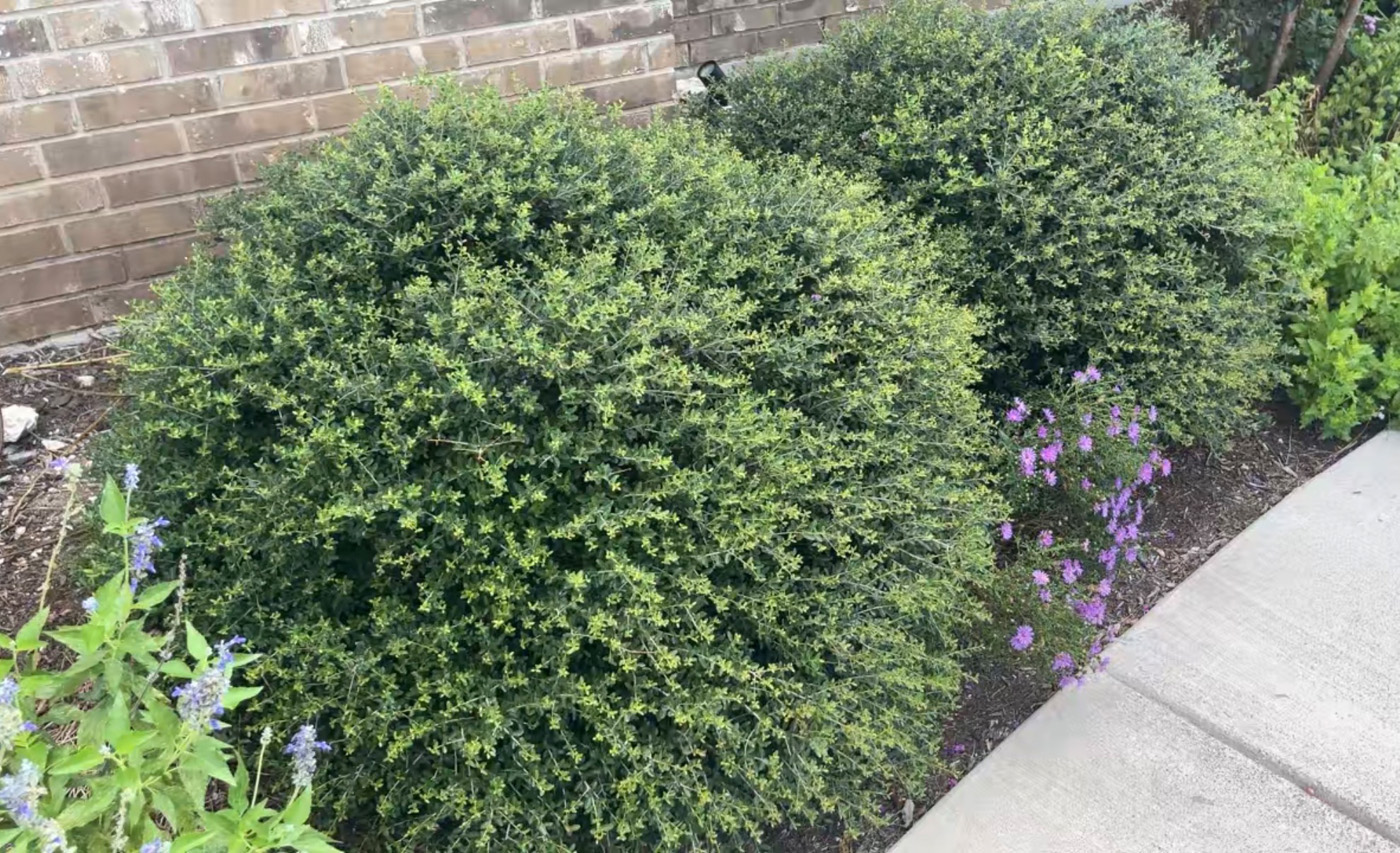
- Yaupon Holly (Ilex vomitoria): Exceptionally durable, this native shrub handles everything from drought to heavy heat, offering structure and evergreen interest.
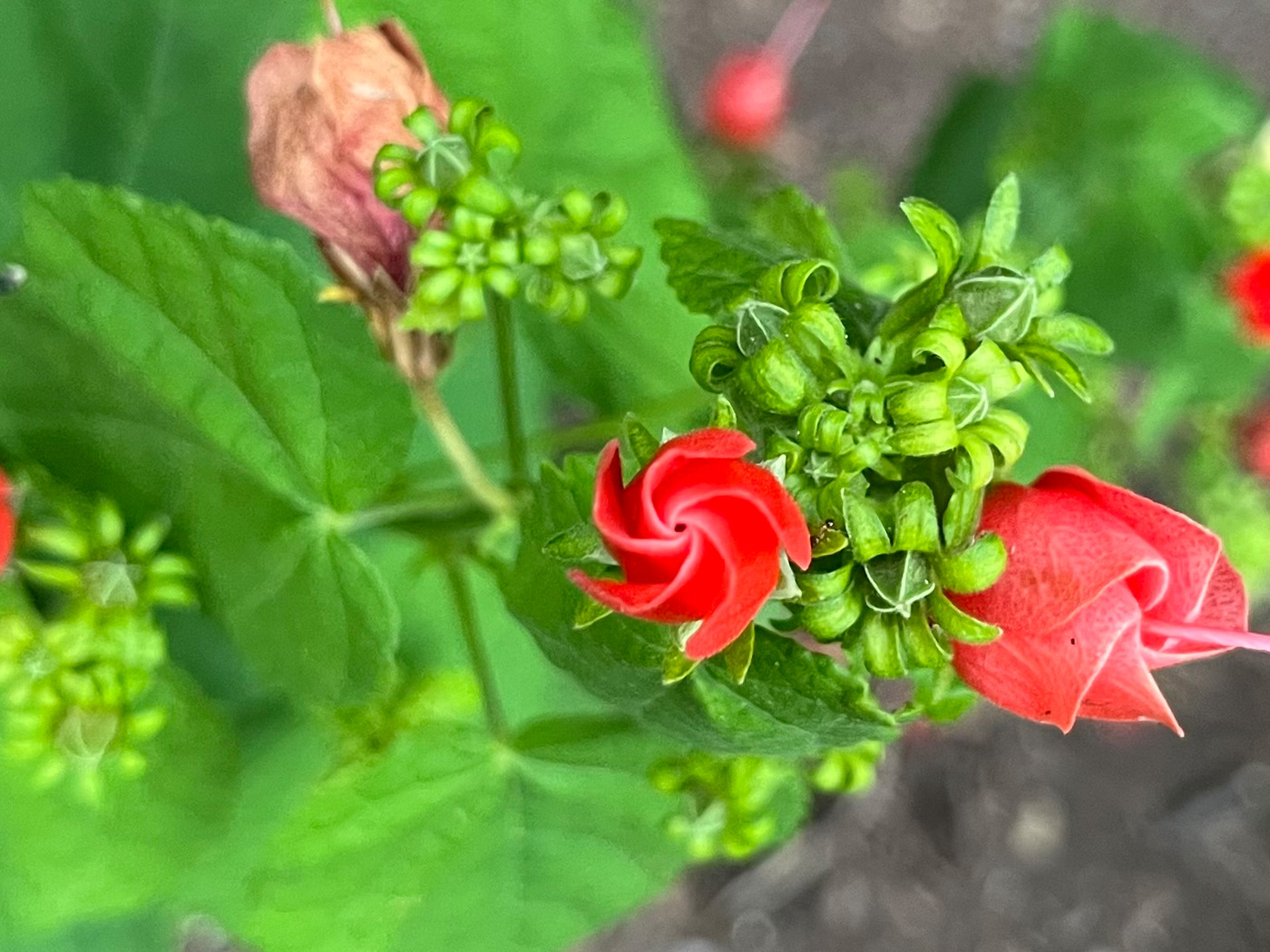
- Turk’s Cap (Malvaviscus arboreus): Known for its unique, unfurling blooms, this plant is a powerhouse in dry conditions, providing nectar for hummingbirds while remaining unfazed by the summer sun.
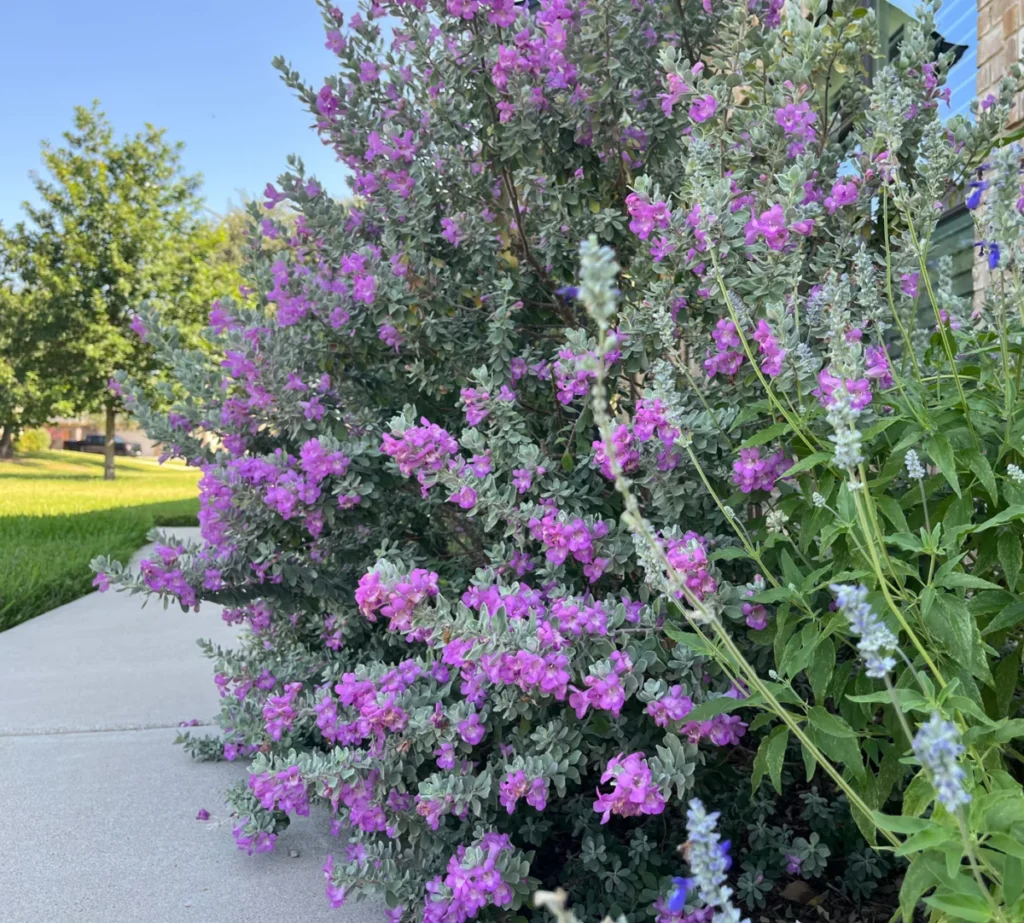
- Texas Sage (Leucophyllum frutescens): A classic of the region, this shrub responds to humidity with stunning purple blooms, making it a perfect indicator plant that thrives on neglect.
Ed’s Mid-Atlantic/Generalist Picks
For those in the Mid-Atlantic, the challenge is managing dry spells while dealing with varied humidity levels. The focus here is on plants that offer beauty and utility.
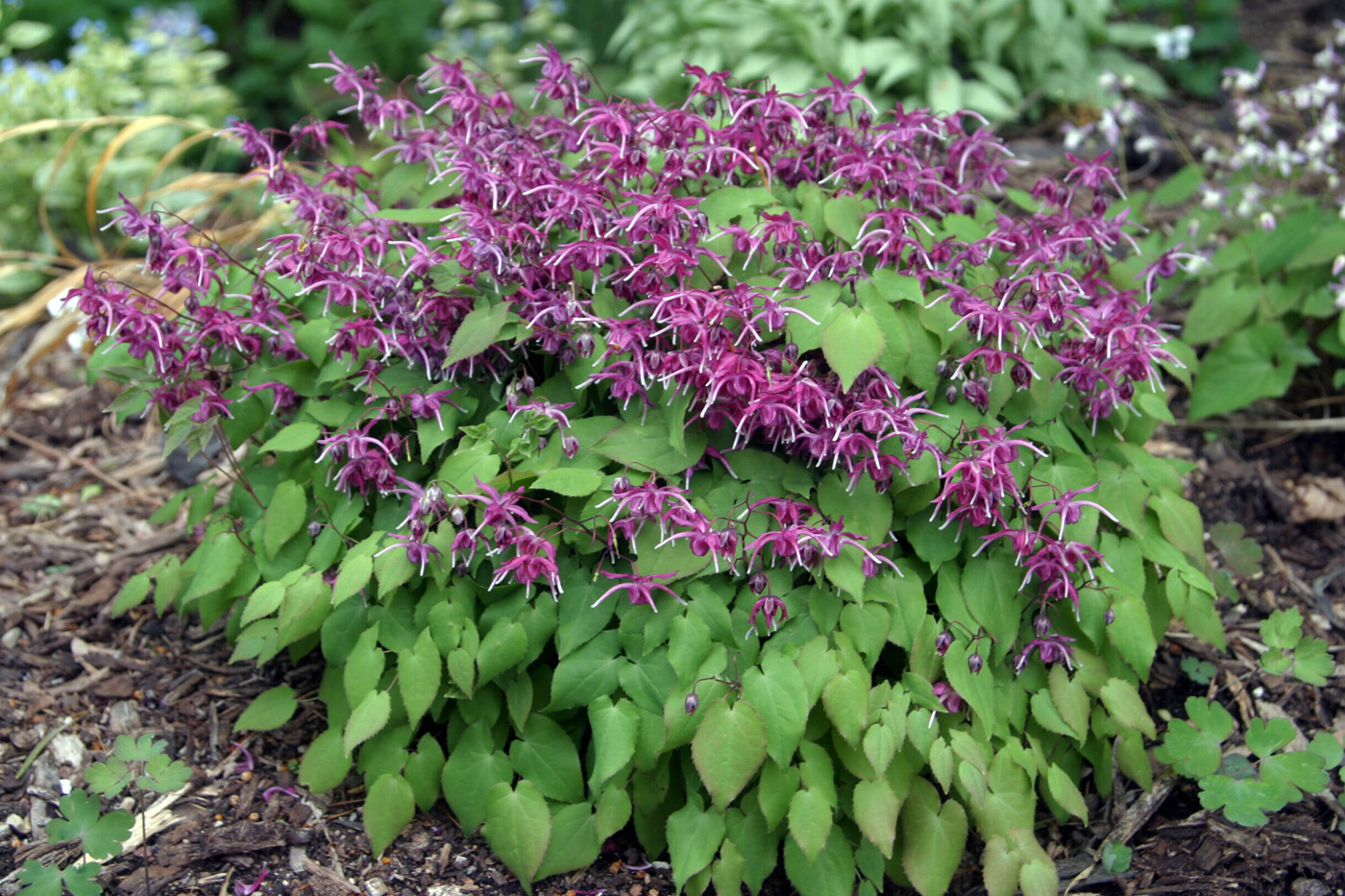
- ‘Lilafee’ Epimedium: An elegant, shade-tolerant choice that brings delicate color to dry, difficult spots under trees where other plants fail to thrive.
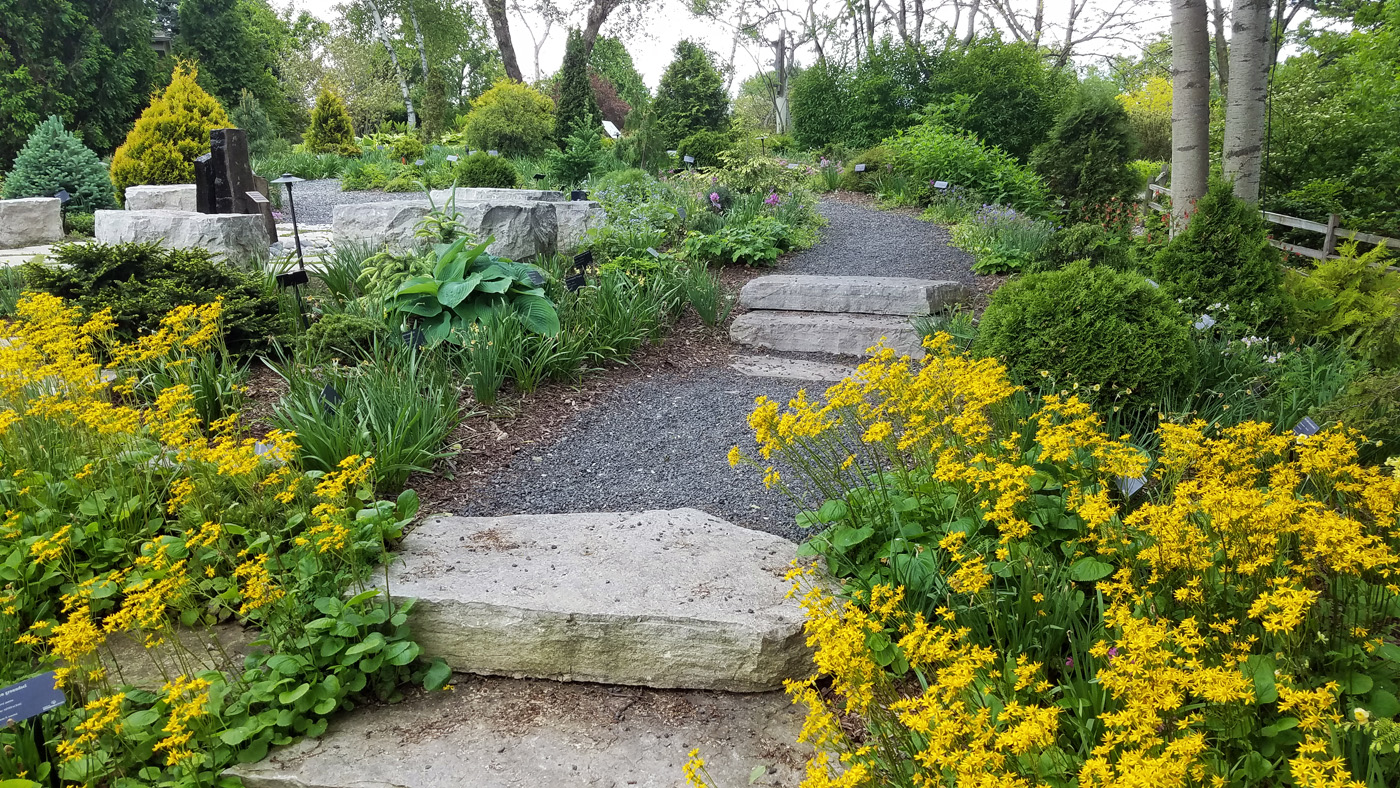
- Golden Ragwort (Packera aurea): Ideal for naturalizing, this plant provides ground cover and seasonal color, effectively acting as a living mulch that suppresses weeds and retains soil moisture.
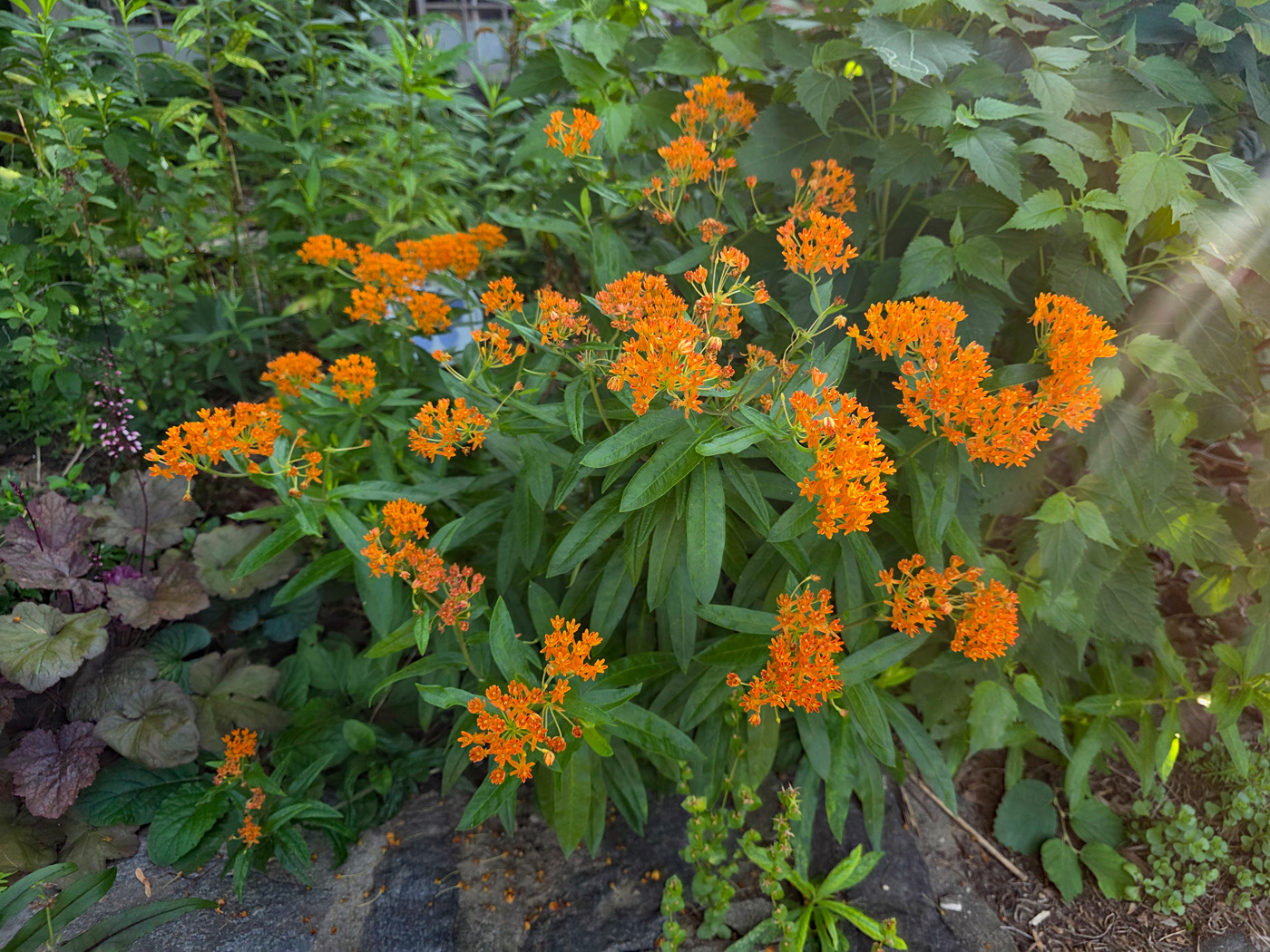
- Butterfly Weed (Asclepias tuberosa): A drought-tolerant native that is essential for pollinator support. Its deep taproot allows it to persist even in the driest soils.
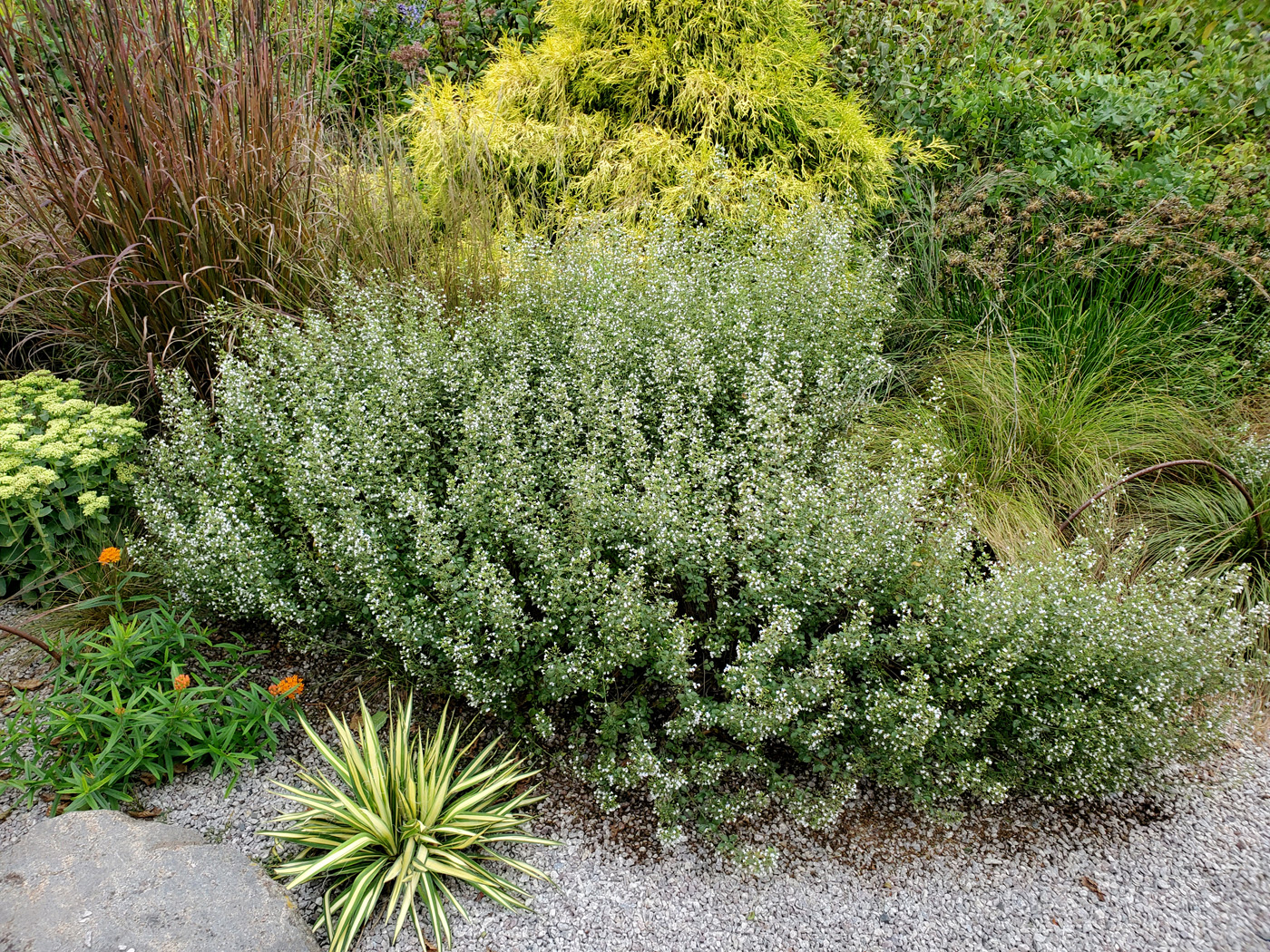
- Lesser Calamint (Calamintha nepeta subsp. nepeta): A fragrant, long-blooming perennial that serves as an excellent filler in garden pathways, showing incredible resilience to heat and dry soil.
Official Perspectives and Expert Advice
Throughout the episode, the consensus among the experts is clear: the era of the thirsty, manicured lawn is coming to an end.
"If you are spending your summer as a slave to the hose, you aren’t gardening; you’re just maintaining a bad habit," noted one expert. The shift to xeriscaping or water-wise gardening is not just about environmental conservation; it is about restoring the gardener’s time and energy. By choosing plants that have evolved to survive in local conditions, gardeners reduce the need for fertilizers, pesticides, and excessive irrigation.
The experts also highlighted the importance of soil health. Drought-tolerant plants often struggle in heavy, compacted clay or overly rich, soggy soil. Adding organic matter, such as compost, improves the structure of the soil, allowing it to hold onto water longer without becoming waterlogged. This is a "set it and forget it" strategy that pays dividends for years to come.
Implications for the Modern Gardener
The implications of adopting these practices are profound. By moving toward a more sustainable model, we are not just saving water; we are fostering biodiversity. Native plants, which are often the most drought-tolerant, provide the specific nectar, pollen, and shelter required by local wildlife.
Furthermore, the economic impact cannot be ignored. With water costs rising in municipalities across the country, a drought-tolerant garden serves as a financial hedge. It reduces monthly utility bills and minimizes the need for expensive soil amendments and chemical treatments.
As we look toward the future, the garden is being redefined. It is no longer a static, artificial display of status or conformity. Instead, it is becoming a living, breathing testament to the intelligence of nature. Whether you are transforming a small balcony container or a large suburban lot, the principles of drought-tolerant gardening offer a path to a more beautiful, resilient, and manageable world.
How to Get Started Today
If you are feeling overwhelmed by the prospect of redesigning your landscape, start small. Identify one "thirsty" bed in your garden that consistently struggles when the rain stops. Use that space as a laboratory. Replace those high-maintenance plants with the species recommended by our experts. Observe how they perform, how the soil reacts, and how the local pollinators respond.
Building a resilient garden is a journey of discovery. It requires a shift in mindset—a transition from demanding perfection to appreciating endurance. By embracing the "super cool" plants that thrive in adversity, you will find that the most beautiful garden is one that is perfectly at home in its environment.
Listen to the full episode of Super Cool Plants on your favorite podcast platform or visit the official YouTube channel for visual tutorials on how to implement these strategies in your own backyard.