A Silent Crisis: The Alarming Truth About America’s Sodium-Potassium Imbalance
Washington D.C. – A recent analysis reveals a stark and deeply concerning reality about the dietary habits of Americans: an astonishing 99.99% fail to meet the minimum recommended potassium intake while simultaneously exceeding recommended sodium levels. This dual nutritional imbalance, a deviation from humanity’s natural dietary evolution, represents a public health crisis of monumental proportions, contributing to a vast burden of disease and lost healthy life years.
The scale of this dietary challenge dwarfs other health concerns. Globally, while physical inactivity accounts for over 10 million years of healthy life lost annually, the impact of unhealthy diets is nearly 20 times greater. These suboptimal eating patterns collectively shave hundreds of millions of disability-free years off people’s lives each year, painting a grim picture of preventable suffering and economic cost.
The Global Burden of Diet: A Leading Cause of Lost Health
The concept of Disability-Adjusted Life Years (DALYs) quantifies the total number of years lost due to ill-health, disability, or early death. When we compare the DALYs attributable to various risk factors, the impact of what we eat stands out as overwhelmingly significant. The staggering statistic that unhealthy diets account for nearly 20 times more DALYs than physical inactivity underscores a critical blind spot in public health discourse. While exercise campaigns are vital, the evidence suggests that addressing dietary deficiencies and excesses should be at the absolute forefront of our collective health agenda.
This isn’t merely about individual choices; it’s a systemic issue rooted in modern food environments that promote convenience over nutrition. The relentless march of processed foods, often laden with sodium and depleted of essential nutrients like potassium, has created a dietary landscape that actively works against our physiological needs. The consequences are not just felt in the doctor’s office but ripple through healthcare systems, economies, and the overall quality of life for millions.
The American Paradox: Sodium Overload, Potassium Drought
At the heart of this crisis lies a fundamental imbalance between two crucial electrolytes: sodium and potassium. Our bodies require both for vital functions, including nerve impulse transmission, muscle contraction, and fluid balance. However, the ratio and absolute amounts we consume today are drastically different from what our ancestors ingested and what our physiology is optimally designed for.
The average American diet is characterized by an excessive intake of sodium and a severe deficiency of potassium. This double-edged sword creates a dangerous physiological environment, contributing to chronic diseases that are largely preventable. The data is unequivocal: fewer than 2% of U.S. adults consume the recommended daily minimum intake of potassium, meaning over 98% are living with a potassium-deficient diet. Conversely, a whopping 98.8% of Americans exceed the 1,500 mg upper limit recommendation for sodium—a statistic that was already alarming over a decade ago and has likely worsened.
When both guidelines are considered simultaneously, the compliance rate plummets to a shocking 0.015% – meaning only about 1 in 6,000 Americans successfully meet both sodium and potassium recommendations. This near-universal noncompliance is a testament to the profound disconnect between modern eating habits and optimal health.

The Silent Killer: The Perils of Excessive Sodium
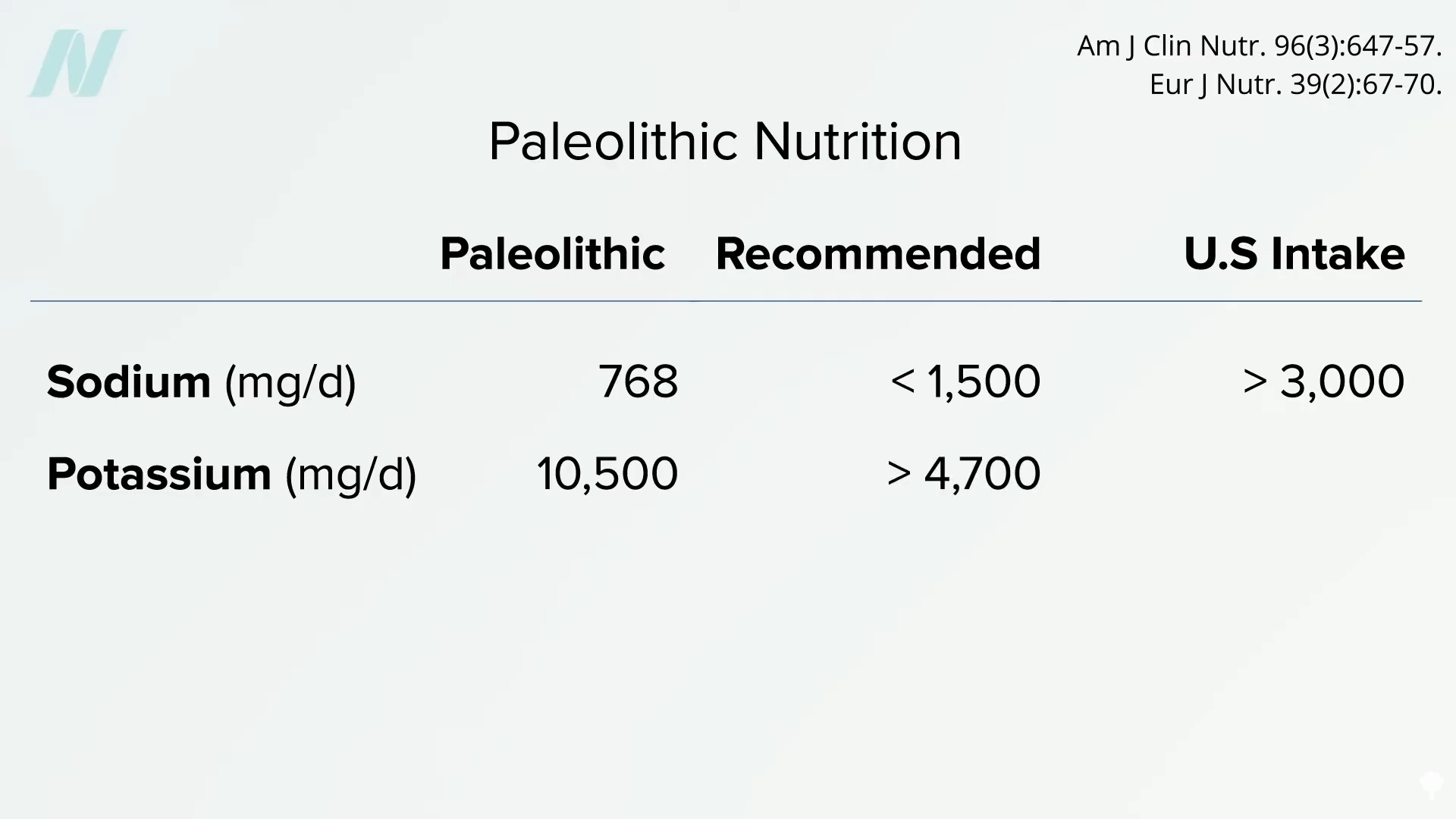
Among the various dietary pitfalls, excessive salt intake emerges as the most fatal flaw, according to comprehensive analyses. It is estimated to be approximately 15 times deadlier than diets excessively high in sugary sodas, putting its devastating impact into sobering perspective. The ramifications of chronic high sodium intake are far-reaching and insidious, affecting multiple organ systems.
High Blood Pressure and Cardiovascular Disease
The most well-established consequence of excessive sodium is its direct link to high blood pressure, or hypertension. Over a hundred randomized controlled trials have unequivocally demonstrated a cause-and-effect relationship: reducing salt intake leads to a measurable fall in blood pressure, with greater reductions seen with stricter sodium restriction. Hypertension is not merely a number; it is a major risk factor for heart attacks, strokes, heart failure, and kidney disease, collectively representing the leading causes of death and disability worldwide.
The mechanism behind salt’s effect on blood pressure is complex, involving fluid retention and direct impacts on blood vessel elasticity. But the consensus among medical professionals and public health organizations is clear: reducing sodium intake is a cornerstone of cardiovascular health.
Beyond Blood Pressure: Inflammation and Autoimmune Conditions
The detrimental effects of sodium extend beyond its well-known impact on blood pressure. Emerging research highlights its role in promoting inflammation throughout the body, a process implicated in a wide array of chronic diseases. For instance, studies have linked higher sodium intake to increased disease activity in multiple sclerosis (MS), an inflammatory autoimmune nerve condition. Patients with medium or high sodium intakes have been observed to experience exacerbation rates three to four times higher than those consuming less than a teaspoon of salt per day.
Similar patterns are observed in other autoimmune conditions. Elevated sodium levels have been detected in the tissues of individuals suffering from lupus, another serious inflammatory autoimmune disease. Furthermore, a direct correlation has been found between high sodium levels in the spinal cord of MS patients and the severity of the disease, along with decreased structural integrity of neural tissues. This suggests that sodium isn’t just a marker for an unhealthy diet but an active participant in inflammatory processes.
The Gut Microbiome Connection
An intriguing area of research suggests that part of salt’s harmful mechanism might involve damage to the gut microbiome – the community of friendly bacteria residing in our digestive system. A healthy microbiome is crucial for digestion, immune function, and even mood regulation. Disruptions to this delicate ecosystem, potentially caused by excessive sodium, could have cascading negative effects on overall health, further complicating the picture of salt’s systemic impact.
The Unsung Hero: The Critical Role of Potassium
While sodium garners much attention for its negative effects, its counterpart, potassium, is often overlooked despite its critical role in maintaining health and its ability to counteract some of sodium’s harmful impacts. Potassium is essential for regulating blood pressure, supporting nerve signals, and maintaining fluid balance. Critically, it helps to relax blood vessel walls and promotes the excretion of excess sodium through the kidneys, thereby lowering blood pressure.
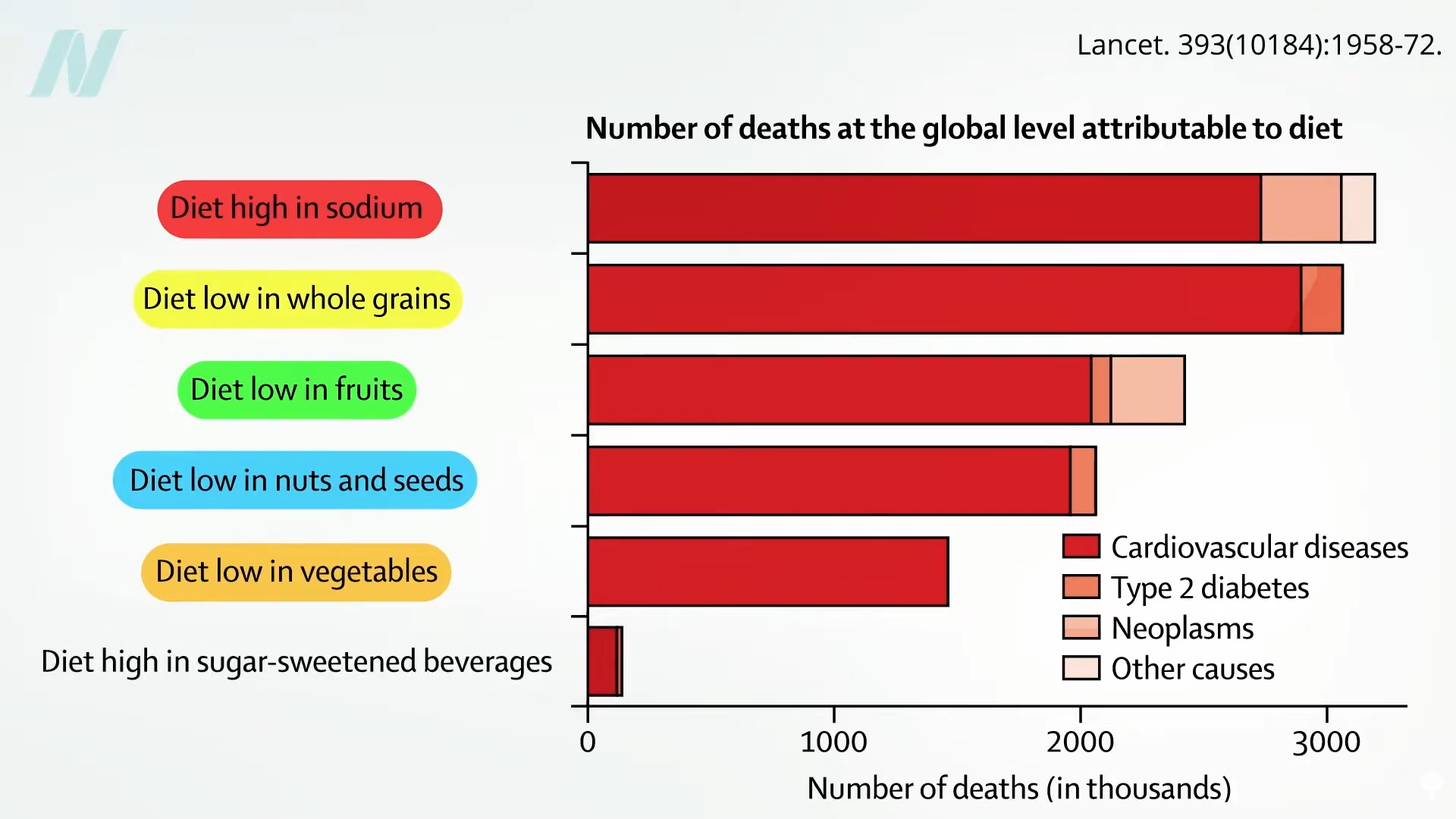
Our ancestors, consuming diets rich in plant-based foods, likely ingested upwards of 10,000 mg of potassium daily. This stands in stark contrast to modern diets, where the recommended daily intake is around half that amount, yet most Americans fall far short. This deficiency becomes even more striking when compared to our evolutionary intake, suggesting a fundamental mismatch between our genetic programming and our current nutritional environment.
Potassium is abundant in whole, unprocessed foods like fruits (bananas, oranges, avocados), vegetables (spinach, broccoli, potatoes), legumes (beans, lentils), and whole grains. The widespread deficiency in potassium underscores a broader problem: a lack of consumption of these foundational, nutrient-dense foods in the modern diet.
Chronology of Concern and Official Responses
The understanding of sodium’s detrimental effects and potassium’s protective role is not new. For decades, health organizations have raised alarms and issued guidelines.
- Evolutionary Context: Human bodies evolved to handle approximately 750 mg of sodium per day, reflecting the low sodium content of natural, unprocessed foods.
- Modern Intake Trends: Today, Americans consume more than four times that natural intake, and this trend has been worsening over the last decade.
- Early 2000s: Data from over a decade ago already indicated that 98.8% of Americans exceeded the 1,500 mg upper limit recommendation for sodium set by health bodies.
- Current Recommendations: The American Heart Association recommends staying under at least 1,500 mg of sodium daily, while promoting robust potassium intake.
- Calls for Action: The severity of the problem has led to strong calls from national and international health organizations for public health interventions. A former commissioner of the U.S. Food and Drug Administration (FDA) emphatically stated, "There remains no single more effective public health action related to nutrition than the reduction of sodium in the diet."
- Warning Labels: Inspired by tobacco control measures, health organizations have advocated for mandatory warning labels on salt packets and shakers. These labels would carry clear messages such as: "Too much sodium in the diet causes high blood pressure and increases risk of stomach cancer, stroke, heart disease, and kidney disease. Limit your use." This demonstrates a recognition of the widespread and insidious nature of the problem, demanding a direct and unambiguous public warning.
Beyond the Shaker: Sources of Hidden Sodium
While many focus on the salt shaker, the vast majority of dietary sodium (around 70-77%) comes not from table salt added at home, but from processed, packaged, and restaurant foods. This hidden sodium is pervasive, found in everything from canned soups and frozen meals to bread, breakfast cereals, and even seemingly innocuous items like cottage cheese and salad dressings.
This ubiquitous presence makes it incredibly challenging for consumers to manage their sodium intake effectively. Food manufacturers often use sodium not just for taste but also as a preservative, texturizer, and binder. The reliance on these processed foods in the typical American diet is a primary driver of the national sodium overload.
Implications: A Call for Systemic and Individual Change
The implications of this widespread sodium-potassium imbalance are profound, contributing significantly to the burden of chronic diseases, healthcare costs, and diminished quality of life. Addressing this crisis requires a multi-pronged approach involving both individual dietary choices and broader systemic changes.
Dietary Traps: What We’re Missing
Beyond the sodium-potassium imbalance, major dietary analyses highlight other critical "deadly dietary traps." Four out of the five deadliest dietary flaws involve not eating enough of certain protective foods: insufficient intake of whole grains, fruits, nuts and seeds, and vegetables. These foods are not only rich in potassium but also packed with fiber, vitamins, minerals, and antioxidants, all essential for robust health. The image below (or as referenced in the original article, the graph at 1:12 in the video "Fewer Than 1 in 5,000 Meet Sodium and Potassium Recommended Intakes") vividly illustrates the hierarchy of these dietary risks, with excessive salt at the very top.
(Image placeholder for the graph illustrating dietary traps)
Policy and Public Health Imperatives
The scientific consensus and the alarming statistics demand robust public health interventions. This includes:
- Industry Reform: Encouraging or mandating food manufacturers to reduce sodium content in processed foods.
- Nutritional Education: Comprehensive public awareness campaigns highlighting the dangers of high sodium and the benefits of potassium-rich foods.
- Clear Labeling: Implementing clearer, more prominent nutrition labeling, potentially including front-of-package warnings for high-sodium products.
- Healthcare Provider Education: Equipping doctors and dietitians with the tools and knowledge to counsel patients effectively on sodium and potassium balance.
Seeking Solutions: A Glimmer of Hope with Salt Substitutes?
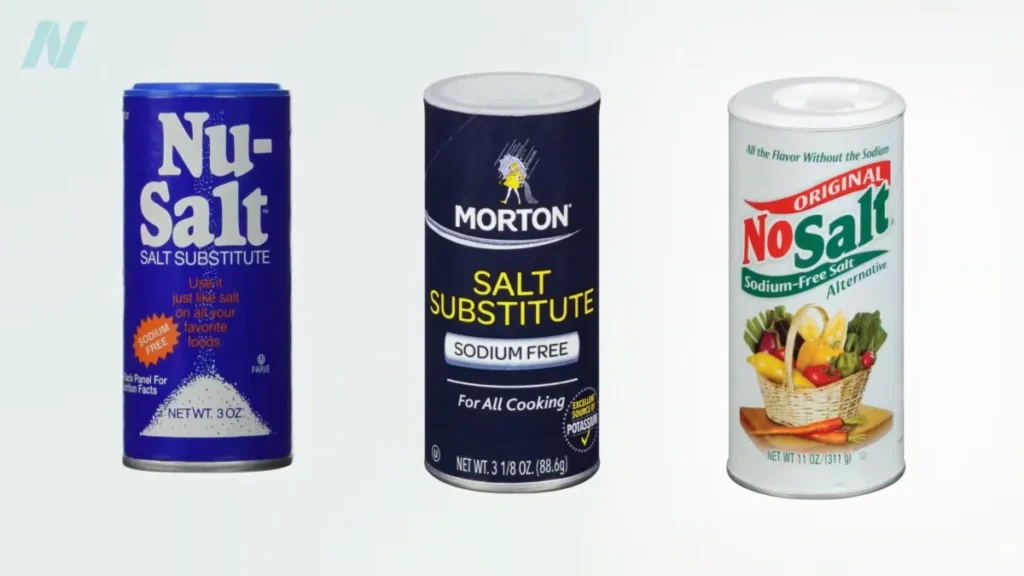
Given the pervasive nature of sodium in our diets and the difficulty many face in completely eliminating it, there’s growing interest in practical solutions. One such avenue is the use of potassium-based salt substitutes. Instead of traditional sodium chloride (table salt), these products often contain potassium chloride, offering a similar salty taste while simultaneously reducing sodium intake and increasing potassium intake.
(Image placeholder for the image of salt substitutes at 4:15 in the video)
This approach appears to offer a "too good to be true" solution: satisfying the craving for salt without the associated health risks, while also boosting a vital, often-deficient nutrient. However, questions naturally arise regarding their safety and effectiveness. Are these substitutes a genuine panacea, or do they come with their own set of caveats? The scientific community continues to evaluate these options, and further discussion on their potential benefits and risks is crucial for informed public health guidance. (This topic will be explored in subsequent parts of this series, specifically in "Are Potassium Chloride Salt Substitutes Worth Trying?" and "Are Potassium Chloride Salt Substitutes Safe and Effective?")
The Path Forward: A Call to Action
The evidence is overwhelming: the current dietary landscape, characterized by excessive sodium and deficient potassium, is a major driver of chronic disease and premature death. It’s a silent epidemic impacting nearly every American. Dismissing the problem, as some might argue, flies in the face of robust scientific evidence from hundreds of randomized controlled trials and global health assessments.
The path forward requires a concerted effort. Individually, we must prioritize whole, unprocessed foods, consciously reduce our intake of processed items, and become more mindful of hidden sodium. Systemically, there is an urgent need for policymakers, food manufacturers, and healthcare providers to collaborate on creating an environment that supports optimal nutrition rather than hindering it. Only through such comprehensive action can we hope to reverse this alarming trend and reclaim hundreds of millions of healthy, disability-free years for generations to come.