Beyond the Basics: Expert-Curated Native Shrub Alternatives for a Resilient Mid-Atlantic Landscape
The modern American garden is undergoing a quiet revolution. For decades, residential landscapes have been dominated by a select group of "staple" shrubs—plants chosen for their reliability, low cost, and predictable aesthetics. However, as ecological awareness grows, gardeners are increasingly recognizing that many of these traditional choices, such as Japanese spirea and burning bush, offer little in the way of environmental support and, in some cases, pose significant threats to local ecosystems.
In the Mid-Atlantic region, landscape designers are leading a movement to transition from "green deserts" to biodiverse havens. By swapping overused, non-native landscape staples for site-appropriate, native alternatives, homeowners can maintain the structural integrity and seasonal interest of their gardens while simultaneously providing essential habitats for pollinators and local wildlife.
The Case for Biodiversity: Why Native Matters
The push for native plants is not merely a trend; it is a response to the fragmentation of natural habitats. When a garden relies on invasive or non-native species, it fails to support the complex food webs that sustain local bird and insect populations. Native shrubs, by contrast, have co-evolved with regional fauna, providing the specific nectar, pollen, and fruit that local species rely on for survival.
"Replacing commonly used landscape shrubs with native alternatives is one of the easiest ways to boost both the beauty and biodiversity of your garden," explains Caitlin Bird Francke, a landscape designer based in Chatham, New Jersey. According to Francke, the goal is not to sacrifice beauty for ecology, but to harmonize the two.
1. Kodiak Fresh® Bush Honeysuckle: The Spirea Alternative
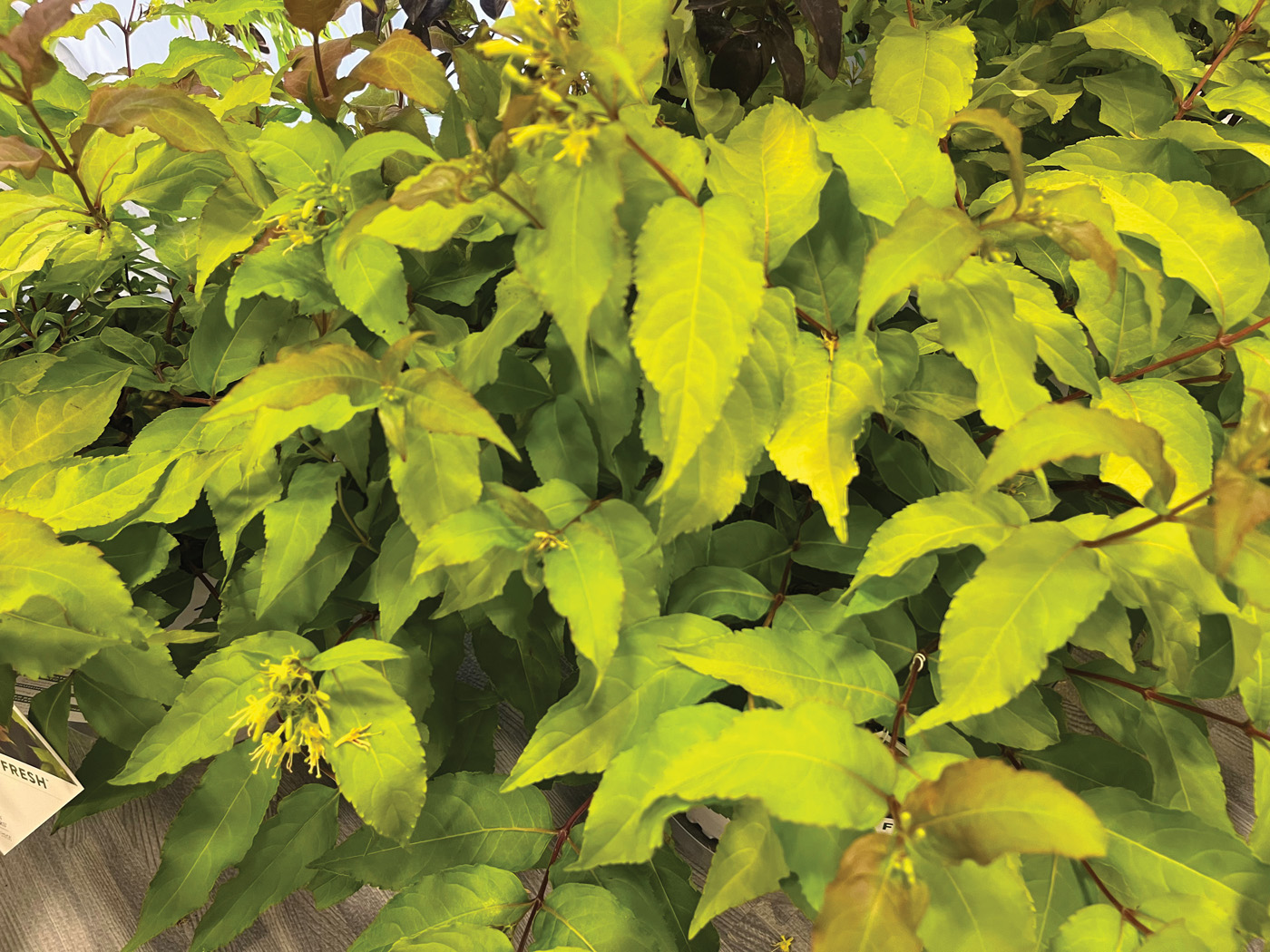
For years, Japanese spirea (Spiraea japonica) has been the go-to shrub for low-maintenance, mounded structure. Yet, its ecological value is negligible. In its place, experts are increasingly recommending the native Kodiak Fresh® bush honeysuckle (Diervilla).
The Shift in Landscape Trends
Every garden era has an "it" shrub. Currently, bush honeysuckle is capturing the attention of the horticultural industry. As nurseries continue to develop more robust varieties, gardeners are finding that these cultivars provide the structure, height, and vibrant foliage they desire without the negative environmental footprint of invasive counterparts.
Performance and Ecological Impact
Kodiak Fresh® functions as a direct, high-performing replacement for traditional spirea varieties like ‘Gold Mound’. Both plants offer similar mounded growth habits and bright, eye-catching foliage. However, where spirea often requires constant maintenance and provides little for local pollinators, the native bush honeysuckle serves as a magnet for bees, butterflies, and other beneficial insects, turning a static garden feature into a living, breathing ecosystem.
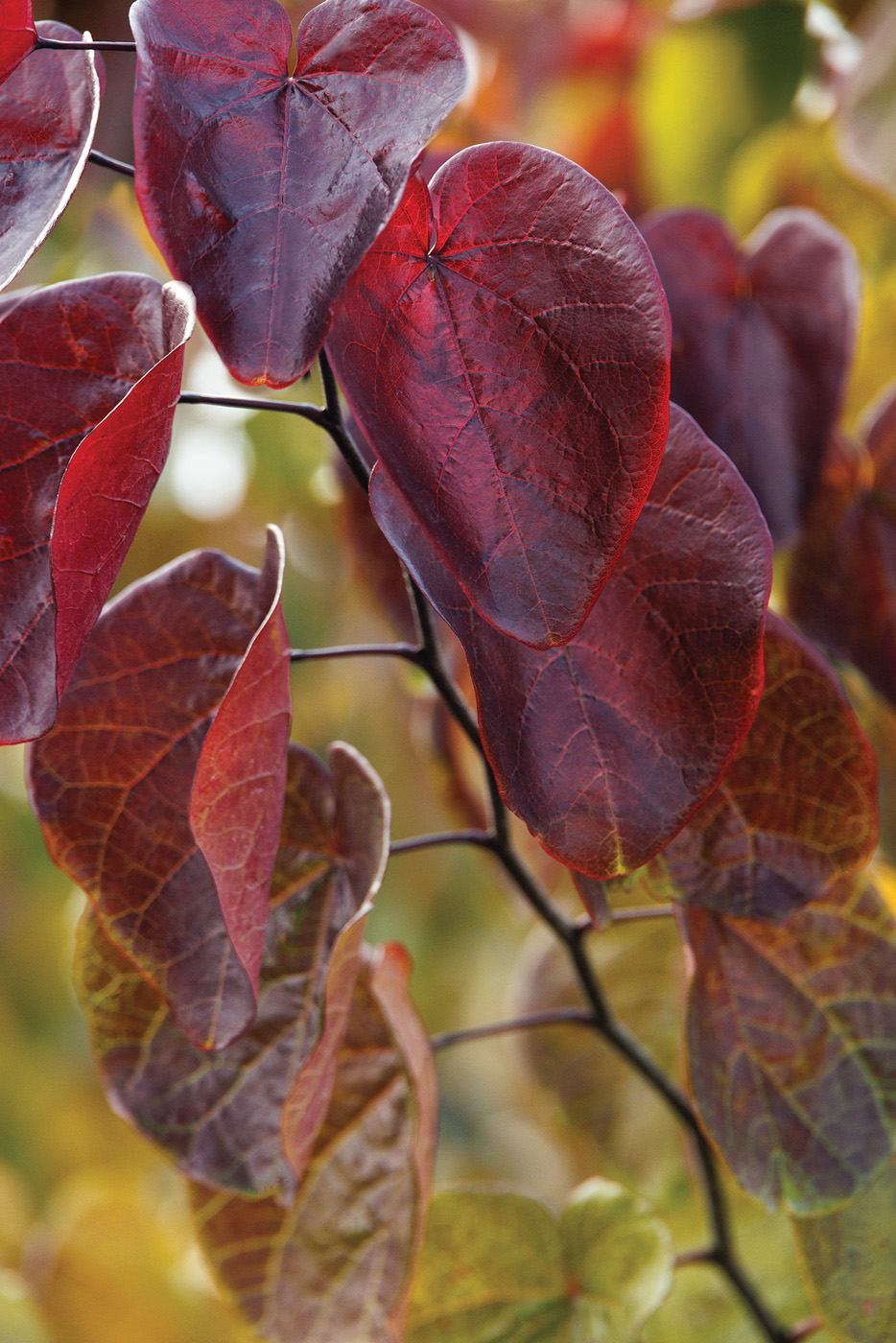
2. ‘Merlot’ Redbud: The Smokebush Successor
The visual impact of dark, purple-hued foliage has long been dominated by the ‘Royal Purple’ smokebush (Cotinus coggygria). While undoubtedly beautiful, the desire for a similar aesthetic with better local adaptation has led designers toward the purple-leaved redbud, specifically the cultivar ‘Merlot’.
Achieving Botanical Majesty
A 10-foot-tall sweep of deep, plum-colored foliage can anchor a landscape, providing a sense of weight and color intensity. ‘Merlot’ achieves this effect through its distinct heart-shaped leaves and multistemmed growth habit. Unlike its parent, ‘Forest Pansy’—which can struggle with excessive heat and intense sun exposure—’Merlot’ demonstrates superior tolerance for high-sun environments, making it a more versatile choice for the modern, warming climate.
Seasonal Dynamics
Beyond its foliage, ‘Merlot’ offers a spectacular spring display of tight, pink blooms that provide early-season nectar. Its ability to maintain its deep color from spring through autumn ensures that the landscape remains visually compelling throughout the growing season, a feat many traditional landscape shrubs fail to achieve without constant pruning or chemical intervention.
3. ‘Ruby Slippers’ Oakleaf Hydrangea: A Sustainable Choice
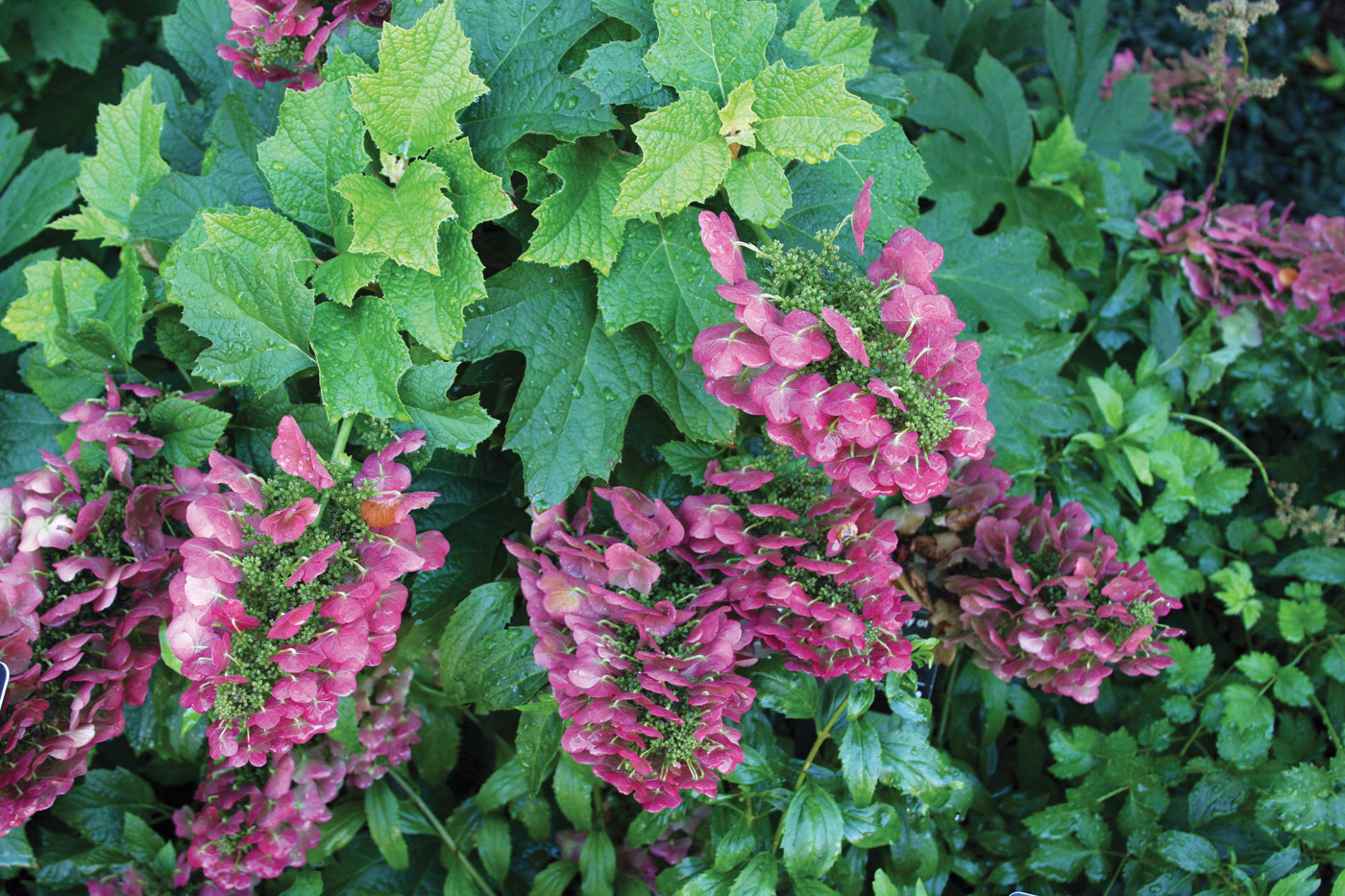
The ubiquity of the Little Lime® panicle hydrangea has made it a standard in residential gardening, largely due to its predictable, lime-green-to-pink color shift. However, as the plant becomes overused, designers are seeking alternatives that offer unique character and regional hardiness. The ‘Ruby Slippers’ oakleaf hydrangea (Hydrangea quercifolia) is the premier candidate for this transition.
From White to Ruby-Red
The transition of ‘Ruby Slippers’ is a masterclass in seasonal beauty. The flowers emerge as a crisp, clean white before deepening into shades of pink and finally, a rich, intense ruby-red. This color progression creates a dynamic backdrop for autumn arrangements, often persisting well into the winter months.
Resilience and Soil Adaptability
Unlike many exotic hydrangeas that require consistent, high-moisture environments, ‘Ruby Slippers’ is a native powerhouse. It is significantly more tolerant of dry soil than its non-native counterparts, making it a more resilient choice for homeowners dealing with variable weather patterns. Furthermore, its fall foliage—a rich, deep burgundy—adds a secondary layer of seasonal interest that few traditional hydrangeas can provide.
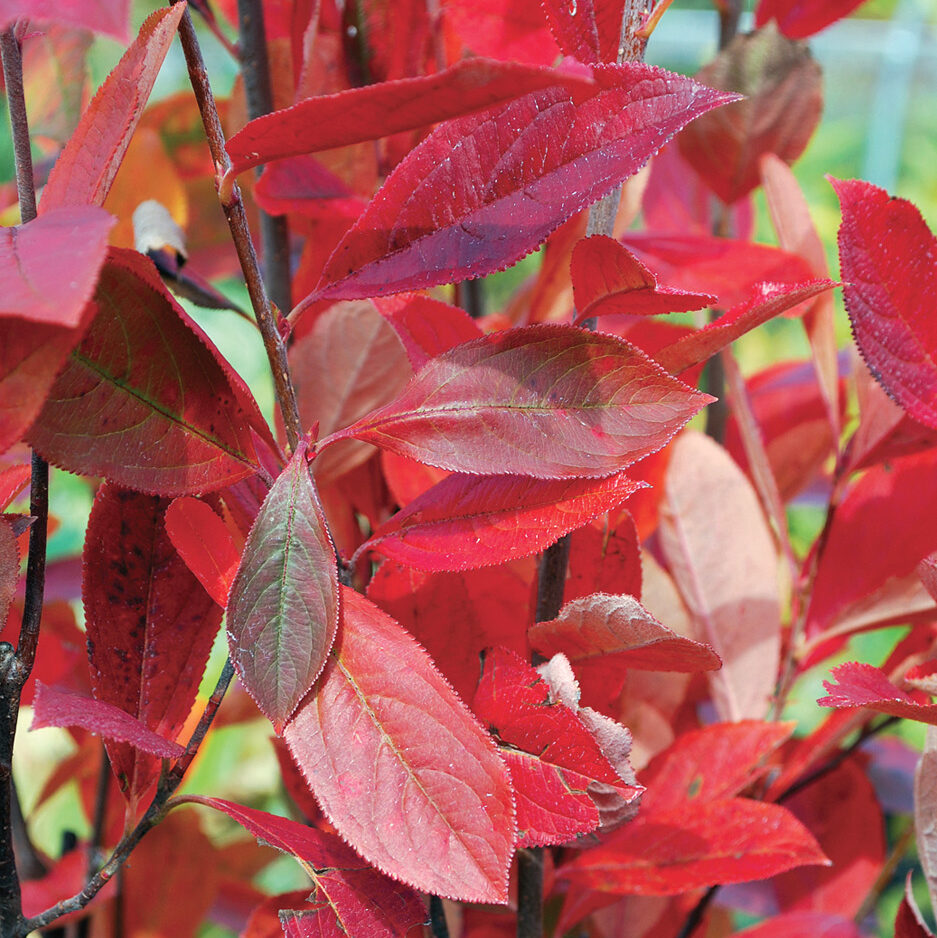
4. ‘Brilliantissima’ Red Chokeberry: Addressing the Burning Bush Problem
Perhaps no plant has been more scrutinized in the native plant movement than the burning bush (Euonymus alatus). Despite being labeled an invasive threat that crowds out native forests across the Eastern United States, it remains a commercial staple due to its low cost and vivid red autumn color.
The Ecological Cost of "Cheap" Color
The burning bush is, in many ways, the "poster child" for the need for better landscape practices. It is now banned or restricted in several states due to its aggressive growth, which displaces native flora and degrades forest health. The reliance on this plant highlights a broader issue: the prioritizing of low-cost, high-impact plants over ecologically sound alternatives.
The Superior Alternative
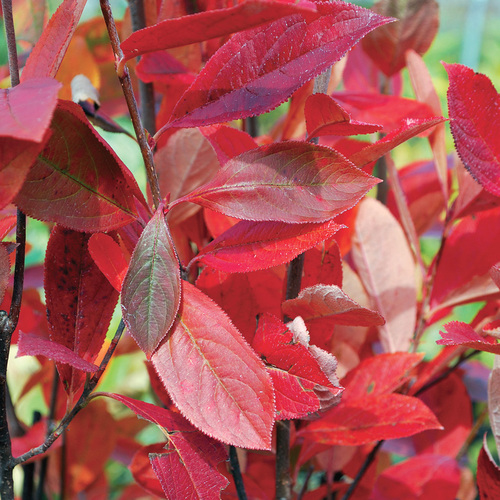
‘Brilliantissima’ red chokeberry (Aronia arbutifolia) provides the same electric scarlet fall color that gardeners crave, but with significant ecological dividends. Its white spring flowers are a vital nectar source for early-season pollinators, and its clusters of glossy, bright red berries remain on the branches into late fall and winter. This creates a critical food source for migratory birds, providing life-sustaining energy during the coldest months of the year.
Implications for Future Gardening
The transition to native-focused landscaping is not merely an aesthetic preference; it is an economic and ecological imperative. As climate patterns become more volatile, native shrubs provide the resilience needed to survive in local conditions with less water, fewer fertilizers, and minimal pesticide use.
The Role of the Professional Designer
For homeowners looking to make the switch, professional consultation can be invaluable. Experts like Caitlin Bird Francke emphasize that the process of "de-landscaping" invasive species is a long-term investment. By prioritizing quality, native selections like the ones discussed above, gardeners contribute to a larger network of support for regional wildlife.
A Call to Action
The shift away from overused perennials and shrubs is gaining momentum. Whether you are replacing a single, invasive burning bush or redesigning an entire backyard, the principles remain the same:
- Prioritize Native Diversity: Choose plants that support local food webs.
- Observe Seasonal Cycles: Select plants that offer interest throughout the year, from spring blooms to winter berries.
- Understand Local Hardiness: Select cultivars that thrive in the specific soil and moisture conditions of the Mid-Atlantic.
By curating landscapes that respect the natural heritage of the region, we can move beyond the "standard" garden and create spaces that are as resilient as they are beautiful. The future of the American garden is not found in the mass-market plants of the past, but in the thoughtfully selected, ecologically vital species that belong in our soil.
Disclaimer: Some common landscape plants, such as Euonymus alatus, are considered invasive. Gardeners are encouraged to check local alerts and state-specific invasive species lists before selecting plants for their property. For those interested in expanding their ecological footprint, further resources on native perennials and sustainable garden practices are available through regional horticultural extensions and botanical organizations.