The Grand Departure: Range Rover’s Electric GT and the Future of JLR
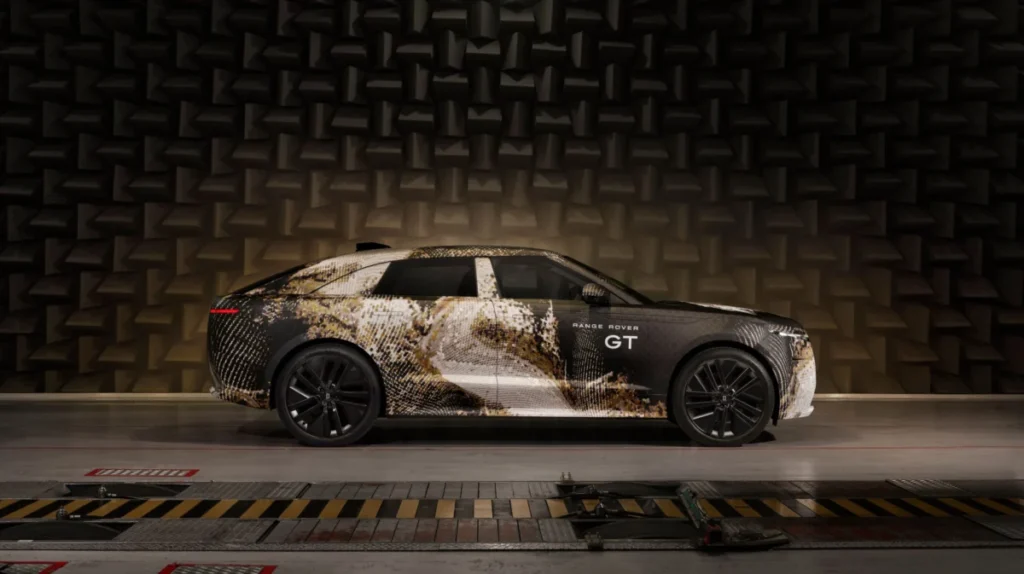
In a bold strategic pivot that challenges the very definition of a "Range Rover," the British luxury manufacturer has officially confirmed the development of its fifth model line: the Range Rover GT. Breaking away from the brand’s traditional high-riding SUV silhouette, this new entrant is an all-electric grand tourer designed to marry high-speed, long-distance luxury with the off-road DNA that has defined the marque for decades.
As the automotive industry undergoes a seismic shift toward electrification, JLR (formerly Jaguar Land Rover) is positioning the GT not merely as a new model, but as a technological flagship for its new Electrified Modular Architecture (EMA). With a scheduled road debut in 2027, the GT represents a radical departure for a brand that has built its reputation on rugged, utilitarian, yet opulent utility vehicles.
Main Facts: A New Chapter for the Marque
The Range Rover GT is built on the EMA platform, a flexible, midsize architecture that will soon underpin a range of electrified vehicles within the JLR portfolio. While the company has released only camouflaged prototype imagery, the silhouette is unmistakable: a sleek, low-slung, coupé-inspired profile that prioritizes aerodynamics and driver engagement over the vertical volume typically associated with the Range Rover family.
Despite the shift in form factor, the company insists the vehicle is a true Range Rover. Martin Limpert, Global Managing Director at Range Rover, described the vehicle as "the most car-like Range Rover ever created," promising that it will retain the brand’s signature all-terrain capability. This claim is, perhaps, the most intriguing aspect of the vehicle’s identity—the promise that a grand tourer can navigate challenging landscapes with the same ease that it cruises at highway speeds.
Inside, the cabin takes a minimalist approach. Eschewing the industry’s recent move back toward tactile, physical switchgear, the Range Rover GT features a clean dashboard dominated by a slim, panoramic driver’s display and a large, floating central infotainment screen. Concealed ventilation systems and hidden speakers—tucked beneath high-quality, sustainable textiles—further emphasize the "less is more" design philosophy.
Chronology of Development and Arrival
The road to the 2027 launch has been a process of intense, behind-the-scenes development. According to internal sources, the company has spent the last several years "obsessively" refining the grand-tourer formula to ensure it fits the Range Rover ethos.

- 2024–2025: JLR finalizes the EMA platform integration and initiates prototype testing. The company begins the transition of its Halewood, UK, manufacturing facility to accommodate the new architecture.
- Late 2025: An anticipated full public unveiling of the production-ready model, expected to coincide with a broader push for JLR’s electrification strategy.
- 2026: Final pre-production testing and supply chain ramp-up.
- 2027: The official market launch. The vehicle is confirmed to arrive as a pure Battery Electric Vehicle (BEV) initially, with potential hybrid variants expected to arrive later in the product lifecycle to cater to diverse global markets.
Supporting Data and Technical Architecture
The architecture behind the Range Rover GT is the cornerstone of JLR’s mid-term strategy. The EMA platform is designed specifically for battery-electric vehicles, offering a flat floor that maximizes interior space—a feature clearly visible in the generous rear legroom shown in early interior previews.
However, it is critical to distinguish the GT’s underpinnings from those of the incoming Jaguar Type 01. While both are grand tourers emerging from the same parent company, they utilize different engineering foundations:
- EMA (Electrified Modular Architecture): The platform for the Range Rover GT. It is a midsize, versatile platform destined for the "Baby Defender," the next-generation Evoque, and the electric Velar successor. It is built at the Halewood plant.
- MLA (Modular Longitudinal Architecture): The platform for the larger Range Rover Electric and the upcoming Jaguar Type 01. This platform is more robust and capable of supporting larger, higher-performance electric powertrains and traditional hybrid systems.
The choice of EMA for the Range Rover GT suggests a focus on agility and efficiency, rather than the raw, massive output often associated with the larger MLA-based SUVs. While technical specifications—such as horsepower, battery capacity, and range—remain strictly under wraps, the industry expects the GT to feature high-density battery packs to support its long-distance touring capabilities.
Official Responses and Strategic Positioning
The existence of two high-end electric grand tourers—the Jaguar Type 01 and the Range Rover GT—launching in the same year from the same parent company has raised eyebrows among industry analysts. When pressed on the potential for internal brand cannibalization, a JLR spokesperson was firm in delineating the two vehicles:
"Range Rover and Jaguar are two very different brands, and the vehicles sold under each are very different propositions. The Jaguar Type 01 is an electric four-door luxury GT, while the Range Rover GT is a new take on the Range Rover formula, the first vehicle to sit on the EMA platform, retaining Range Rover’s all-terrain capability."
Martin Limpert added further context, noting that the GT is intended to "redefine the grand-touring segment" by offering "capabilities no conventional GT can match." By leveraging the word "conventional," Limpert is clearly aiming to distance the Range Rover GT from the more traditional, low-slung, and potentially less versatile grand tourers found in the competitive landscape, such as those from Porsche or Maserati.

Implications for the Automotive Market
The introduction of the Range Rover GT has significant implications for both the JLR group and the wider luxury car market.
1. The Dilution vs. Expansion Debate
Critics may argue that by entering the grand-tourer space, Range Rover risks diluting its identity as the world’s premier SUV brand. Conversely, proponents argue that the luxury market is evolving. Today’s high-net-worth buyers prioritize "effortless performance" and "long-haul refinement" over the ability to climb a mountain. By evolving into the GT space, Range Rover is effectively following its customers into a more urbanized, high-speed reality.
2. The Internal Rivalry
The most pressing question remains the "Jaguar vs. Range Rover" overlap. If the price points of the Jaguar Type 01 and the Range Rover GT converge, JLR will be forcing its own dealers to manage a delicate balancing act. Jaguar is currently undergoing a massive "reset," aiming to become an ultra-luxury, electric-only brand. If the Range Rover GT enters the market with a similar focus on performance and luxury, it could create a "friendly fire" scenario where the two brands compete for the same tech-savvy, affluent buyer.
3. The Shift in Design Language
The interior of the GT—characterized by its reliance on screens and the omission of physical buttons—marks a significant departure from the trend currently sweeping the industry. As brands like Hyundai, Volkswagen, and even luxury stalwarts like Mercedes-Benz begin to reintroduce physical knobs and buttons due to customer feedback, Range Rover’s commitment to a "pure," button-less interface is a bold, high-stakes bet on the future of user interface design.
Conclusion
The 2027 launch of the Range Rover GT will serve as a litmus test for JLR’s multi-brand strategy. By attempting to bridge the gap between high-performance touring and traditional Range Rover off-road heritage, the company is attempting to create a new niche entirely.
Whether the market will accept an all-electric, low-slung Range Rover that claims to be as comfortable on a muddy trail as it is on the Autobahn remains to be seen. However, one thing is certain: with the GT, Range Rover is signaling that its future is not just about staying on the road, but about defining how we travel it. As the countdown to 2027 begins, all eyes will be on the Halewood plant to see if the "most car-like Range Rover" can truly live up to the expectations of a brand that has always defined itself by being "above" the rest.