The Silent Carcinogen in Your Lunchbox: Unpacking the Risks of Processed Meats
For many, the aroma of sizzling bacon, the convenience of a ham sandwich, or the comforting familiarity of a hot dog on the grill are hallmarks of everyday life. Yet, beneath this seemingly innocuous culinary landscape lies a stark reality: processed meats are unequivocally linked to cancer, posing a significant public health challenge that remains largely unaddressed in daily consumption patterns and official dietary guidance. This article delves into the scientific consensus, the ongoing controversy, and the profound implications of including foods like bacon, ham, hot dogs, sausage, and lunch meat in our diets.
The Unsettling Truth: Main Facts on Processed Meat and Cancer
In 2018, a pivotal moment in public health occurred when the International Agency for Research on Cancer (IARC), the esteemed cancer research arm of the World Health Organization (WHO), published a landmark report. This report unequivocally classified processed meat as a Group 1 carcinogen, placing it in the same category as substances like asbestos, tobacco, and mustard gas – agents for which there is sufficient evidence of carcinogenicity in humans. This declaration was not merely a warning; it was a scientific conclusion drawn from a comprehensive review of hundreds of studies.
The director of the IARC succinctly summarized the findings, stating that they "further support current public health recommendations to limit intake of meat." This pronouncement immediately ignited a firestorm of debate, with critics questioning the logic of equating a bacon sandwich with known deadly substances like asbestos. However, as the IARC clarified, its classification system relates to the strength of evidence that an agent causes cancer, not the level of danger or the amount of cancer it causes. While both plutonium and a pastrami sandwich might be Group 1 carcinogens, signifying they are known to cause cancer in people, the immediate danger and dose-response are vastly different. The critical takeaway remains: processed meats are definitively known to cause cancer in humans.
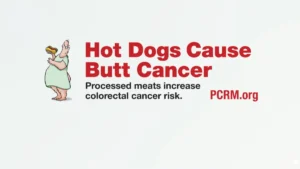
Specifically, the IARC report highlighted the strong link between processed meat consumption and colorectal cancer, which stands as the second leading cause of cancer death for men and women combined in the United States, surpassed only by lung cancer. This means that for non-smokers, colorectal cancer often represents the greatest cancer nemesis. The core of the IARC’s finding was a quantifiable risk: consuming just 50 grams of processed meat daily increases an individual’s relative risk of colorectal cancer by 18%. This seemingly small figure carries profound implications for individual health and public health at large, suggesting that a simple dietary tweak could avert thousands of cancer diagnoses annually.
A Timeline of Growing Concern: From Suspicion to Scientific Consensus
The journey to the IARC’s definitive classification was not sudden but rather a culmination of decades of research and growing scientific suspicion regarding the health impacts of processed meats.
Early Warning Signs (Pre-2000s): For many years, nutritional science grappled with the complex interplay between diet and disease. Early epidemiological studies began to hint at correlations between high consumption of red and processed meats and an increased incidence of various cancers, particularly those of the gastrointestinal tract. Researchers theorized about potential mechanisms, including the role of nitrates and nitrites (used as preservatives and color enhancers), which can form carcinogenic N-nitroso compounds in the human body. Heme iron, abundant in red meat, and high-temperature cooking methods that produce heterocyclic amines (HCAs) and polycyclic aromatic hydrocarbons (PAHs), were also identified as potential contributors to cancer risk. However, direct causation was difficult to establish conclusively, and dietary advice remained cautious, often focusing on moderation.
Mounting Evidence and Calls for Review (2000s-2010s): As research methodologies became more sophisticated, large-scale prospective cohort studies began to provide more robust evidence. Studies involving hundreds of thousands of participants over many years consistently showed a positive association between processed meat intake and colorectal cancer risk. The consistency of these findings across diverse populations and methodologies strengthened the scientific community’s conviction that this was not merely a coincidence but a causal relationship. Public health bodies and scientific organizations began to issue preliminary warnings, encouraging reduced consumption, but a unified, globally recognized classification was still pending. The need for a comprehensive, expert-driven review became increasingly apparent to consolidate the vast body of existing evidence.
The Landmark IARC Classification (2018): This period marked the definitive shift from suspicion to certainty. The IARC, known for its meticulous and independent evaluations, convened an international working group of 22 experts from 10 countries. This panel undertook a systematic review of over 800 epidemiological studies published since 1990, alongside mechanistic studies exploring how processed meats might cause cancer. The process was rigorous, transparent, and exhaustive, involving a thorough assessment of human epidemiological evidence and supporting mechanistic data.
The outcome was the classification of processed meat as "carcinogenic to humans" (Group 1). This designation was not made lightly. It signified that there was "sufficient evidence" that processed meat causes colorectal cancer. This meant that a causal relationship between the consumption of processed meat and colorectal cancer had been established, based on consistent associations observed in a large number of high-quality studies. The report explicitly defined processed meat as meat that has been transformed through salting, curing, fermentation, smoking, or other processes to enhance flavor or improve preservation. This includes familiar items like bacon, ham, sausages, hot dogs, corned beef, and various deli meats. The IARC’s 2018 report served as a clarion call, moving processed meat from a subject of dietary caution to a confirmed public health hazard.
Post-IARC Reinforcement: Following the IARC’s classification, the scientific community largely reinforced its findings. While the initial media reaction focused on the "asbestos comparison," health organizations around the world reiterated the importance of reducing processed meat consumption. Further research continued to explore the dose-response relationship, the specific mechanisms of carcinogenicity, and the broader health impacts beyond colorectal cancer, solidifying the IARC’s initial assessment. The classification spurred ongoing dialogue and research into effective public health interventions.
The Science Unpacked: Supporting Data and Quantified Risks
The scientific evidence linking processed meat to colorectal cancer is robust and multifaceted, extending beyond the headline-grabbing Group 1 classification to reveal quantifiable risks and broader health implications.
Quantifying the Colorectal Cancer Risk:
The IARC’s report highlighted that for every 50 grams of processed meat consumed daily, the relative risk of colorectal cancer increases by 18%. To put this into perspective:
- What is 50 grams? This is roughly equivalent to one standard hot dog, two breakfast sausage links, two slices of Canadian bacon, or two slices of ham. Therefore, a daily sandwich containing just one or two slices of bologna could elevate an individual’s colorectal cancer risk by 18%. For those who consume larger portions, such as a half-pound pastrami on rye, the risk escalation is far more substantial, potentially bumping it up by as much as 80%.
Relative vs. Absolute Risk: Demystifying the Numbers:
The "18% increased risk" can sound alarming, yet it’s crucial to understand the distinction between relative and absolute risk.
- Absolute Risk: The overall probability of an event occurring. The lifetime risk of developing colorectal cancer for an average person is approximately 5% (or 1 in 20).
- Relative Risk: The ratio of the risk in an exposed group to the risk in an unexposed group.
- If your baseline absolute risk is 5%, an 18% relative increase means your absolute risk would rise from 5% to approximately 6% (5% * 1.18 = 5.9%).
While a jump from 5% to 6% might seem small on an individual level, its implications at a population scale are immense.
- If your baseline absolute risk is 5%, an 18% relative increase means your absolute risk would rise from 5% to approximately 6% (5% * 1.18 = 5.9%).
Population-Level Impact:
An 18% reduction in the risk of colorectal cancer, achieved by eliminating a daily serving of processed meat across the U.S. population, could translate to approximately 25,000 fewer cases of colorectal cancer every single year. This means 25,000 fewer families grappling with a devastating diagnosis, the arduous journey of treatment, and the potential loss of life. Such a reduction is not trivial; it represents a profound public health victory achievable through relatively simple dietary changes, such as swapping a daily bologna sandwich for hummus or choosing veggie dogs.
Mechanisms of Carcinogenicity:
The scientific consensus on how processed meats cause cancer points to several key factors:
- N-nitroso Compounds (NOCs): Nitrates and nitrites, used as curing agents, can react with amines in meat during processing, cooking, or digestion in the gut to form NOCs, potent carcinogens.
- Heme Iron: The iron-containing pigment in red meat, heme iron, can promote the formation of NOCs and also induce oxidative stress, leading to DNA damage in the colon.
- High-Temperature Cooking: Frying, grilling, or barbecuing processed meats at high temperatures can create carcinogenic compounds like heterocyclic amines (HCAs) and polycyclic aromatic hydrocarbons (PAHs).
- Other Additives: Some studies suggest that other preservatives and additives in processed meats might also contribute to their carcinogenic potential.
Beyond Colorectal Cancer: A Broader Health Crisis:
While colorectal cancer is the most firmly established link, the detrimental health impacts of processed meat extend far beyond this single disease. Research indicates a much wider array of health problems:

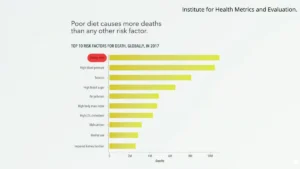
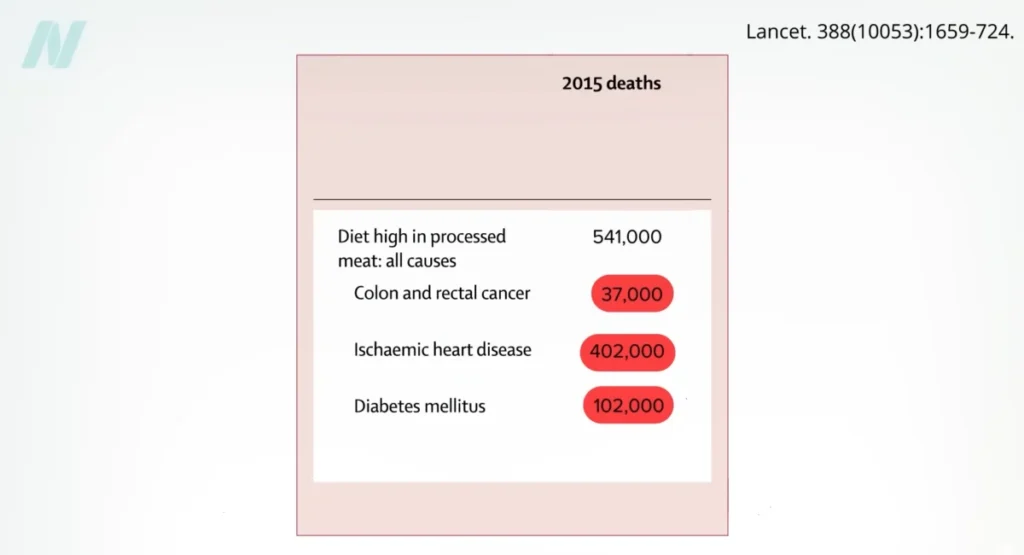
- Cardiovascular Disease: Processed meats are typically high in sodium, saturated fat, and cholesterol, all known contributors to heart disease. The Global Burden of Disease studies, often cited by the meat industry to downplay cancer risks, reveal approximately 400,000 deaths attributable to heart disease linked to higher processed meat intake.
- Type 2 Diabetes: The high sodium content, preservatives, and potential for inflammation from processed meats are also implicated in the development of Type 2 Diabetes, accounting for an estimated 100,000 deaths annually.
- Other Cancers: Emerging research, published since the IARC decision, suggests that processed meat may also increase the risk of other cancers, including prostate cancer, breast cancer, and pancreatic cancer. While these links may not yet carry the same "sufficient evidence" as colorectal cancer, the consistent pattern across various cancer types is concerning and warrants further investigation.
When these broader health impacts are aggregated, the total number of deaths attributable to processed meat consumption could approach half a million annually, encompassing colorectal cancer, heart disease, and diabetes. This paints a far more comprehensive and alarming picture than focusing solely on cancer statistics.
The Second-Hand Smoke Analogy: A Powerful Parallel:
To underscore the significance of an 18% increased risk, a powerful comparison can be drawn to another well-understood public health hazard: second-hand smoke. According to the U.S. Surgeon General, living with a smoker increases an individual’s risk of lung cancer by 15%. This means that breathing second-hand smoke day in and day out increases the risk of lung cancer almost as much as eating a daily serving of processed meat increases the risk of colorectal cancer. This comparison, once considered hyperbolic, highlights the substantial, yet often underestimated, danger posed by processed meats in our daily diets. Just as we strive to protect children from second-hand smoke, the question arises: why would we send them to school with a bologna sandwich, knowing its carcinogenic potential?
Navigating the Landscape: Official Responses and Industry Pushback
The IARC’s classification of processed meat as a Group 1 carcinogen sparked a predictable array of responses from various stakeholders, ranging from outright denial and strategic obfuscation by the industry to slow-moving policy adjustments and a glaring lack of communication from the medical community.
The Meat Industry’s Stance:
Immediately following the IARC announcement, the meat industry launched a vigorous defense, often echoing tactics seen from the tobacco industry in previous decades. Their primary arguments centered on:
- Questioning the Comparison: They vehemently disputed placing processed meat in the same category as asbestos or tobacco, arguing that such comparisons were misleading and designed to incite "meat terrorism." They emphasized the nuance that Group 1 classification denotes the strength of evidence for carcinogenicity, not the level of risk.
- Highlighting "Benefits": The industry often pivots to discussing the purported benefits of processed meat, such as convenience, affordability, and protein content, implicitly suggesting these outweigh the risks. They argue that a balanced diet can accommodate processed meats and that demonizing an entire food group is unhelpful.
- Economic Impact: Underlying much of the industry’s response is the significant economic impact of any widespread reduction in processed meat consumption, influencing their lobbying efforts and public relations strategies.
This stance, characterized by a blend of scientific nitpicking and an emphasis on consumer choice and convenience, has contributed to public confusion and a reluctance to alter long-standing dietary habits.
Governmental and Regulatory Bodies: A Slow Response:
Despite the clear scientific consensus from a leading WHO agency, governmental and regulatory bodies, particularly in the United States, have been slow to incorporate these findings into official dietary guidance.
- U.S. Dietary Guidelines for Americans: Critically, the U.S. Dietary Guidelines for Americans, which are updated every five years and serve as the cornerstone of national nutrition policy, have conspicuously avoided an explicit and science-based statement on processed meat as a carcinogen. The scientific committee responsible for the 2020 guidelines, for instance, made no such recommendation to explicitly warn against processed meats. This omission is significant, as these guidelines inform public health campaigns, school meal programs, and medical advice. Without clear guidance from the top, public awareness remains limited, and dietary habits are unlikely to shift.
- Challenges in Policy Implementation: The reasons for this slow adoption are complex, involving political pressures, economic considerations (lobbying from the meat industry), and the inherent difficulty in changing deeply ingrained cultural eating habits. Communicating nuanced scientific risks to a broad public also presents a challenge, especially when pitted against well-funded industry campaigns.
The Medical Community’s Missed Opportunity:
Perhaps one of the most disheartening findings is the gap within the medical community regarding nutrition education and counseling. Research shows that "70% of cancer patients have never received nutrition advice from their [medical] providers during or after treatment." This statistic is staggering, implying that even those who have received a life-altering cancer diagnosis are often not guided toward lifestyle changes that could improve their prognosis or prevent recurrence.
- Lack of Training: Many medical schools offer limited nutrition education, leaving healthcare providers feeling ill-equipped to provide comprehensive dietary advice.
- Time Constraints: Busy clinical schedules often prioritize immediate treatment over preventative or supportive lifestyle counseling.
- Perceived Patient Resistance: Some providers may believe patients are unwilling to change their diets, leading to a reluctance to initiate such conversations.
This systemic failure means that a critical opportunity to empower individuals with actionable information to mitigate cancer risk and improve overall health is often missed, both in prevention and post-diagnosis care.
Public Perception and Consumption Trends:
Despite growing public health concerns, research indicates a troubling trend: "there have been no changes in the amount of processed meat consumed by US adults over the last 18 years." This inertia can be attributed to several factors:
- Lack of Awareness: Many consumers remain unaware of the definitive link between processed meat and cancer, or they dismiss it due to conflicting information or industry messaging.
- Convenience and Cost: Processed meats are often affordable, readily available, and incredibly convenient for busy lifestyles, making them staples in many households.
- Cultural Habits: These foods are deeply embedded in Western diets and cultural traditions, making them difficult to relinquish.
The combined effect of industry obfuscation, governmental inaction, and a lack of consistent medical guidance creates an environment where public health messages struggle to penetrate, leading to persistent high consumption of known carcinogens.
Implications: Charting a Healthier Future
The scientific consensus on processed meat demands a proactive response across multiple fronts, from policy and industry innovation to individual dietary choices, to safeguard public health.
Policy and Public Health Imperatives:
The current slow pace of policy adoption stands in stark contrast to the urgency of the public health threat.
- Clearer Dietary Guidelines: There is an undeniable need for the U.S. Dietary Guidelines for Americans, and similar guidelines globally, to publish an "explicit and science-based statement on processed meat," clearly identifying it as a carcinogen and recommending its severe limitation or avoidance. Such a statement would provide the necessary authority for widespread public health campaigns and educational initiatives.
- Targeted Public Health Campaigns: Governments and health organizations must invest in robust, clear, and consistent public health campaigns to educate the public about the risks of processed meats, similar to successful anti-smoking campaigns. These campaigns should focus on both the relative and absolute risks, providing practical alternatives.
- School Meal Reform: Leading the way, New York City has implemented legislation to ban processed meats from school meals. This proactive measure exemplifies a critical public health action: protecting vulnerable populations, especially children, from known carcinogens. This "what a concept!" approach should be adopted nationwide, ensuring that institutional food services prioritize health over convenience. Children’s developing bodies are particularly susceptible to environmental carcinogens, making early exposure prevention paramount.
- Healthcare Provider Education: Integrating comprehensive nutrition education into medical curricula and continuing medical education is essential. Equipping healthcare providers with the knowledge and resources to offer evidence-based dietary advice to their patients, both for prevention and post-diagnosis care, could significantly impact health outcomes. It’s truly "blowing away" that 70% of cancer patients receive no such guidance.
Industry Responsibility and Innovation:
While the meat industry has historically resisted strong warnings, there’s a growing recognition that consumer demands and public health concerns will eventually necessitate change.
- Reformulation Challenges: The industry is exploring ways to reformulate products, for example, by adding fiber to hot dogs to "counterbalance" the cancer risk or altering processing methods to reduce the formation of carcinogens. This approach, while seemingly proactive, raises questions about its effectiveness and whether it truly addresses the root problem or merely attempts to mitigate the adverse effects of an inherently problematic product. It’s akin to the pharmaceutical industry prescribing an additional drug to counteract the side effects of another. While it may reduce the "cancer load," a more fundamental shift in product composition or consumption patterns might be more beneficial.
- Ethical Considerations: The "continued obfuscation of the issue by the meat industry—they learned well from the tobacco merchants—" underscores the ethical imperative for transparency and responsibility. Industry efforts should focus on genuine health improvements, not just maintaining market share while minimizing perceived risks.
Empowering Individual Choices:
Ultimately, informed individual choices are crucial. Consumers, armed with scientific knowledge, can significantly reduce their personal risk.
- Embracing Alternatives: Swapping processed meats for healthier alternatives is a simple yet powerful step. Instead of bologna or ham, opt for plant-based proteins like hummus, avocado, grilled vegetables, or lean, unprocessed poultry or fish. For those accustomed to hot dogs, readily available veggie dogs offer a viable, safer substitute.
- Reading Labels: Becoming a more discerning consumer means understanding ingredients and nutritional information. Being aware of nitrates, nitrites, and high sodium content can guide healthier choices.
- Prioritizing Whole Foods: A diet rich in whole, unprocessed foods, including fruits, vegetables, whole grains, and legumes, naturally minimizes exposure to carcinogens found in processed items and provides protective nutrients.
The science is clear: processed meats are a known carcinogen, and their regular consumption contributes to a significant burden of disease, including colorectal cancer, heart disease, and diabetes. The analogy to second-hand smoke should serve as a powerful wake-up call. While the meat industry continues its efforts to reformulate or downplay risks, the onus is on policymakers to provide clear guidance, medical professionals to educate their patients, and individuals to make informed choices for their own health and the health of their families. By embracing a future with less processed meat, we can collectively work towards a healthier society, significantly reducing the incidence of preventable diseases and saving countless lives.