America’s Silent Nutritional Crisis: A Nation Out of Balance
Washington D.C. – A staggering and largely unrecognized health crisis is gripping the United States, with profound implications for the nation’s well-being and longevity. Despite widespread awareness campaigns about healthy living, an alarming 99.99% of Americans are failing to meet the minimum recommended potassium intake while simultaneously exceeding recommended sodium levels. This dual imbalance, deeply rooted in modern dietary habits, represents a critical public health failure, contributing significantly more to disease and disability than physical inactivity.
The statistics are stark: virtually every American is consuming far too much sodium – often double, or even quadruple, what our bodies naturally evolved to handle – while simultaneously ingesting drastically insufficient potassium, a vital mineral that serves as a crucial counterbalance to sodium. This pervasive nutritional disequilibrium is not merely a minor health concern; it is a leading driver of chronic disease, shaving hundreds of millions of disability-free years off people’s lives globally each year.
The Silent Epidemic: A Dual Nutritional Crisis
The human body is a finely tuned machine, optimized over millennia to thrive on a diet rich in whole, unprocessed foods. However, the advent of industrialized food systems has fundamentally altered our nutritional landscape, creating an "evolutionary mismatch" that our physiology struggles to contend with. The core of this crisis lies in the ubiquitous presence of sodium and the scarcity of potassium in the modern American diet.
Sodium: The Ubiquitous Threat
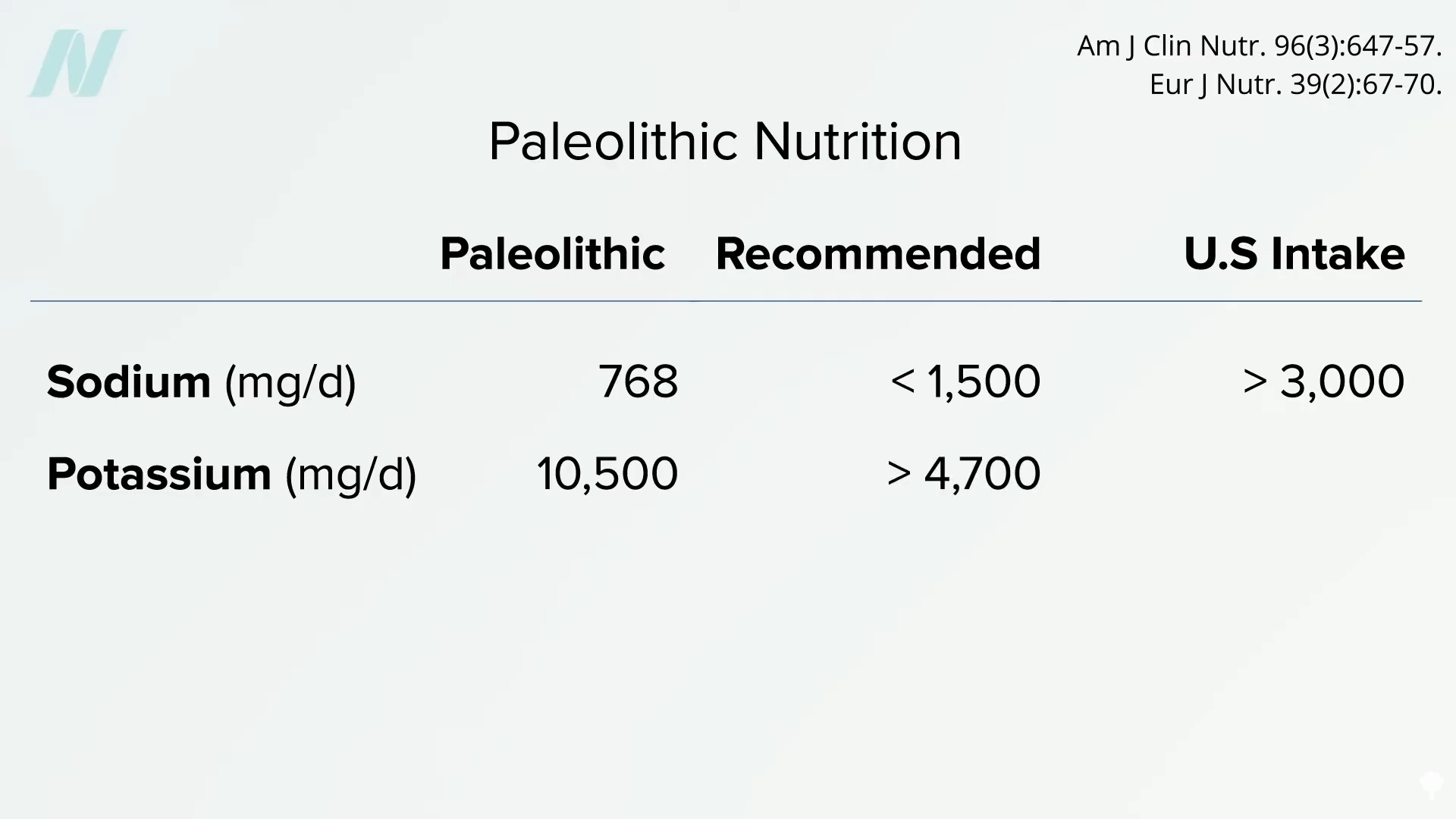
Sodium, primarily consumed as salt (sodium chloride), is an essential electrolyte, but in excess, it becomes a potent toxin. Our ancestral diets, composed largely of fresh produce, lean meats, and minimal processed foods, provided approximately 750 milligrams of sodium per day. This is the physiological baseline our bodies are equipped to handle. Today, the average American’s intake far surpasses this, often reaching more than four times that natural amount. The American Heart Association (AHA) recommends an upper limit of 1,500 mg per day for most adults, yet a staggering 98.8% of Americans exceed this recommendation—a figure reported more than a decade ago and which has only worsened since.
The consequences of this chronic sodium overload are devastating and far-reaching. High sodium intake is directly linked to elevated blood pressure, a primary risk factor for heart disease, stroke, and kidney disease. It also significantly increases the risk of stomach cancer. Beyond these well-known effects, emerging research highlights sodium’s role in exacerbating inflammatory conditions. For instance, studies have shown a three-to-four-fold increase in disease activity in multiple sclerosis (MS) patients with medium or high sodium intakes compared to those consuming less than a teaspoon of salt daily. Similar correlations have been observed in other autoimmune diseases like lupus, where higher sodium levels are found in affected tissues.
Moreover, the mechanism by which excess salt wreaks havoc extends to our internal ecosystems. Research suggests that high sodium levels can damage the gut microbiome, the delicate balance of friendly bacteria crucial for digestion, immunity, and overall health. This intricate interplay underscores that the problem isn’t just about individual nutrients but the complex web of bodily functions they influence.
Potassium: The Missing Mineral
Conversely, potassium, another essential electrolyte, is critically deficient in the American diet. While sodium raises blood pressure, potassium actively lowers it, playing a vital role in maintaining fluid balance, nerve signals, and muscle contractions. Our ancestors consumed vast amounts of potassium, likely exceeding 10,000 mg per day, from their diet rich in fruits, vegetables, and other plant-based foods. Current recommendations suggest at least half that amount, yet less than 2% of U.S. adults consume the recommended daily minimum intake. This means over 98% of Americans are eating potassium-deficient diets.
The deficiency is particularly striking when juxtaposed with our evolutionary heritage. Modern dietary patterns, characterized by an abundance of processed foods and a scarcity of fresh produce, have created a drastic imbalance. The optimal sodium-to-potassium ratio is crucial for cardiovascular health, and the current imbalance—high sodium, low potassium—is a recipe for chronic disease.

When these two critical guidelines are considered together, the picture becomes even more dire: fewer than 0.015% of people in the United States meet both the recommended sodium and potassium intake goals. That translates to a staggering 99.99% non-compliance, meaning only about 1 in 6,000 Americans achieves this fundamental nutritional balance.
The Broader Dietary Landscape: Beyond Salt and Sweet
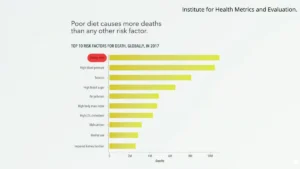
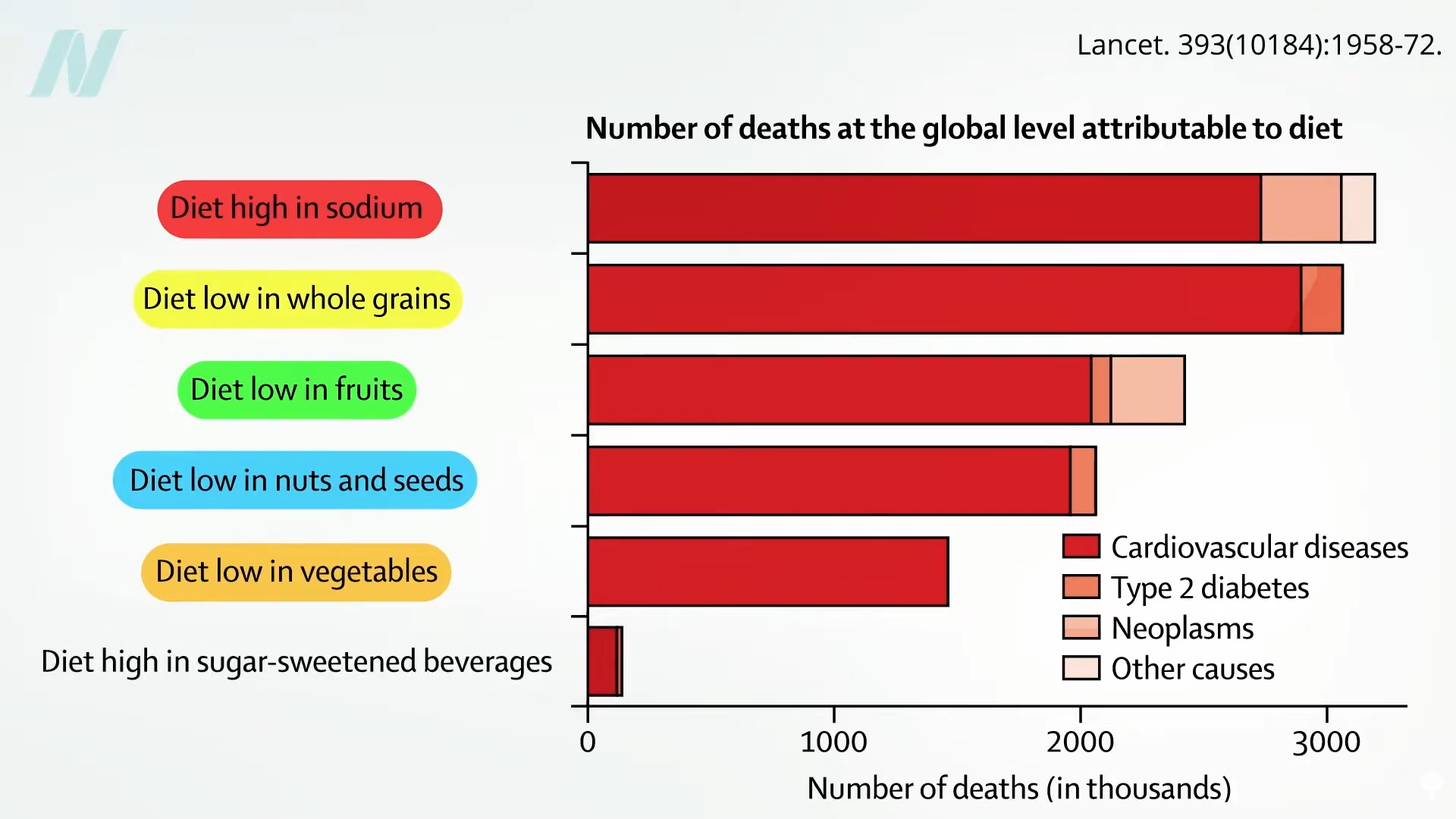
While sodium is identified as the single most fatal dietary flaw, its pervasive negative impact is often compounded by a broader pattern of unhealthy eating. According to comprehensive global studies, four out of the five deadliest dietary traps involve not eating enough of certain crucial foods.
The Power of Whole Foods: A Foundation for Health
The missing elements in our diets are not exotic superfoods but fundamental staples:
- Whole Grains: Rich in fiber, essential vitamins, and minerals, whole grains like oats, brown rice, and quinoa contribute to digestive health, stable blood sugar, and reduced risk of heart disease. Their deficiency leaves a significant nutritional gap.
- Fruits: Packed with vitamins, antioxidants, and fiber, fruits are vital for immune function, cellular repair, and disease prevention. Their low consumption deprives the body of critical protective compounds.
- Nuts and Seeds: These small powerhouses offer healthy fats, protein, fiber, and a wide array of micronutrients. They are crucial for heart health, satiety, and reducing inflammation.
- Vegetables: The cornerstone of any healthy diet, vegetables provide an unparalleled spectrum of vitamins, minerals, fiber, and phytochemicals essential for virtually every bodily function. Their underconsumption is perhaps the most significant oversight in modern eating patterns.
These deficiencies collectively contribute to a chronic state of malnutrition, leaving the body vulnerable to disease. While the focus often falls on what we shouldn’t eat, the data overwhelmingly suggests that the problem is equally, if not more, about what we aren’t eating enough of.
Beyond Individual Nutrients: The Synergy of a Healthy Diet
The profound impact of diet extends far beyond individual nutrient deficiencies. Unhealthy eating patterns account for nearly 20 times more years of healthy life lost globally than physical inactivity. This highlights a critical truth: while exercise is undoubtedly beneficial, what we put into our bodies holds a far greater sway over our health destiny. The synergy of whole, unprocessed foods—abundant in potassium, fiber, and protective compounds, and naturally low in sodium—is what truly underpins long-term health and disease prevention.
Chronology of Warnings and Recommendations
The scientific community and public health organizations have long recognized the detrimental effects of excessive sodium and insufficient potassium. The call for dietary change is not new, but its urgency has intensified with accumulating evidence.
A Decades-Long Battle: Public Health Calls to Action
For decades, health authorities have issued warnings about sodium intake. A former commissioner of the U.S. Food and Drug Administration (FDA) unequivocally stated, "There remains no single more effective public health action related to nutrition than the reduction of sodium in the diet." This sentiment is echoed by national and international health organizations, which have advocated for proactive measures such as warning labels on salt packets and shakers. Proposed messages include clear advisories: "Too much sodium in the diet causes high blood pressure and increases risk of stomach cancer, stroke, heart disease, and kidney disease. Limit your use." Such warnings aim to elevate public awareness to a level comparable with campaigns against tobacco, recognizing the profound societal cost of dietary neglect.
The Evolutionary Mismatch: Our Bodies vs. Modern Diets
The current dietary predicament is a stark departure from human evolutionary history. For millions of years, our ancestors consumed a diet primarily composed of plant-based foods and wild game. This diet was naturally rich in potassium and fiber, and remarkably low in sodium. Our kidneys, hormones, and entire physiological systems evolved to efficiently conserve sodium and excrete potassium. Modern diets, dominated by processed, packaged, and restaurant foods, invert this natural balance, forcing our bodies into a constant state of sodium overload and potassium deficit, for which they were never designed. This fundamental mismatch is at the heart of many chronic diseases prevalent today.
Supporting Data: The Science Behind the Scrutiny
The conclusions drawn about sodium and potassium are not based on conjecture but on a robust body of scientific evidence accumulated over many years.
Clinical Trials and Observational Studies: Undeniable Links
The link between salt and high blood pressure, for instance, is not merely correlational but causal. More than a hundred randomized controlled trials—the gold standard of scientific research—have definitively demonstrated that reducing added salt intake leads to a measurable fall in blood pressure, with greater reductions seen with stricter salt restriction. This direct cause-and-effect relationship underscores the power of dietary modification.
Beyond blood pressure, the role of diet in inflammation is increasingly understood. Observational studies have consistently linked higher sodium levels to increased inflammatory markers and exacerbated disease activity in autoimmune conditions. The presence of elevated sodium in the spinal cord of MS patients, correlating with decreased structural integrity, provides a tangible example of this inflammatory damage at a tissue level.
The data further reveals that the source of sodium is often problematic in itself. Sodium is overwhelmingly found in "crappy foods"—highly processed items laden with unhealthy fats, refined sugars, and artificial additives. This makes it challenging to disentangle whether increased salt intake is merely a marker for an overall poor diet or a primary driver of disease. However, the direct evidence from controlled trials on blood pressure confirms salt’s independent harmful effects.
The Deadly Traps: Quantifying Dietary Risks
A comprehensive analysis of dietary risks globally highlights the hierarchy of "deadly traps." While often sensationalized, factors like diets too high in soda, for example, pale in comparison to the risk posed by excessive salt. The data indicates that too much salt is about 15 times deadlier than diets excessively high in sugary beverages. This perspective is crucial for prioritizing public health interventions and individual dietary choices. The image provided (likely showing a graph of dietary risk factors) visually reinforces this hierarchy, underscoring the dominant role of sodium and the underconsumption of whole plant foods.
Official Responses and Policy Implications
Given the overwhelming evidence, the question is not if we should act, but how effectively. The current state of non-compliance with dietary guidelines demands a robust and multi-faceted response.
Warning Labels and Policy Debates: Shifting the Narrative
The call for warning labels on salt products reflects a growing consensus that voluntary industry changes are insufficient. Similar to the successful public health campaigns against tobacco, clear, visible warnings could dramatically shift consumer behavior by making the health risks explicit and unavoidable. However, implementing such policies faces significant hurdles, including resistance from the food industry and debates over individual liberty versus public health mandates. Yet, the sheer scale of the health crisis, with nearly every American failing to meet basic nutritional standards, suggests that more aggressive policy interventions may be necessary.
Rethinking Dietary Guidelines: A Call for Greater Urgency
The existing dietary guidelines, while scientifically sound, are clearly not translating into widespread behavioral change. The fact that fewer than 0.015% of the population meets the combined sodium and potassium recommendations highlights a profound disconnect. This necessitates a re-evaluation of how these guidelines are communicated, promoted, and integrated into the broader food environment. It also underscores the need for policies that make healthy, whole foods more accessible and affordable, while simultaneously making unhealthy, high-sodium processed foods less attractive.
Implications for Public Health and Individual Action
The implications of America’s widespread sodium excess and potassium deficiency are staggering, contributing to a substantial burden of preventable disease and premature mortality. Addressing this crisis requires a concerted effort from individuals, healthcare providers, and policymakers.
The Path Forward: A Call for Dietary Transformation
For individuals, the path forward involves a conscious and sustained effort to re-align dietary habits with our evolutionary design. This means prioritizing whole, unprocessed foods—a diet naturally rich in potassium from fruits, vegetables, beans, and whole grains, and inherently low in sodium. Cooking at home allows for greater control over salt content, minimizing reliance on processed and restaurant foods, which are notorious for their hidden sodium.
The image depicting recommended potassium intake versus actual intake (likely showing a vast deficit) serves as a powerful visual reminder of the fundamental shift required. It’s not just about cutting out salt, but actively adding potassium-rich foods.
Exploring Alternatives: The Promise of Potassium-Based Salt Substitutes
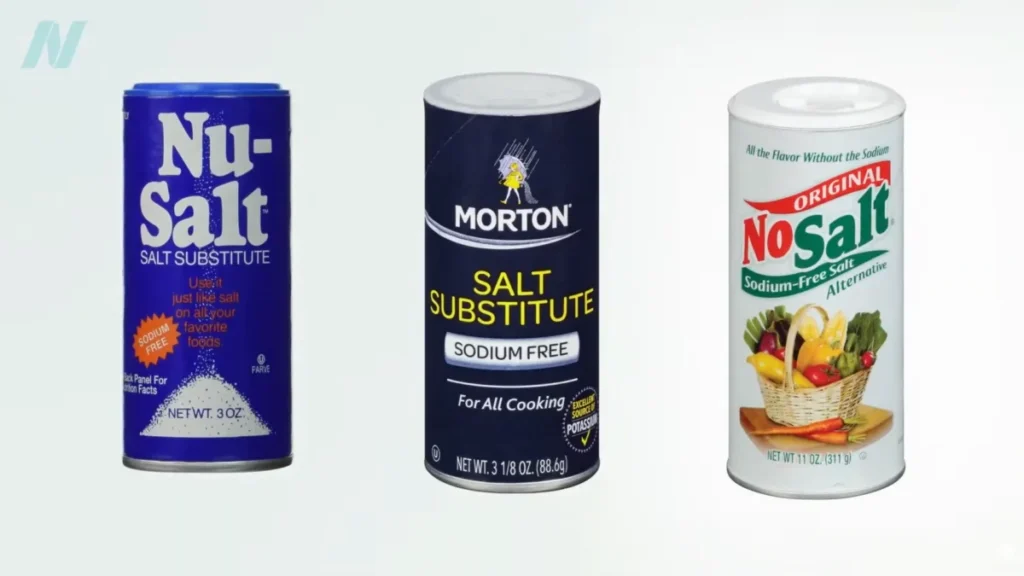
While a whole-food diet is the ultimate solution, there are also innovative approaches being explored to mitigate the immediate impact of sodium. One such avenue is the use of potassium-based salt substitutes. Instead of using sodium chloride, these products often utilize potassium chloride, offering a salty taste while simultaneously reducing sodium intake and increasing potassium consumption.
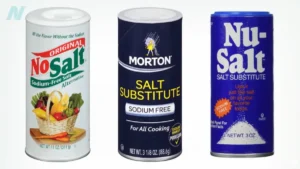
The image showcasing various salt substitute products highlights their availability and potential as a transitional tool. The question remains: are these substitutes safe and effective? Do they truly offer a viable solution, or are they a temporary band-aid on a larger problem? This question, critical for those struggling to reduce their sodium intake, warrants further scientific investigation and will be explored in subsequent discussions. While they may offer a practical step for some, it’s crucial to remember that they are a substitute for a component of a diet, not a substitute for a healthy diet itself.
A Holistic Approach: Addressing the Root Causes
Ultimately, solving America’s silent nutritional crisis requires a holistic approach. It means empowering individuals with knowledge and accessible, affordable healthy food options. It demands that healthcare professionals actively counsel patients on dietary choices, particularly regarding sodium and potassium balance. And it calls for policymakers to enact regulations that support public health, such as clearer labeling, restrictions on excessive sodium in processed foods, and initiatives to promote the consumption of whole plant-based foods.
The claims that salt is not a problem are unequivocally refuted by the overwhelming scientific consensus. Ignoring this evidence comes at a tremendous cost to individual health and national prosperity. The time for passive observation is over; the time for decisive dietary transformation is now.
Doctor’s Note: This article is the first in a three-part series delving into the critical interplay of sodium, potassium, and potential dietary solutions. Future installments will explore the safety and efficacy of potassium chloride salt substitutes, providing a comprehensive guide for those seeking to navigate this complex nutritional landscape. Stay tuned for "Are Potassium Chloride Salt Substitutes Worth Trying?" and "Are Potassium Chloride Salt Substitutes Safe and Effective?" for deeper insights into these promising alternatives.