USDA-FSIS Heightens Surveillance as New World Screwworm Returns to U.S. Soil
By the Food Safety Magazine Editorial Team
In a significant regulatory shift aimed at safeguarding the integrity of the American food supply, the U.S. Department of Agriculture’s Food Safety and Inspection Service (FSIS) has announced a comprehensive expansion of its veterinary drug residue surveillance program. This strategic pivot, detailed in a constituent update published on July 31, 2026, comes in direct response to the reappearance of the New World screwworm (Cochliomyia hominivorax) within the United States—a pest that had been officially eradicated from the country six decades ago.
While the screwworm itself poses no direct food safety risk to consumers eating meat or poultry, the aggressive veterinary response required to manage the infestation has introduced a new layer of chemical complexity into the supply chain. As producers and veterinarians turn to emergency-authorized treatments to protect livestock, the USDA is intensifying its laboratory scrutiny to ensure that these interventions do not result in violative chemical residues in the nation’s meat products.
The Resurgence: A Historical Context and Current Reality
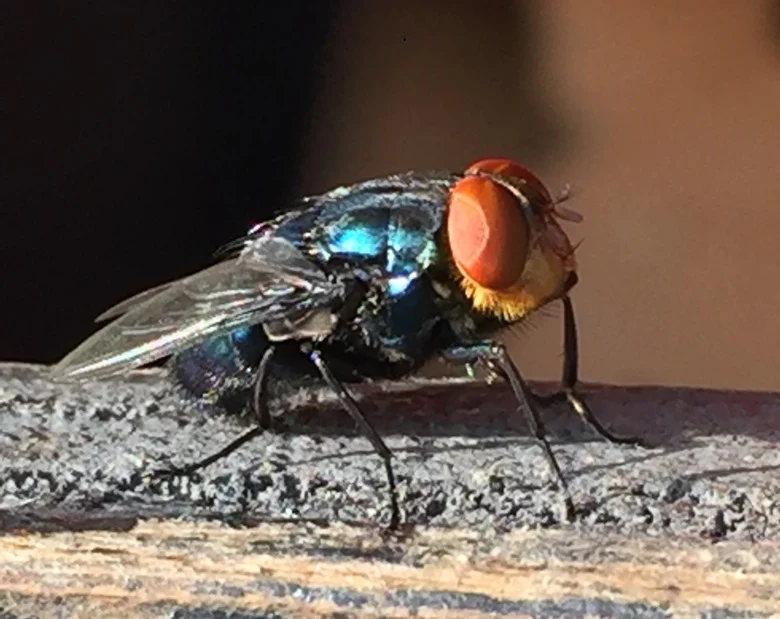
The New World screwworm is a parasitic fly whose larvae feed on the living tissue of warm-blooded animals. In the mid-20th century, the screwworm represented a catastrophic threat to the U.S. cattle industry, causing immense economic losses and animal suffering. Following a pioneering sterile insect technique (SIT) program, the United States achieved complete eradication of the pest in 1966. For 60 years, the U.S. remained a screwworm-free zone.
That era of stability ended on June 3, 2026, when the USDA’s Animal and Plant Health Inspection Service (APHIS) confirmed the first positive detection of the pest in the United States. The return of the screwworm has prompted a rapid, multi-agency mobilization. APHIS is currently leading efforts to contain the population, while FSIS—the branch of the USDA responsible for ensuring the safety of meat, poultry, and processed egg products—is tasked with mitigating the secondary risks associated with the chemical tools used to fight the infestation.
The Chemical Challenge: Balancing Pest Control with Food Safety
The primary concern for FSIS is not the parasitic fly itself, but the "chemical hazard" profile of the veterinary medicines being deployed. As USDA Under Secretary for Food Safety Dr. Mindy Brashears emphasized in a video briefing released in mid-June, the presence of the fly is an animal health crisis, but the treatment of that crisis must not become a food safety liability.
To combat the screwworm, the FDA’s Center for Veterinary Medicine (CVM) has issued conditional approvals and emergency use authorizations (EUAs) for a variety of pharmaceuticals. These drugs are designed to kill larvae or prevent infestation in open wounds. However, the use of these medications requires strict adherence to "withdrawal periods"—the mandatory interval between the last dose of a drug and the time an animal can be legally slaughtered for human consumption.
If a producer fails to observe these withdrawal periods, residues of the drug may persist in the animal’s tissue. FSIS monitoring is designed to catch these instances before contaminated products reach grocery shelves. The challenge is that these newly authorized drugs require specific testing protocols that were not previously part of the standard, high-volume laboratory rotation.
Chronology of the 2026 Response
The government’s response to the NWS incursion has been methodical, moving from detection to rapid regulatory adjustment:
- June 3, 2026: APHIS confirms the first positive detection of New World screwworm in the United States, ending a 60-year eradication streak.
- Mid-June 2026: Dr. Mindy Brashears, USDA Under Secretary for Food Safety, releases a public statement clarifying that while NWS is not a food safety risk, residues from its treatment drugs require close monitoring.
- July 17, 2026: FSIS officially updates two of its core residue analysis methods, CLG-MEGA1 and CLG-MRM3. These updates enable laboratories to detect the specific chemical analytes associated with the newly approved emergency drugs.
- July 31, 2026: The USDA-FSIS issues a formal constituent update outlining the heightened surveillance strategy and the implementation of FSIS Notice 30-26.
- September 1, 2026: The implementation date for increased routine residue surveillance at livestock slaughter establishments in targeted geographic regions.
Technical Enhancements: Laboratory Analysis and Methodology
The FSIS National Residue Program (NRP) is the agency’s primary tool for monitoring drug residues. To keep pace with the NWS outbreak, the agency has moved beyond its standard testing battery.
Updated Analytical Methods
The agency has specifically modified two of its workhorse testing methods:
- CLG-MEGA1: This method typically screens for a broad spectrum of veterinary drugs. By updating the analytes it can identify, the agency has expanded its "net" to capture residues from the specific parasiticides and antibiotics authorized for NWS treatment.
- CLG-MRM3: This method, which focuses on multi-residue screening, has also been recalibrated to ensure that the unique chemical signatures of the new emergency-use drugs are accurately flagged.
By adjusting these methods, FSIS laboratories can now distinguish between legal, safe levels of therapeutic treatment and illegal, violative concentrations.
Operational Implications for Industry
For livestock producers and slaughterhouse operators, the USDA’s mandate brings immediate operational changes. Under the new guidelines, establishments located in or near affected regions will see an increase in the frequency of residue testing.
Carcass Retention Protocols
A critical component of this mandate is the "hold-and-test" requirement. Establishments are required to retain all carcasses and parts selected for testing until the results are confirmed. This prevents the distribution of potentially contaminated meat into the stream of commerce.
- If a test is negative: The carcass is released for processing and distribution.
- If a test is positive: The establishment must condemn the carcass or dispose of it in accordance with FSIS regulatory requirements.
- Voluntary Disposal: Establishments may choose to discard carcasses voluntarily to avoid the costs associated with storage and potential regulatory complications, though this remains an individual business decision.
The Role of APHIS and FDA Coordination
The effectiveness of this surveillance program rests on inter-agency cooperation. APHIS remains the "tip of the spear" in the field, managing the biological containment of the screwworm. Meanwhile, the FDA-CVM provides the necessary regulatory framework for the drugs used by veterinarians.
The FDA’s role is particularly crucial in providing guidance to practitioners. Because the NWS situation is fluid, the FDA has provided specialized guidance on the "extra-label" use of certain drugs. However, the FDA has been clear: emergency authorization does not grant immunity from residue requirements. The onus remains on the veterinarian and the producer to ensure that the withdrawal times are strictly followed, regardless of the severity of the infestation.
Future Outlook: Protecting the Food Supply
As the U.S. enters the autumn of 2026, the success of the FSIS surveillance program will be a key metric in maintaining consumer confidence. The agency has committed to transparency, pledging to publish its findings through its quarterly National Residue Program reports. This transparency is intended to reassure the public that the government is not merely reacting to a pest outbreak, but actively managing the food safety implications of that outbreak.
For industry stakeholders, the message is clear: compliance is the only viable path forward. The increased testing schedule is designed to act as a safeguard for the entire industry. By catching violative residues early, the FSIS prevents isolated incidents of misuse from becoming systemic food safety recalls that could damage the reputation of the U.S. meat industry.
Resources for Stakeholders
The USDA encourages any establishment or producer with questions regarding the new sampling requirements to reach out through the following channels:
- Direct Inspector Contact: On-site FSIS inspectors are the primary point of contact for operational questions regarding specific slaughter facilities.
- askFSIS: The online portal remains the most effective way to submit formal inquiries. When using the portal, stakeholders are advised to select "Sampling" as the inquiry type to ensure their questions are routed to the appropriate subject matter experts.
- FSIS Notice 30-26: All facility managers are encouraged to review the full text of the notice to ensure their internal SOPs (Standard Operating Procedures) are aligned with the new regulatory expectations.
As the nation navigates the return of the New World screwworm, the integration of advanced diagnostic testing and rigorous on-site surveillance stands as a testament to the evolving nature of food safety. While the biological challenge of the screwworm is significant, the commitment of the FSIS to monitor the chemical environment ensures that the U.S. remains one of the safest food supply systems in the world.