The Spirit of Sovereignty: How Custom Distillates are Redefining the Modern Back Bar
For generations, the anatomy of a professional bar has been remarkably consistent. Whether in a neighborhood tavern or a high-end cocktail lounge, the workspace is anchored by a predictable, albeit essential, architecture: a standard array of base spirits, a reliable selection of bitters, and a rotating cast of liqueurs and fresh mixers. This "classic kit" has long been the industry standard, curated by large-scale distributors and familiar to every bartender from New York to Los Angeles.
However, a quiet revolution is taking place behind the stick. As the modern cocktail movement matures, the relentless pursuit of innovation has led many beverage professionals to a sobering realization: the existing market of mass-produced ingredients is no longer enough to satisfy the creative appetites of today’s elite mixologists. To break free from the constraints of standardized flavor profiles, a growing contingent of bars and restaurants is bypassing the traditional supply chain entirely, commissioning bespoke, house-made spirits that are exclusive to their establishments.
The Evolution of the "House Pour"
The trend toward custom distillation represents a shift from "bartending as assembly" to "bartending as authorship." Instead of selecting a bottle from a distributor’s catalog, establishments are now collaborating with specialized, sustainable distilleries to craft liquid identities that are as unique as their menus.

This shift is not merely a matter of branding; it is an architectural change in how drinks are conceived. By controlling the DNA of their spirits, these bars are creating "hyper-local" flavors that are impossible to replicate, effectively turning their back bars into galleries of proprietary craftsmanship. From the sought-after Lost Voyager Rum at Strong Water in Anaheim to the custom-made Mal Bien mezcal gracing the shelves of Mírate and Daisy in Los Angeles, these spirits are becoming the new gold standard for exclusivity.
Chronology of a Movement: From Farm to Still
The rise of the custom spirit can be traced to the broader farm-to-table movement that transformed the culinary world over the last two decades. As restaurants like San Francisco’s three-Michelin-starred Quince began to demand more from their ingredients, the bar program became the natural next frontier.
2024: The Residency That Changed Everything
The turning point for many came in 2024, when Bar Agricole—a single-origin distillery and former bar—launched a limited-time residency at Quince. This partnership provided the perfect environment for a radical experiment: could a cocktail program be as "farm-driven" as the kitchen’s tasting menu?

Lead Bartender Craig Lane and his team at Quince began to question the industry’s reliance on industrial-strength grain alcohol. "So much attention is always given to the proprietary botanicals, which can be sourced from anywhere in the world, and so little attention is given to the industrial-strength grain alcohol without any agricultural provenance," Lane observed.
This realization led to the birth of Bolinas Gin. Unlike commercial gins that rely on dried, global botanicals, Bolinas Gin is a tisane-style spirit crafted from fresh botanicals harvested directly from Quince’s Fresh Run Farm. By using a biodynamic, grape-distillate base, the team achieved a rounder mouthfeel and subtle fruity notes that are simply unattainable in mass-market products.
The Rise of Waste-Conscious Distillation
Simultaneously, in Brooklyn, the restaurant Golden Ratio began a collaboration with Acid Spirits, an NYC-based distillery dedicated to sustainability. The goal was to unlock flavor profiles that wouldn’t otherwise exist, utilizing waste products from the restaurant’s daily operations. Through vacuum distillation—a technique that preserves the delicate, volatile compounds of fresh ingredients—the team began producing distillates ranging from coffee grounds to horseradish, proving that "trash" could, with the right equipment, be transformed into a premium spirit.

Supporting Data: The Anatomy of a Custom Spirit
The movement is supported by a shift in production technology. Traditional heat-based distillation often "cooks" the freshness out of delicate ingredients like herbs, citrus peels, and flowers. Vacuum distillation, or "cold distillation," allows distillers to strip the essence from raw materials at much lower temperatures, resulting in a cleaner, more vibrant product.
Key Characteristics of Custom Spirits:
- Agricultural Provenance: Spirits are often built on a base of local grain or fruit rather than neutral industrial ethanol.
- Hyper-Seasonality: By using fresh herbs and seasonal produce, distillers can "bottle a moment in time," preserving the peak flavor of a harvest that would otherwise be lost.
- Proprietary DNA: By eliminating pre-existing archetypes, bars can create flavors that are proprietary to their brand, ensuring that a signature drink cannot be reverse-engineered by competitors.
Official Responses: The Philosophy of the Liquid
The move toward custom spirits is frequently described by industry leaders as a liberation from "archetypal" drinking.
Piper Kristensen, a partner and beverage director at Redwood Hospitality, notes that the impact on the creative process is profound. "It allows us to have a different DNA for all of our drinks that’s proprietary to us," Kristensen says. "It makes the creative process of making cocktails a little bit more fun because we’re not limited to pre-existing archetypes and flavor profiles."

For establishments like Cove in NYC, the collaboration with Acid Spirits is not just about novelty; it is about cohesion. Otis Baldwin, Cove’s service director, views the bar as an extension of the kitchen. "We really try to make drinks that are recognizable for guests, and working with Acid allows us to make a drink like a Cosmo our own," he explains. By using a custom-made distillate of lemongrass, lemon verbena, and lemon basil, Cove bridges the gap between culinary precision and cocktail accessibility.
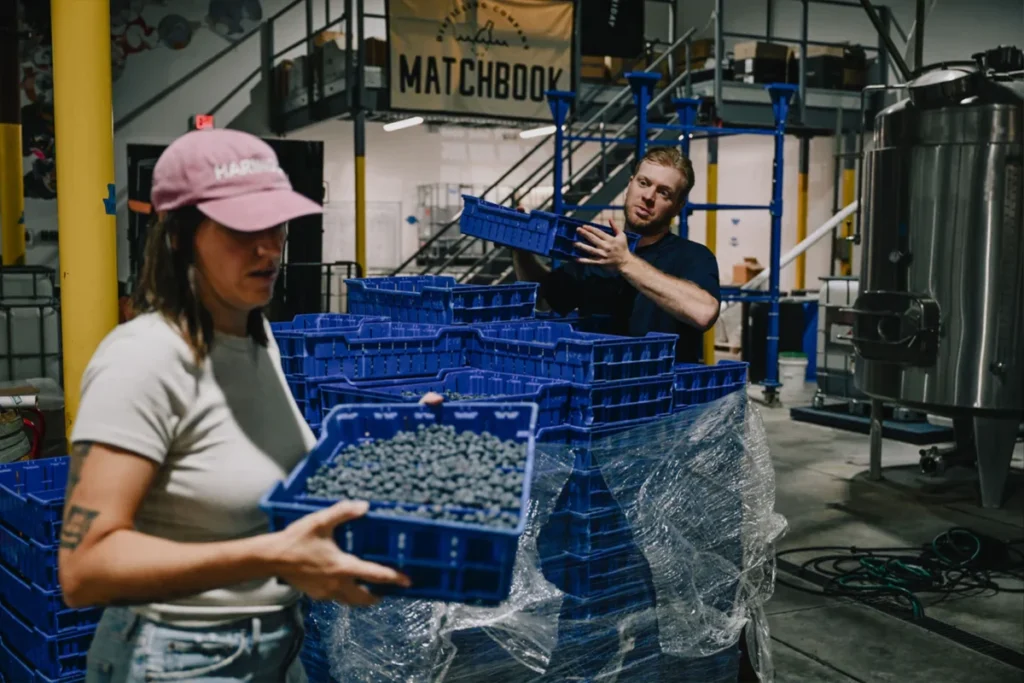
Iain Griffiths, owner of Bar Snack, emphasizes the preservation aspect. Working with Matchbook Distilling, Griffiths created a pine-flavored distillate that saved a holiday drink concept that otherwise would have been abandoned. "One of distillation’s greatest advantages is that we can utilize it to harness and preserve raw ingredients at a specific moment in time," Griffiths notes.
Implications for the Future of the Industry
The implications of this trend extend far beyond the back bar. We are witnessing the decentralization of flavor. If the last thirty years of the cocktail renaissance were about rediscovering lost recipes and classic techniques, the next thirty will likely be defined by the creation of new, site-specific spirits.

Challenges to Scaling
While the benefits are clear, the model is not without its hurdles. The costs associated with bespoke distillation, the regulatory hoops of liquor licensing, and the logistical challenges of small-batch production mean that this remains a high-end, boutique pursuit for the time being. It requires a symbiotic relationship between a venue with deep resources and a distillery willing to act as a creative partner rather than a manufacturer.
The "Bartender’s Handshake"
Beyond the chemistry and the economics, there is a cultural shift. Custom spirits have become a symbol of prestige and community. As Griffiths aptly puts it, these bottles are the new "bartender’s handshake." When a professional travels and shares a bottle that cannot be purchased anywhere else, they are sharing a piece of their home, their garden, and their philosophy.
A New Era of Transparency
Finally, this movement pushes the industry toward a new level of ingredient transparency. As consumers become more concerned with where their food comes from, the "agricultural provenance" of their spirits will inevitably become a talking point. We are moving toward a future where a guest can ask not just for a "gin and tonic," but for a gin distilled from the very farm that provided the produce for their salad, creating a holistic dining experience that honors the terroir of the region.

As we look toward the remainder of the decade, the "custom spirit" will likely evolve from a luxury curiosity to a staple for any high-caliber establishment. The era of the "standard" bar is fading, replaced by a landscape where every drink tells a story that is entirely, undeniably, and exclusively its own.