The Future of Global Connectivity: A Deep Dive into Holafly’s New Subscription-Based eSIM Plans
For the modern traveler, the "SIM card scramble" is a rite of passage. We have all been there: landing in a foreign airport, exhausted from a long-haul flight, only to spend an hour navigating local kiosks, swapping out physical chips, and worrying about whether our home phone number will incur catastrophic roaming fees.
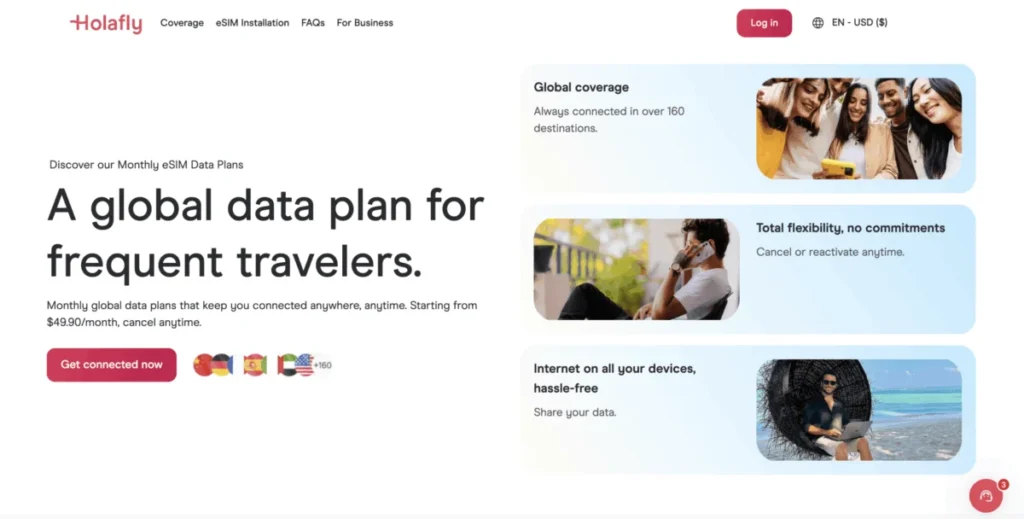
For years, the digital revolution has promised a solution through the eSIM—a virtual SIM card embedded directly into a smartphone’s hardware. While many providers have entered this space, the industry has largely remained focused on one-off, transactional experiences. That is, until now. Holafly, a long-standing player in the international connectivity market, has officially pivoted with the launch of "Holafly Plans"—a recurring, subscription-based model that promises to change how digital nomads and frequent flyers interact with the world.
The Evolution of Connectivity: What are Holafly Plans?
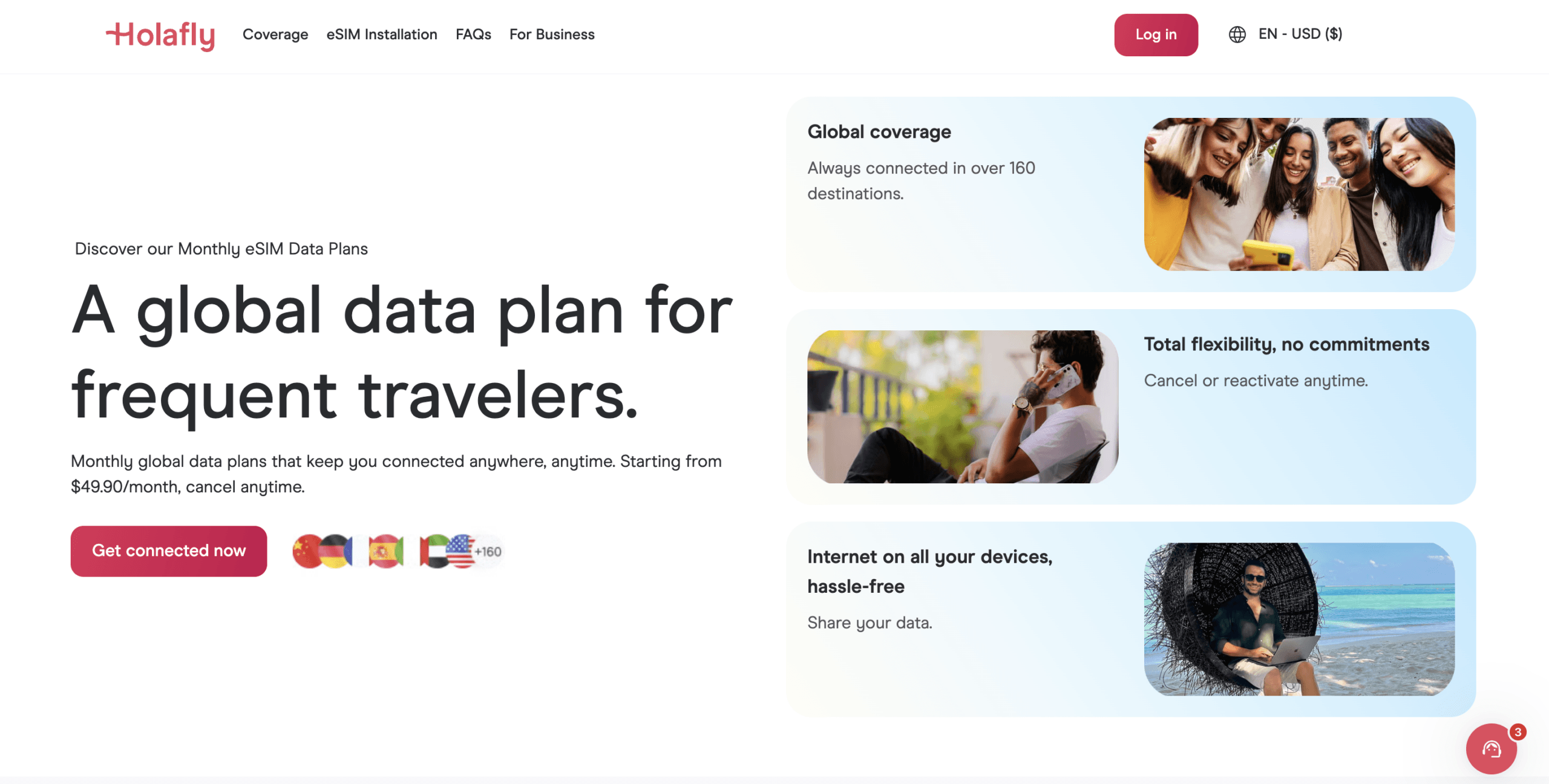
At its core, Holafly Plans represents a shift from "travel connectivity" to "global connectivity." Unlike a traditional eSIM, which requires a user to purchase, download, and install a new digital profile every time they cross a border, Holafly Plans is a singular, persistent subscription that functions across more than 160 countries.
Once the eSIM is installed on your device, the heavy lifting is done. As you move between countries, the eSIM automatically negotiates with local networks to reconnect you without manual intervention. It effectively functions like a domestic mobile carrier, but one that recognizes no borders.
The service is structured around two primary tiers: the Light Plan and the Unlimited Plan. Both tiers offer flexibility, with no long-term contracts and the ability to cancel at any time.

Supporting Data: The Case for the Subscription Model
To understand why this shift is significant, one must look at the economics of international roaming. Traditionally, travelers have had three options: paying their home carrier’s exorbitant daily roaming fees (often $10–$15 per day), buying a local physical SIM card (which is time-consuming), or purchasing single-use regional eSIMs.
| Feature / Cost | Holafly Plans (Unlimited) | US Major Carrier Roaming | Single-Use eSIMs |
|---|---|---|---|
| Monthly Cost | ~$55–$65 (varies) | $100–$300+ | $60–$120+ |
| Data Allowance | Unlimited | Throttled after limits | Capped (5GB–10GB) |
| Hassle Factor | Near Zero | High (Costly) | High (Repetitive) |
| Hotspotting | Included | Often Restricted | Varies by Carrier |
For the digital nomad, the data savings are substantial. Major US carriers often cap high-speed data while abroad; in contrast, Holafly’s Unlimited tier removes these caps, allowing for high-bandwidth activities like video conferencing, cloud file syncing, and media streaming. The inclusion of a local phone number (US, UK, or Canada) in the Unlimited tier also solves the critical issue of receiving two-factor authentication (2FA) SMS codes while abroad—a frequent pain point for international professionals.
A Closer Look at the Tiers
The Unlimited Plan
Designed for power users, this tier offers unrestricted data usage. Beyond the data, it includes an unlimited hotspot feature. For those working from coffee shops or remote locations, the ability to tether a laptop to a phone without fear of hitting a "fair usage" ceiling is transformative.
The Light Plan
Targeted at the casual traveler, the Light Plan provides 25GB of data per month. It maintains the same 160-destination coverage and hotspot capability as the Unlimited tier, making it the optimal choice for those whose travel usage is limited to navigation, social media, and messaging.
The "Always On" Guarantee
Perhaps the most innovative aspect of the service is the "Always On" feature. Even if a user cancels their subscription, Holafly provides 1GB of backup data every month for life. This ensures that even when you aren’t paying for a full plan, you aren’t left stranded without basic connectivity upon landing in a new country.
Chronology of Adoption: Why Now?
The rise of the "Work from Anywhere" movement has created a demographic of users who are not just tourists, but semi-permanent residents of various countries. In the early 2010s, travelers were content with Wi-Fi and the occasional local SIM. By 2020, the eSIM arrived, offering convenience but maintaining the friction of "per-trip" purchasing.
In 2026, the market reached a tipping point. With the integration of eSIM hardware into nearly all mid-to-high-end smartphones, the infrastructure for a permanent, software-based roaming solution was finally ready. Holafly’s move to a subscription model mirrors the transition of the software industry from physical licenses to SaaS (Software as a Service). It is a move toward utility-based consumption.
Official Stance and User Experience
Holafly has emphasized that its customer support remains a pillar of its brand. If technical issues arise during the initial provisioning of the eSIM, the company maintains 24/7 human support.
"We wanted to build the infrastructure that allows a traveler to stop thinking about their data," a company representative noted. By removing the need for QR code scanning and network re-configuration at every border, they are targeting the "friction" of travel. The company’s confidence in the product is further reflected in their six-month refund policy—a duration significantly longer than the industry standard for digital products.
Implications for the Future of Global Travel
The launch of these plans carries several implications for the travel industry:
- The Death of the "Roaming Bill": As subscription-based eSIMs become more prevalent, the revenue model for traditional carriers regarding international roaming will face significant pressure. Consumers are increasingly aware that paying $10 per day to a home carrier is an antiquated expense.
- Increased Mobility for the Digital Workforce: Reliable, unlimited, and persistent data allows professionals to maintain productivity levels identical to those they experience in their home offices. This encourages longer stays in secondary cities and developing nations, further fueling the global digital nomad economy.
- Hardware Utilization: With a single phone capable of holding multiple eSIM profiles, the average traveler is becoming a multi-network user. One profile for home, one for work, and one for global roaming is becoming the new standard configuration.
Strategic Advice for Travelers
While the convenience of a subscription is undeniable, travelers should weigh their specific needs.
- The Case for Traditional eSIMs: If you are a leisure traveler taking a single, two-week vacation to a specific destination, a "classic" one-off eSIM remains the most cost-effective solution. You pay for exactly what you need and nothing more.
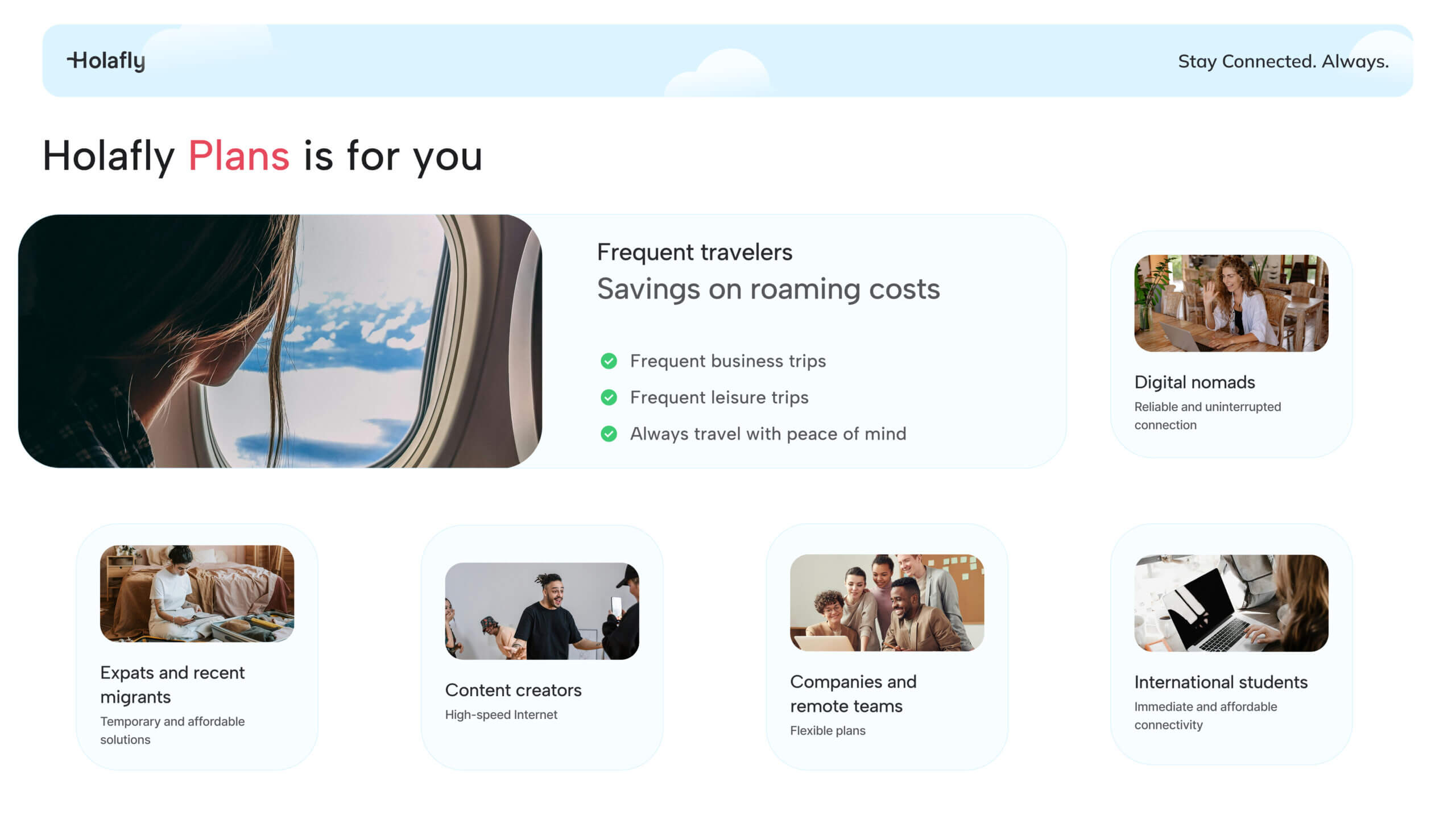
- The Case for Subscription Plans: If you are a digital nomad, a frequent business traveler, or someone who spends more than three months of the year abroad, the subscription model is not just a convenience—it is a financial optimization. The ability to use your phone as a hotspot, the inclusion of a phone number, and the absence of data caps provide a level of security that the "buy-as-you-go" model cannot match.
Final Considerations
As the world becomes increasingly interconnected, our reliance on mobile data has moved from a "nice-to-have" to a fundamental requirement for travel safety and professional efficacy. The shift toward subscription-based connectivity simplifies a previously fragmented ecosystem.
Whether you are a casual traveler looking to save on roaming or a full-time nomad requiring constant, reliable high-speed data, the landscape of mobile connectivity has irrevocably changed. By choosing the right tool for your specific travel frequency, you can effectively eliminate the "hassle factor" and focus on what matters: the destination.
Note: For those interested in testing these services, using promotional codes provided by industry experts can offer significant savings, such as the 10% discount on Holafly Plans with the code NOMADICMATT, making the transition to a global, subscription-based data plan even more accessible.