Culinary Innovation in the Home Kitchen: The Rise of High-Utility Brassica Salads and the Science of the Perfect Crunch
Introduction
In an era marked by shifting consumer habits, fluctuating grocery costs, and a growing demand for nutritionally dense, time-saving meals, the humble cabbage is undergoing a dramatic culinary renaissance. Once relegated to cheap side dishes or forgotten in the back of vegetable crispers, brassicas are reclaiming center stage in modern recipe development.
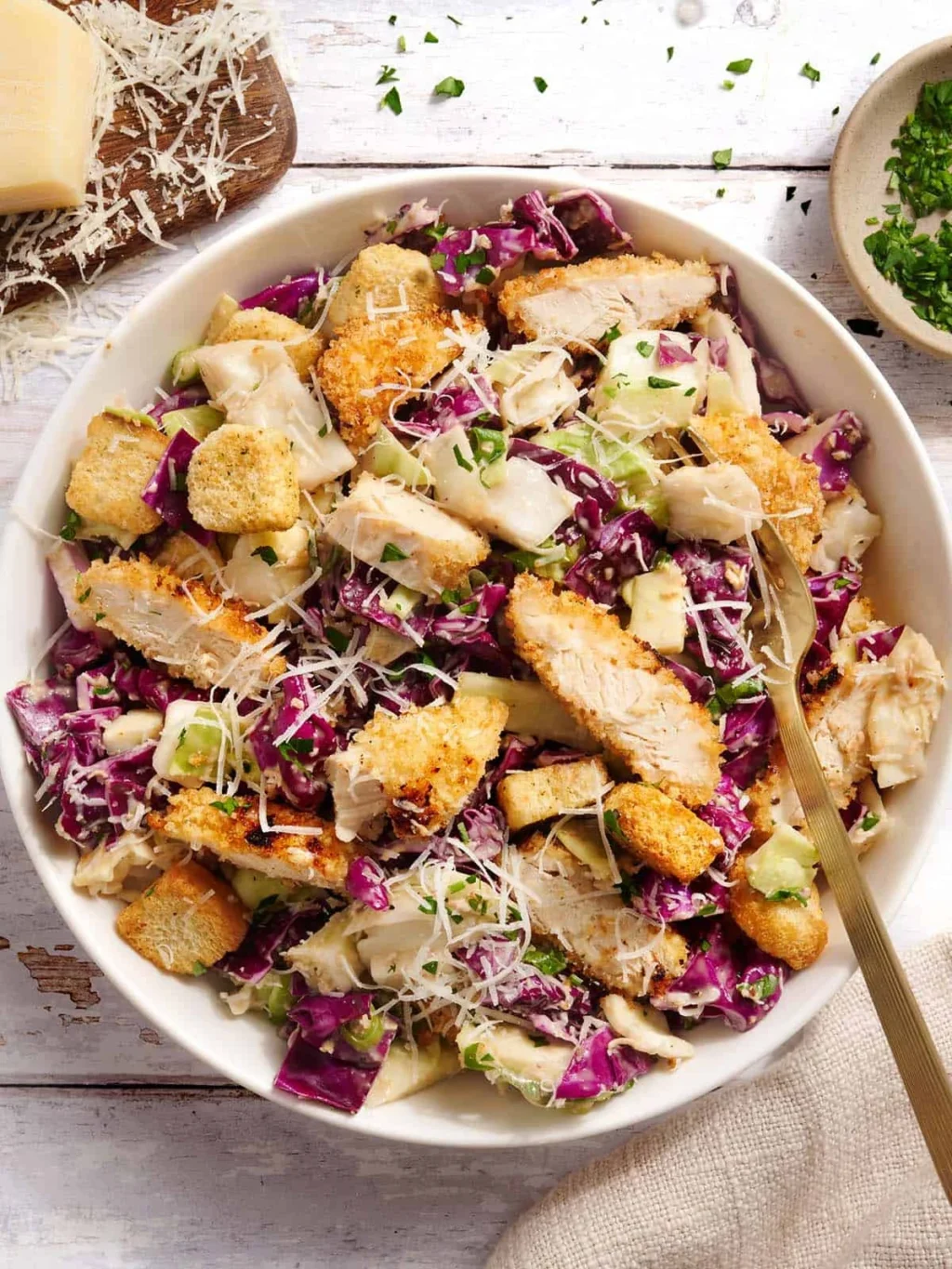
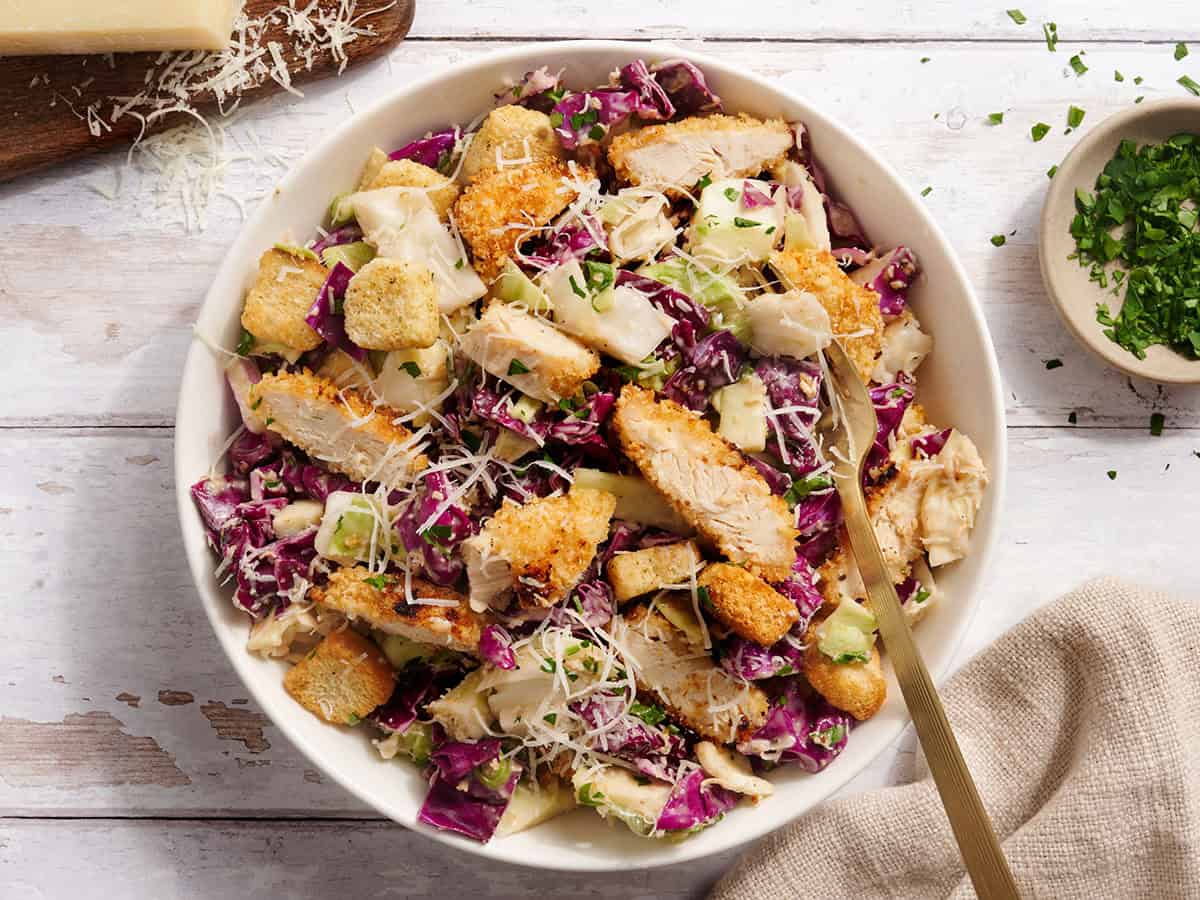
This culinary evolution is highlighted by a newly developed recipe from the Nashville Test Kitchen: Caesar Slaw with Crispy Chicken. Developed by professional chef and culinary educator Jess Rice, this dish represents a sophisticated structural fusion of two classic culinary staples—creamy coleslaw and the traditional Caesar salad. By swapping out delicate leafy greens for a robust dual-cabbage base and pairing it with an innovative, low-fat Greek yogurt-baked chicken tender, this recipe addresses a critical challenge in home cooking: how to prepare a high-protein, budget-conscious meal prep salad that maintains its structural integrity and crunch over several days.
1. Main Facts: The Anatomy of a Modern Culinary Fusion
The Caesar Slaw with Crispy Chicken is designed to balance texture, flavor contrast, and economic feasibility. Rather than relying on traditional romaine lettuce—which is highly susceptible to rapid wilting, bruising, and oxidation once dressed—the recipe utilizes a blend of green and purple cabbages. This selection ensures a durable salad base that can withstand heavy emulsified dressings without losing its signature bite.
Key Components of the Dish
- The Slaw Base: Equal parts finely chopped green and purple cabbage, providing a visually vibrant, texturally diverse foundation. The inclusion of thinly sliced green onions adds a mild, sharp alium bite.
- The Dressing and Umami Layer: A high-quality, garlic-forward Caesar dressing combined with finely grated Parmesan cheese. This introduces a deep, salty umami profile that complements the natural sweetness of the brassicas.
- The Protein Element: Lean chicken tenders coated in a seasoned, pre-toasted panko breading. The breading is bound to the meat using plain Greek yogurt instead of a traditional flour-and-egg wash, adding subtle acidity and maintaining moisture during baking.
- The Textural Accents: Crunchy croutons and a golden, oven-baked crust on the chicken provide a stark contrast to the slightly softened, dressed cabbage.
Economic and Yield Metrics
According to rigorous testing standards, the dish yields five generous portions (approximately two cups per serving) at a total recipe cost of $9.86, which translates to an exceptionally economical $1.97 per serving. This low price point, paired with a substantial nutritional profile, positions the recipe as an ideal option for families and individuals looking to optimize their food budgets without sacrificing culinary quality.
2. Chronology: Step-by-Step Culinary Development and Execution
Executing this dish efficiently requires a strategic timeline. By utilizing the marinating and chilling windows of the salad base, home cooks can prepare, bread, and bake the chicken without any wasted downtime.
[00 Min] Prep Veggies & Dress Slaw ---> [10 Min] Coat Chicken in Yogurt ---> [15 Min] Season & Toast Panko
                                                                                      |
[50 Min] Assemble, Toss & Serve <--- [45 Min] Slice Chicken <--- [15-45 Min] Bread & Bake Chicken
Phase 1: Vegetable Preparation and Slaw Maceration
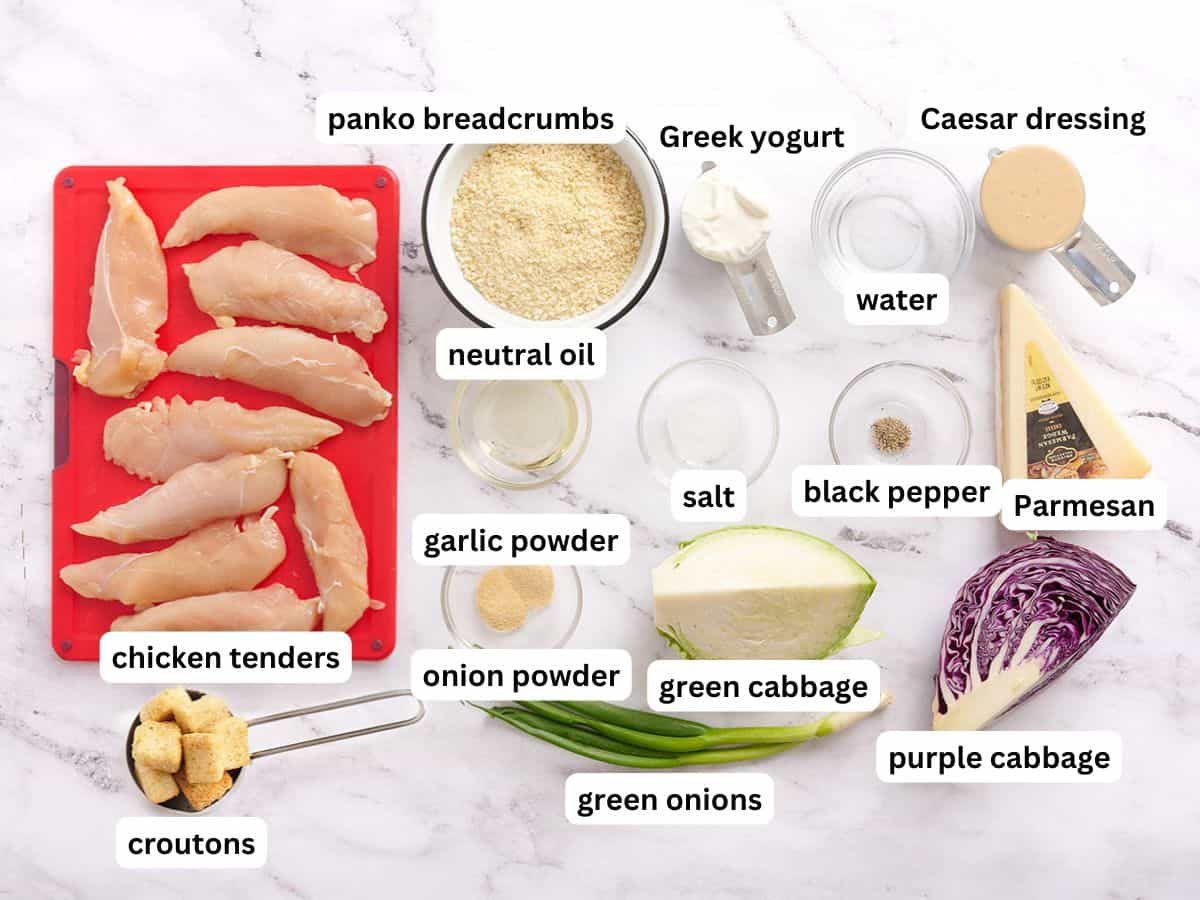
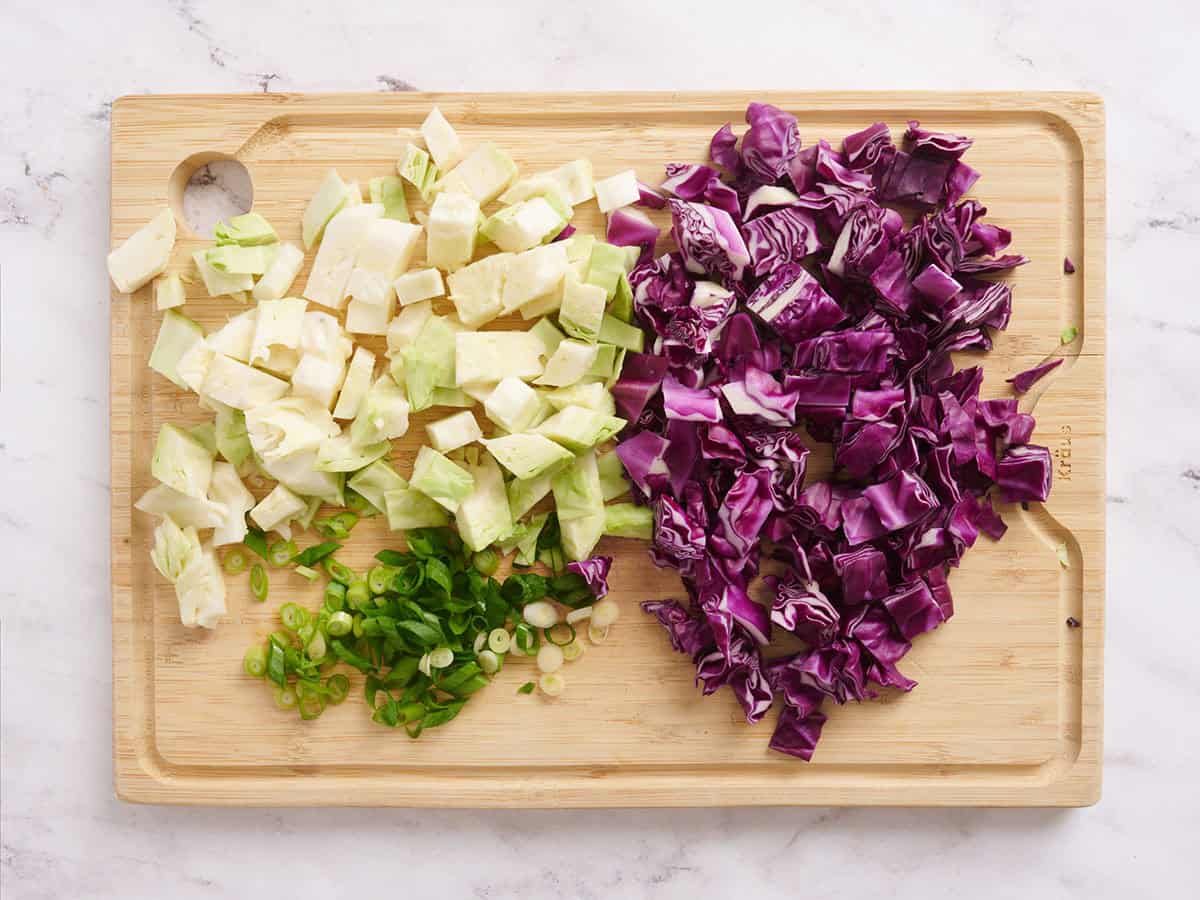
- Preparation of the Brassicas: Chop 1/4 head of green cabbage (approximately 8.5 oz.) and 1/4 head of purple cabbage (approximately 8.5 oz.) into uniform, bite-sized pieces. Ensure any tightly bound leaves are separated to allow even dressing distribution. Thinly slice two green onions on the bias.
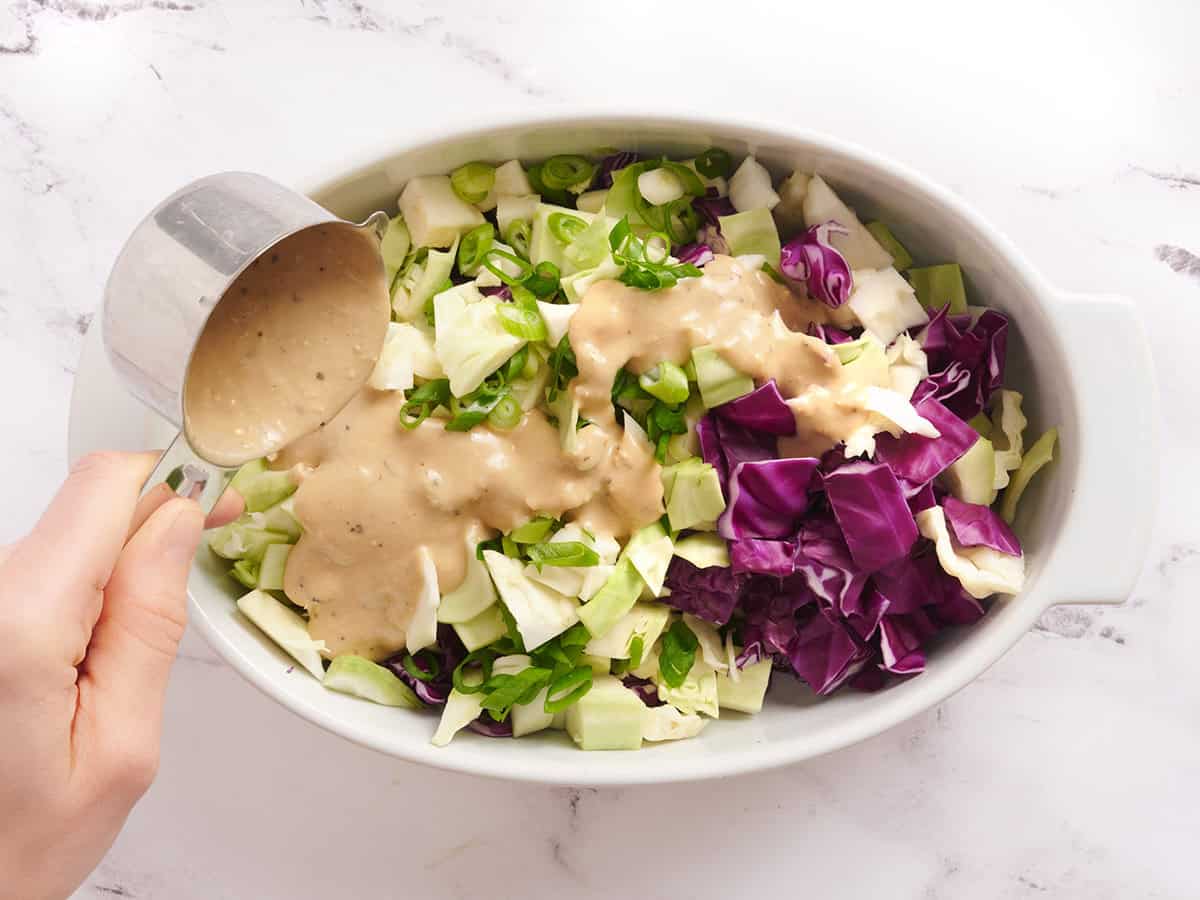
- Dressing Application: In a large mixing bowl or spacious casserole dish, combine the chopped cabbages and green onions. Pour 1/2 cup of high-quality Caesar dressing over the mixture, tossing thoroughly until every piece is coated.
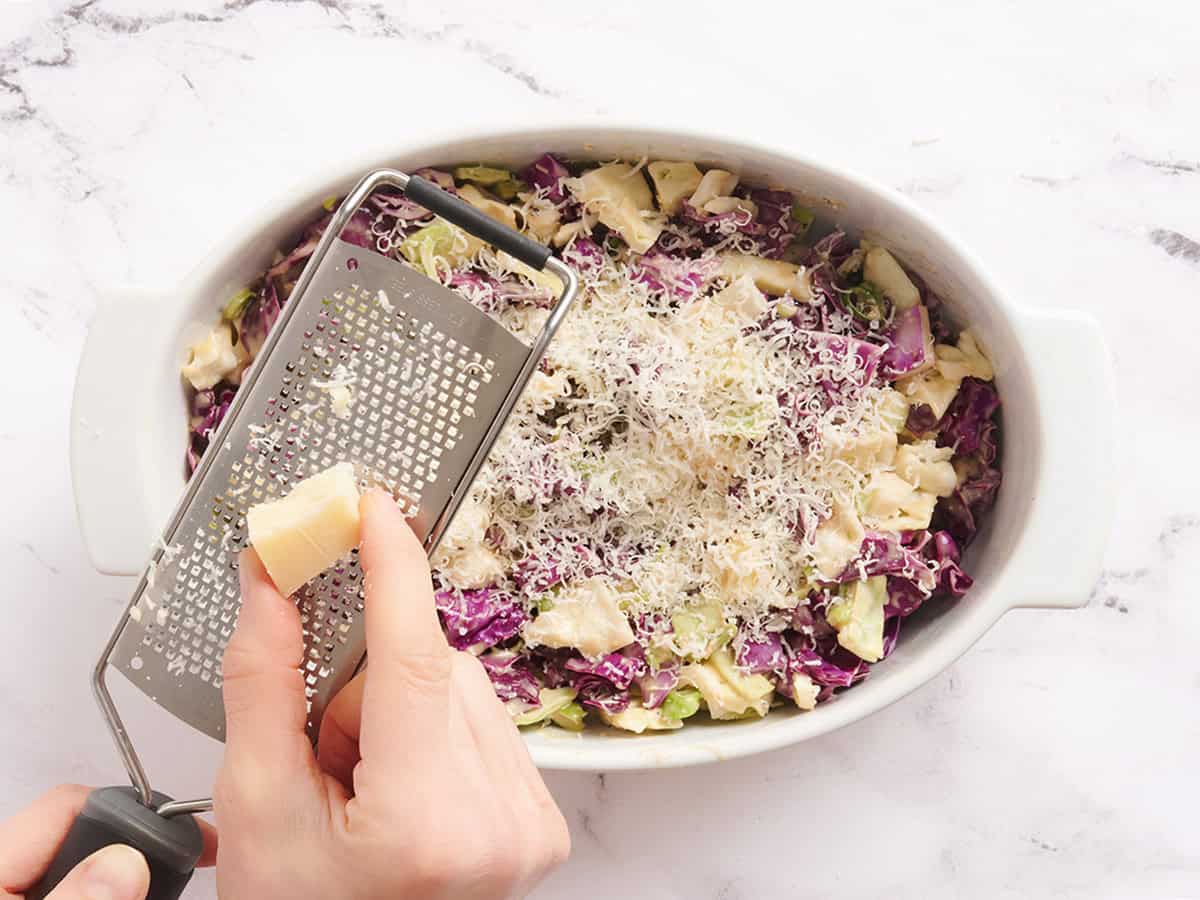
- The Umami Infusion: Finely grate 1 oz. of Parmesan cheese directly over the dressed slaw. Toss once more, cover the vessel, and place it in the refrigerator. This chilling period is crucial; it allows the dressing’s acids and salts to gently macerate the cabbage, softening its rigid cellular structure just enough to absorb flavor while preserving its core crispness.
Phase 2: Protein Preparation and the Yogurt Binding Method
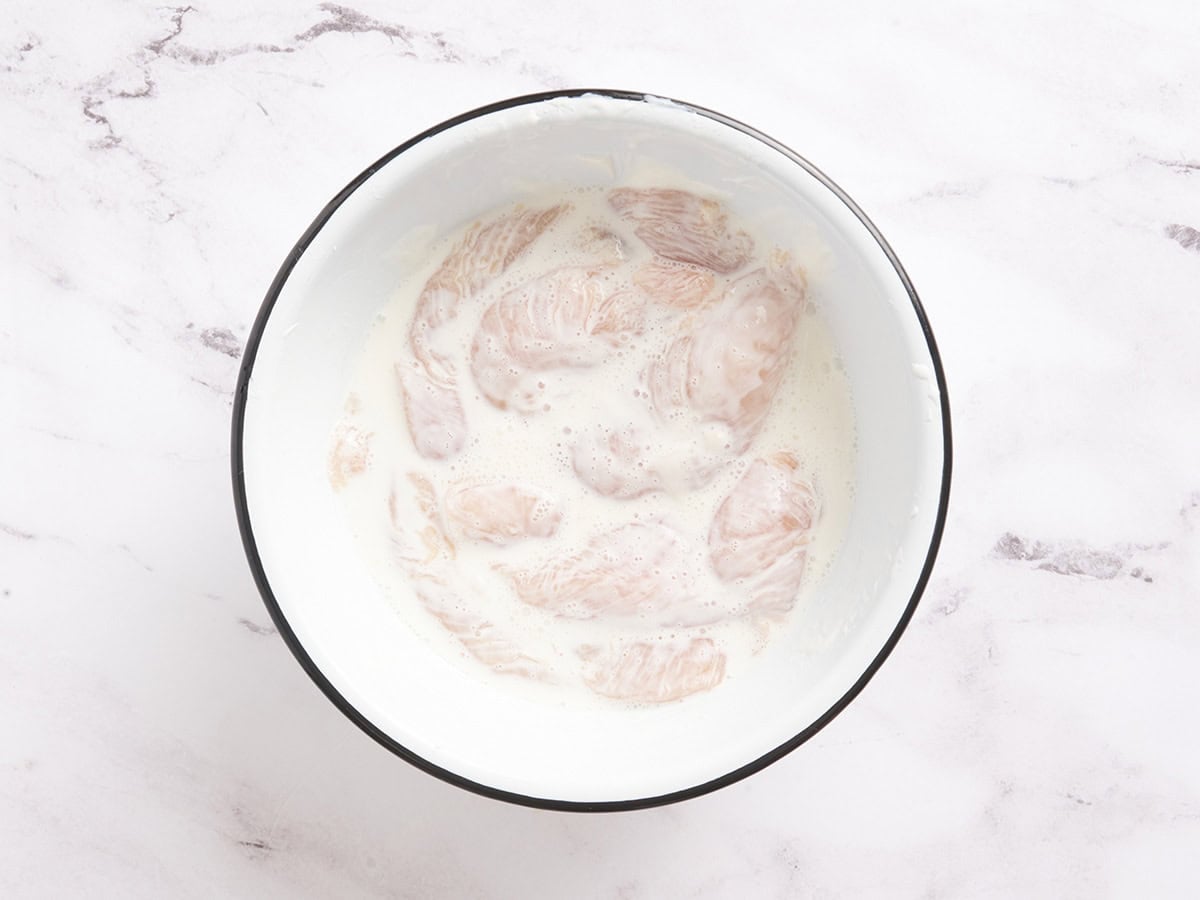
- Yogurt Coating: In a medium-sized mixing bowl, combine 1 lb. of fresh chicken tenders, 1/3 cup of plain Greek yogurt, 1/4 tsp of salt, and 3 tbsp of water. Whisk the yogurt and water until smooth, then stir the chicken until every tender is fully submerged and coated in a uniform, creamy layer. Cover and refrigerate.
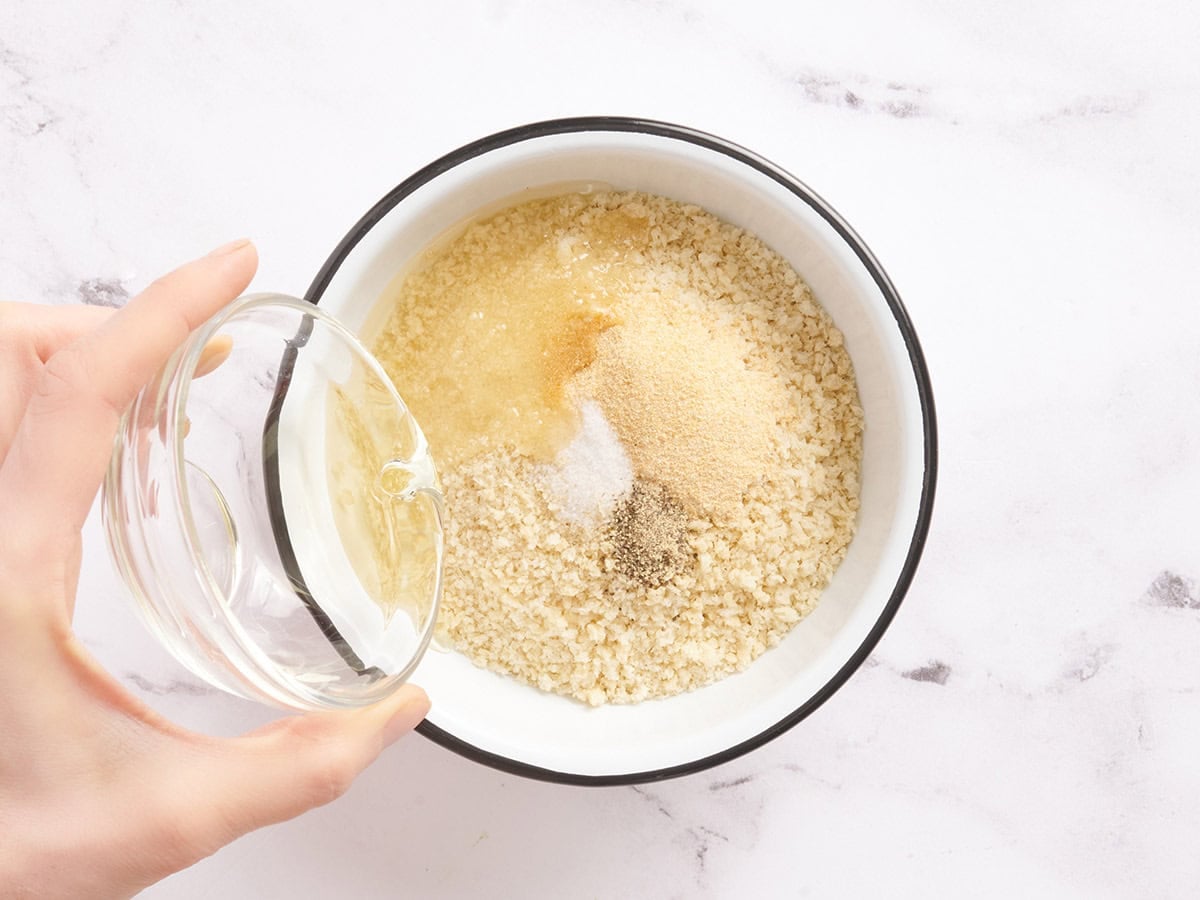
- Panko Seasoning: In a separate dry bowl, combine 1 3/4 cups of panko breadcrumbs, 1/2 tsp of onion powder, 1/2 tsp of garlic powder, 1/4 tsp of salt, 1/3 tsp of freshly cracked black pepper, and 2 tbsp of a neutral high-smoke-point oil (such as canola, vegetable, avocado, or grapeseed oil). Stir thoroughly to ensure the oil is evenly distributed throughout the dry crumbs.
Phase 3: The Pre-Toasting and Breading Protocol
- Pre-Toasting the Panko: Preheat the oven to 400°F and line a large baking sheet with parchment paper. Spread the seasoned panko in a thin, even layer across the sheet. Bake for 2 to 4 minutes, monitoring closely, until the crumbs are a light, uniform golden brown. Transfer the toasted panko back into its mixing bowl.
- The Breading Process: Working with one chicken tender at a time, lift the meat from the Greek yogurt mixture, allowing any excess marinade to drip away. Place the tender directly into the toasted panko, pressing firmly on all sides to ensure a thick, continuous crust.
Phase 4: Thermal Processing and Assembly
- Baking the Tenders: Arrange the breaded tenders on the parchment-lined baking sheet, leaving adequate space between each piece to allow hot air to circulate freely. Bake at 400°F for approximately 30 minutes, carefully flipping the tenders at the 15-minute mark. The chicken is fully cooked when the exterior is deep golden-brown and the thickest portion of the meat registers an internal temperature of 165°F on an instant-read digital thermometer.
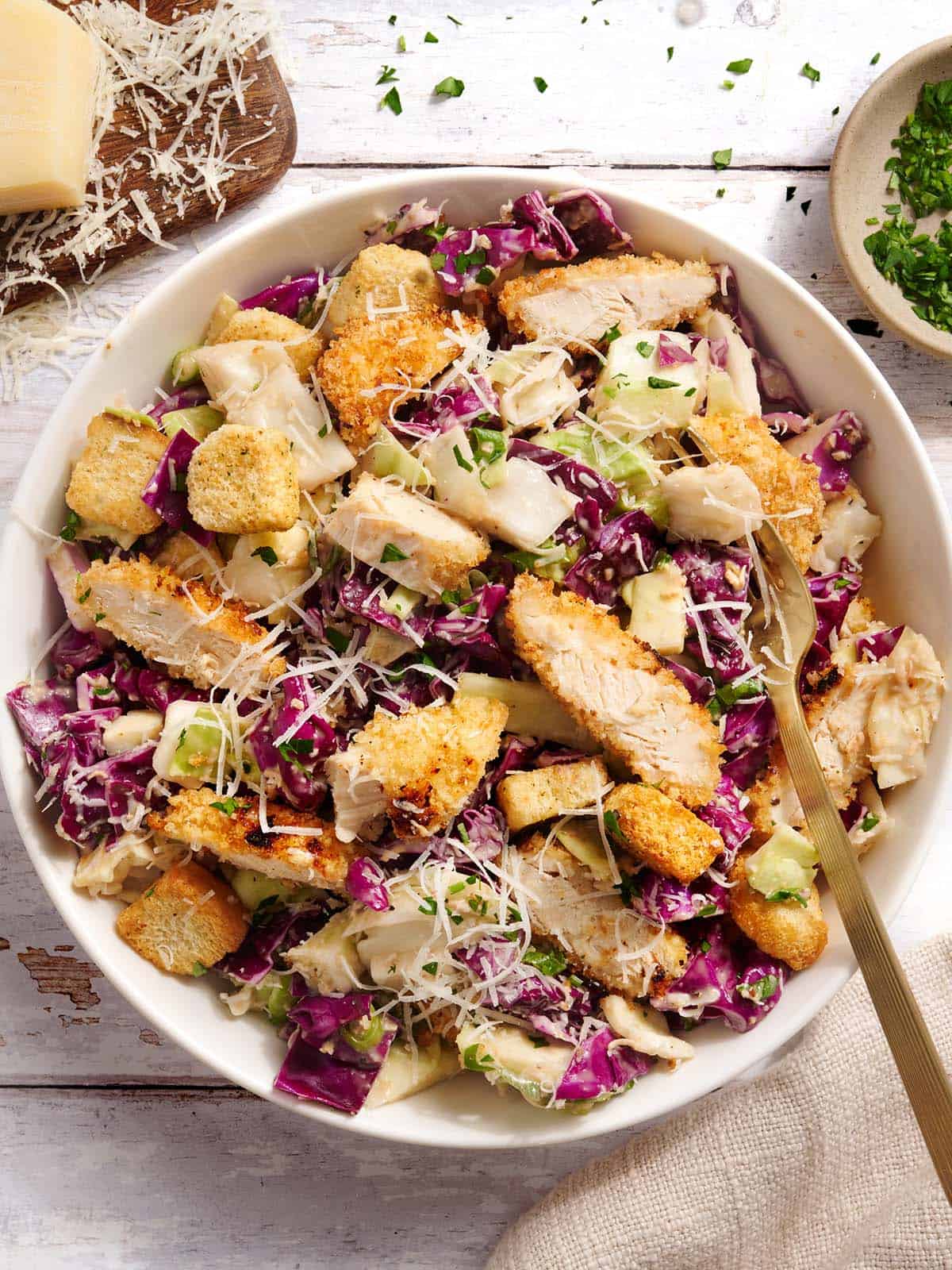
- Slicing and Final Assembly: Allow the cooked chicken to rest on a cutting board for 3 to 5 minutes to let the juices redistribute and the crust set. Slice the tenders into bite-sized pieces. Remove the chilled slaw from the refrigerator, give it a final toss, and top with 1/2 cup of crunchy croutons and the sliced crispy chicken. Serve immediately, or keep the components separate for future assembly.
3. Supporting Data: Nutritional Metrics, Cost Analysis, and Brassica Science
The structural success and nutritional value of this recipe are backed by solid food science and careful cost analysis.
Nutritional Breakdown
A single, robust two-cup serving of the Caesar Slaw with Crispy Chicken offers a balanced macronutrient profile, making it a complete, self-sustaining meal:
| Metric | Value per Serving | % Daily Value (DV)* |
|---|---|---|
| Calories | 435 kcal | 22% |
| Protein | 27 g | 54% |
| Carbohydrates | 26 g | 9% |
| Dietary Fiber | 3 g | 13% |
| Total Fat | 25 g | 38% |
| Sodium | 922 mg | 40% |
Percentages are based on a standard 2,000-calorie daily diet.
The high protein content (27g) is driven by the combination of lean chicken breast tenders and Greek yogurt, which replaces the empty calories of a traditional heavy flour-and-egg breading station. While the sodium content is moderate (922mg), it is largely derived from the Caesar dressing and Parmesan cheese—key components for delivering the classic, savory profile of a Caesar salad.
Economic Feasibility Analysis
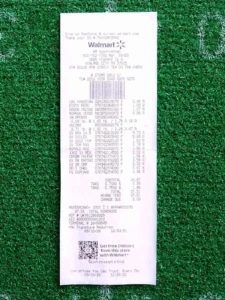
To understand the financial accessibility of this dish, it is helpful to look at the grocery store cost breakdown. In tests conducted using ingredients sourced from national retailers like Walmart, the economic advantages of cabbage over traditional greens become clear:
- Chicken Tenders: Sourced at approximately $4.92 per pound, offering a highly affordable, high-quality lean protein source.
- Cabbage vs. Romaine: On average, green and purple cabbages cost 50% to 70% less per pound than packaged romaine hearts or pre-washed salad mixes. Additionally, cabbage has a significantly lower moisture-loss rate, meaning consumers pay for usable, dense vegetable matter rather than water weight that quickly spoils.
Average Cost per Salad Serving:
[Romaine-Based Caesar Salad with Chicken (Store-Bought/Deli)]  ---> $6.50 - $9.00
[Nashville Test Kitchen Caesar Slaw with Crispy Chicken]       ---> $1.97
The Science of Cabbage Resilience
The exceptional durability of this salad lies in the cellular biology of brassicas. Leafy greens like romaine consist of delicate, thin-walled parenchyma cells with high water content. When exposed to salt and acids (found in salad dressings), osmotic pressure draws water out of these cells, causing the leaves to collapse, wilt, and turn soggy within minutes.
In contrast, cabbage leaves are structurally reinforced with thick cell walls made of cellulose and lignin. These sturdy walls resist osmotic collapse. When dressed and refrigerated, the cabbage undergoes a gentle tenderizing process rather than wilting. The leaves absorb the dressing’s flavors while retaining their firm, satisfying crunch, making the salad ideal for multi-day storage.
4. Professional Insights: Culinary Standards from the Nashville Test Kitchen
To ensure professional-grade results at home, the recipe was run through rigorous trials in the Nashville Test Kitchen under the direction of Chef Jess Rice. Rice brings a wealth of diverse culinary experience to her work, having served as a Chef Professor of classic culinary techniques and food theory at Niagara College in Canadian wine country. Her career spans every tier of the food service industry, from managing busy restaurant kitchens to traveling internationally as a private chef for celebrities and musicians. Notably, she also helped pioneer Nashville’s raw-vegan culinary scene as the founder of the acclaimed restaurant AVO.
"Cabbage is a culinary workhorse. By utilizing the natural moisture of Greek yogurt to bind our seasoned panko, we bypass the messy multi-bowl breading station entirely. This step not only saves time and cleanup but also injects a subtle tang that elevates the entire flavor profile."
— Chef Jess Rice, Nashville Test Kitchen
Chef Rice’s Professional Tips for Home Cooks
- Selecting the Dressing: Because the dressing is the primary flavor driver in this recipe, Rice advises using a bottled or homemade Caesar dressing that you already know and love. Some brands lean heavily on anchovy and garlic, while others are creamier and more acidic. Adjust the quantity to taste, starting with a lighter hand if you are using a particularly bold dressing.
- Managing the Panko Toasting Process: Panko breadcrumbs are larger, lighter, and airier than traditional breadcrumbs, which is what gives the chicken its superior crunch. However, because they are baked rather than deep-fried, they will not brown evenly in the oven on their own. Pre-toasting the seasoned panko on a baking sheet for just a few minutes before breading ensures a beautiful, golden-brown crust. Chef Rice warns that panko can go from perfectly toasted to burnt very quickly, so setting a timer and watching the oven closely is essential.
- The Importance of Neutral Oils: When seasoning the panko, use a truly neutral oil (such as canola or grapeseed). Stronger oils, like extra virgin olive oil, can easily overpower the delicate spices and clash with the Caesar dressing.
5. Implications: Meal Prep Efficiency, Dietary Versatility, and Waste Reduction
The practical benefits of this Caesar Slaw extend far beyond its delicious taste and texture, offering smart solutions for modern household challenges.
Revolutionizing Weekly Meal Prep
For busy professionals and families, meal prepping is often a trade-off between convenience and quality. Leafy salads must be assembled at the very last second, requiring multiple containers for greens, toppings, and dressings. The Caesar Slaw solves this issue.
Because cabbage is so resilient, the dressed slaw can be fully mixed with the green onions and Parmesan, portioned into airtight containers, and stored in the refrigerator for 3 to 4 days. The chicken and croutons should be stored separately and added just before eating, allowing home cooks to enjoy a restaurant-quality, crunchy chicken Caesar salad in under thirty seconds.
Meal Prep Storage Strategy:
Container A (Refrigerated): Dressed Cabbage Slaw + Green Onions + Parmesan (Holds crunch for 3-4 days)
Container B (Refrigerated): Cooked & Sliced Crispy Chicken Tenders
Container C (Pantry): Croutons
Dietary Flexibility for Diverse Households
In today’s homes, cooking one meal that satisfies everyone’s dietary needs can be a challenge. This recipe’s modular design makes it easy to customize:
- Vegetarian Adaptations: The cabbage slaw base is naturally vegetarian-friendly. For households with both meat-eaters and vegetarians, the chicken can be kept entirely on the side, allowing individuals to top their bowls with either the crispy chicken tenders or a plant-based alternative, such as crispy chickpeas or baked tofu.
- Gluten-Free Modifications: By swapping the panko and croutons for certified gluten-free alternatives, the entire dish can be easily adapted for gluten-sensitive individuals without losing any of its satisfying crunch.
Minimizing Food Waste
Food waste is a major contributor to rising household expenses and environmental concerns. Delicate salad greens are among the most frequently discarded items in home kitchens due to their incredibly short shelf life.
Cabbage, however, is a champion of longevity. An uncut head of cabbage can keep safely in the crisper drawer for up to two months, and even a partial head remains fresh for weeks. By shifting from lettuce-based salads to brassica-based slaws, home cooks can drastically reduce food waste, stretch their grocery budgets further, and enjoy fresh, delicious meals all week long.