The Ashes of Gredos: How Climate Change and Land Neglect are Reshaping a Viticultural Treasure
By Aleks Zecevic | August 21, 2026
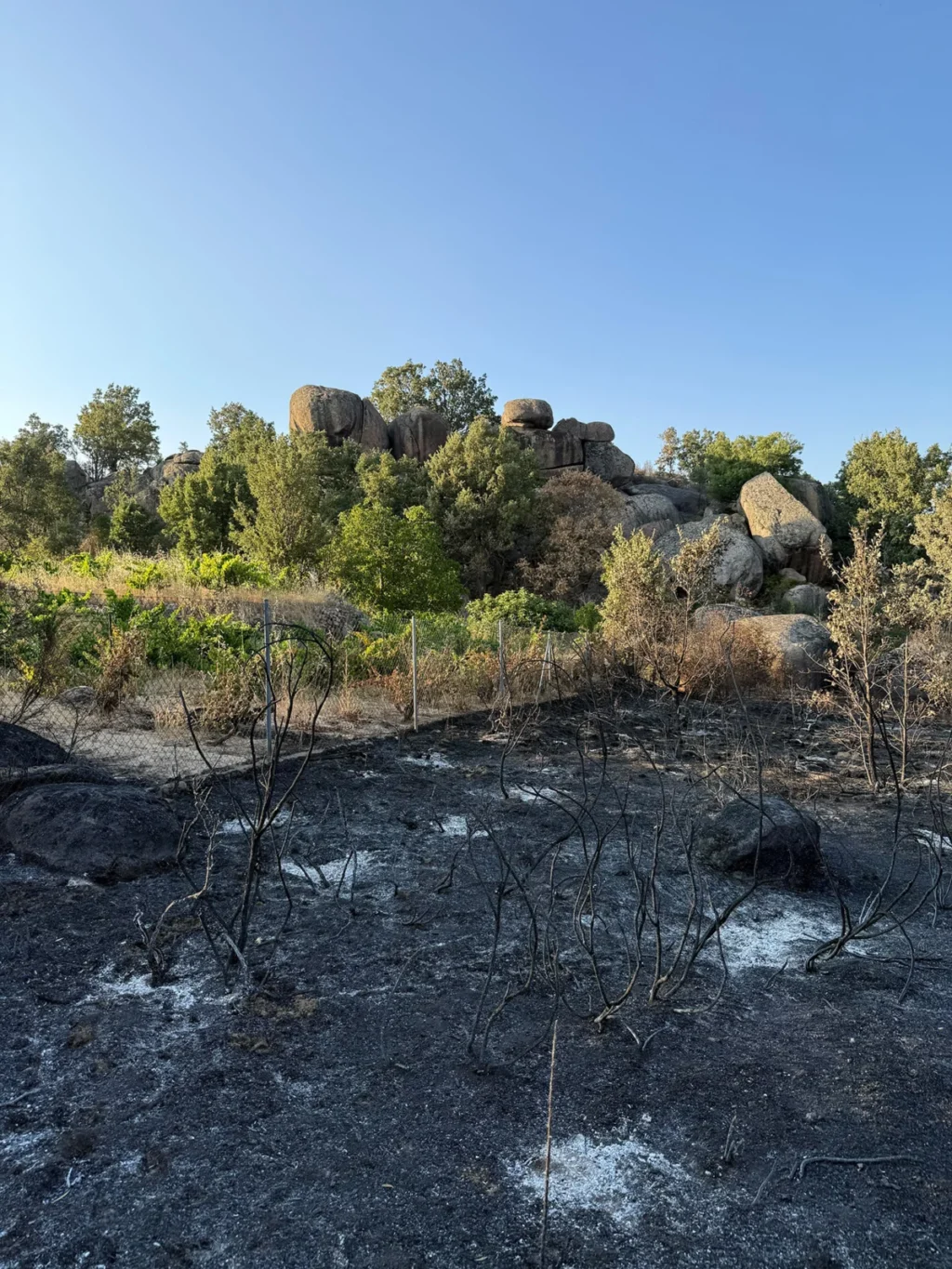
When Gearóid Lane finally set foot in the San Gregorio vineyard after the smoke had cleared, the romanticism that often surrounds the rugged, high-altitude winemaking of Spain’s Sierra de Gredos evaporated. What remained was a scorched landscape, a stark reminder of the fragile symbiosis between viticulture and the encroaching wild.
San Gregorio, a site prized for its centenarian vines—some dating back to the 1920s—had been the cornerstone of the Bodega El Reventón project. While the fire’s fury left the surrounding pine forests blackened and decimated, Lane remains guardedly optimistic. "With lots of love, hard work, and investment, we will be able to nurse the great majority of the San Gregorio vines back to health," he asserts. Yet, his optimism is tempered by the reality that in Gredos, a region defined by its "old vine" heritage, what is lost cannot simply be replanted.
The Chronology of a Crisis: A Summer of Fire
The tragedy in Gredos did not occur in a vacuum; it was part of a broader, harrowing narrative for European viticulture in the summer of 2026.
- Late July: Massive wildfires erupted west of Bordeaux, forcing mass evacuations and threatening some of the most prestigious estates in the world. While the primary appellations avoided direct conflagration, the secondary impacts—smoke taint, extreme heat stress, and physiological drought—cast a long, dark shadow over a harvest that was already tracking to be historically early.
- July 22: The ignition point for the Gredos disaster. A fire near Burgohondo ignited, quickly spiraling into a "monster" blaze. It merged into a complex that spanned the provinces of Ávila, Madrid, and Toledo, consuming tens of thousands of hectares.
- Early August: The threat migrated eastward, with Greece battling catastrophic fires around Athens, signaling a new, uncomfortable normalcy for the European growing season.
For the winemakers of Gredos, this was not merely a "bad vintage." It was an existential challenge to a landscape that relies on the preservation of ancient root systems—vines that have anchored themselves into granite and schist slopes for over a century.
Old Vines: The Irreplaceable Heritage
West of Madrid, the Garnacha grape finds its most transparent expression. Here, at elevation, the vines are often head-trained, bush-style, and scattered in tiny, inaccessible parcels.
Fernando García of the renowned Comando G describes the region as an "oasis in the middle of the Iberian Peninsula." It is a delicate balance of agriculture and wilderness. However, that very wilderness, once a source of terroir—with its holm oaks, chestnuts, wild lavender, and juniper—has become a liability. Pete Irvine of PJ Antipoda notes that the deep, established root systems of these old vines represent a historical record that would take decades, if not a century, to recreate. When the surrounding brush burns, the micro-climate is altered, and the "sense of place" is irrevocably damaged.
Supporting Data and Impact Analysis
The statistics of the devastation are sobering. Daniel Ramos, a veteran winemaker in the area since 1999, estimates that nearly 80% of his crop was lost—either vaporized by direct flames or rendered unusable by smoke contamination.
At Indiano Winery, Charles Gottschalk recounts a harrowing defense of his cellar, which was spared only by the intervention of neighbors and local firefighters, despite flames reaching within 200 meters.
The Smoke Taint Debate
As the physical fires are extinguished, the industry is grappling with the lingering specter of smoke taint. Research into the volatile phenols that settle on grape skins during smoke exposure is ongoing, but opinions among growers remain divided:

- The Pragmatists: Gottschalk expects to deal with smoke taint for the first time, viewing it as a significant risk to the 2026 vintage profile.
- The Observationalists: Irvine believes that at low levels, smoke might become a "signature of the vintage," a nuanced, if controversial, marker of the year’s climate reality.
- The Optimists: Emmanuel Campana remains less concerned, pointing to the fact that grapes were still in the early, green stages of development during the fires, a theory supported by his experience in 2021 when similar smoke conditions yielded no measurable taint.
The Nexus of Neglect and Climate Change
The fire in Gredos has forced a long-overdue conversation about land management. The consensus among local producers is that climate change is merely the accelerant; the fuel is a legacy of rural abandonment.
"When you don’t have people living there taking care of stuff, these things are going to happen," says Campana. This sentiment is echoed by the entire collective of Gredos growers. The landscape is being transformed by the exodus of the younger generation to urban centers, leaving elderly growers to manage vast, untended tracts of land.
Fernando García emphasizes the systemic nature of the threat: "Large wildfires are the result of a combination of human activity and landscapes with huge amounts of unmanaged vegetation." He argues that the climate crisis—characterized by heatwaves, low humidity, and erratic winds—simply provides the catalyst for these "unmanageable" blazes.
Irvine offers a compelling argument for the role of the vineyard itself: "Well-managed, tidy ecological vineyards are firebreaks." He advocates for incentives to keep rural life viable, arguing that the most effective way to protect the forest is to keep the vineyards active.
Official Responses and Future Implications
The catastrophe has served as a catalyst for a new, collaborative spirit among the fiercely independent winemakers of Gredos. Producers are currently lobbying for stronger government intervention, specifically in two areas:
- Direct Support for Elderly Growers: Ensuring that the oldest, most vulnerable vineyards are not abandoned due to a lack of resources or labor.
- Landscape Stewardship: Integrating viticulture into regional fire-prevention strategies, where vineyards are utilized as strategic buffer zones.
Daniel Ramos has become a vocal advocate for this shift. "If their vineyard keeps alive, we will still have some future," he says, referring to the small-scale farmers who are the backbone of the region’s history.
García proposes a "Green Island" strategy for regeneration: focusing on the villages and vineyards that escaped the fire to act as anchor points for reforestation and ecological restoration.
A Legacy of Stubbornness
Despite the trauma of the summer of 2026, there is a profound, almost defiant, commitment among the Gredos winemakers to remain. There is no talk of abandoning the granite slopes or the high-altitude Garnacha.
For these producers, the act of making wine in Gredos has always been a struggle against nature’s indifference. They operate in a region where difficulty is not synonymous with futility. When the situation feels particularly bleak, as Ramos suggests, they open a bottle of the very wine they produce—a liquid testament to the endurance of the land.
"Gredos is just getting started," Irvine says, looking toward the horizon. It is a sentiment that encapsulates the spirit of the region: a recognition that while the landscape is changing, and the fires may return, the soul of the wine—the product of this brutal, beautiful, and demanding mountain range—is a force that cannot be allowed to disappear. The path forward will be paved with investment, policy change, and the collective will of a community that understands the true cost of their craft.