Elevating Your Home: The Art and Utility of Curated Wine Storage
The traditional architecture of the modern home is undergoing a quiet revolution. For decades, rooms were strictly defined by their utility: the home office was for labor, the basement for storage or laundry, and the kitchen for culinary preparation. However, as the culture of wine appreciation expands from the cellar to the living space, homeowners are increasingly looking to transform these underutilized corners into sophisticated, functional destinations for oenophiles.

By integrating professional-grade wine storage solutions, homeowners are not merely adding an appliance; they are curating an experience. Whether it is a quiet, post-work pour in a study or an expansive tasting retreat in a basement, the ability to store and serve wine with precision is becoming a hallmark of the modern, well-appointed residence.

The Evolution of Domestic Wine Culture
The shift toward at-home wine culture has been accelerated by both technological advancements and a changing social landscape. Data from industry analysts suggests that the demand for in-home wine cooling has seen a consistent upward trajectory over the last five years. Consumers are no longer content with passive storage; they are seeking active climate control, smart-home integration, and aesthetic harmony.

Historically, wine storage was a matter of logistics—finding a cool, dark place to prevent oxidation and spoilage. Today, it is a matter of design. Modern wine cabinets are designed to be focal points, utilizing LED lighting, UV-protected glass, and whisper-quiet compressors to ensure that the collection remains both accessible and protected.

Strategic Room-by-Room Integration
To successfully incorporate wine storage into a residence, one must consider the specific environmental requirements of the space and the lifestyle habits of the homeowner. Below is a detailed breakdown of how to adapt various living areas for optimal wine storage.

The Kitchen: The Heart of Casual Sipping
The kitchen remains the most logical place for daily wine access. A built-in or undercounter wine cellar serves as the bridge between culinary activity and social relaxation. By installing a unit flush with cabinetry, homeowners can maintain a seamless, custom aesthetic.

Current market trends highlight the popularity of dual-zone systems, such as the Wine Enthusiast Prestige 22.5” Counter-Depth Smart Wi-Fi Wine Cellar. These units allow for the separation of white and red wines, ensuring each is served at its ideal temperature. The convenience of having a bottle ready to uncork while preparing dinner transforms the kitchen from a utilitarian workspace into an inviting social hub.

The Dining Room: Elevating the Occasion
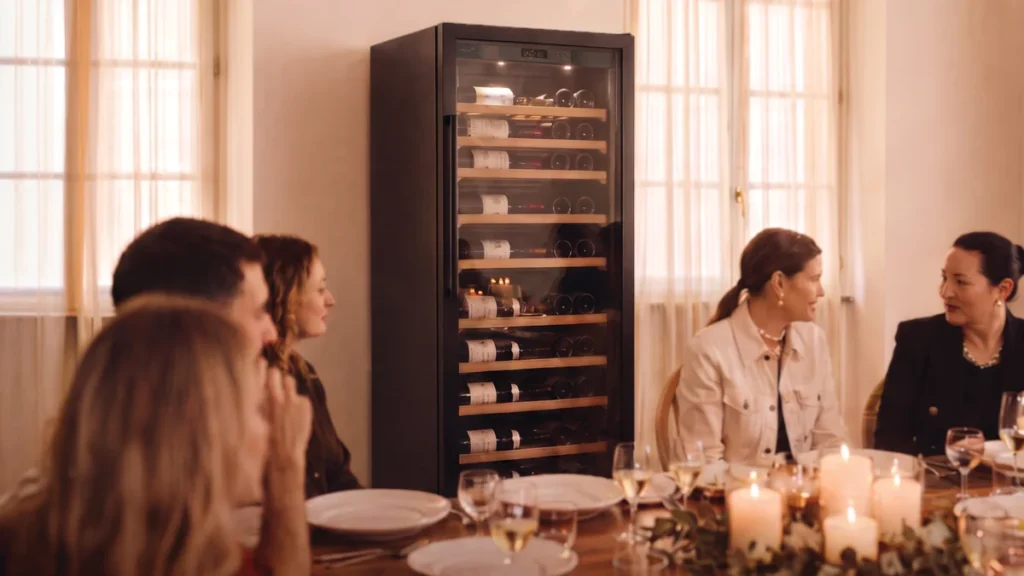
In the dining room, wine storage should be as much about display as it is about preservation. A high-capacity cellar, like the EuroCave La Première L, provides the necessary volume for a serious collector while acting as a sophisticated piece of furniture. For those with limited space, a sideboard with integrated cooling, such as the Bardi Modular Sideboard, offers a dual-purpose solution that keeps spirits, glassware, and wine in a single, accessible location. This integration encourages guests to linger, turning a simple dinner into a curated tasting experience.

The Living Room: Where Socializing Happens
The living room is the natural theater for entertaining. Placing a wine cellar here makes the act of selection a communal activity. A showcase cellar, such as the VinoView L 155 Smart Wi-Fi Wine Cellar, allows for visual appreciation of the labels, effectively turning the collection into a dynamic art installation. Furniture-style cabinets ensure that the technology remains discreet, preventing the space from feeling like a sterile, clinical environment.

The Home Office: The "After-Hours" Transition
As remote work continues to redefine domestic boundaries, the home office has become a multipurpose environment. To facilitate a seamless transition from "work mode" to "happy hour," many professionals are opting for low-profile, sleek wine refrigerators. The Wine Enthusiast Swirl 22-Bottle Frameless Glass Refrigerator is a prime example of equipment that complements a modern office aesthetic while providing an immediate reward for completing the day’s tasks.
The Basement: The Dedicated Sanctuary
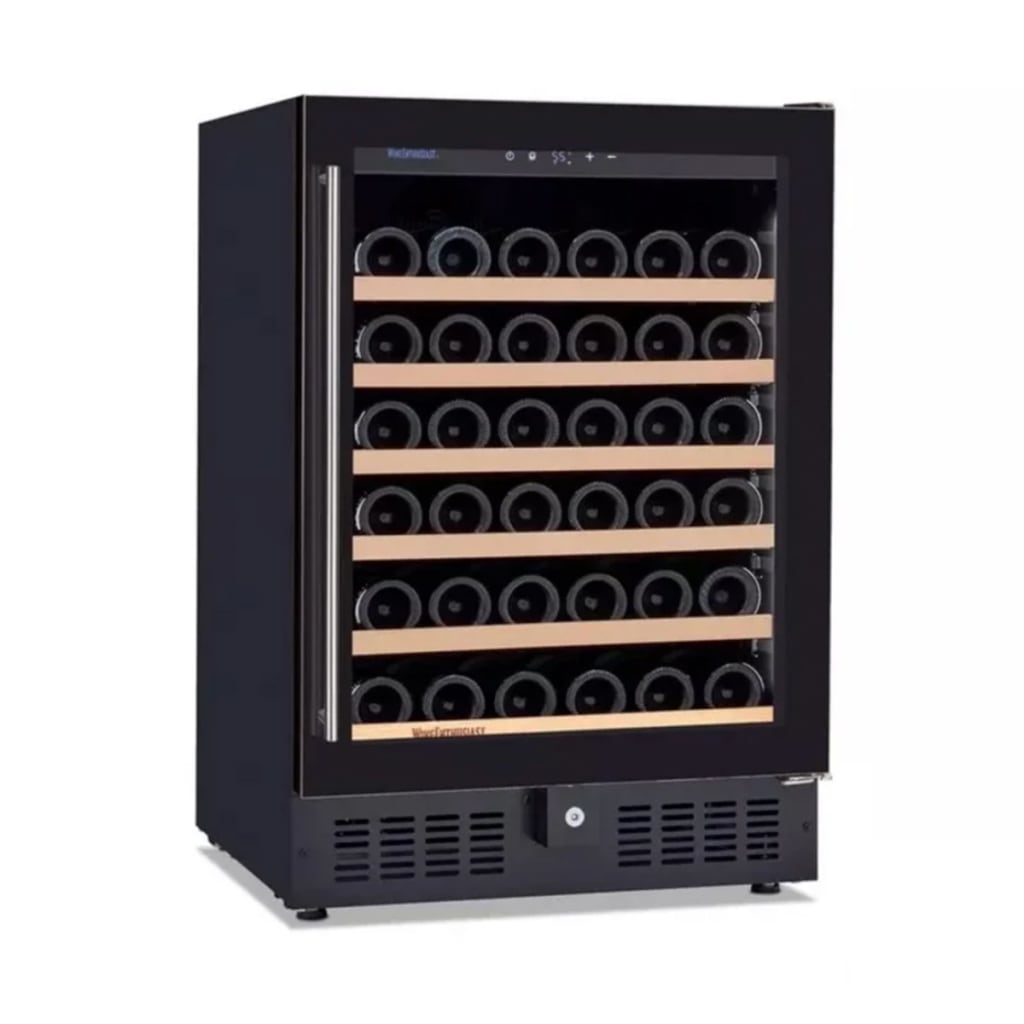
For the true enthusiast with a growing collection, the basement offers the necessary square footage for a comprehensive cellar. However, basement environments are often subject to significant temperature fluctuations and humidity issues. It is critical to utilize high-capacity, heavy-duty storage, such as the Classic XL 300-Bottle Wine Cellar. These models are engineered to handle subterranean conditions, providing a stable, protective environment that allows a collection to mature gracefully over years or even decades.

The Garage: Tapping into Untapped Potential
When interior space is at a premium, the garage serves as a viable, if challenging, location. Because garages are often unconditioned spaces, standard indoor appliances will struggle to maintain consistency. Homeowners must invest in "wine vaults" specifically engineered for extreme ambient temperatures. The Classic 250-Bottle Wine Vault features advanced insulation and robust cooling systems, ensuring that even in a garage, the delicate chemistry of the wine remains uncompromised.

The Technical Imperatives: Why Specialized Storage Matters
The importance of specialized wine storage cannot be overstated. Wine is a living product, highly sensitive to its environment. The "enemies of wine"—temperature fluctuations, UV light, vibration, and improper humidity—can degrade a fine vintage in a matter of months.

- Temperature Stability: A fluctuation of even a few degrees can cause the cork to expand and contract, allowing air to seep into the bottle and oxidize the contents.
- UV Protection: Sunlight is the natural enemy of tannins. Glass doors on modern cellars are typically treated with UV-resistant coatings to prevent light-strike.
- Vibration Dampening: Constant, low-level vibration from standard appliances can disturb the sediment in aged wines, leading to a gritty texture and a loss of clarity.
- Humidity Control: Maintaining a consistent humidity level (ideally between 50% and 70%) is vital for keeping the cork moist and airtight.
Implications for Modern Home Design
The trend toward integrating wine storage throughout the home is reflective of a broader cultural shift: the "homebody" economy. As people spend more time in their private residences, they are investing in amenities that prioritize comfort, hobby-based activities, and luxury.

This trend has significant implications for home value and architectural planning. Real estate professionals have noted that "wine-ready" spaces are increasingly viewed as a premium amenity, similar to a high-end chef’s kitchen or a smart-home security system. When planning a renovation, incorporating dedicated space for wine storage is now considered a forward-thinking investment.

Expert Recommendations and Future Outlook
For those looking to begin their journey into home wine storage, the consensus among design experts and sommeliers is to start with a clear understanding of one’s collection size and consumption habits.

- For the Occasional Sipper: A small, 18-to-24-bottle undercounter unit is sufficient.
- For the Serious Collector: A combination of a display cellar in a social area and a long-term storage unit in a basement or garage is the gold standard.
- For the Aesthetic-Focused Homeowner: Modular systems, such as the EuroCave Modulo-X, offer the flexibility to grow the storage footprint alongside the collection, ensuring the setup remains visually balanced at every stage.
As technology continues to integrate with home appliances, we can expect to see further innovations, including AI-driven inventory management, where a cellar can track the age, provenance, and optimal drinking window of every bottle, sending alerts to the homeowner’s smartphone.

Conclusion
Turning ordinary spaces into wine destinations is an exercise in both interior design and careful preservation. By understanding the unique requirements of each room and selecting the appropriate technology, homeowners can elevate their living environments while protecting the integrity of their collections. Whether it is a small, quiet retreat in a home office or a sprawling, climate-controlled basement cellar, the goal remains the same: to create a space that encourages the appreciation, enjoyment, and preservation of wine.

In the modern home, the cellar is no longer a dark, hidden utility—it is a centerpiece, a conversation starter, and an essential component of a life well-lived. By thoughtfully selecting and placing these storage solutions, you are not just buying an appliance; you are investing in the art of the pour.