The Unseen Hand: Unpacking Industry Influence in Elite Nutrition Science and the Real Story of Nuts
Main Facts
The integrity of nutrition science, a field vital to public health, is under intense scrutiny. At the heart of a recent controversy lies The American Journal of Clinical Nutrition (AJCN), often lauded as the highest-ranked peer-reviewed scientific journal in nutrition and dietetics. Despite its prestigious standing, AJCN’s financial ties to powerful industry groups – including The Sugar Association, major soda companies, and the meat, dairy, and egg industries – raise serious questions about potential conflicts of interest and their impact on published research. A striking example of this concern surfaced with the journal’s publication of an article asserting that red meat "does not negatively influence cardiovascular disease risk factors." This claim sparked immediate criticism from prominent nutrition experts who exposed a fundamental flaw in the study’s methodology: the primary comparisons were made between different types of animal protein (red meat versus white meat or fish), rather than against plant-based alternatives.
This methodological sleight of hand allowed researchers to present findings that seemingly absolved red meat, despite overwhelming evidence linking animal protein consumption to elevated cholesterol levels. Critics highlighted that comparing red meat to other animal proteins like chicken or fish, which themselves are known to negatively impact cardiovascular health markers like LDL cholesterol, is akin to comparing two unhealthy options and declaring one "not worse" than the other. In stark contrast, studies that genuinely swap animal proteins for plant-based alternatives, such as legumes, soy, or nuts, consistently demonstrate significant improvements in cholesterol profiles.
Amidst this debate over research integrity, a powerful and independently verified dietary hero emerges: nuts. Far from merely being a healthier substitute for animal protein, regular nut consumption has been linked to profound health benefits, including a 22% reduction in the risk of premature death and a significant drop in heart attacks. Crucially, these benefits appear to be largely independent of an individual’s overall dietary pattern, extending even to non-vegetarians and those with pre-existing health conditions. Indeed, some research suggests nuts may offer a greater protective effect against premature mortality than even vegetables, underscoring their potent and broad-spectrum health advantages. This dichotomy – compromised research alongside robust, independent findings – casts a long shadow over the current landscape of nutrition science, demanding greater transparency and a renewed focus on unbiased inquiry.
Chronology of Scrutiny and Scientific Revelation
The journey to unraveling the complexities of dietary science, particularly concerning the roles of animal and plant proteins, is marked by a series of pivotal publications and critical rebuttals. For decades, The American Journal of Clinical Nutrition (AJCN) has held a revered position in the scientific community, publishing research that often shapes public health recommendations. Its self-proclaimed status as the "highest-ranked peer-reviewed scientific journal in nutrition and dietetics" has long lent an air of unimpeachable authority to its contents.
However, the late 2010s saw a growing unease amongst independent researchers and public health advocates regarding the journal’s financial backing. The revelation that the American Society of Nutrition, AJCN’s publisher, counted industry giants like The Sugar Association, major beverage companies, and powerful lobbies representing the meat, dairy, and egg sectors among its "sustaining partners" began to raise eyebrows. This institutional entanglement became a focal point of concern, particularly as studies appeared in AJCN that seemed to align with the commercial interests of these partners.
A prime example of this emerging conflict surfaced in 2016 with the publication of a meta-analysis that concluded red meat consumption "does not negatively influence cardiovascular disease risk factors." This study, appearing in a journal affiliated with the National Cattlemen’s Beef Association, immediately drew fire for its unconventional conclusions, which seemed to contradict a vast body of prior research.
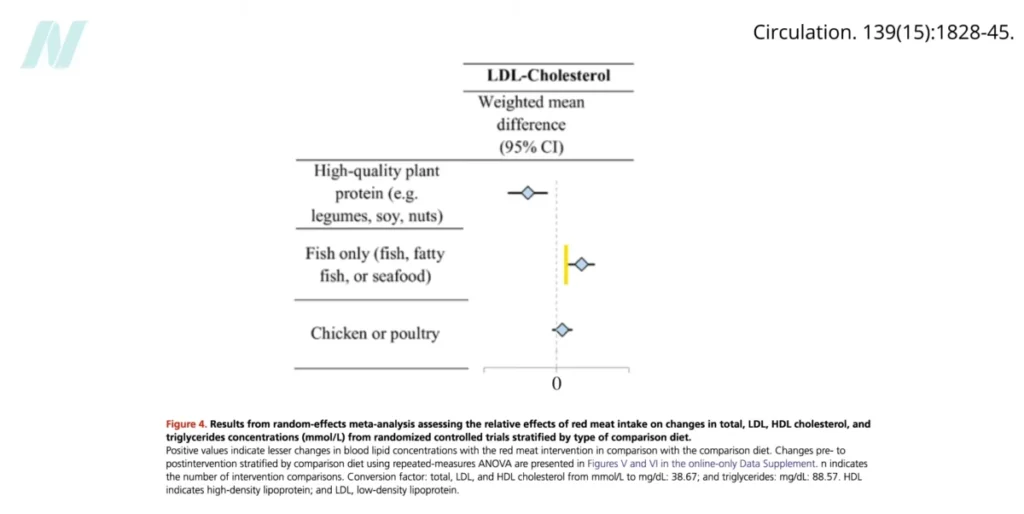
The scientific community’s response was swift and pointed. In 2017, just a year after the controversial red meat paper, highly respected nutrition experts, Drs. Neal Barnard and Walter Willett, published a scathing editorial in The American Journal of Clinical Nutrition itself, titled "The Misuse of Meta-analysis in Nutrition Research." Their editorial systematically dismantled the methodological flaws of the red meat study, pinpointing the critical question: "Compared with what?" They highlighted that nearly 90% of the trials analyzed in the original meta-analysis had simply substituted one form of animal protein for another – red meat for white meat like chicken or fish – rather than comparing animal protein to genuinely healthier, plant-based alternatives.
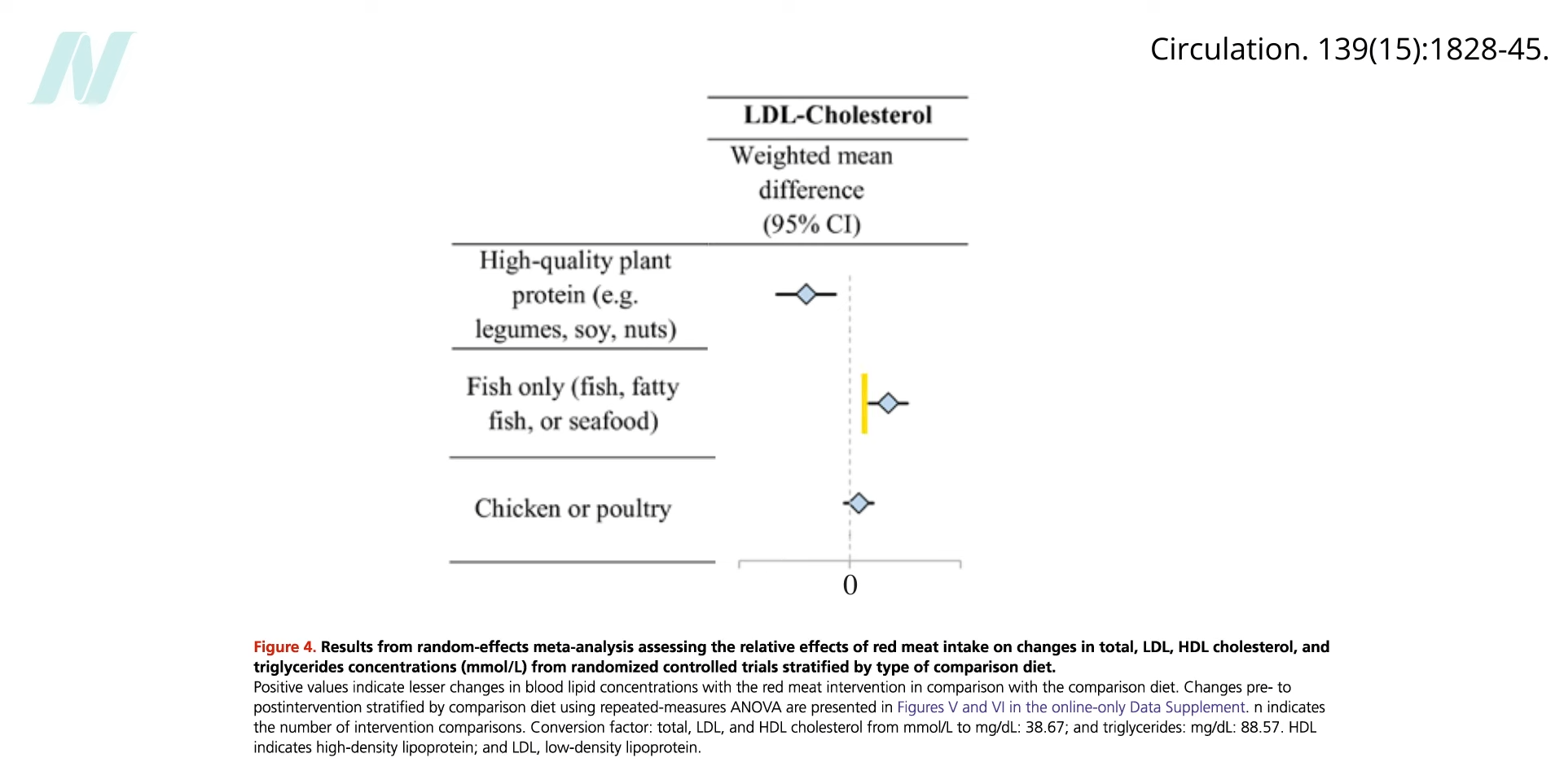
This critique spurred a deeper examination of dietary comparisons. Subsequent research, notably a 2019 study, further elucidated that both red and white meats, including poultry, tend to elevate LDL cholesterol more than non-meat protein sources, even when saturated fat content is controlled. This reinforced the argument that simply swapping animal proteins offers little to no cardiovascular benefit compared to replacing animal proteins with plant-based options.
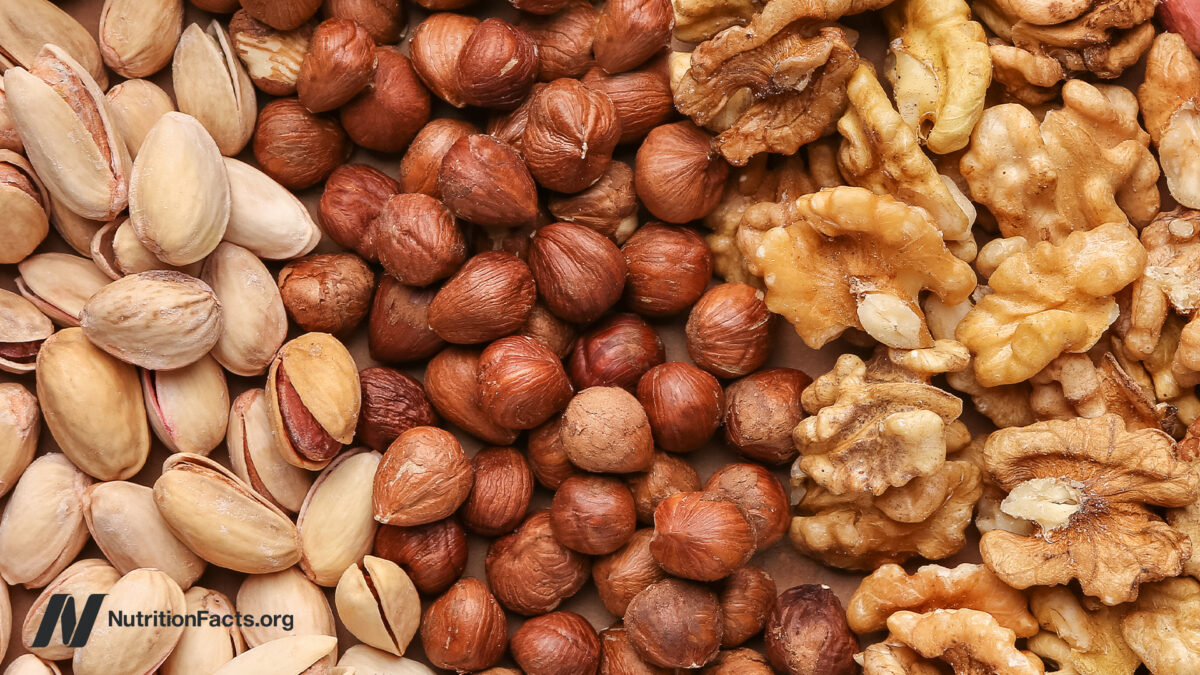
Concurrently, independent studies continued to build an irrefutable case for the health benefits of nuts. Research published in various journals consistently demonstrated that regular nut consumption independently correlates with reduced mortality and improved cardiovascular outcomes, irrespective of an individual’s overall dietary pattern or health status. This parallel narrative of industry-influenced research on one hand and independently validated dietary wisdom on the other, continues to shape the ongoing discourse around what constitutes truly healthy eating.
Supporting Data: Deconstructing Bias and Confirming Plant Power
The bedrock of sound scientific inquiry rests on unbiased methodology and transparent reporting. Yet, the case of nutrition research, particularly concerning animal products, reveals how even prestigious journals can be compromised by financial allegiances.
The Elephant in the Room: Industry Partners and Journal Integrity
The American Journal of Clinical Nutrition (AJCN)’s status as a top-tier journal makes its ties to industry sustaining partners particularly troubling. These partners, ranging from The Sugar Association to various sectors of the meat, dairy, and egg industries, represent powerful commercial interests whose primary goal is to promote their products. While journals often maintain that a "firewall" exists between funding and editorial decisions, the sheer volume of industry funding inevitably creates an environment ripe for subtle, or even overt, influence. This influence might manifest not just in direct pressure on specific articles, but in the broader framing of research questions, the selection of peer reviewers, or the prioritization of studies that align with commercial objectives. The perception of a conflict of interest alone can erode public trust in scientific findings, regardless of the actual intent.
The "Compared With What?" Fallacy: Red Meat and the Control Group Conundrum
The controversial 2016 meta-analysis claiming red meat has no negative impact on cardiovascular risk factors perfectly illustrates the perils of flawed comparative research. As Drs. Barnard and Willett meticulously pointed out, the "fatal flaw" lay in the choice of control groups. A meta-analysis, by definition, pools data from multiple individual studies to achieve greater statistical power and a more robust conclusion. However, if the underlying studies are themselves flawed in their design, the meta-analysis will only amplify those flaws.
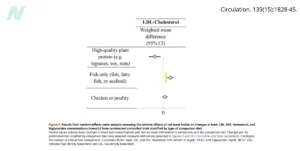
In this instance, 39 trials on LDL cholesterol were included, but nearly 90% of them compared red meat consumption to other animal proteins, such as chicken or fish. This is critical because, as numerous studies have established, consuming various forms of animal protein, including white meat and fish, can have similar detrimental effects on cholesterol levels as red meat. For example, research indicates that the impact of consuming beef on cholesterol is comparable to that of fish or poultry. Therefore, when researchers observed no significant difference in cholesterol levels between groups consuming red meat and those consuming white meat, their conclusion that red meat "does not negatively influence cardiovascular disease risk factors" was profoundly misleading. It implied that red meat was benign, when in reality, it was simply being compared to an equally problematic alternative.
This tactic is strikingly similar to a classic pharmaceutical industry maneuver: testing a new drug against a placebo or a treatment known to be ineffective, thereby making the new drug appear superior. In the dietary context, it’s like comparing the health effects of eating Twinkies versus Ding Dongs and concluding that total Twinkie intake "does not negatively influence risk factors" because the Ding Dong group didn’t fare any better. The logical, and scientifically sound, comparison should have been against a genuinely healthy, plant-based diet or a diet with significantly reduced animal protein intake.
The Power of Plants: Real Reductions in Cholesterol
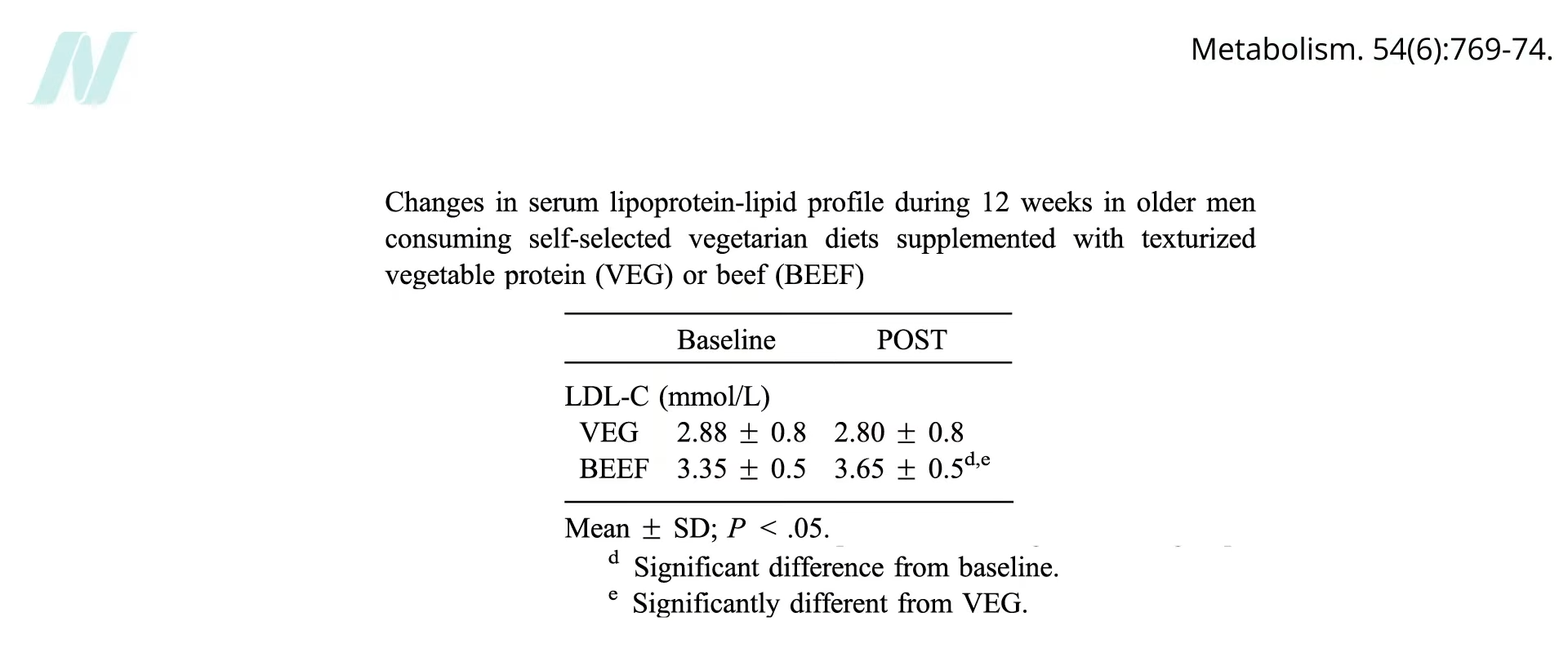
When the methodological flaw is corrected, and animal proteins are genuinely swapped for plant-based alternatives, the results are unequivocal. Studies show that replacing animal-based meat with plant-based alternatives – such as plant-based sausages, chicken patties, or veggie dogs – leads to significantly lower cholesterol levels. This is partly attributable to the lower saturated fat content typically found in plant-based meats.
However, the benefits extend beyond just saturated fat. Research from 2019 demonstrated that even independent of saturated fat content, consuming red meat or white meat (any kind of meat) results in higher LDL cholesterol compared to non-meat protein sources. This implies that components other than just saturated fat in animal products contribute to adverse cholesterol profiles. The researchers involved in such studies consistently conclude that these findings are "keeping with recommendations promoting diets with a high proportion of plant-based food."
Further granularity reveals that fish, often perceived as a healthier alternative, can sometimes be even worse than beef for cholesterol when saturated fat content is standardized (e.g., by adding butter to fish dishes to match beef’s fat profile). Chicken, under similar controlled conditions, often performs just as poorly as beef in terms of cholesterol impact. In contrast, plant protein sources – including soy, nuts, and legumes (beans, split peas, chickpeas, and lentils) – consistently demonstrate superior outcomes, leading to lower LDL cholesterol levels.
Nuts: A Cornerstone of Longevity, Independent of Other Dietary Choices
The evidence for the independent health benefits of nuts is robust and compelling. Replacing even a single serving of lean beef with an equivalent caloric amount of nuts or soybeans has been shown to lower LDL cholesterol, a primary risk factor for cardiovascular disease – the leading cause of death globally.
This dietary intervention translates into significant reductions in overall mortality. A single serving of nuts a day is associated with a remarkable 22% reduction in the risk of premature death. Shockingly, millions of deaths globally each year may be attributable to inadequate nut intake, highlighting the profound impact this simple dietary inclusion can have.
Crucially, the health benefits of nuts are not limited to those already following an otherwise healthy diet or a vegetarian lifestyle. The reduction in heart attacks observed among frequent nut eaters is equally strong among non-vegetarians. Furthermore, the reduced mortality associated with nut consumption has been found to be independent of an individual’s existing health condition. This suggests that nuts offer intrinsic protective effects, rather than merely acting as a marker for an overall healthy lifestyle. In a comprehensive comparison of a dozen different food groups, nuts even outperformed vegetables when it came to a lower risk of premature death, cementing their status as a nutritional powerhouse. The rich blend of healthy fats, fiber, vitamins, minerals, and antioxidants in nuts likely contributes to these broad protective effects, including improved endothelial function, reduced inflammation, and better blood sugar control.
Official Responses and the Silence of Accountability
In the wake of such pointed critiques from leading experts like Drs. Barnard and Willett, one might expect a robust defense from The American Journal of Clinical Nutrition (AJCN) or a detailed rebuttal from the authors of the controversial red meat meta-analysis. However, public responses to criticisms regarding industry influence in scientific publishing are often characterized by strategic silence or generalized assurances rather than direct engagement with the core issues of bias and methodological integrity.
Typically, scientific journals, when confronted with accusations of industry influence, will issue statements affirming their commitment to editorial independence and the rigor of their peer-review process. They might emphasize that all submitted manuscripts undergo the same stringent evaluation, irrespective of potential funding sources or affiliations. The American Society for Nutrition (ASN), as the publisher of AJCN, would likely reiterate its mission to advance nutrition science through research and education, asserting that its sustaining partners do not dictate editorial content or scientific outcomes. They might also argue that diversified funding sources are necessary to support scientific endeavors and that proper disclosure of conflicts of interest is sufficient to maintain transparency.
However, such generalized defenses often fail to address the specific concerns raised by critics. In the case of the red meat meta-analysis, the fundamental methodological flaw – the choice of inadequate control groups – was so pronounced that it could not be easily dismissed by procedural assurances. The silence on a detailed, scientific rebuttal to Barnard and Willett’s editorial is telling. It suggests that the criticisms struck at the heart of the study’s validity, leaving little room for a credible scientific defense of the comparison strategy.
From the perspective of the industry partners, such as the National Cattlemen’s Beef Association or The Sugar Association, their stance would predictably involve defending their products and supporting research that presents them in a favorable light. They might emphasize the importance of a "balanced diet" that includes their products, or selectively highlight studies that support their nutritional value, while downplaying or dismissing research that suggests adverse health effects. Their involvement as "sustaining partners" in a leading nutrition journal could be framed as a commitment to scientific advancement and public health, rather than an attempt to influence research outcomes. They would likely argue that their funding merely facilitates important research without directing its conclusions.
The broader scientific community’s response has been mixed. While many independent researchers echo the concerns raised by Barnard and Willett, the hierarchical nature of academic publishing can make it challenging for junior researchers to openly critique powerful institutions or journals. Nevertheless, the increasing public awareness of conflicts of interest in nutrition science has led to a growing demand for greater transparency in research funding and more rigorous scrutiny of methodologies, especially when findings deviate significantly from established scientific consensus or align suspiciously with commercial interests. The lack of a definitive, transparent official response that directly addresses the methodological criticisms and the implications of industry funding continues to fuel skepticism and underscores the urgent need for systemic reform in how nutrition research is funded, conducted, and published.
Implications for Public Health, Policy, and Research Integrity
The intricate web of industry funding, journal affiliations, and questionable research methodologies carries profound implications for public health, the integrity of dietary guidelines, and the future direction of nutrition science.
Erosion of Public Trust and Confusion in Dietary Advice
Perhaps the most damaging consequence of perceived or actual industry influence in nutrition research is the erosion of public trust. When consumers encounter conflicting dietary advice – one day red meat is deemed benign, the next it’s linked to chronic disease – they become confused and disillusioned. This confusion makes it harder for individuals to make informed choices about their diet, potentially leading to poorer health outcomes. If the public loses faith in the scientific process, they may become more susceptible to fads, misinformation, or predatory marketing, undermining decades of genuine scientific progress. The perception that science can be bought or manipulated threatens the very foundation of evidence-based health recommendations.
Undermining Dietary Guidelines and Policy Formation
The struggle for unbiased nutrition research directly impacts the formation of national and international dietary guidelines. These guidelines, developed by governmental bodies and expert committees, are meant to provide clear, evidence-based recommendations for healthy eating. However, if the foundational research is tainted by industry interests, the guidelines themselves become vulnerable to compromise. As the original article hints with "The Corporate Playbook Behind Undermining Dietary Guidelines," powerful lobbies have a vested interest in shaping these recommendations to favor their products. This can lead to diluted or ambiguous advice that fails to adequately protect public health, particularly concerning the consumption of highly processed foods, sugary drinks, and certain animal products. Policymakers rely on robust, unbiased science to enact effective public health interventions, and compromised research weakens their ability to do so.
The Imperative for Research Reform and Transparency
The controversies surrounding AJCN and similar publications highlight an urgent need for systemic reform within nutrition research. This includes:
- Independent Funding Models: A shift towards funding mechanisms that are entirely independent of commercial food and beverage industries is crucial. Public funding for nutrition research must be increased to reduce reliance on private industry.
- Rigor in Methodology: Journals and peer reviewers must apply even stricter scrutiny to study designs, particularly regarding control groups and comparison interventions. Comparisons should always be made against genuinely healthier alternatives or a true placebo (e.g., a plant-based diet vs. an animal-based diet), not merely "less bad" options.
- Enhanced Transparency: Full disclosure of all funding sources, including indirect and institutional support, should be mandatory and easily accessible. Researchers should also disclose any personal financial ties to relevant industries.
- Open Science Practices: Promoting open data, open methodologies, and pre-registration of studies can help prevent selective reporting and post-hoc data manipulation.
Empowering Individual Choices and Critical Thinking
For the individual, understanding these underlying dynamics is empowering. It fosters critical thinking when evaluating health claims and dietary advice. Consumers should be encouraged to:
- Question the Source: Always consider who funded a study and where it was published.
- Look for Broader Consensus: Rely on the cumulative weight of scientific evidence, rather than isolated studies, especially those with surprising or counter-intuitive findings.
- Prioritize Whole, Unprocessed Foods: Focus on dietary patterns rich in fruits, vegetables, whole grains, legumes, and nuts, as these categories consistently demonstrate health benefits across a vast body of independent research.
The Undeniable Case for Plant-Based Nutrition
Despite the noise and confusion generated by industry-influenced research, the independent scientific consensus remains clear: a diet rich in plant-based foods, including nuts, offers significant health advantages. The robust, undeniable benefits of nuts – their ability to lower LDL cholesterol, reduce premature death, and protect against heart disease, irrespective of other dietary choices – stand as a testament to the power of uncompromised nutritional science. Incorporating a quarter cup (about an ounce) of nuts daily, as recommended by many independent nutrition experts, is a simple, evidence-backed step towards better health.
Ultimately, the ongoing debate serves as a critical reminder that vigilance is necessary to safeguard the integrity of science. The future of public health hinges on our ability to conduct and disseminate nutrition research free from the unseen hand of commercial interest, ensuring that dietary advice is truly in the best interest of human well-being.