A Horticultural Pilgrimage: Lessons from the Royal Botanic Garden Sydney
For the plant-obsessed traveler, a destination is defined not by its museums or its nightlife, but by its soil, its climate, and the botanical treasures that thrive within its borders. My journey to the Southern Hemisphere this past February was exactly that: a pilgrimage to the verdant heart of New South Wales. At the center of this experience was the Royal Botanic Garden Sydney, an extraordinary 74-acre sanctuary that serves as a testament to the power of botanical curation and environmental stewardship.
The Oasis in the Harbour: An Overview
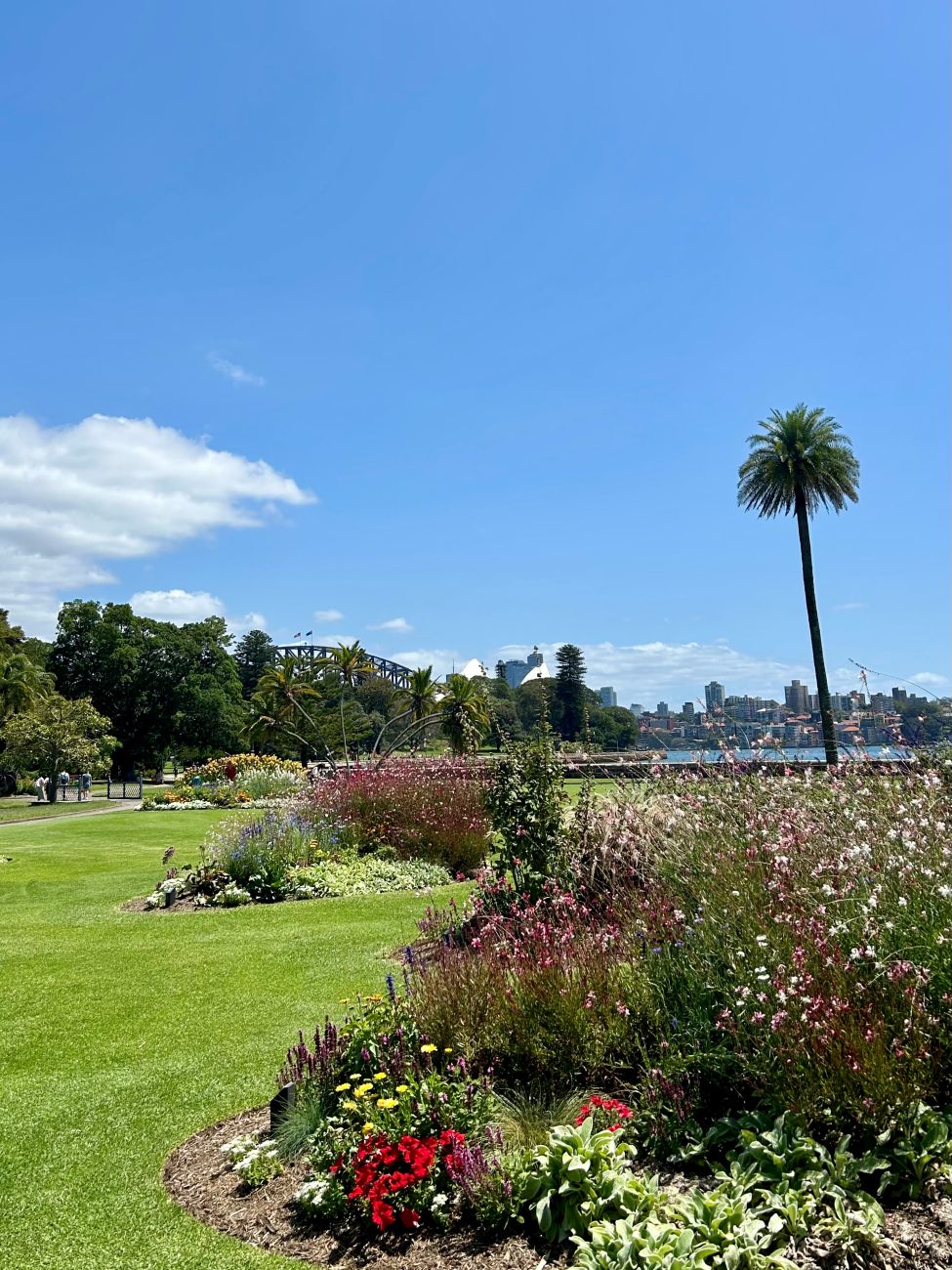
Nestled mere steps from the world-famous Sydney Opera House and the majestic curve of the Sydney Harbour Bridge, the Royal Botanic Garden Sydney is a rare gem of urban planning. It is an accessible, free-to-the-public oasis that stands in stark, tranquil contrast to the bustling metropolitan energy of Australia’s largest city.
Established in 1816, the garden is the oldest scientific institution in the country. It is not merely a park for public enjoyment; it is a vital research hub. The Australian Institute of Botanical Science, housed within these grounds, continues to lead critical efforts in plant conservation, taxonomy, and ecological restoration. For those of us hailing from the Pacific Northwest (PNW) or Northern California, the garden offers a masterclass in adaptation, showcasing how flora from vastly different climates can be integrated into a cohesive, breathtaking landscape. During my five-day stay in Sydney, I found myself drawn back to the garden on three separate occasions, compelled by the sheer depth of its horticultural displays.
A Chronology of Discovery: From Tropical Wonders to Familiar Friends
My exploration began in the humid, subtropical pockets of the garden. Walking through the grounds felt like visiting a living catalog of plants that, in my home climate, are typically relegated to the status of indoor houseplants. Seeing gigantic bird’s nest ferns (Asplenium nidus) and sprawling philodendrons performing the roles of standard landscape shrubs was a revelation. It is a humbling experience to realize that what we treat as precious, fragile curiosities in the Pacific Northwest are, in this environment, as common as boxwood or holly.
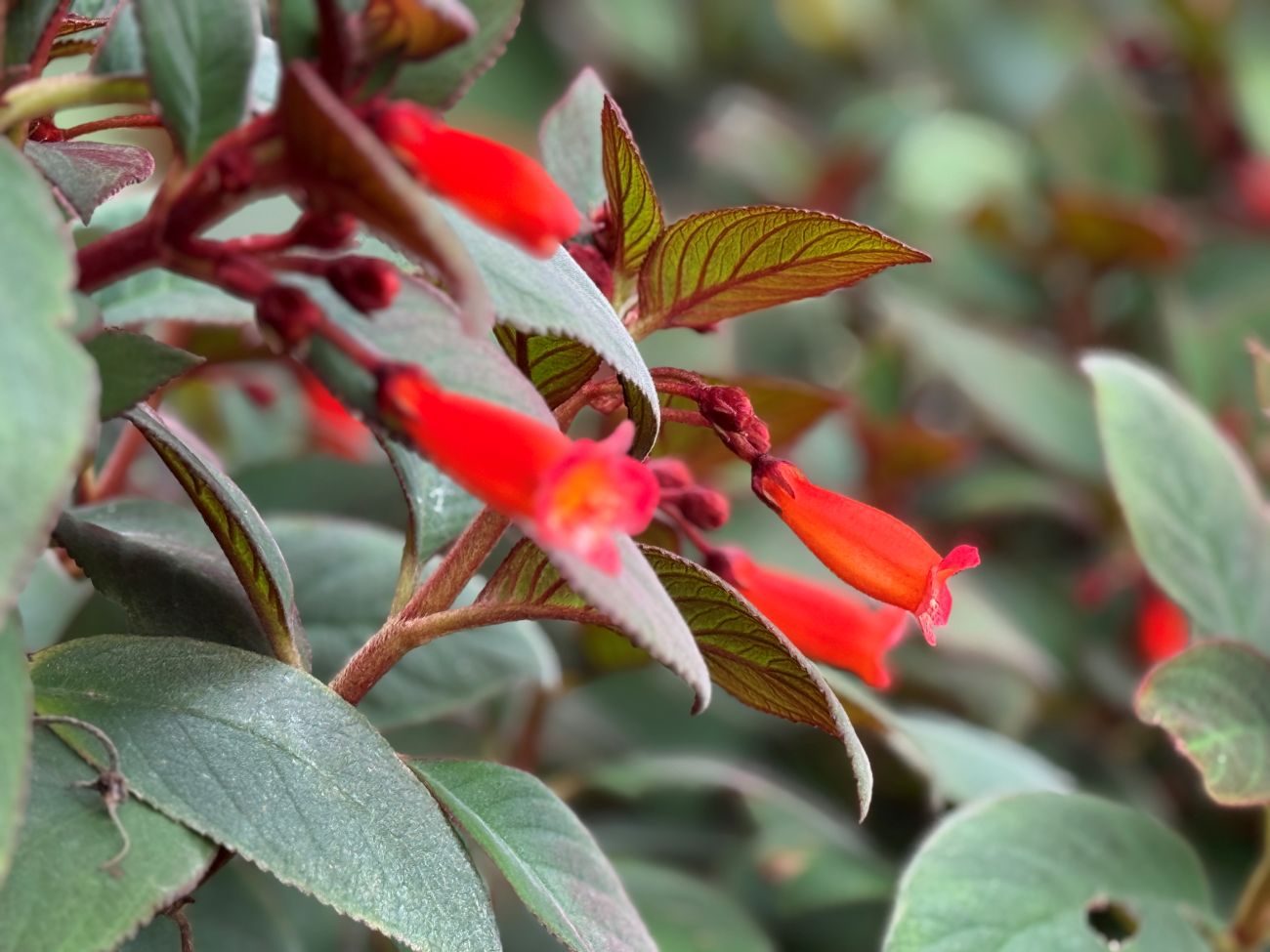
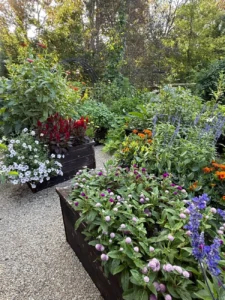
However, the garden is not exclusively tropical. One of the most fascinating aspects of my visit was discovering a surprising harmony between exotic species and familiar temperate garden staples. Throughout various borders, I encountered healthy populations of zinnias, fuchsias, petunias, salvias, geraniums, begonias, hydrangeas, and roses. These plants, which serve as the backbone of many North American perennial gardens, were thriving in the Australian summer, proof of the garden’s sophisticated approach to microclimate management.
The Succulent Sanctuary
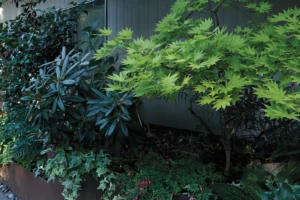
Perhaps the most surprising area was the succulent collection. Given the notorious humidity of a Sydney summer, I had expected to find these plants struggling. Instead, they were radiant. Arranged amidst boulders and framed by striking, industrial-style rusted Corten steel retaining walls, the collection was a triumph of design. It challenged my preconceptions about humidity tolerance and demonstrated that, with the right drainage and structural context, even the most desert-loving species can anchor a coastal, humid landscape.
Supporting Data: An Inventory of the Exceptional
The garden houses over 27,000 individual plants, a collection that includes an impressive array of rare and endangered species. My wanderings led me to a series of "traffic-stopping" exotics that have now topped my wishlist for my own nursery in Northern California.
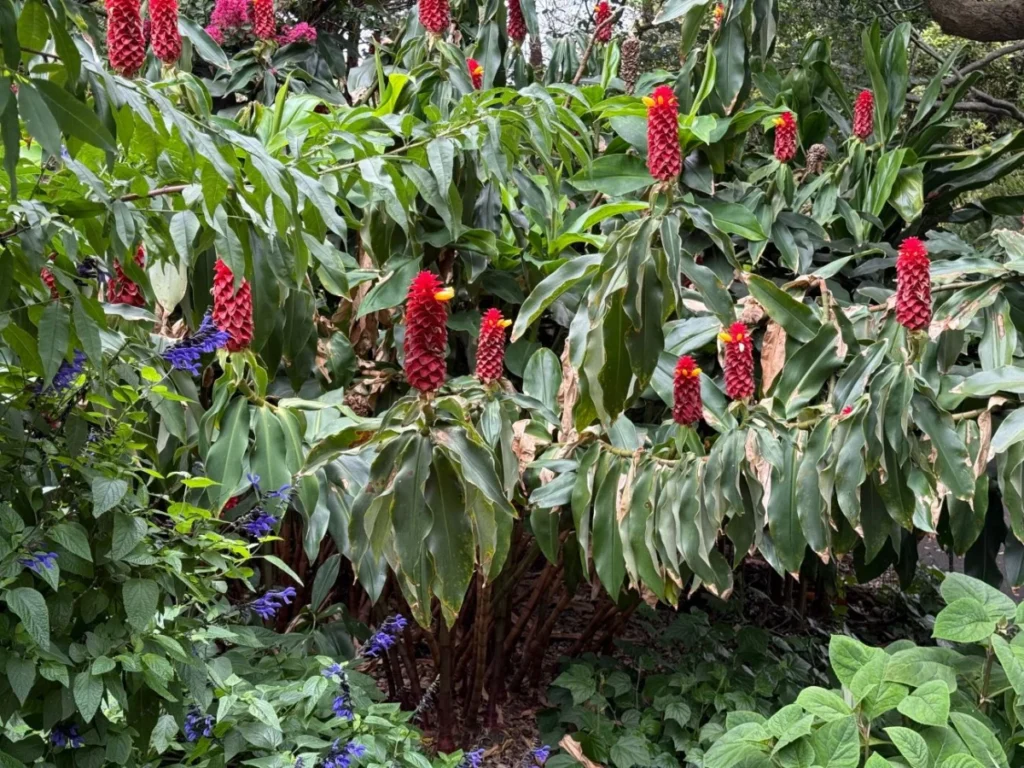
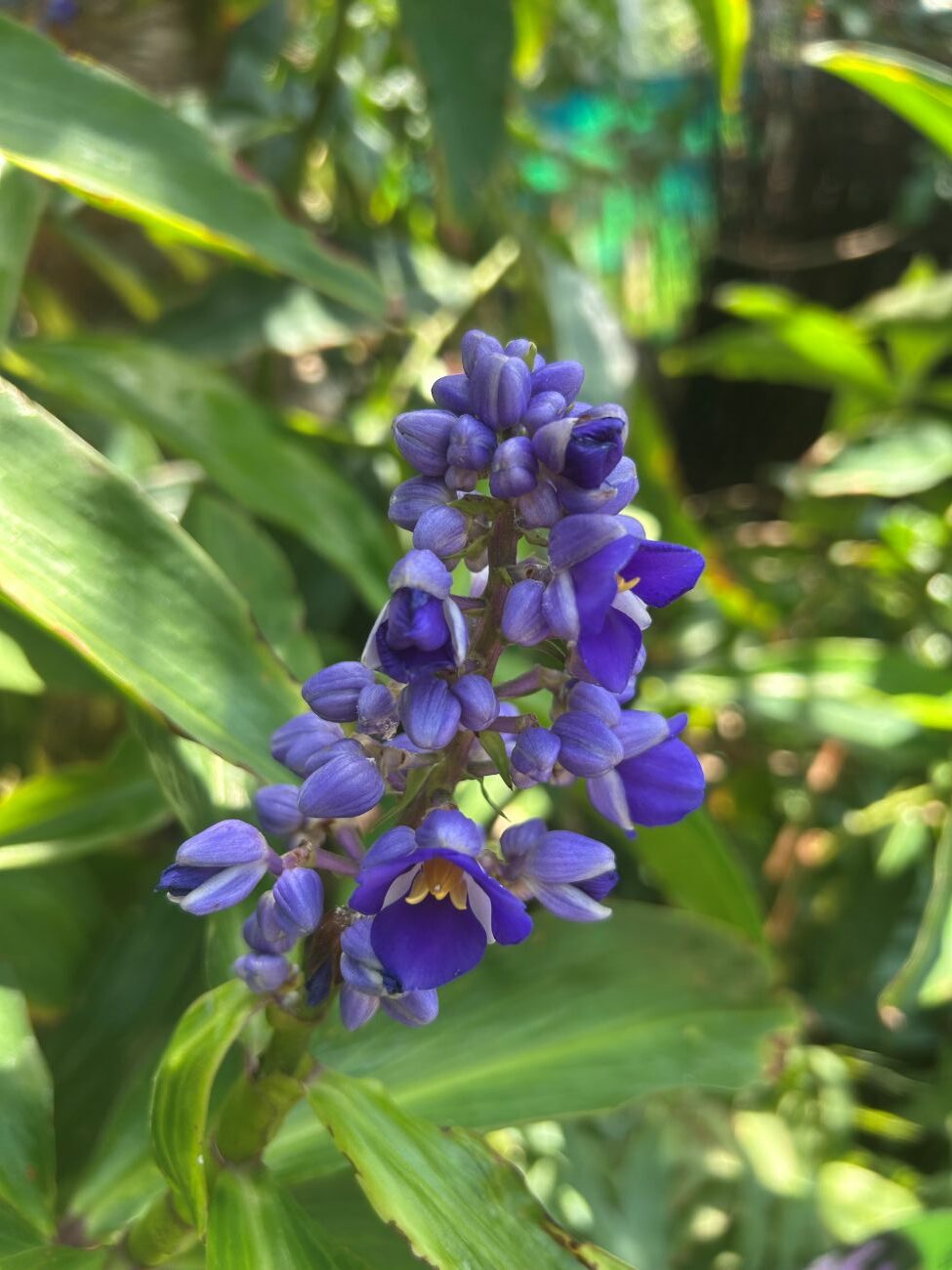
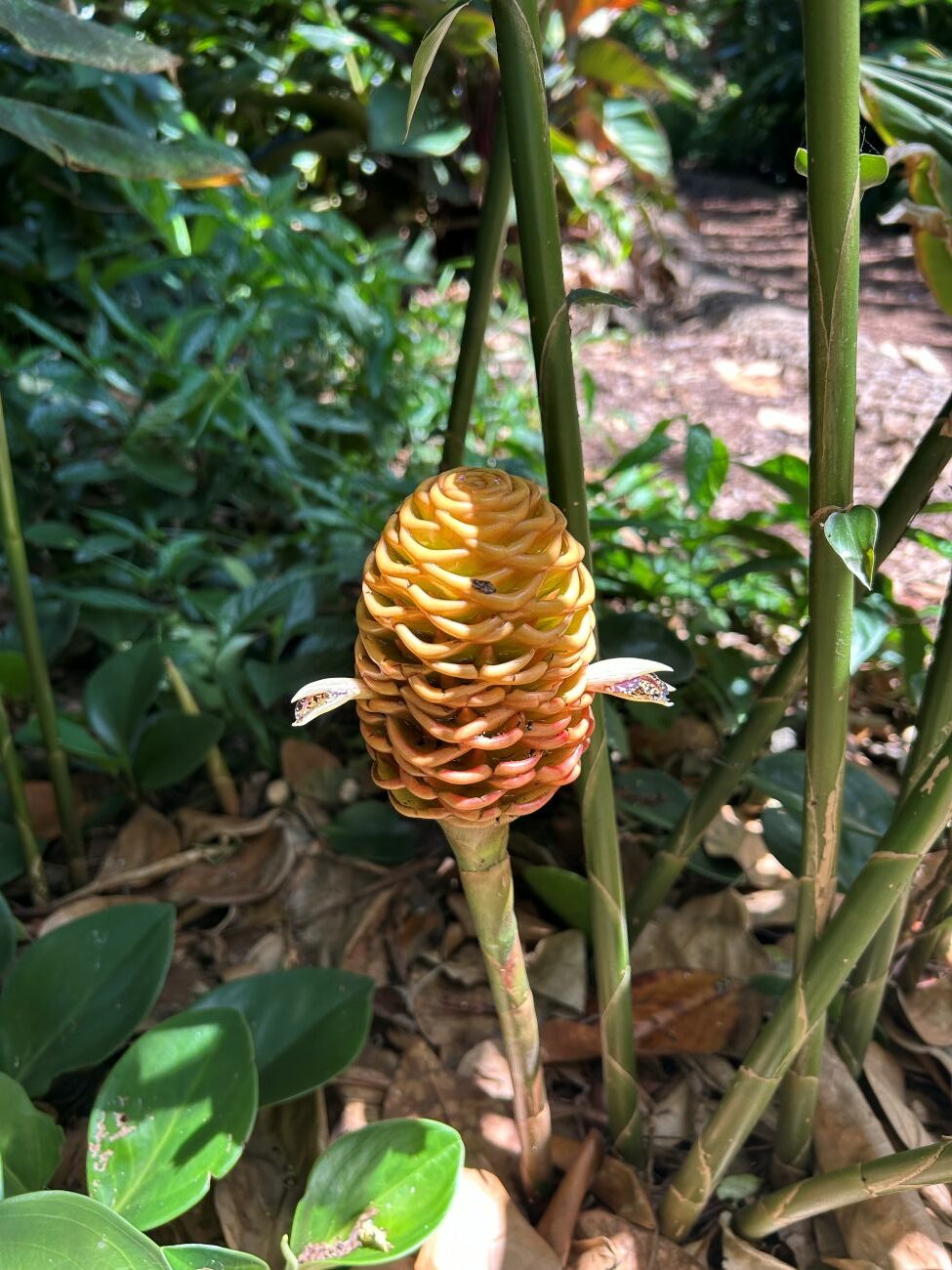
- The Ginger Collection: I was particularly captivated by the architecture of the flowers found in the ginger family. The blue ginger (Dichorisandra thyrsiflora), with its vivid, saturated petals, is a plant I am determined to trial in a sheltered, protected atrium. Other highlights included the red tower ginger (Costus comosus var. bakeri) and the structural, fascinating beehive ginger (Zingiber spectabile).
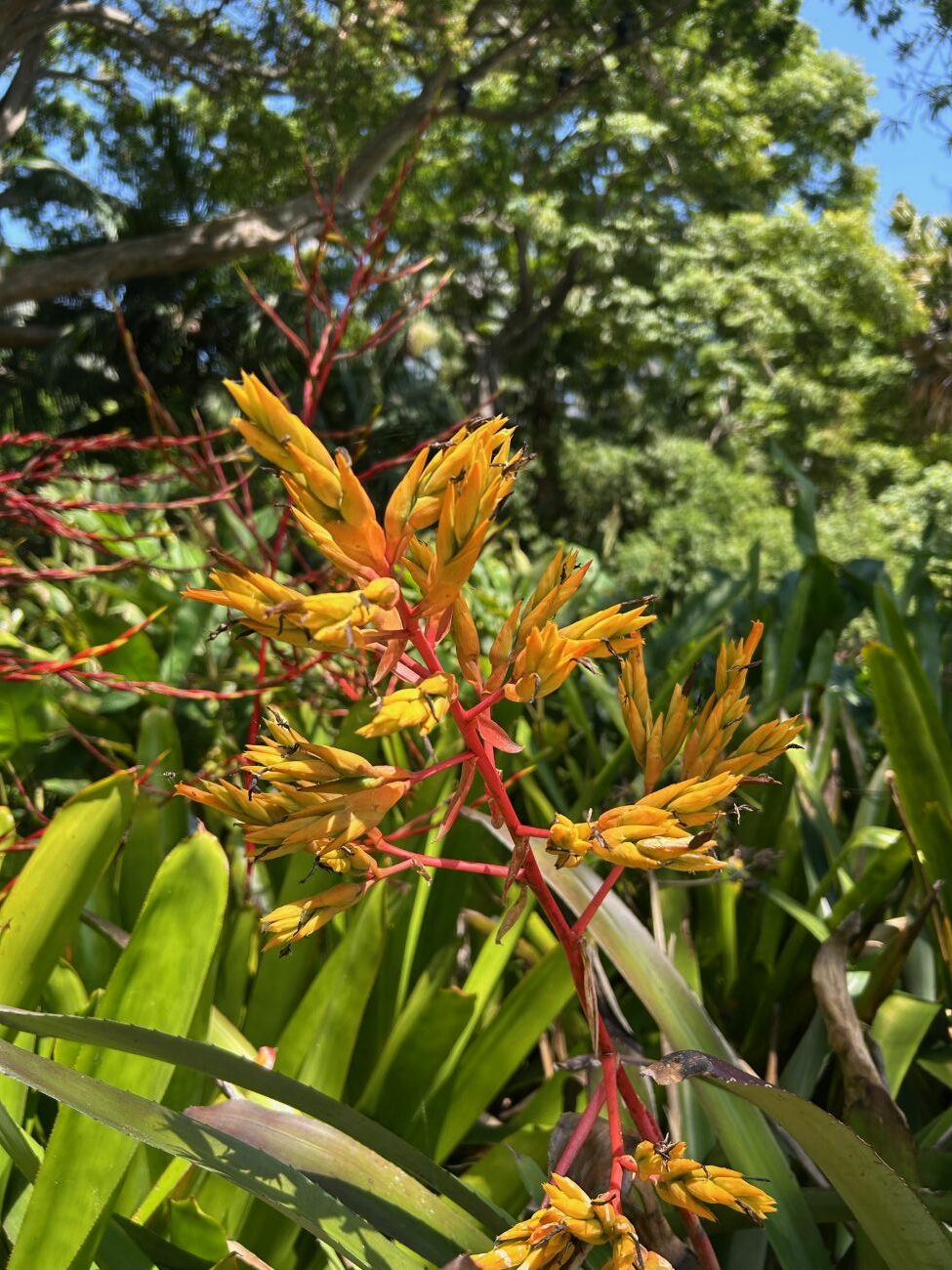
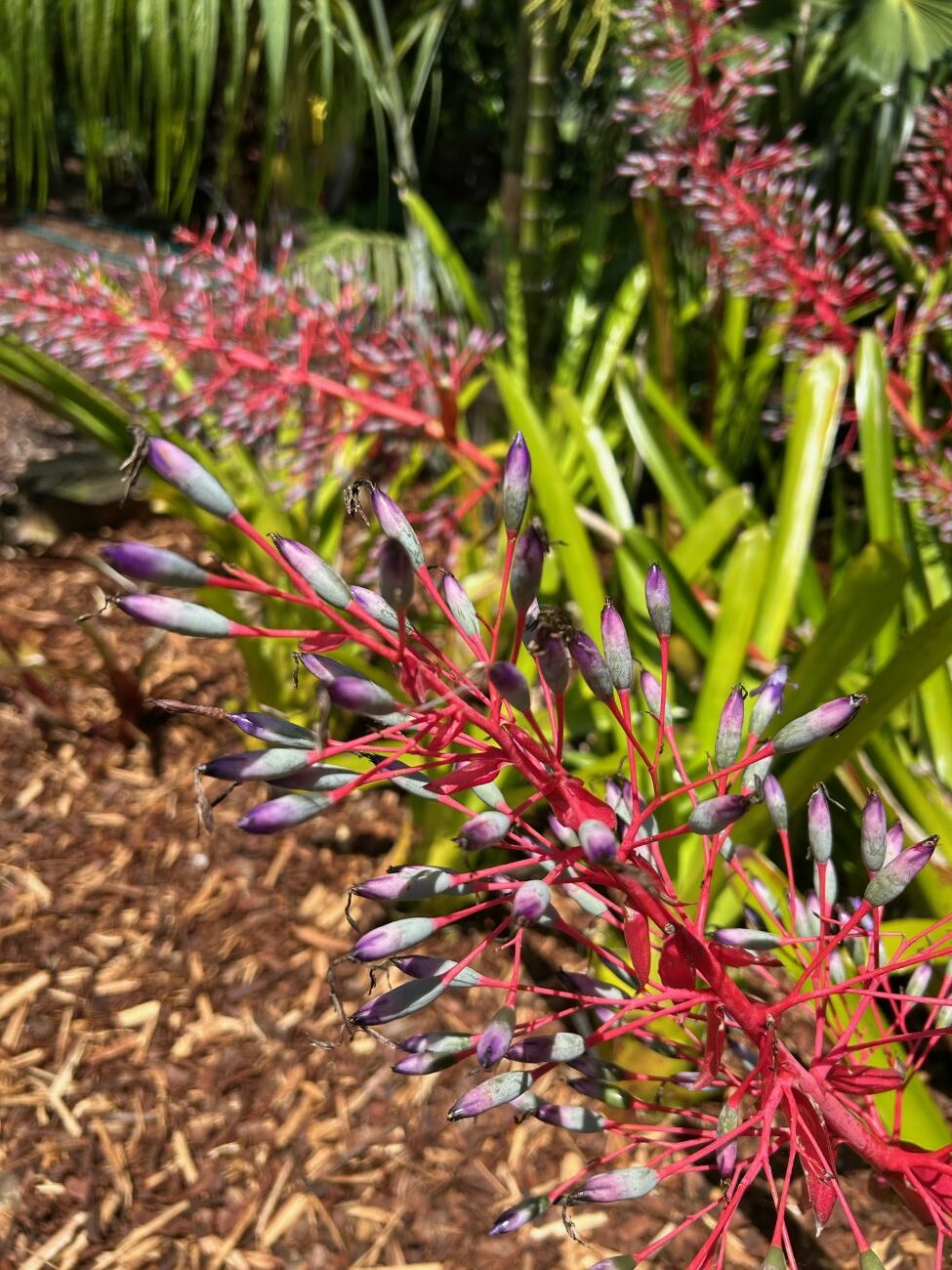
- The Bromeliad Displays: The garden’s urn plants, specifically Aechmea rubens and Aechmea fendleri, provided a masterclass in texture. These plants possess a sculptural quality that feels almost prehistoric, yet their blooms were vibrant and delicate.
- New Discoveries: Two plants in particular caught me off guard with their beauty. The first was the scarlet swamp hibiscus (Hibiscus coccineus), a North American native that looked ethereal in its Australian setting. The second was the ‘White Anzac’ bottlebrush (Callistemon citrinus ‘White Anzac’), which featured snowy, delicate blooms against a backdrop of fresh, apple-green foliage.
Note on Hardiness Zones: While I often reference USDA zones to categorize these plants, it is important to remember that these are U.S.-centric metrics. Sydney’s warm-temperate coastal climate behaves closer to Zone 11, though inland areas can experience significant cooling, reminding us that local climate data is always superior to generalized zone maps.
Official Perspectives: The Role of Scientific Stewardship
The Royal Botanic Garden does not exist merely for its beauty; it is a critical scientific asset. The ongoing work of the Australian Institute of Botanical Science involves rigorous research into the resilience of native species against changing climate patterns. By maintaining a living collection that spans such a vast array of global ecosystems, the garden acts as a genetic repository.
For the professional horticulturist, observing the garden’s maintenance practices is an education in itself. Their use of mass planting—arranging dozens of the same species in fluid, sweeping waves—creates a sense of visual unity that prevents the garden from feeling like a mere collection of individual specimens. It is a lesson in artistic restraint: by repeating colors and textures, the curators guide the visitor’s eye across the landscape, turning a walk through the park into a choreographed experience.
The Calyx: A Masterclass in Vertical Design
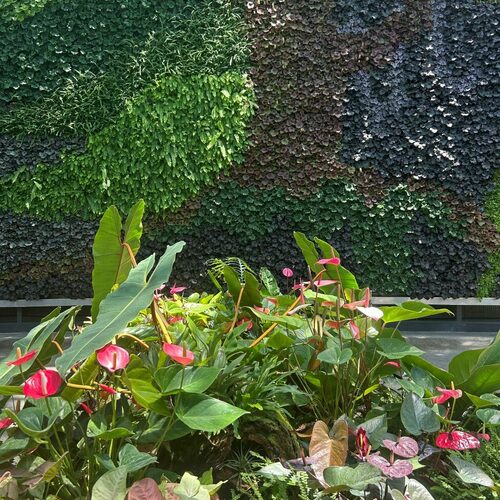
The most impressive feature of the garden is undoubtedly The Calyx. This space is home to a 150-foot-long, 20-foot-high curved living wall. This is not a wall of simple succulents; it is a sophisticated, high-tech installation featuring over 5,000 heucheras, ferns, and colorful impatiens.
The implications of this design are significant for urban landscapers. The wall utilizes a specialized system of deep root pockets and integrated misting to maintain high levels of hydration and nutrient access. The lesson here is twofold:
- Verticality: We often neglect vertical space in garden design, focusing solely on the ground plane. The Calyx proves that with the right support system, we can bring the complexity of a forest floor to eye level.
- Contrast and Repetition: The wall uses color-blocked waves of contrasting foliage. It is a simple concept, but one that is remarkably difficult to execute with such precision. It serves as an inspiration for any gardener with a shaded, blank wall and the desire to create a living tapestry.
Implications for the Home Gardener
Returning to Northern California, I have found myself looking at my own garden with fresh eyes. The "souvenirs" I brought back are not trinkets from a gift shop; they are design philosophies.
The idea of using "fountains" of flowers—replacing water in defunct fountain basins with overflowing petunias or other annuals—is an easy, high-impact project for any home gardener. Furthermore, the use of Corten steel as a backdrop for succulents has convinced me to rethink my own dry-garden boundaries. Even the concept of the living wall, while difficult to replicate at the scale of The Calyx, can be scaled down for residential patios or shady woodland corners.
Conclusion: The Ultimate Souvenir
Traveling internationally offers a specific type of growth for the horticulturist. It expands our mental library of what is possible, what is beautiful, and what is resilient. There is a profound joy in realizing that, despite the distance and the different hemispheres, the language of gardening is universal. Whether it is a gardener in Sydney or a nursery manager in Petaluma, we are all chasing the same goal: to create a space that offers beauty, supports local ecosystems, and invites us to slow down and observe the miraculous life cycle of plants.
If you find yourself in Sydney, do not treat the Royal Botanic Garden as a simple tourist stop. Treat it as a masterclass. Bring a notebook, bring your camera, and be prepared to leave with a list of plants and design ideas that will occupy your thoughts—and your garden beds—for years to come.