From Boardrooms to Bloom: How Laura Grimm Cultivated a Floral Empire in Far Hills
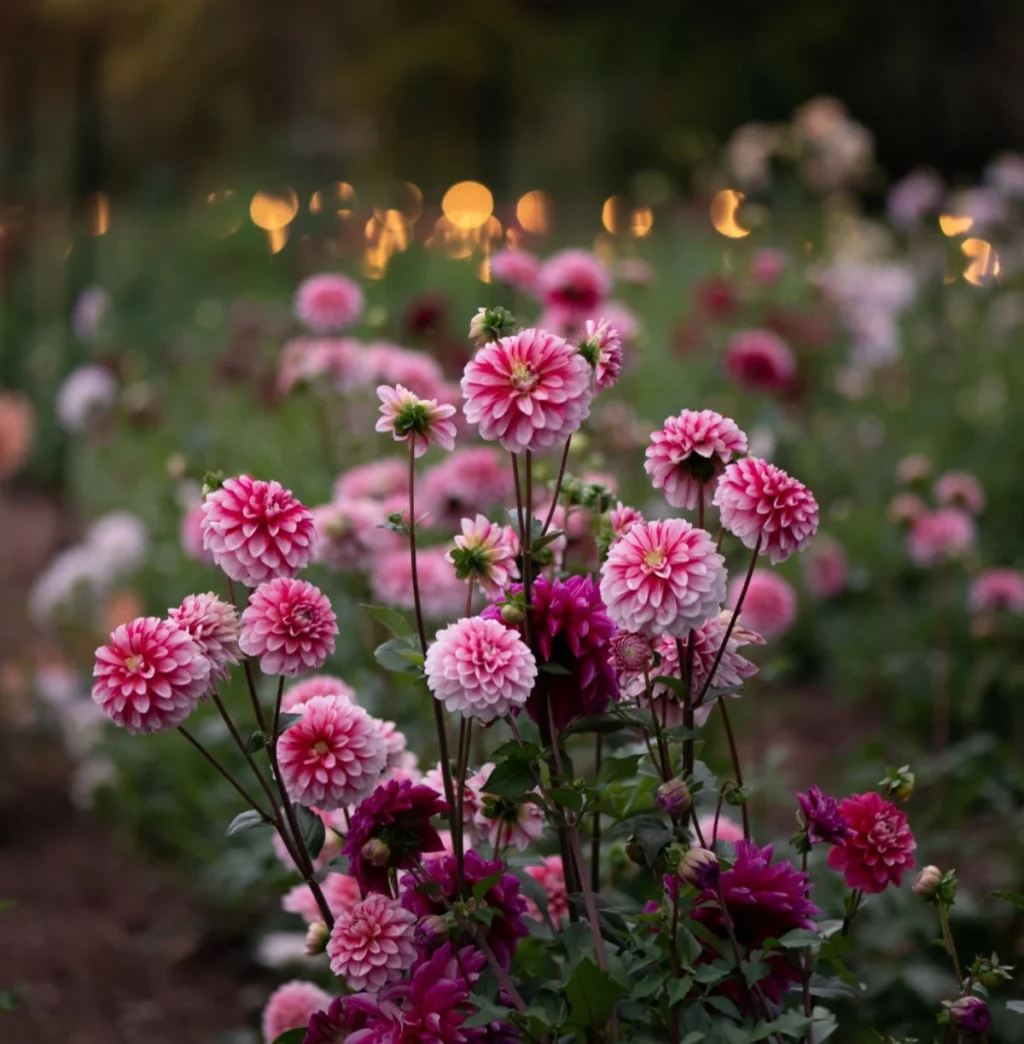
When Laura Grimm first set foot on the 11-acre property in Far Hills, New Jersey, she wasn’t looking for a hobby; she was looking for a transformation. The estate, characterized by a once-stately residence that had sat untouched for decades, was a blank slate—or rather, a wild, tangled mess. While most new homeowners might have prioritized modernizing the kitchen or restoring the historic architecture, Grimm took a different path. She looked at the land, long neglected since its days as a working farm fifty years prior, and decided that the earth needed to come first.
For two years, Grimm engaged in a grueling process of land reclamation. She spent her days clearing invasive species that had choked the life out of the fields, tilling the heavy, stubborn clay soil, and preparing the foundation for what would eventually become "Bewitching Blooms." This year, the farm finally opened its gates, signaling the culmination of a massive professional and personal pivot for the 63-year-old former finance executive.
A Career Pivot Rooted in Passion
The image of Laura Grimm, a veteran of New York City’s high-stakes finance world, tending to rows of delicate tulips may seem like an unlikely transition. Yet, for those who knew her, the move was a natural evolution. Throughout her corporate career, gardening served as an essential counterbalance to the pressures of the white-collar world. She cultivated greenery on Manhattan rooftops and urban terraces, always pushing the boundaries of available space. As she transitioned to suburban life, her backyard garden grew in size and complexity, eventually expanding until it literally ran out of room.
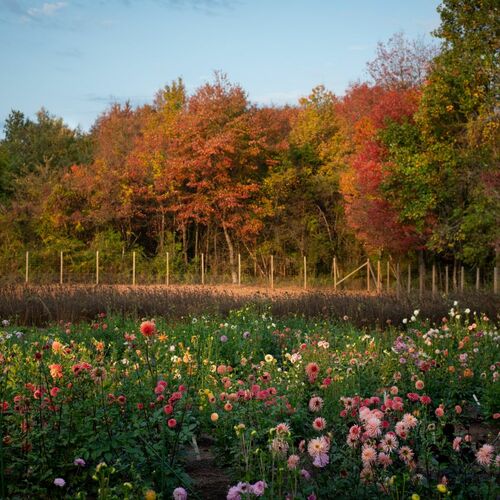
The move to the 11-acre farm was the logical conclusion of a lifelong obsession. Last year, in a massive statement of intent, Grimm and her cousin planted 17,000 tulip bulbs. It was a baptism by fire that underscored the reality of the industry. "Some people don’t realize how much work it is," Grimm notes, wiping dirt from her hands. "Because it’s flowers, some people think it’s all pretty dresses and hair ribbons, and not the dirty nails and sore feet."
The Chronology of a Floral Startup
The journey to Bewitching Blooms was neither quick nor easy. Following the two-year period of land remediation—a phase that tested her patience and physical endurance—Grimm began the systematic planting of the fields.
- Year 1-2 (Preparation): Clearing invasive vegetation and soil conditioning.
- Year 3 (Infrastructure): Establishing irrigation systems and defining the planting rows for seasonal blooms.
- Year 4 (Expansion): The introduction of 17,000 tulip bulbs and the development of the flower stand.
- Year 5 (Grand Opening): The official launch of Bewitching Blooms, which saw immediate, overwhelming demand from the local community.
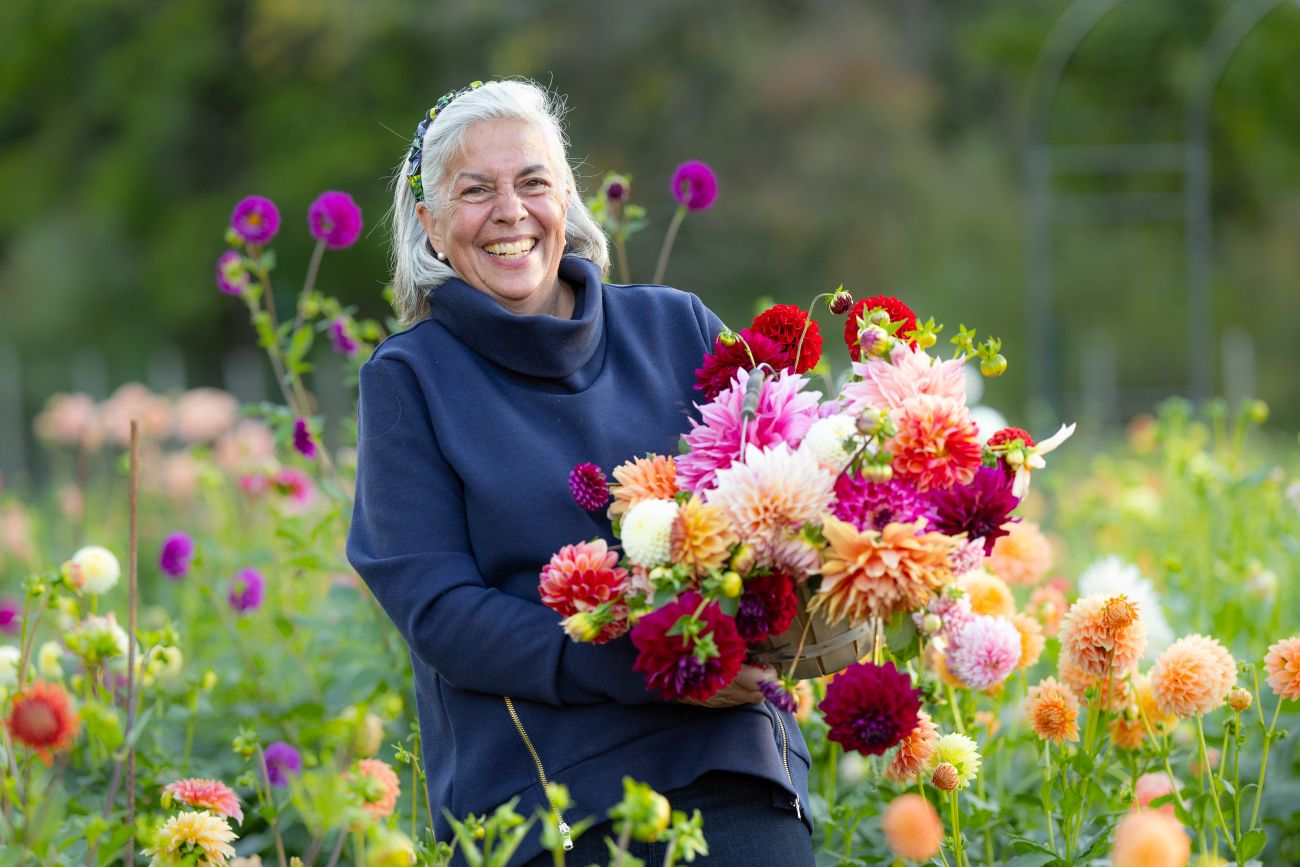
The farm’s rapid success in its inaugural year was a shock even to its founder. Customers began arriving in droves, emptying the flower stand faster than Grimm could replenish it. Some eager visitors, driven by the desire for fresh, local stems, even went as far as knocking on her front door when the stand ran dry.
Supporting Data: The Rise of the Micro-Flower Farm
Grimm’s venture is part of a quiet, significant revolution in American agriculture. According to the USDA Census of Agriculture, the number of U.S. farms reporting cut-flower production jumped by approximately 50 percent between 2012 and 2022.
This trend is driven largely by women establishing small-scale, high-value operations on modest plots of land. Unlike traditional commodity crops that require massive acreage and heavy machinery, flower farming is uniquely scalable. It allows growers to start with a backyard plot and expand as their customer base—and their technical confidence—grows.
Debra Prinzing, founder of the "Slow Flowers Society," an organization that advocates for sustainable, local floral sourcing, views this as a permanent shift in consumer behavior. "I don’t think it’s a trend," Prinzing explains. "I think it’s a cultural shift—and one that’s here to stay." Consumers are increasingly aware of the carbon footprint associated with imported flowers, which are often flown thousands of miles and treated with chemical preservatives. By choosing local, they are opting for freshness, fragrance, and a direct connection to the grower.
Family Support and the "Tractor Milestone"
Behind every successful entrepreneur is a support system, and for Grimm, that system is her three sons, aged 25 to 29. The farm has become a family effort; the brothers return home twice a month to assist with heavy labor, from hauling compost to managing the planting schedule.
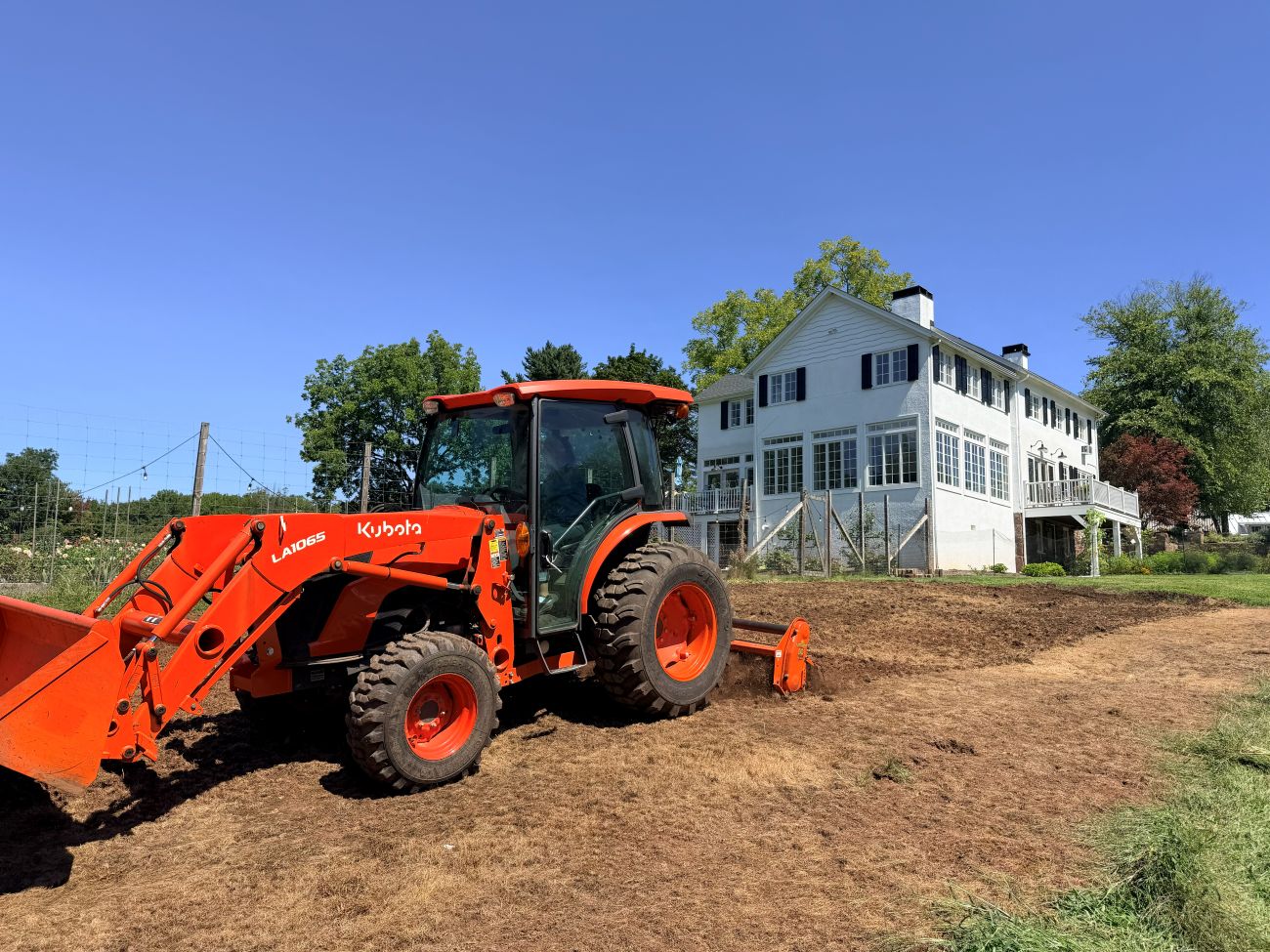
However, as the scale of the operation grew, the physical toll on their mother became impossible to ignore. Recognizing that she was potentially overextending herself, the brothers made a collective decision that changed the trajectory of the farm: they bought her a tractor.
For Grimm, the gesture was deeply emotional. "It was amazing because I thought I was in a little over my head," she said, visibly moved. "They believed in me enough to do that." The tractor wasn’t just a piece of machinery; it was a validation of her dream and a necessary tool to keep the operation viable.
Her son, Mark, 27, who oversees the farm’s digital presence, has also witnessed the impact of the business on their lives. He describes the "Instagram effect" where a single post from a florist tagging Bewitching Blooms can result in a flood of direct messages. "All of our phones will start blowing up," Mark says, "and we’re like, ‘Oh God, it’s going to be a long one for Mom.’"
Learning to Let Go: The Philosophy of Farming
Life on the farm begins at 5:00 a.m. For a former finance professional used to rigid schedules and predictable market outcomes, the unpredictability of agriculture has been a steep learning curve. Grimm has abandoned the nightly to-do list, finding it useless in the face of nature’s volatility.
"You have to learn to let go, and that’s been really hard for me," she admits. "You don’t have control, and you have to work with what you have. Even though you think you’re doing it the right way, Mother Nature kind of wallops you."
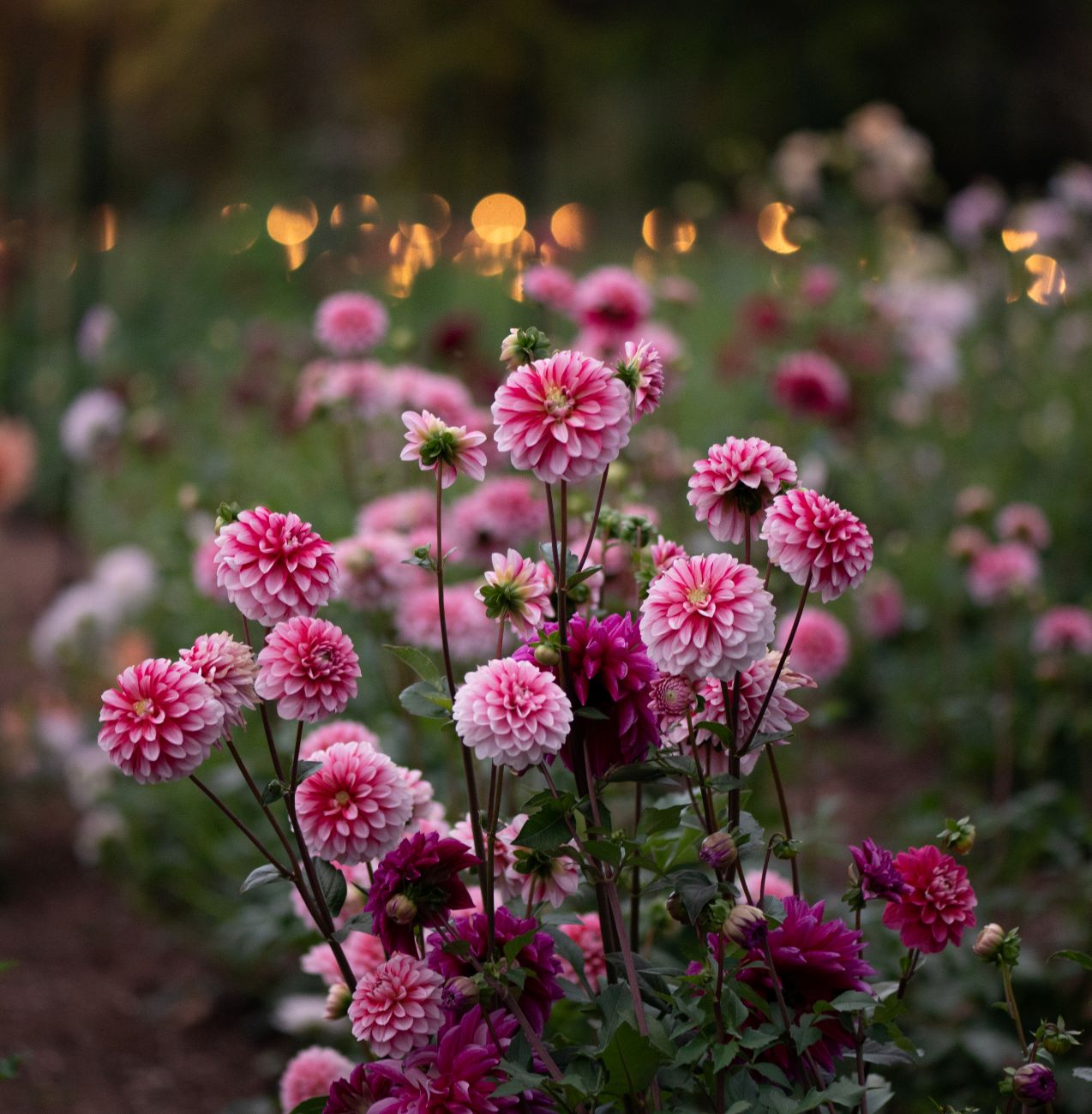
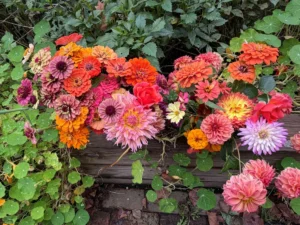
This surrender to nature has paradoxically brought her a sense of peace that the corporate world never provided. She finds joy not just in the harvest, but in the observation of the farm as a communal space. She frequently hosts event planners who come to study the colors and textures of her fields, and local residents who simply want to wander the rows. One recent afternoon, she watched a young girl transform while picking flowers, her face lighting up with a level of joy that reaffirmed why she chose this path.
Implications and Future Outlook
The success of Bewitching Blooms carries broader implications for land use and local economies. It demonstrates that small-scale, high-intensity agriculture can be a viable economic model in affluent suburban areas, turning underutilized land into productive, community-centric assets.
Furthermore, the farm serves as a model for "agritourism," where the experience of the farm is as valuable as the product itself. By allowing visitors to interact with the source of their flowers, Grimm is fostering a deeper appreciation for the agricultural cycle.
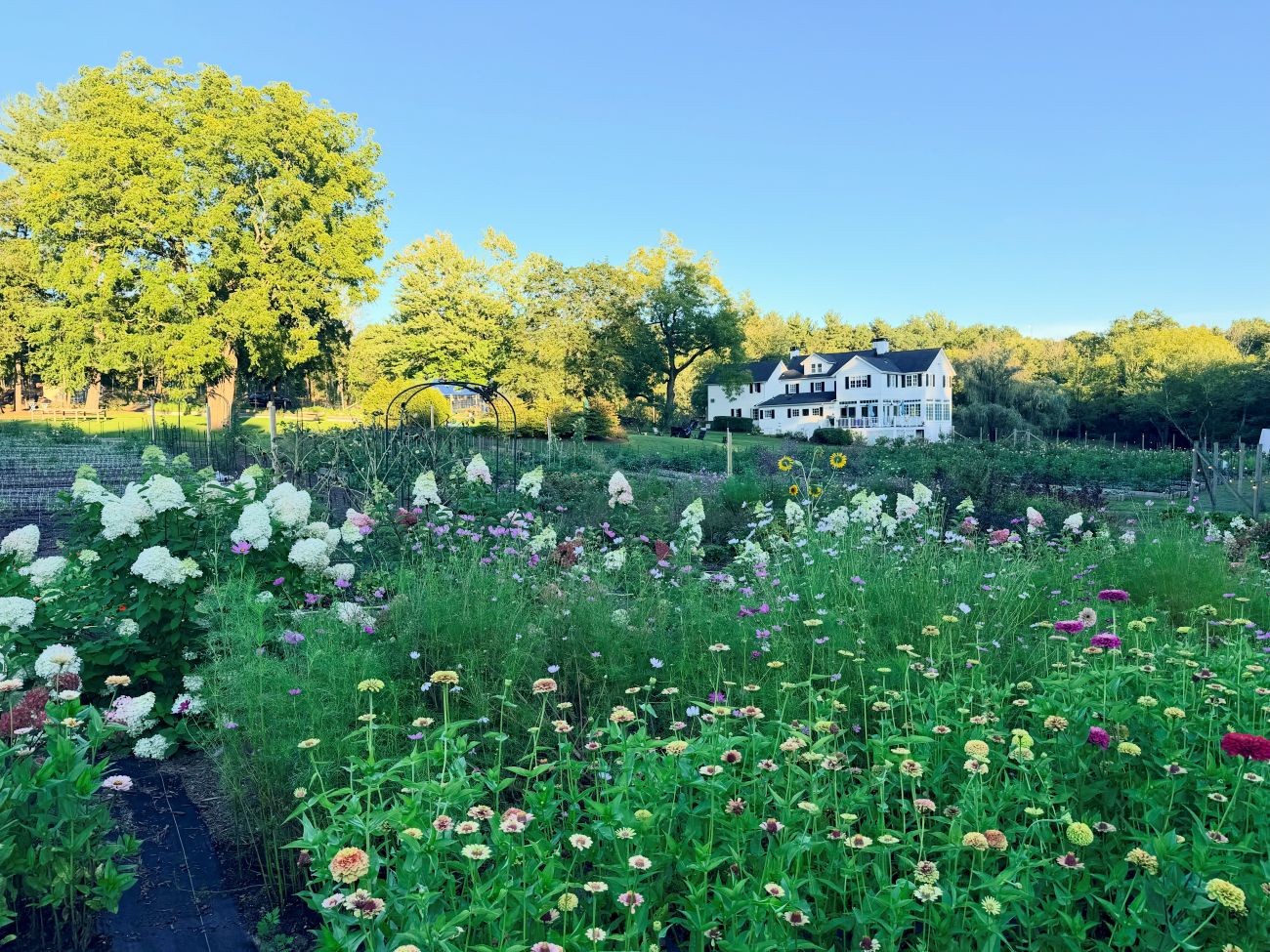
As for the house, its restoration remains on the back burner. For now, the focus is entirely on the fields. "At some point," she says with a laugh, "we’ll get around to having a working bathroom on the second floor, so I do not have to go down the hallway to brush my teeth."
For Laura Grimm, the trade-off is more than worth it. She has traded the boardroom for the bloom, and in doing so, she has found a second act that is as rewarding as it is exhausting. The house may be a work in progress, but the farm—and the peace it provides—is already complete.
Resources for Aspiring Flower Farmers
- Slow Flowers Society: A national directory and resource hub for those interested in the local flower movement.
- The Business of Backyard Farming: For those looking to replicate Grimm’s success, studying small-scale operational management is essential.
- Gardening Answers Forum: A space for regional growers to troubleshoot soil health, pest management, and seasonal planting schedules with experts.
Caitlin Bird Francke is a landscape designer and writer based in Chatham, New Jersey, specializing in sustainable garden practices and the intersection of local agriculture and design.