The Art of the Drizzle: Mastering the High-Stakes World of Food Photography Pour Shots
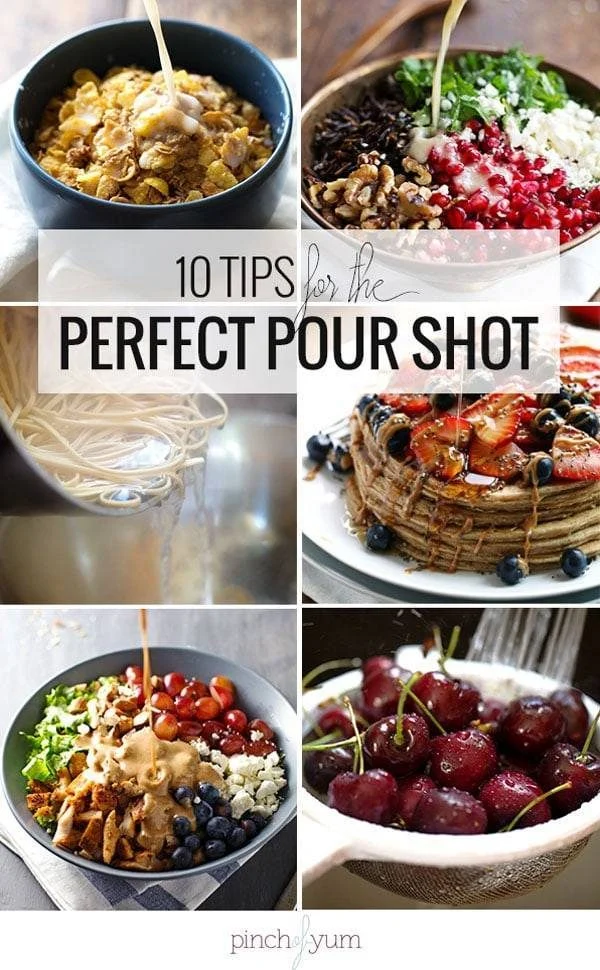
In the competitive landscape of digital food blogging, the "pour shot"—that captivating, split-second image of sauce, syrup, or dressing cascading over a dish—has become the gold standard for visual engagement. It is the bridge between a static recipe and a sensory experience. However, beneath the polished surface of every successful Instagram or blog post lies a reality of trial, error, and considerable cleanup. Behind every viral image of a perfect drizzle are often hundreds of failed attempts, stained tabletops, and exhausted photographers.
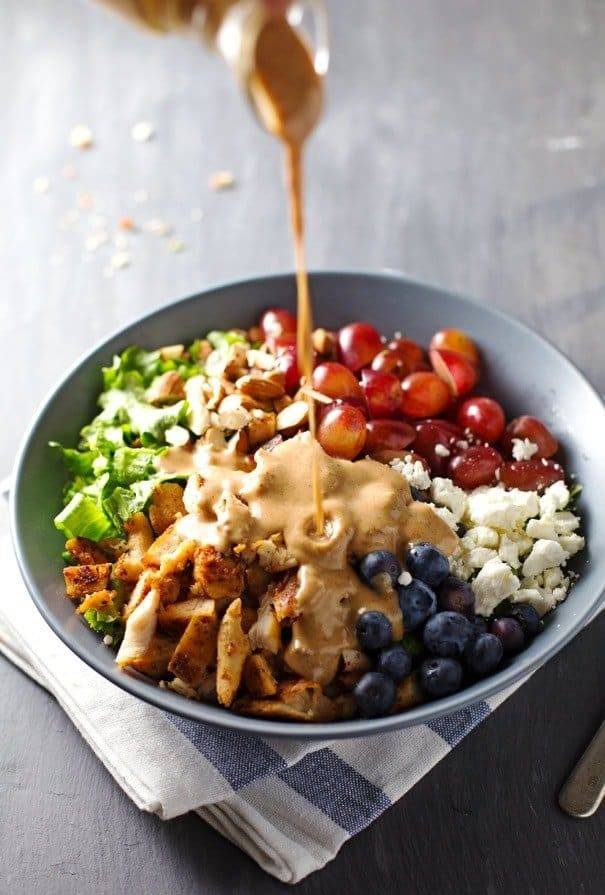
The Anatomy of a Perfect Pour
For food photographers, the allure of the pour shot is undeniable. It introduces movement, life, and a sense of "in-the-moment" preparation to an otherwise still subject. Yet, achieving the perfect stream requires more than just a steady hand; it demands a technical understanding of lighting, shutter speed, and equipment selection.
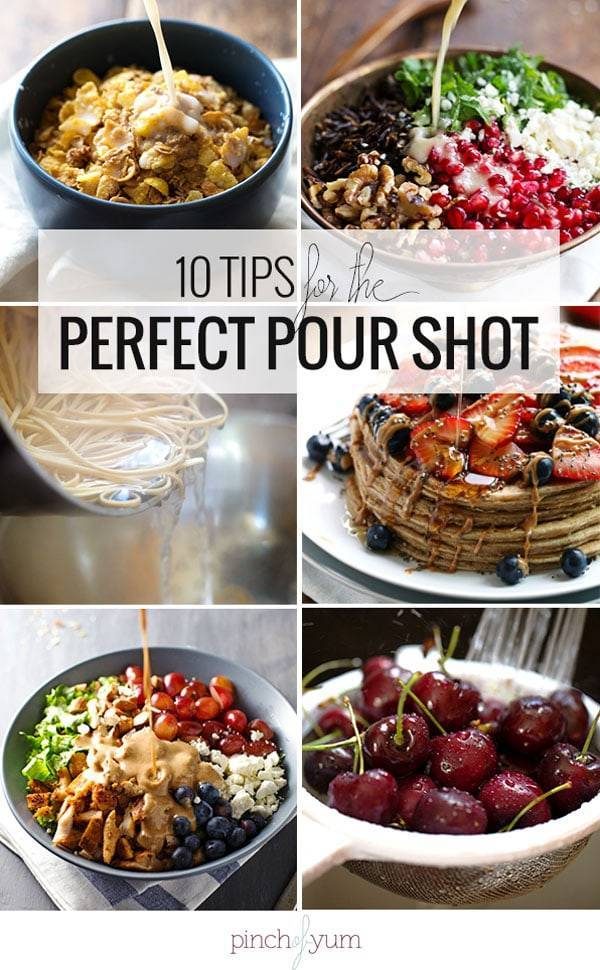
Choosing the Right Vessel
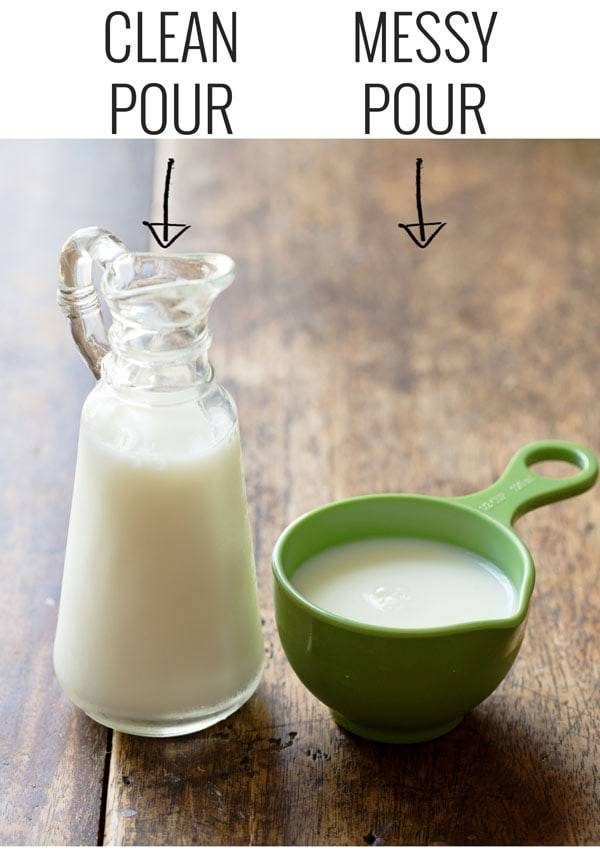
The most common mistake beginners make is selecting a vessel based on aesthetic charm rather than functional utility. While a ceramic measuring cup with a cute, wide spout might look inviting, it rarely produces the crisp, defined stream required for high-end photography. Professionals consistently favor containers with long, narrow, and precise pour spouts.
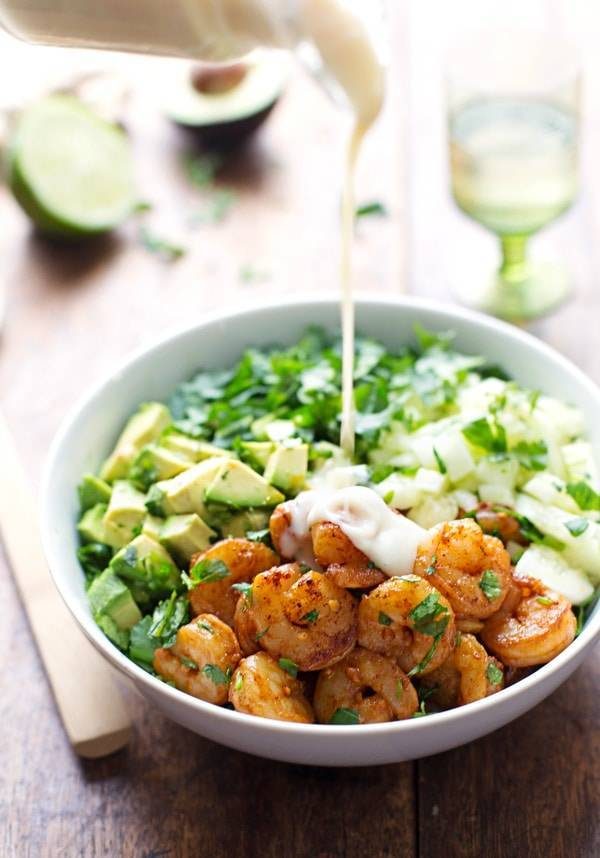
The handle placement is equally critical. A well-designed vessel features a handle at the rear, allowing for an ambidextrous grip. When a handle is positioned to the side, it forces an awkward, unnatural wrist angle, frequently leading to spills and "blobby", uneven streams rather than a elegant, continuous pour.
Technical Chronology: From Concept to Capture
The process of capturing a professional-grade pour shot can be broken down into a rigorous sequence of technical adjustments.
- Setting the Stage: Before the liquid is even introduced, the lighting and composition must be locked. Using a tripod is highly recommended to ensure the camera position remains consistent throughout the session.
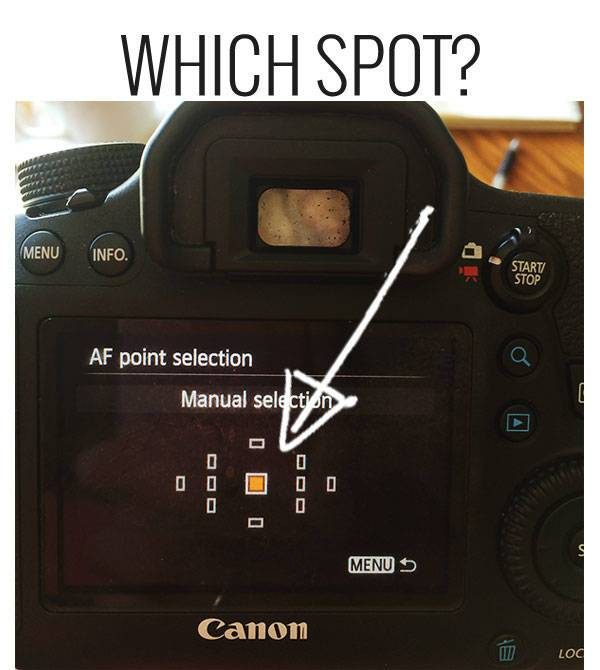
- Focus Calibration: Manual focus is non-negotiable. Because the "landing zone" of the liquid is often small, the photographer must manually select the focal point. Relying on autofocus in these scenarios is a recipe for blurred results, as the lens may hunt for a subject that hasn’t fully arrived yet.
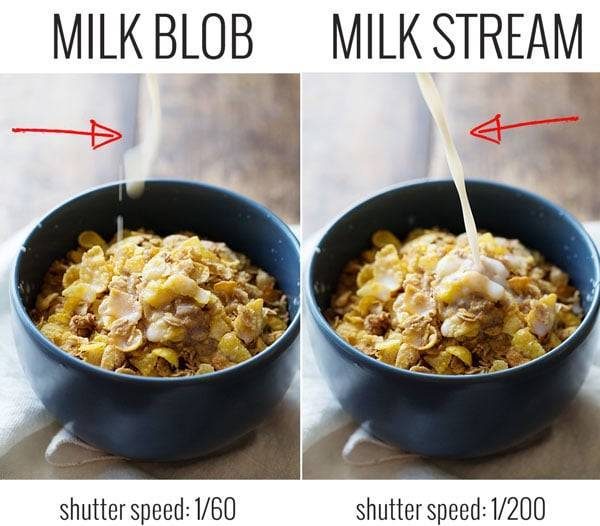
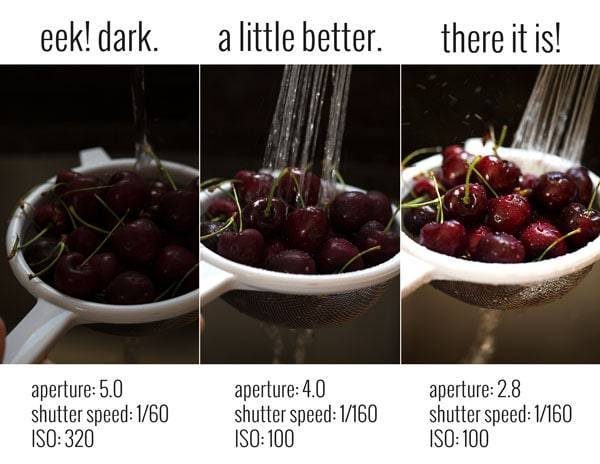
- Shutter Speed Mastery: For static food, a standard shutter speed of 1/60th of a second may suffice. However, a pour shot is an action shot. To freeze the motion of a liquid in mid-air, shutter speeds must be significantly faster—ideally at 1/200th of a second or higher.
- Managing Exposure: A faster shutter speed lets in less light, which requires the photographer to compensate by adjusting the aperture (f-stop) or increasing the ISO. This triad of settings—aperture, shutter speed, and ISO—must be perfectly balanced to ensure the image is bright enough without introducing excessive digital noise.
Supporting Data: Why "Manipulation" is Essential
The professional food photography industry relies heavily on "food styling," a practice often misunderstood by the public. To achieve the perfect aesthetic in a pour shot, the viscosity of the liquid is often altered.
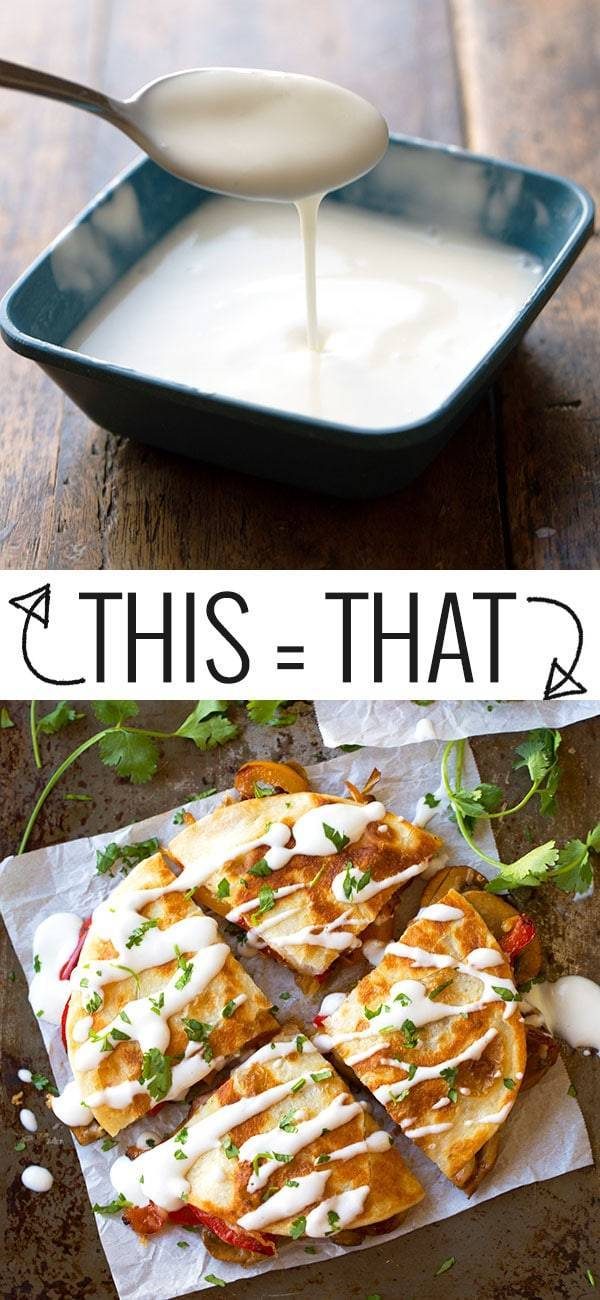
Standard dressings or sauces, when poured directly from the bottle, often appear "gloppy" or thick, which can ruin the visual appeal of a crisp salad or a hot entree. By adding small amounts of water or oil to the mixture, photographers can achieve a "smooth-run" consistency. This isn’t about altering the flavor of the food; it is about manipulating the physics of the pour to ensure the stream looks as appetizing as possible on camera. The goal is to avoid the "blob effect"—where a clump of sauce lands ungracefully on the plate—and instead capture a fluid, silky motion.
Expert Perspectives on Professional vs. "Homemade" Approaches
While professional studio photographers often utilize remote triggers and high-end lighting rigs, many independent food bloggers have developed their own "homemade" workflows.
One unconventional but effective technique involves a two-stage approach to focusing. The photographer lines up the shot, marks the exact location where the liquid should land, and then coordinates their hands—one holding the vessel and one operating the camera trigger.
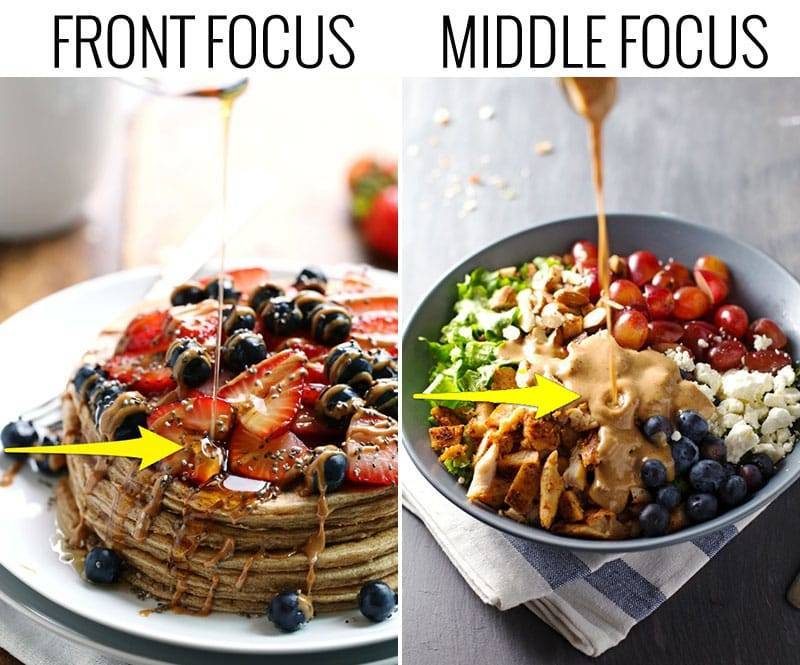
"It’s not necessarily the most efficient method," one industry expert noted, "but it is a bridge for those who don’t have access to a full studio setup." The key is to check the camera’s display constantly. The mantra of the trade remains: "Shoot, check, adjust." This iterative loop is the only way to minimize the "800-miss" ratio that plagues even the most seasoned professionals.
The Human Element: Managing Hand Placement
A common point of contention in pour shot composition is whether or not to include the human hand. When the hand is included, it provides a sense of scale and realism. However, it also introduces the risk of the "creature of the night" effect—where a dark, oddly-angled hand enters the frame and distracts from the food.
To avoid this, photographers are advised to:
- Angle for Grace: Ensure the hand is positioned higher and further back, creating a natural, sweeping motion.
- Use a Second Shooter: Having a partner handle the pouring while the photographer focuses on the frame ensures the hand looks natural and the lighting remains unobstructed.
- Go Hand-less: When in doubt, it is better to remove the hand from the frame entirely. A clean, mysterious stream of liquid is far more professional than a poorly composed, awkward hand angle.
Implications for the Modern Content Creator
The rise of the pour shot has shifted the expectations of the digital audience. Today, viewers are not satisfied with a simple photo of a finished meal; they want to see the process. This shift has elevated the barrier to entry for food bloggers, requiring them to become part-time technicians.
However, the implications of these techniques extend beyond mere aesthetics. Learning to control the pour—and the camera settings required to capture it—forces a deeper understanding of light and motion. It encourages creators to be "brave" with their photography, moving away from safe, static shots and toward dynamic, high-engagement imagery.
The Practice Principle
Ultimately, the secret to the perfect pour shot is not a specific camera brand or an expensive piece of equipment; it is volume of practice. The most successful creators are those who turn every kitchen task into a training session. Whether it is rinsing vegetables or drizzling honey on toast, the camera should be close by.

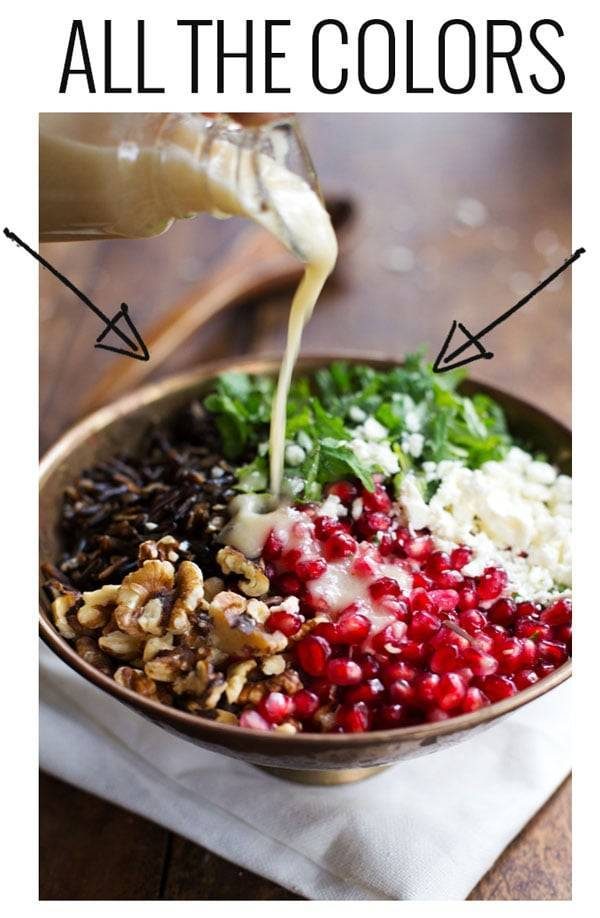
The "800 bad shots" rule serves as both a warning and a comfort: failure is not a sign of incompetence, but a prerequisite for success. By focusing on the fundamentals—contrast, focal point selection, shutter speed, and consistent lighting—anyone can transition from messy, blobby spills to the high-definition, mouth-watering imagery that defines the modern food blog.
As the industry continues to evolve, the demand for high-quality, authentic visual storytelling will only grow. The pour shot, with its ability to capture the fleeting beauty of a meal in progress, remains a vital tool in the photographer’s arsenal. By mastering the art of the drizzle, creators can ensure that their content not only looks "purty," but tells a compelling story of craft and dedication.