The High-Definition Nest: How Smart Technology is Revolutionizing Backyard Ornithology
For decades, the backyard nest box has been a staple of the amateur bird-watcher’s repertoire—a simple wooden construct designed to offer a sanctuary for local avian populations. Yet, for all its utility, the traditional nest box has historically been a "black box." A bird-watcher might observe a flurry of activity, the delivery of insects, and the frantic comings and goings of parents, but the true drama—the incubation, the hatching, the struggle for survival, and the intimate growth of nestlings—has remained hidden behind solid walls.
That changed recently when a new generation of smart nesting technology began to bridge the gap between human observers and the secret lives of birds. By integrating high-definition optics, environmental sensors, and mobile connectivity, devices like the Birdfy Nest Duo are transforming the backyard from a passive observation site into a real-time, high-stakes classroom for life science.
The Technological Leap: From Mystery to Insight
The shift from analog to digital in bird-watching is not merely about convenience; it is about data-driven conservation. In the past, the only way to assess the health of a clutch was to physically open the nest box, a process that can cause significant stress to the birds and, in some cases, lead to abandonment.
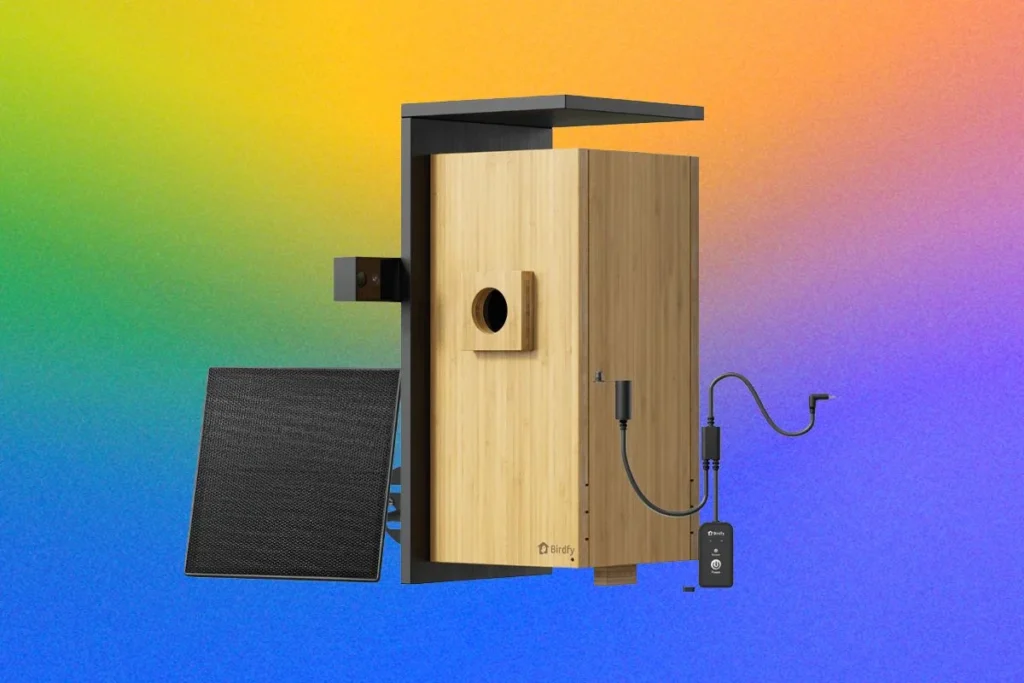
The Birdfy Nest Duo offers a sophisticated alternative. Featuring a 1080p HD dual-camera system—one lens focused on the entry portal and another providing a wide-angle view of the interior—it allows observers to monitor the entire life cycle of a nest. Perhaps more importantly, the integration of a built-in thermometer and hygrometer provides the critical environmental context that was previously missing.
For one longtime enthusiast, this technology provided a heartbreaking but necessary epiphany. After years of finding deceased fledglings in a traditional, "dumb" nest box, the smart box revealed the culprit: an early-season heat wave. The ability to monitor internal micro-climates allows bird-watchers to understand exactly how temperature fluctuations impact the survival rates of vulnerable chicks, turning a tragic mystery into an actionable observation.
A Chronology of Discovery: A Season in the Life of a Chickadee
The journey of the smart nest box begins long before the first egg is laid. It starts with the "Prelude," a period of frantic house-hunting and inspection.
Phase 1: The Inspection (March)
The process began in March, at the start of the West Coast nesting season. The installation of the unit on a dedicated pole stand—essential for deterring predators like cats and snakes—was the first step. The unit was fitted with a one-inch entry hole, the preferred size for black-capped chickadees. However, the initial weeks were characterized by "House Hunters" style hesitation. The birds would approach, peer in, and retreat. It was only after identifying an issue with the drainage tray—which featured holes that the birds found unsettling—that the nesting process finally gained momentum.

Phase 2: Excavation and Nesting
Once the chickadees accepted the dwelling, the "Nesting" phase commenced. This is where the dual-camera setup proves its worth. The exterior camera captures the parents bringing in moss and fur, while the interior camera records the architectural mastery of the nest construction.
Phase 3: Brooding and Hatching
The "Brooding" phase is perhaps the most intimate. Through the app’s live feed, the observer can witness the patient incubation process. When the eggs finally hatch, the transition to the "Nestling" phase brings a sudden shift in intensity. The cameras record the relentless feeding schedule, the removal of fecal sacs, and the rapid development of the chicks.
Phase 4: The Fledgling Milestone
The "Fledgling" phase marks the culmination of the cycle. It is a period of high anxiety and triumph, as the young birds test their wings and eventually depart the box. The entire process, curated by the Birdfy app into digestible video segments, serves as a comprehensive visual archive of biological development.
Supporting Data and Hardware Specifications
The effectiveness of the Birdfy ecosystem relies on a robust combination of hardware and software. The Nest Duo is a substantial piece of equipment, weighing in at approximately 8 pounds and standing 16 inches tall. Key specifications include:
- Dual-Camera Optics: Two 1080p HD cameras provide comprehensive coverage of both the entrance and the nest cavity.
- Environmental Monitoring: Real-time tracking of humidity and temperature via the Birdfy app, which helps users understand the micro-climate needs of specific species.
- Customizable Entryways: The unit includes four screw-on hole sizes (ranging from 0.9 inches to 2 inches) to accommodate different species, from wrens to bluebirds.
- Modular Design: A latched side panel allows for effortless cleaning between seasons, which is vital for preventing the spread of avian diseases.
- Connectivity: The system utilizes a user-friendly mobile application that requires no monthly subscription for basic cloud storage and sharing.
While the "Polygon" model—a more stylized, architectural version—has struggled with connectivity issues for some users, the standard Duo and fir-wood versions offer a more consistent, reliable experience.
The Human-Avian Interface: Implications and Ethics
The rise of smart bird-watching raises important questions about our relationship with the natural world. Is it beneficial to be this close to the cycle of life and death, or does it turn nature into a reality television show?
The Educational Value
From a pedagogical standpoint, the impact is undeniable. These devices provide an unparalleled look at biology in action. Students and nature enthusiasts can witness behaviors that were previously the sole domain of university researchers—such as the defensive hissing of a chickadee when a starling approaches, or the specific way parents organize the nest for maximum thermal efficiency.

Behavioral Interference
However, the integration of technology must be handled with care. The presence of cameras and sensors should not encourage human interaction with the nest. The primary goal of any backyard conservation effort should remain the safety of the species. The ability to monitor from a distance is a boon for bird safety, as it minimizes the need for human presence near the box.
The Problem with "Smart" Labeling
One area where the technology still needs refinement is in its automated AI labeling. The Birdfy app currently attempts to classify video clips into categories like "Prelude," "Brooding," or "Fledgling." As many users have noted, these classifications are often inaccurate—a nestling simply turning around in the box can trigger an erroneous "Fledgling" label. While this is a minor annoyance, it highlights that while the hardware is high-tech, the software’s understanding of avian behavior is still in its infancy.
Conclusion: A New Era for Backyard Science
The transition from a wooden box on a tree to an interconnected, high-definition smart home for birds represents a fundamental shift in how we engage with our local ecosystems. By providing the tools to observe the intimate struggles of bird life, these devices do more than just entertain—they foster a deeper sense of stewardship.
When we can see the temperature inside the box, we become more aware of the impact of climate change on our local wildlife. When we witness the confusion of a flicker or the persistence of a chickadee, we develop a deeper empathy for the challenges birds face in an increasingly fragmented environment.
For the lifelong bird-watcher, these tools are not a replacement for the joy of the outdoors; they are an extension of it. They pull back the curtain on a hidden world, reminding us that even in our own backyards, there is a complex, beautiful, and fragile drama playing out every single day. As the technology matures, it will undoubtedly continue to reveal the secrets of the avian world, turning every user into a citizen scientist and every backyard into a site of meaningful discovery.