The Science of the Perfect Gluten-Free, Dairy-Free Chocolate Chip Cookie
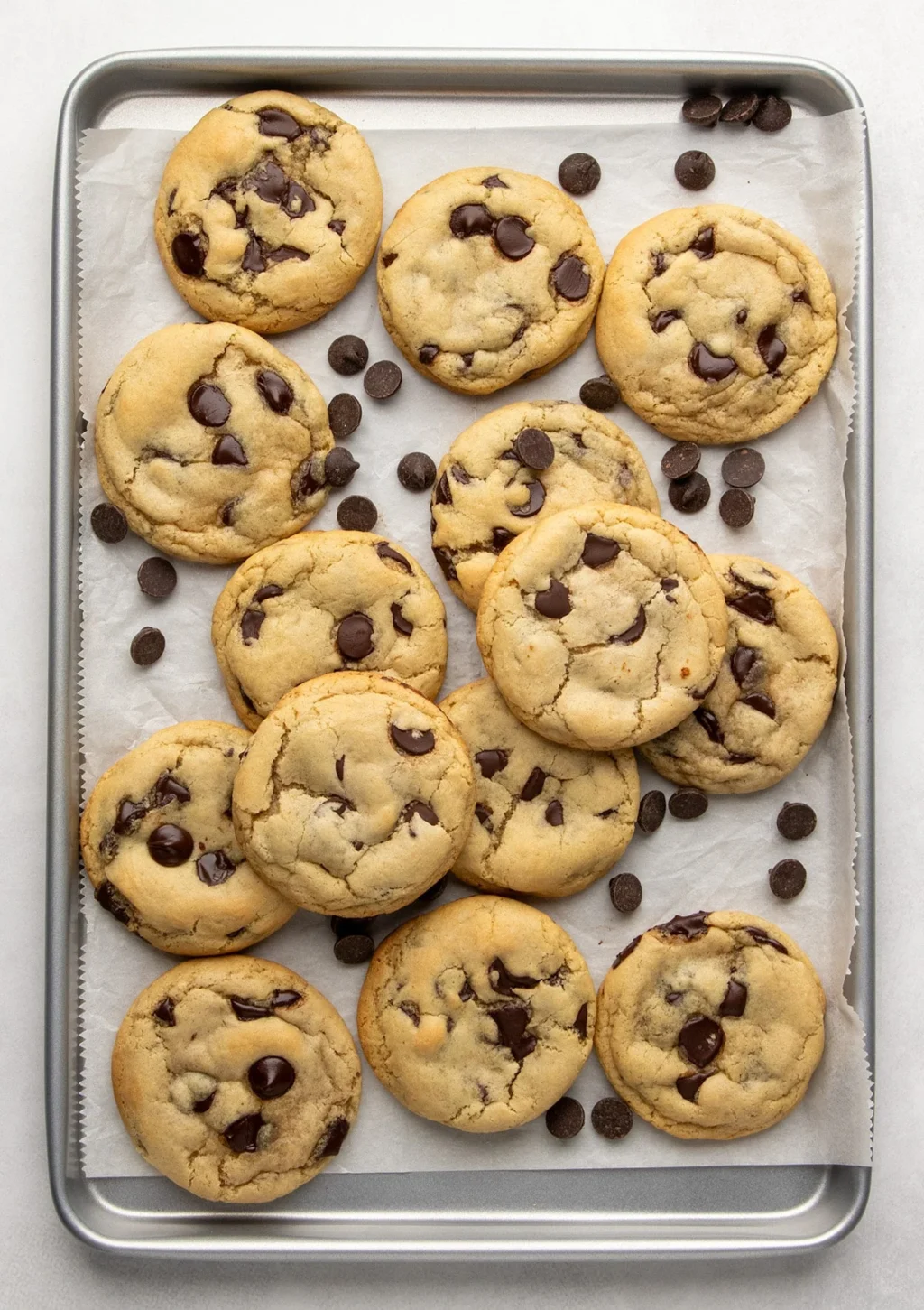
For many home bakers, the quest for the ultimate chocolate chip cookie is a lifelong endeavor. When that quest must also navigate the restrictive requirements of gluten-free and dairy-free diets, the challenge shifts from culinary art to complex food science. For years, the consensus among those with dietary restrictions was one of compromise: accepting cookies that were either too thin, overly greasy, or lacking in the structural integrity required for a satisfying bite.
However, a new methodology pioneered by culinary experts suggests that the secret to a thick, soft-centered, and crisp-edged cookie lies not in merely substituting ingredients, but in fundamentally changing the physics of the mixing process.

Main Facts: Redefining Dairy-Free Baking
The primary challenge with dairy-free cookie recipes is the nature of vegan butter. Unlike traditional dairy butter, which possesses a specific water-to-fat ratio that behaves predictably under heat, many vegan alternatives are prone to premature melting. This often results in a greasy, thin, and rapidly spreading cookie that loses its shape in the oven.
To combat this, the "cold-cut" method has emerged as a gold standard. By keeping vegan butter in a solid, block-style state and incorporating it into the dry ingredients—rather than creaming it with sugar as one would in a standard recipe—the butter is encapsulated in flour. This prevents the fat from emulsifying and melting too early, ensuring that the cookie maintains its height and structure throughout the baking process.
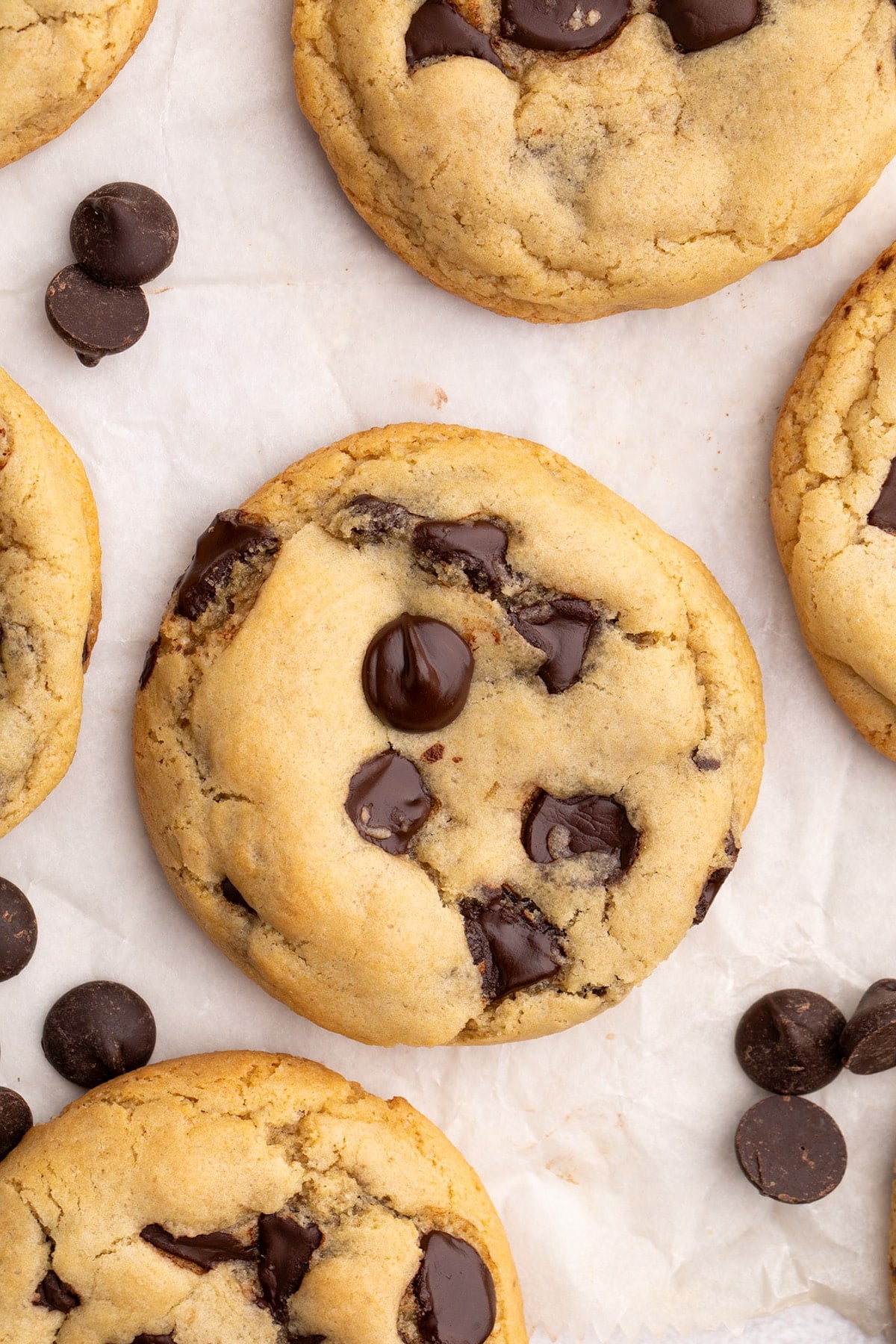
Furthermore, the introduction of almond flour serves a dual purpose. It provides the necessary moisture that gluten-free flour blends often lack, while also facilitating the Maillard reaction—the chemical process that creates the golden-brown crust and complex, nutty flavors associated with a premium cookie.
Chronology: A Step-by-Step Culinary Framework
Achieving consistency requires a disciplined approach to the sequence of operations. The following chronology outlines the process required to stabilize the dough:
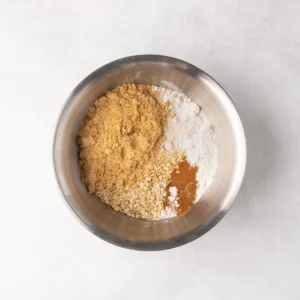
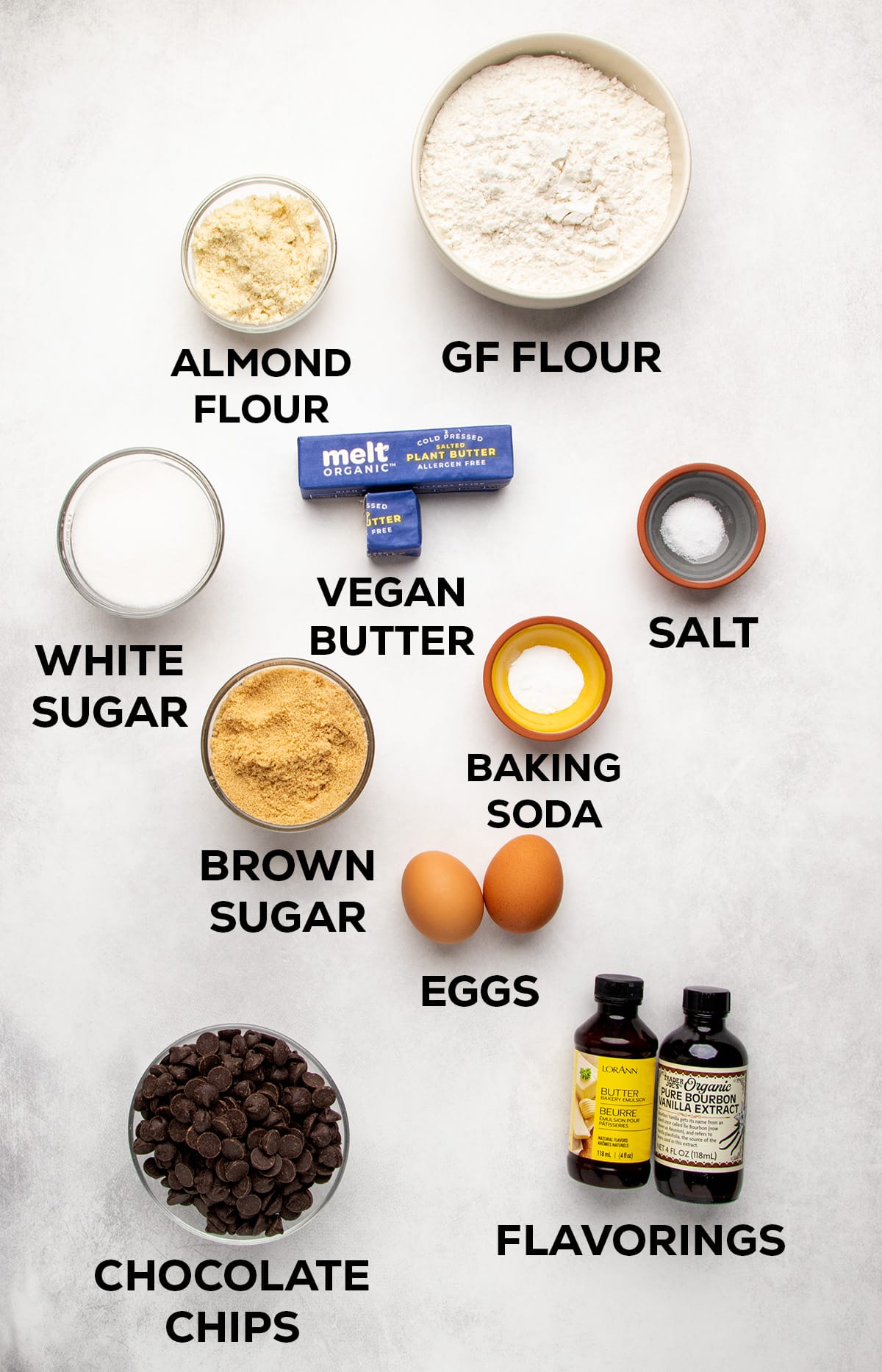
- The Dry Foundation: The process begins by whisking the gluten-free flour blend, almond flour, leavening agents (baking soda), and sugars. It is essential to use a high-quality gluten-free flour that includes xanthan gum, or to supplement it, as this provides the structural "glue" that would otherwise be missing without wheat gluten.
- The Cold Incorporation: Cold, cubed vegan butter is tossed into the dry mix and cut in with a fork. This step is critical; by avoiding an electric mixer, the baker prevents the heat of the motor and the friction of the blades from warming the butter.
- The Binding Phase: Eggs (or suitable replacements like chia or flax eggs) and flavorings—such as vanilla or butter bakery emulsions—are added. The dough should be mixed only until it is cohesive. Over-mixing at this stage can introduce unnecessary warmth.
- The Chill Factor: Once portioned, the dough is chilled. This brief resting period allows the fats to solidify further and the flours to hydrate, which is essential for preventing the cookies from turning into flat puddles in the heat of the oven.
- The Precision Bake: Cookies are baked at 350°F (175°C) for approximately 10 minutes. The objective is to remove them while the centers still appear slightly underdone. Carryover heat will finish the baking process as the cookies rest, ensuring the final product remains soft for days rather than turning into a brittle biscuit.
Supporting Data: Why This Methodology Works
The effectiveness of this approach is backed by the physical properties of the ingredients involved.
- Fat Stability: Block-style vegan butter contains a higher fat content and lower water content compared to tub-based margarine. This higher solid-fat content is resistant to the heat of the oven, allowing the cookie to set its structure before the fats fully liquify.
- The Role of Almond Flour: While standard gluten-free flour blends are often starch-heavy (rice, potato, tapioca), almond flour adds protein and natural oils. This improves the "mouthfeel" of the cookie, preventing the dry, sandy texture that often plagues gluten-free baked goods.
- Thermal Regulation: The advice to avoid baking on a cold surface is rooted in oven thermodynamics. When a frozen sheet is introduced to a hot oven, the oven’s thermostat triggers a surge of power to compensate for the temperature drop. This spike in heat can cause uneven baking and drying, which is detrimental to a soft cookie.
Official Responses and Expert Perspectives
Industry experts and culinary specialists have long debated the necessity of these specific steps. Nicole Hunn, a prominent voice in the gluten-free community, emphasizes that the era of "good, for gluten-free" is over.
"We are no longer settling for products that serve only as a substitute," Hunn notes. "The focus has shifted to flavor profile and texture. If a cookie doesn’t hold its own against a traditional wheat-and-dairy counterpart, it hasn’t succeeded. By using specific emulsions and understanding the melting points of vegan fats, we can bridge that gap entirely."
Nutritionists also point out that while these cookies are indulgent, the use of almond flour offers a slight increase in fiber and protein compared to traditional refined-flour cookies. However, they caution that home bakers should still view these as a treat, as the sugar content remains significant.
Implications for the Future of Home Baking
The implications of this "cold-cut" and "almond-blend" methodology are far-reaching. As more consumers adopt gluten-free and dairy-free diets—whether due to celiac disease, lactose intolerance, or personal preference—the demand for high-quality, professional-grade recipes has spiked.
- Standardization: This approach provides a blueprint for adapting other classic recipes. If the method works for chocolate chip cookies, it could potentially be applied to shortbreads, scones, and other delicate pastries that rely on the interplay between fat and flour.
- Ingredient Innovation: The success of these recipes is driving a market shift in vegan butter production. Brands are increasingly focusing on "baking-grade" blocks that mimic the performance of high-fat European-style butter, catering to the growing demographic of home bakers who refuse to compromise on quality.
- Storage and Scalability: Because this dough can be stored in the refrigerator for up to a week, it offers a level of convenience previously unavailable. For families managing multiple dietary restrictions, the ability to keep a stash of reliable, pre-portioned dough on hand is a significant quality-of-life improvement.
In summary, the transition to high-quality gluten-free and dairy-free baking is less about finding a miracle flour blend and more about mastering the temperature and handling of ingredients. By respecting the physics of the butter and the structural requirements of the flour, bakers can consistently produce cookies that defy the limitations of their diet. Whether you are a seasoned pastry chef or a novice in the kitchen, the path to the perfect cookie is now clearer, grounded in a deeper understanding of how our ingredients behave under heat and pressure.