Beyond the Horizon: Unveiling the Timeless Elegance of Norfolk Botanical Garden

While the horticultural world is currently abuzz with anticipation for the September 2026 debut of the Norfolk Botanical Garden’s (NBG) ambitious "Garden of Tomorrow," there is a profound narrative rooted in the present that demands equal attention. Spanning 175 acres along the shores of Lake Whitehurst in Norfolk, Virginia, this sanctuary serves as a masterclass in landscape design, ecological stewardship, and community engagement. To truly understand the significance of the upcoming expansion, one must first walk the established paths—a sprawling collection of over 60 themed gardens that have transformed from a singular WPA project into one of the most vibrant botanical destinations in the United States.
A Legacy Forged in Soil: The Chronology of NBG
The story of the Norfolk Botanical Garden is as much a testament to human perseverance as it is to botany. In 1938, amidst the economic uncertainty of the Great Depression, the Works Progress Administration (WPA) launched an ambitious initiative that would fundamentally alter the region’s landscape. A dedicated crew of 200 African American women and 20 African American men were tasked with clearing dense woodland to plant the garden’s foundational azaleas.
These original beds remain a cornerstone of the garden’s identity, signaling the arrival of spring with a riotous display of color that has been meticulously maintained for nearly nine decades. This foundational labor force did more than plant flowers; they laid the bedrock for a public institution that would eventually serve as an educational and recreational hub for millions. Over the ensuing 88 years, the garden has evolved from a seasonal attraction into a year-round horticultural powerhouse, layering in specialized collections—from the sculptural elegance of the Renaissance Court to the serene, texture-rich vistas of the Conifer Garden.
The Horticultural Tapestry: Supporting Data and Spatial Dynamics
What strikes the first-time visitor most vividly is the garden’s deliberate "room-based" design. The site is a masterclass in spatial management, utilizing layers of native and ornamental plantings to act as natural buffers for both sight and sound. Even during peak attendance periods, the layout allows for moments of near-total solitude.
The garden’s diversity is supported by robust data:
- Scale: 175 acres of curated landscapes, woodlands, and wetlands.
- Diversity: Over 60 distinct themed gardens.
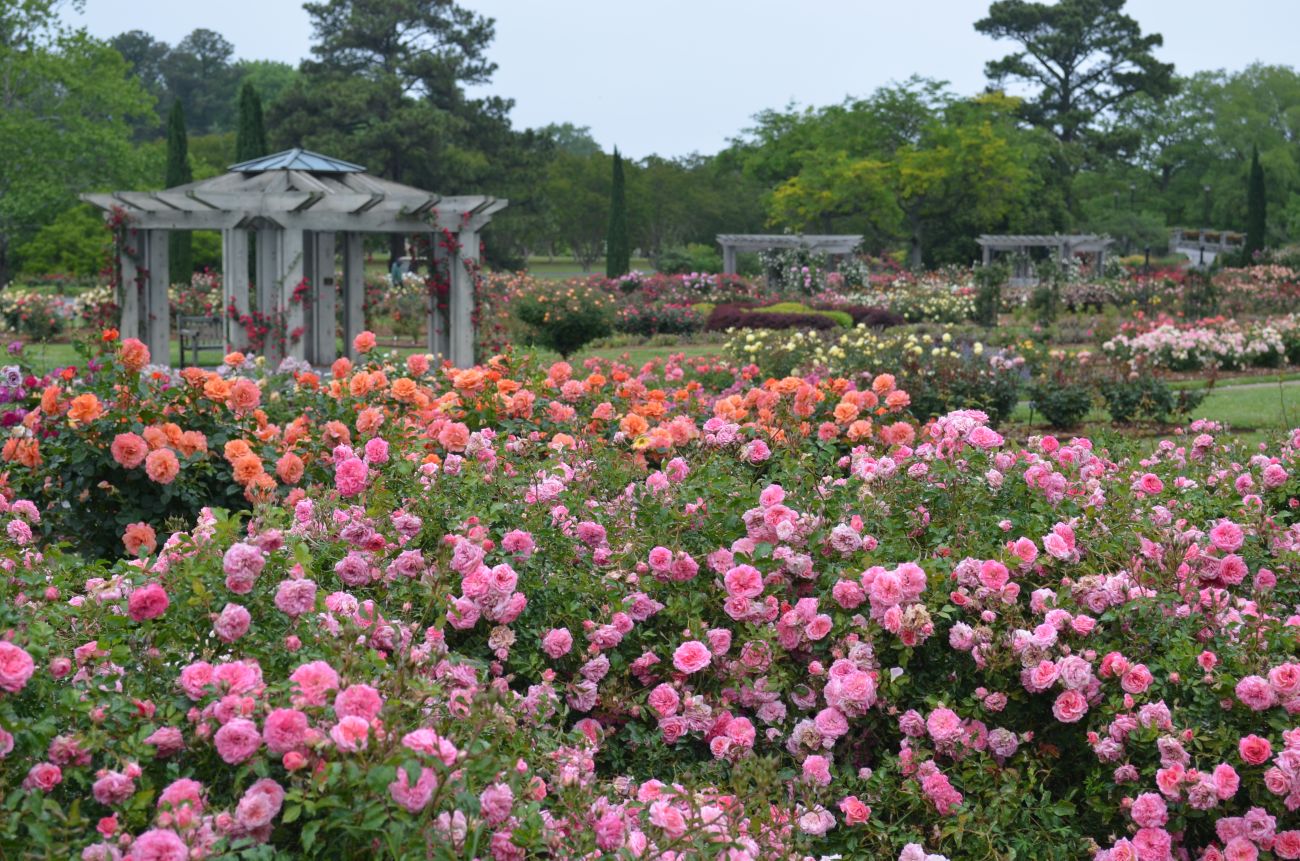
- The Rose Collection: The Margaret Moore Hall Bicentennial Rose Garden stands as one of the largest on the East Coast, boasting a staggering capacity of 250,000 blooms during the height of the season.
- Connectivity: An intricate system of meandering pathways and an expansive inner canal system that facilitates both pedestrian exploration and seasonal boat tours.
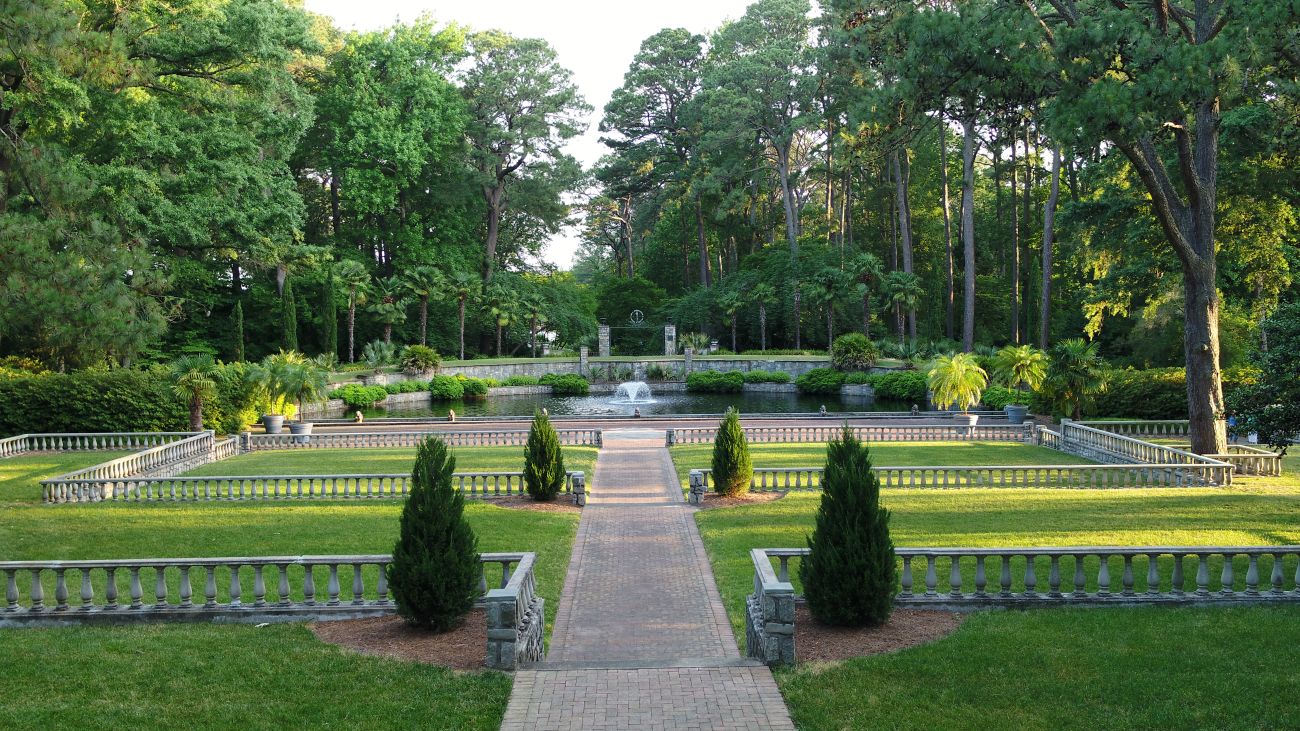
These spaces are not merely collections of plants; they are living galleries. The Italian-inspired Renaissance Court, characterized by strict symmetry, stone balustrades, and classical statuary, provides a stark, formal contrast to the organic, flowing lines of the nearby woodland trails.
A Sanctuary for Science: Official Recognition and Educational Impact
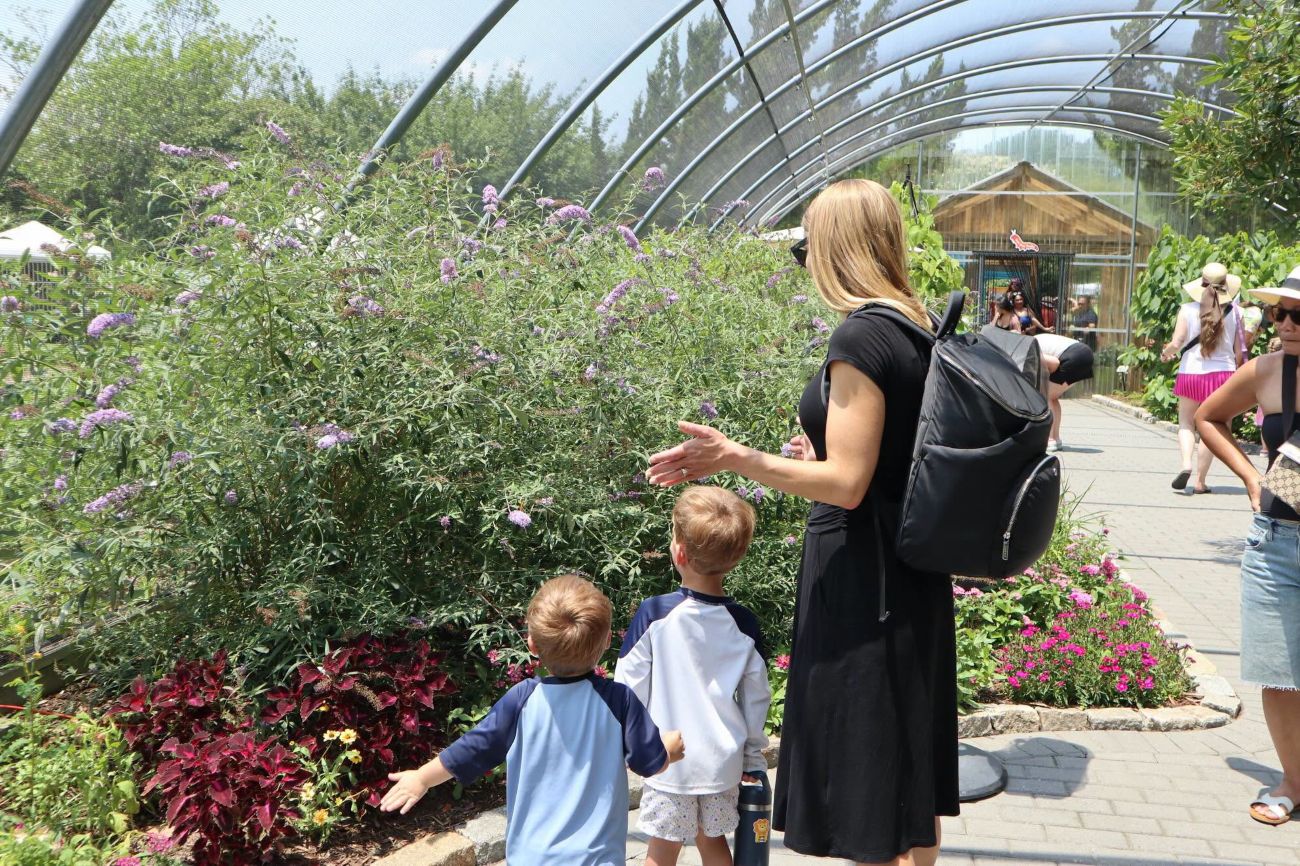
The garden’s commitment to education and conservation is perhaps best exemplified by its Summer Butterfly House. For two consecutive years (2025 and 2026), this facility has been voted the number one butterfly house in the USA Today 10 Best Readers’ Choice Awards.
"The success of the Butterfly House is a reflection of our core mission," says a spokesperson for the Norfolk Botanical Garden. "It is not just about aesthetics; it is about providing a front-row seat to the delicate life cycle of native pollinators. By creating an immersive, nectar-rich environment, we are able to engage over 45,000 visitors annually in meaningful conversations about environmental health and the critical importance of native plant species."
This focus on conservation extends to the "World of Wonders" (WOW) Children’s Garden. Spanning three acres, the WOW garden serves as an outdoor classroom. Through "Passport Gardens," children traverse landscapes styled after global ecosystems, learning the intricacies of environmental stewardship. Whether they are climbing Discovery Peak or navigating the Plant Safari, the pedagogical goal remains constant: fostering a sense of responsibility for the natural world.
Implications: The Intersection of History and Innovation
The implication of NBG’s continued success is significant for the broader public garden community. By balancing the preservation of its historical WPA-era roots with the cutting-edge sustainable design of the "Garden of Tomorrow," the institution is proving that relevance in the 21st century requires a dual-track approach.

The Role of Technology and Interpretation
Modernizing the visitor experience is a top priority. With the implementation of the "What’s in Bloom" digital calendar, the garden has bridged the gap between traditional horticulture and the demand for real-time, interactive information. This digital accessibility ensures that visitors can tailor their trips to their specific botanical interests, whether it is the fleeting peak of the rose garden or the structural interest of the conifer collection during the winter months.
Economic and Environmental Impact
As an anchor institution in Southeast Virginia, the garden functions as an essential economic driver. However, its environmental footprint is arguably its most vital contribution. The garden’s management of the surrounding watershed and its commitment to native plant propagation serves as a model for regional botanical centers. By showcasing how "conservation meets art," the NBG is shifting the paradigm from the garden as a static display to the garden as a dynamic, resilient ecological hub.

Planning Your Visit: A Practical Guide
Given the vastness of the 175-acre property, a single visit is rarely enough to fully appreciate the breadth of the collections. To optimize a trip to the Norfolk Botanical Garden, consider the following strategic approaches:
- Utilize Infrastructure: The free public tram tours are essential for first-time visitors, offering a comprehensive overview of the site’s geography and historical context.
- Seasonal Timing: Consult the "What’s in Bloom" calendar on the official website (norfolkbotanicalgarden.org) before finalizing your travel dates. This ensures you align your visit with specific blooms, such as the spring azaleas or the summer butterfly migrations.
- Family Engagement: If traveling with children, prioritize the World of Wonders garden. During high-temperature months, the splash fountains in the World Plaza are a necessary respite, providing a cooling, interactive end to a day of exploration.
- Engage with Experts: For those looking to deepen their horticultural knowledge, the NBG frequently hosts regional forums and workshops. Engaging with the gardening community via the "Gardening Answers" forum—a resource recommended by the institution—can help connect visitors with experts who specialize in the unique growing conditions of the Southeast.
Conclusion: Looking Toward Tomorrow
The enduring appeal of the Norfolk Botanical Garden lies in its ability to honor its past while relentlessly pursuing the future. From the laborers who cleared the first azaleas in 1938 to the horticulturalists currently designing the sustainable landscapes of 2026, the garden remains a living, breathing entity.
As we look toward the grand opening of the "Garden of Tomorrow," it is clear that the institution is not merely expanding its footprint; it is expanding its narrative. By integrating cutting-edge conservation techniques with the timeless beauty of its established themed gardens, Norfolk Botanical Garden is securing its place as an essential destination for anyone seeking to understand the vital, complex, and beautiful relationship between humanity and the natural world. Whether you are a casual visitor looking for a peaceful afternoon, a family seeking educational adventure, or a dedicated plantsman studying the latest in botanical design, the gates of Norfolk Botanical Garden remain open, inviting you to participate in a legacy that is still very much in bloom.