The Evolution of Global Connectivity: A Deep Dive into Holafly’s New Subscription Plans
For the modern traveler, the most significant barrier to freedom has long been the "connectivity tax." Whether it is the frantic search for a local SIM card at 2:00 AM in a foreign airport, the exorbitant daily roaming fees charged by domestic carriers, or the fragile nature of physical SIM cards, staying connected while crossing borders has historically been a logistical nightmare.
The landscape of mobile connectivity is shifting rapidly. With the widespread adoption of eSIM technology—software-based SIMs embedded directly into a device’s hardware—travelers are no longer shackled to physical plastic cards. While many providers have emerged to fill this niche, Holafly has recently redefined the market with the introduction of "Holafly Plans," a subscription-based global connectivity solution.
Main Facts: What Are Holafly Plans?
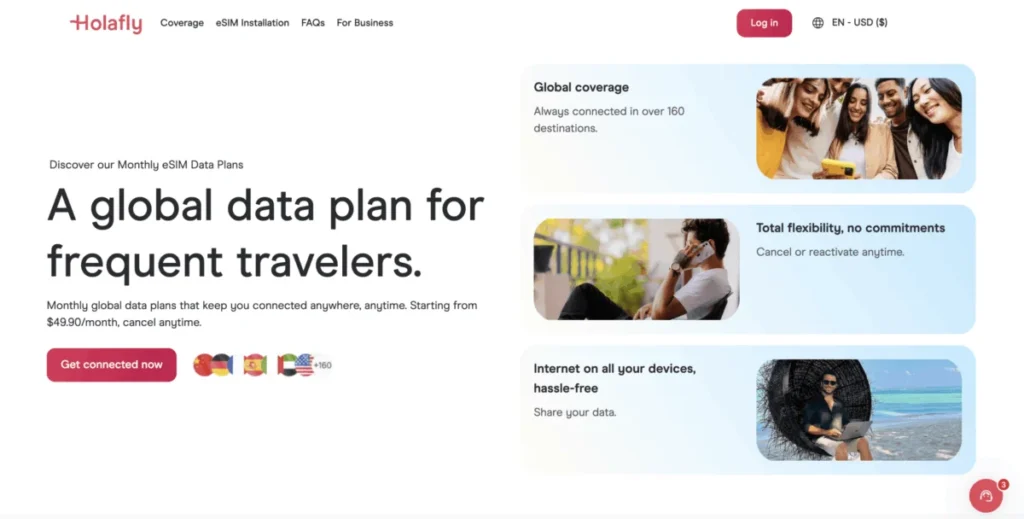
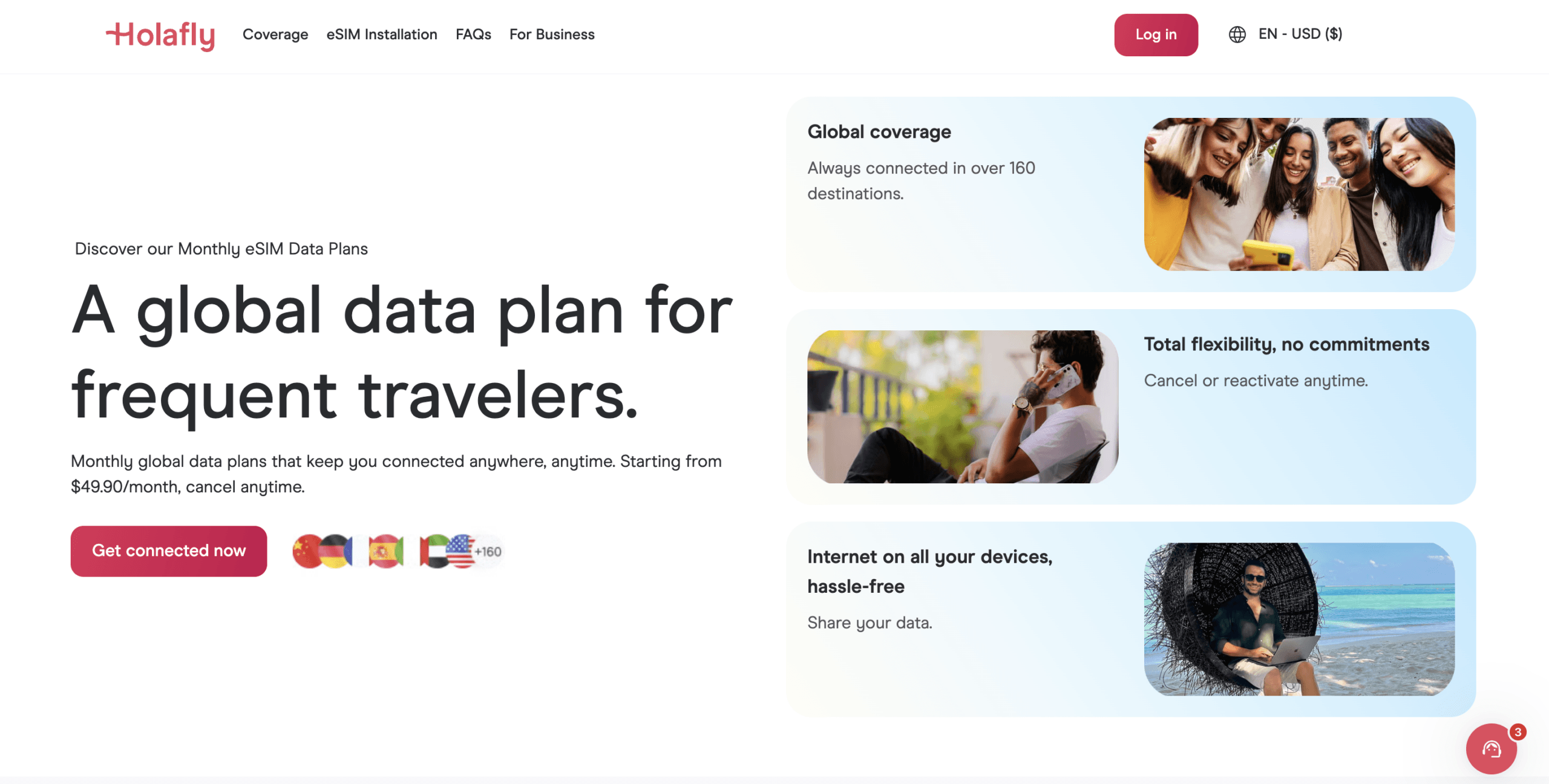
Holafly Plans represent a pivot from the traditional "per-trip" model to an "always-on" global subscription. Unlike standard eSIMs that require a new purchase, a new QR code, and manual installation for every new destination, Holafly Plans operate as a singular, recurring digital service.
The product covers over 160 destinations, functioning similarly to a home-country mobile carrier but with an international scope. Once the eSIM is installed on a compatible smartphone, the device automatically reconnects to local networks as the user crosses international borders. There is no need to manually swap profiles or navigate complex settings.
The service is bifurcated into two primary tiers:
- The Light Plan: Designed for the casual traveler or the minimalist, this tier offers 25GB of data per month, mobile hotspot functionality, and coverage across all 160+ supported countries.
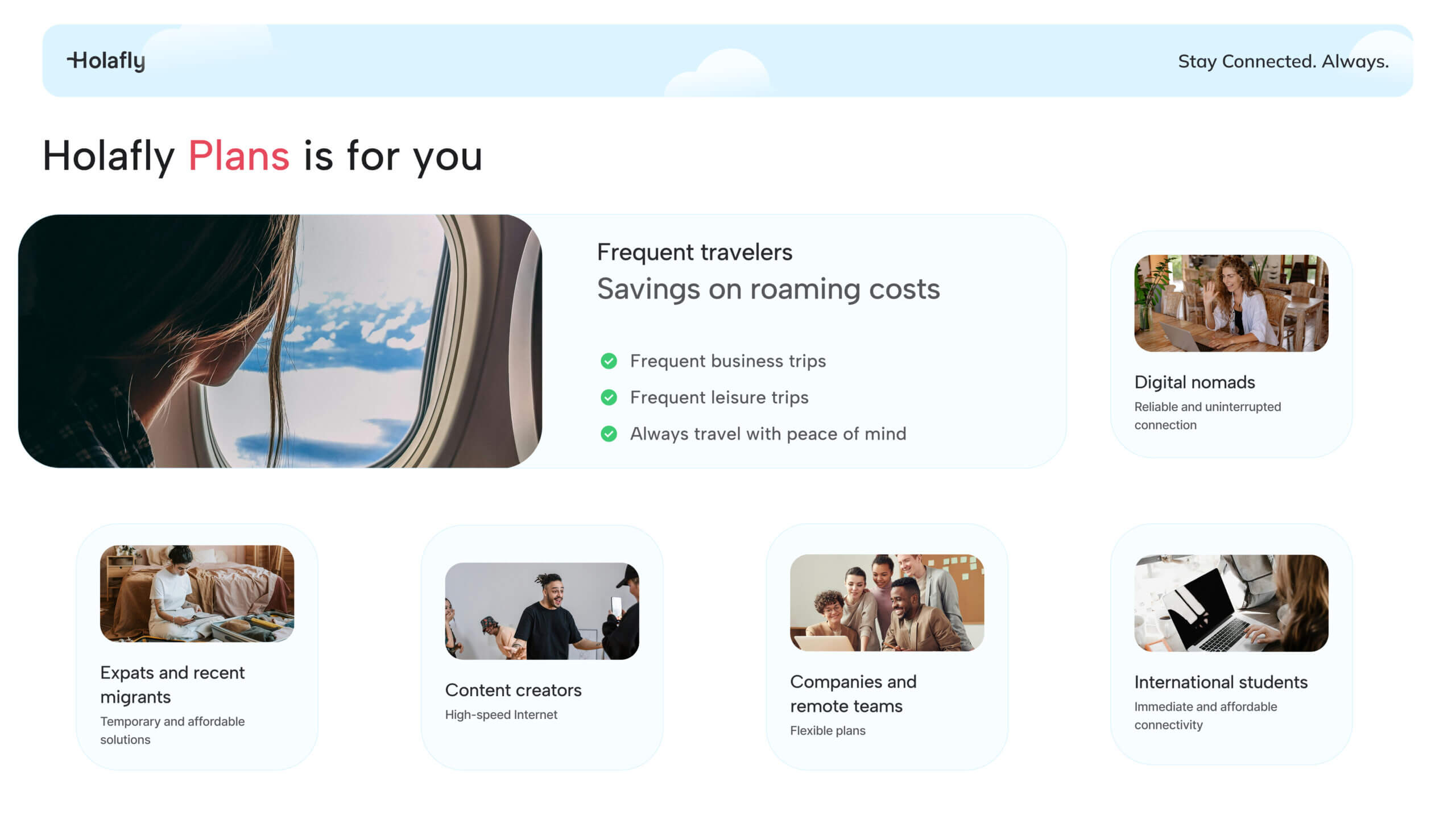
- The Unlimited Plan: Targeted at digital nomads, content creators, and remote workers, this tier features unlimited data and unlimited mobile hotspot capabilities. Notably, it includes a local phone number from the U.S., U.K., or Canada, allowing users to receive SMS messages—a vital feature for two-factor authentication and banking security.
The Chronology of eSIM Innovation
To understand why Holafly Plans are considered a breakthrough, one must look at the progression of international roaming.

The Physical SIM Era (1990s–2010s): Travelers relied on roaming with their home carrier at astronomical costs or physically purchasing local SIM cards. The latter involved finding a kiosk, providing identification, and potentially dealing with language barriers or network compatibility issues.
The Early eSIM Era (2018–2022): As Apple and other manufacturers integrated eSIM technology, companies like Holafly introduced the "Single Destination" eSIM. This was a massive improvement, allowing users to purchase a data package via an app before leaving home. However, it was still a fragmented experience; travelers moving through multiple countries in a month often had to purchase several individual plans.
The Subscription Era (2024–Present): With the launch of Holafly Plans, the industry has reached a "set-it-and-forget-it" stage. By moving to a subscription model, the provider has removed the friction of the transaction, allowing the user to treat their smartphone as a global device rather than a domestic one with temporary patches.
Supporting Data: The Economic Case for Global Subscriptions
The primary driver for the adoption of these plans is the cost-efficiency compared to traditional carrier roaming. Major U.S. carriers, for example, often charge upwards of $10 per day for international roaming, which translates to $300 a month—a prohibitive sum for most travelers.
| Feature / Cost | Holafly Plans (Unlimited) | US Major Carrier Roaming | Local/Single eSIMs |
|---|---|---|---|
| Monthly Cost | ~$55–$65 | $100–$300 | $60–$120 |
| Data Allowance | Unlimited | Throttled/Capped | Variable (5–10GB) |
| Hassle Factor | Near Zero | Moderate (Costly) | High (Multiple installs) |
| Hotspotting | Included | Often Restricted | Varies |
When analyzing these figures, the savings for a frequent traveler or a digital nomad are substantial. A user opting for the $55-per-month annual plan saves over 80% compared to a standard major carrier’s international add-on, while gaining the utility of true unlimited data.
Official Perspectives and User Experience
In an interview regarding the launch, representatives from Holafly emphasized the "Always On" feature. This is a proprietary inclusion where every user—regardless of their plan tier—receives 1GB of backup data every month for life, even if they choose to cancel their primary subscription. This acts as a safety net, ensuring that even if a traveler forgets to renew their plan, they remain reachable for emergencies.
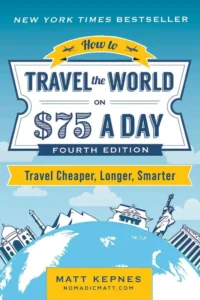
"The goal," says Nomadic Matt, a long-time user and advocate for the platform, "is to make the phone act like it’s in its home country, no matter where the user is standing. We’ve moved past the point where travelers should be worrying about data caps while trying to navigate a new city or work from a café in a foreign country."
Addressing the Technical Hurdles
While the shift to software-based connectivity is positive, it is not without technical considerations.
- Device Compatibility: eSIMs require devices manufactured within the last few years (generally iPhone XS or newer, and most modern Android flagships).
- Network Reliance: Performance is tethered to the local partner networks in each of the 160+ countries. In remote regions, performance may fluctuate, though this is a limitation of the local infrastructure rather than the eSIM provider itself.
- Support: One of the most frequently cited benefits of the service is its 24/7 human-staffed support, which addresses the "panic" factor of arriving in a new country without a working connection.
Implications for the Digital Nomad Lifestyle
The rise of the "borderless" mobile plan has profound implications for the future of work and travel. As remote work becomes a permanent fixture of the global economy, the ability to maintain a consistent digital identity is paramount.
Seamless Border Crossing
In the past, the moment a plane landed, the traveler was offline until they could reach a Wi-Fi source or find a shop. With a subscription-based plan, the transition is instantaneous. This is particularly valuable for those who rely on ride-sharing apps (like Uber or Grab) immediately upon arrival, as they no longer need to scramble for a connection to request their first transport.
Security and Identity
The inclusion of a local phone number from a stable jurisdiction (US/UK/Canada) in the Unlimited Plan is a security upgrade. Many international banking apps and security systems require SMS verification. Using a local SIM in a developing nation can sometimes result in missed messages or carrier incompatibility. Having a persistent, reliable number attached to a global plan solves this common pain point.
Flexibility and Sustainability
The subscription model removes the environmental waste of physical plastic SIM cards and the administrative waste of constantly managing individual, short-term contracts. By opting for quarterly or yearly plans, travelers can reduce their annual costs by 10% to 15%, aligning their travel expenses with their long-term lifestyle goals.
Conclusion: Is the Subscription Right for You?
The data is clear: if you are a traveler who takes one or two international trips per year, the traditional, one-off eSIM remains the most cost-effective choice. However, for the burgeoning class of global citizens, digital nomads, and high-frequency travelers, the subscription model is not merely a convenience—it is a financial and operational necessity.
By eliminating the recurring friction of purchasing data, providing consistent access to unlimited bandwidth, and maintaining a secure, persistent phone number, Holafly Plans have set a new benchmark. In an increasingly connected world, the ability to cross borders without losing your digital footing is the ultimate luxury, and for $55 a month, it is one that is finally accessible to the average traveler.
As the industry matures, we can expect further integrations—potentially including native voice calling and deeper roaming partnerships—but for now, the transition to subscription-based global connectivity marks the end of the "SIM card scramble" era for good.
For those looking to optimize their travel setup, using promotional codes such as NOMADICMATT at checkout can provide further cost savings on both subscription plans and individual eSIMs, ensuring that your connection to the world remains as affordable as it is reliable.