The Shadow Supply Chain: How Illicit Imports Are Bypassing EU Food Safety Controls
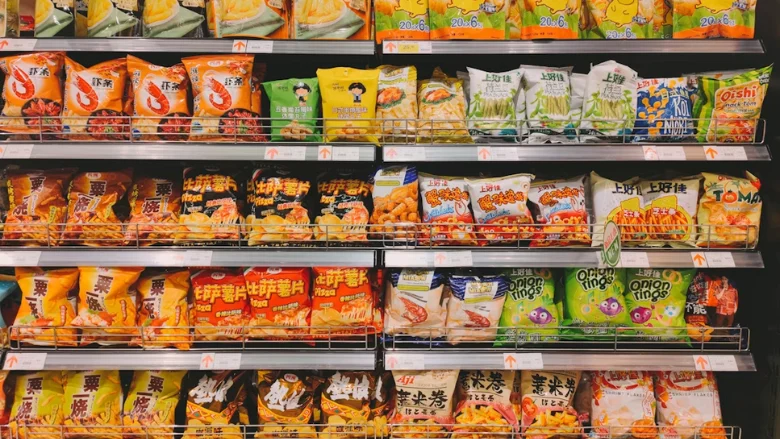
A sweeping investigation by Italian health authorities has exposed a sophisticated, clandestine network facilitating the illegal entry of Chinese food products into the European Union. The operation, which centered on ethnic food retailers in Naples, revealed a disturbing reality: prohibited animal products were being systematically mislabeled as plant-based snacks, effectively bypassing the EU’s rigorous border control protocols. Beyond the fraud, the investigation uncovered severe public health risks, including the presence of undeclared allergens and DNA fragments of the African Swine Fever (ASF) virus.
The findings, recently published in the Italian Journal of Food Safety by researchers from the Naples Local Health Authority and the University of Naples, serve as a stark warning about the vulnerabilities inherent in the globalized food supply chain and the innovative methods used by illicit actors to circumvent regulatory oversight.
Main Facts: A Blueprint for Food Fraud
The investigation, which began under the auspices of the Campania Region’s 2023–2027 Multiannual Regional Control Plan, targeted the intersection of ethnic retail and international trade. Investigators conducted 17 targeted inspections of shops primarily serving the Pakistani, Ukrainian, Filipino, and Chinese communities in Naples.
The most egregious violations were found in five Chinese food retailers. These establishments were stocking an array of products—labeled as “salty snacks,” “wheat-based snacks,” or “soy-based snacks”—that were, in reality, processed meat products of animal origin.
By employing AI-powered translation tools to compare the original Chinese packaging against the Italian-language labels affixed to the products, inspectors discovered a systematic deception. While the Italian labels adhered to a standardized format listing innocuous plant-based ingredients, they purposefully omitted the true composition of the items. Furthermore, these products lacked mandatory safety information, including the identity of the responsible food business operator, proper allergen declarations, and, most critically, accurate expiration or "use-by" dates.
Crucially, when investigators cross-referenced the production facilities listed on the original packaging against the EU’s Trade Control and Expert System (TRACES) database, they found that none of the identified Chinese manufacturers were authorized to export meat products to the European Union. These facilities were operating outside the scope of EU sanitary standards, turning these retail shelves into a landing pad for unauthorized, high-risk imports.
Chronology of the Investigation
The discovery was not the result of a singular tip-off but rather the culmination of a sustained, intelligence-led effort.
- Early 2023: Concerns regarding the species identification of meat products from non-EU countries prompted the Campania Regional authorities to formalize a monitoring strategy.
- Mid-2023: Field agents began executing site visits to ethnic food markets in Naples. Initial observations revealed discrepancies between packaging claims and physical product characteristics.
- Late 2023: Laboratory analysis of seized samples confirmed the presence of undeclared animal species, pathogens, and allergens.
- December 2023: In response to the findings, the Italian Ministry of Health issued a national directive, mandating a coordinated inspection campaign across every region and autonomous province of Italy.
- 2024 (Q1): The national campaign was fully operational, focusing on the potential for zoonotic disease transmission and the widespread surveillance of irregular porcine products.
Supporting Data: Laboratory Findings and Seizures
The laboratory results provided irrefutable evidence of the dangers posed by these illicit imports. Officials collected 46 samples for rigorous analysis. Of these, 17 underwent species identification testing, while 29 samples were subjected to real-time polymerase chain reaction (RT-PCR) testing to detect the presence of the African Swine Fever (ASF) virus.
The Biological Hazard
The species identification testing revealed that several products presented as plant-based actually contained pork and beef. Given the EU’s strict prohibition on the import of specific meat products from non-EU regions due to sanitary concerns, this confirmed a blatant breach of international trade laws.
Furthermore, testing of fishery products identified undeclared fish and mollusk species. For consumers with food sensitivities, this represented a significant, uncommunicated allergen risk.
Perhaps most alarming was the ASF testing. Out of 29 samples containing porcine material, 12 tested positive for ASF viral DNA. While researchers noted that the detection of viral DNA does not confirm the presence of an infectious, live virus, the result underscores the high level of contamination within these illicit supply chains. ASF is a highly contagious, deadly viral disease affecting domestic and wild pigs, and its introduction into the EU could cause catastrophic economic damage to the agricultural sector.
The Scale of the Seizure
By the conclusion of the operation, authorities had seized approximately 4 metric tons of prohibited food products. The inventory of confiscated goods included:
- Fresh and processed poultry, pork, and beef.
- Unidentified processed seafood.
- Whey-based beverages.
- Various non-animal food products with gross labeling deficiencies.
Beyond the specific food safety violations, inspectors reported pervasive hygiene issues, including parasite infestations, evidence of improper storage, and the sale of expired goods.
Official Responses and Judicial Action
The Italian Ministry of Health’s response was immediate and comprehensive. By reporting the findings through the EU’s Rapid Alert System for Food and Feed (iRASFF), Italy alerted its European partners to the specific nature of the fraud.
The December 2023 directive moved beyond the Naples region, ordering at least 30 inspections per region and 15 per autonomous province in early 2024. This directive emphasized that local authorities must maintain heightened vigilance regarding zoonotic pathogens.
Judicial proceedings have been initiated against five retail operators. Charges include commercial fraud, customs violations, and the distribution of non-compliant food items. However, investigators believe these retailers are merely the "tip of the iceberg." Evidence found at the shops—specifically rolls of adhesive labels stored alongside products—suggests that the deceptive labeling was not a manufacturing-level error, but a calculated, retail-level operation. This indicates the existence of a larger, organized distribution network that supplies retailers with both the contraband and the tools to disguise it.
Implications for Global Food Security
The Naples investigation highlights the inherent weaknesses in relying solely on traditional, border-based inspections. As international trade becomes more complex, criminals are exploiting the gap between a product’s entry into the EU and its arrival on the store shelf.
The "Labeling" Loophole
The use of pre-printed, falsified labels underscores how simple it is to deceive both consumers and low-level inspectors. By obscuring the origin and the nature of the product, the operators effectively laundered illegal goods into the legitimate marketplace.
The Need for Technological Integration
The researchers argue that the era of manual inspection must be supplemented by data-driven strategies. They advocate for:
- AI-Driven Traceability: Utilizing artificial intelligence to monitor trade patterns and detect anomalies in import documentation and product labeling.
- Interagency Cooperation: Enhancing the synergy between customs, health departments, and law enforcement to track goods from the port of entry to the point of sale.
- International Collaboration: Establishing stronger information-sharing protocols with third-country authorities to identify the sources of these illegal goods before they ever reach EU borders.
The "Naples Case" demonstrates that food safety is no longer just about hygiene—it is about national security and the protection of the agricultural economy. As the European Union continues to grapple with the threat of ASF and other zoonotic diseases, the ability to rapidly identify and neutralize fraudulent supply chains will become the cornerstone of public health. The investigators’ call for greater use of technology, coupled with a more aggressive, multi-agency approach, provides a necessary roadmap for future enforcement in an increasingly volatile global food market.