Navigating the Labyrinth: A Comprehensive Analysis of the Fresh Produce Supply Chain
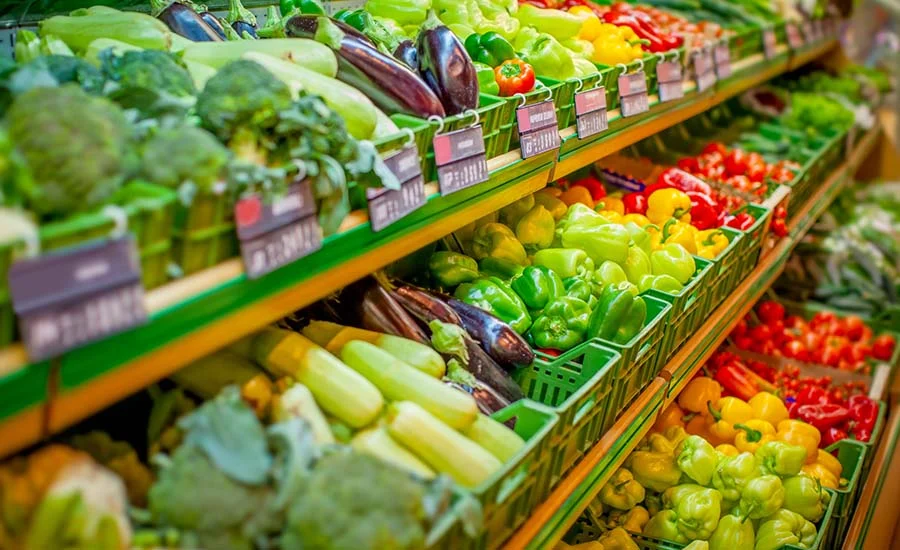
The global fresh produce supply chain stands as a pinnacle of logistical and regulatory complexity. Unlike shelf-stable commodities, fresh fruits and vegetables exist in a state of constant, rapid transition. From the moment of harvest, the clock begins a countdown, making the journey from farm to fork a high-stakes race against biology, environment, and logistics. Ensuring that these products reach the consumer in a safe, high-quality state requires an unprecedented level of coordination across a sprawling network of stakeholders, including growers, packinghouses, logistics providers, processors, manufacturers, and retailers.
The Foundation of Food Safety: Supplier Onboarding and Risk Mitigation
Managing risk in the produce industry begins long before a seed is sown or a truck is loaded. It starts with the strength of the supply base. Modern food safety is built upon a foundation of rigorous supplier evaluation, approval, and continuous monitoring. Before any food safety protocols can be effectively deployed, organizations must establish a baseline of confidence that their partners possess the technical resources, operational discipline, and ethical commitment required to uphold safety standards.
The Complexity of Regulatory Compliance
For suppliers operating within the United States, the regulatory landscape is dominated by the Food and Drug Administration (FDA) and the U.S. Department of Agriculture (USDA). Domestic compliance is merely the entry fee to the market; once a supplier aims for major retail or foodservice contracts, they must navigate a dense thicket of third-party certifications—including GlobalG.A.P., PrimusGFS, SQF, and BRCGS.
The challenge is magnified when sourcing internationally. Foreign suppliers must reconcile their local regulations with the stringent demands of the U.S. Food Safety Modernization Act (FSMA), particularly the Foreign Supplier Verification Programs (FSVP). This requires an exhaustive, risk-based approach to documentation review, which often includes verifying water quality, environmental monitoring programs, and sanitation records from thousands of miles away.
Chronology of the Farm-to-Fork Journey
To understand the fresh produce supply chain, one must view it as a chronological sequence of critical control points, each susceptible to disruption.
1. The Pre-Harvest and Harvest Phase
The origin of food safety risk is the field. Growers must contend with agricultural water quality—often the most significant hurdle in verification—as irrigation sources can harbor pathogens. Farmers operate under lean financial structures, yet they are increasingly required to implement sophisticated monitoring tools. Beyond water, soil composition and nutrient management (specifically the use of compost and manure) require precise handling to prevent microbial contamination. Furthermore, environmental variables such as extreme weather, flooding, and wildlife intrusion—which are harder to manage in organic settings—can introduce pathogens at the source.
2. The Logistics and Cold Chain Phase
Once harvested, the produce enters the "cold chain." Because perishability is the primary enemy, temperature management is the heartbeat of the logistics network. Whether it is a short haul between a farm and a packinghouse or an international shipment crossing borders, any deviation in temperature can accelerate spoilage and permit pathogen growth. This stage requires seamless data transparency, where trailer inspections and transit verification serve as the primary defensive lines against quality degradation.
3. The Processing and Manufacturing Phase
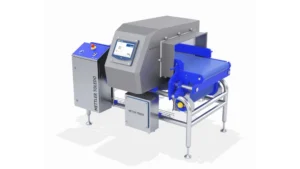
Upon arrival at a facility, the product undergoes immediate assessment. The clock is already ticking. Manufacturers perform rigorous trailer, product, and condition inspections to ensure the integrity of the shipment. Once accepted, the produce enters a processing phase characterized by targeted antimicrobial interventions—such as chlorine or peracetic acid (PAA) washes—and physical inspections (e.g., metal detection, X-ray scanning). These are the final "gatekeepers" before the product is packaged for the retail environment.
Supporting Data and Technical Realities
The industry is currently grappling with the tension between operational limitations and rising safety expectations. A key data point in modern supply chain management is the cost of compliance. Small-to-medium-sized farming operations often face the most significant burden, as they must provide the same level of documentation as large, vertically integrated corporations but with fewer administrative resources.
Furthermore, the introduction of FSMA 204 has fundamentally altered the landscape of data capture. The requirement to maintain Critical Tracking Events (CTEs) and Key Data Elements (KDEs) has moved the industry toward a digitized, traceable model. This shift is not merely about record-keeping; it is about visibility. When a recall event occurs, the ability to trace a product back to the specific field, harvest date, and cooling facility is the difference between a minor operational correction and a catastrophic brand event.
Official Perspectives: The Role of Verification and AI
Industry leaders and regulatory bodies alike are pushing for a more proactive, "predictive" model of safety. The traditional reactive approach—waiting for a failed test result—is being replaced by predictive analytics. AI-driven tools are being deployed to monitor supplier performance in real-time, analyzing environmental data, historical performance, and regional weather patterns to predict where risks may arise before they manifest as contaminated shipments.
"The goal is no longer just to meet the minimum regulatory threshold," says one food safety consultant. "The goal is to integrate the ‘Voice of the Customer’ (VoC) into the supply chain." By using AI to identify consumer trends and potential safety concerns simultaneously, companies are building systems that are not just safer, but more efficient and responsive to market demands.

Implications for the Future: Building a Proactive Culture
The implications of these logistical and safety demands are twofold. First, they favor organizations that prioritize transparency. Companies that view supply chain management as a core competitive advantage—rather than a "cost center"—are those that will survive in an increasingly litigious and quality-conscious marketplace.
Second, the human element remains vital. Despite the rise of X-ray sensors, automated sanitizers, and AI, the success of the system rests on a culture of safety. If a worker on the harvest line does not understand the importance of a specific sanitation procedure, or if a logistics provider views temperature monitoring as a bureaucratic chore rather than a vital safety act, the system fails.
Long-term Strategic Shifts
- Vertical Integration: More retailers and processors are seeking to own or directly control their supply base to reduce the "black box" of third-party procurement.
- Data Interoperability: The industry is moving toward unified data platforms where every stakeholder in the supply chain can view the same traceability and quality information, eliminating silos.
- Sustainability and Safety: The overlap between sustainability (e.g., reducing water usage) and food safety (e.g., improving water quality) is becoming a focal point for investment.
Conclusion
The fresh produce supply chain is, by all accounts, a masterclass in complexity. It requires the harmony of science, engineering, law, and logistics. While the challenges—from wildlife intrusion at the farm level to cold chain interruptions in transit—are daunting, they are not insurmountable.
Success in this sector requires a shift from viewing safety as a regulatory burden to viewing it as a strategic asset. By fostering strong partnerships, embracing technological advancements in traceability and AI, and maintaining a relentless commitment to the cold chain, organizations can navigate this labyrinth. In doing so, they protect the most critical asset of all: the health and trust of the consumer. As the marketplace continues to demand higher standards of transparency and safety, the companies that succeed will be those that have moved beyond mere compliance and into a new era of proactive, data-driven food safety leadership.