Mastering the Art of Container Gardening: A Case Study in Botanical Versatility
Introduction: The Power of the Pot
In the world of landscape design, containers are often relegated to the status of "accent pieces." However, for experienced gardeners like Linda, a resident of Hinckley, Ohio (Zone 6b), containers represent a sophisticated tool for spatial management, aesthetic elevation, and ecological stewardship. Over the course of 15 years, Linda has transformed a one-acre property that once lacked any formal landscaping into a vibrant, multi-layered sanctuary. Her approach underscores a fundamental truth in horticulture: when ground-level planting is hindered by root competition, poor soil quality, or structural limitations, containers offer the ultimate solution for cultivating a diverse, thriving garden.
The Evolution of a Landscape: A 15-Year Journey
The chronicle of Linda’s garden in Hinckley began with a blank slate. Upon arriving at the property 15 years ago, the land offered little in terms of established botanical structure. The transformation process was not merely about aesthetic enhancement; it was a long-term commitment to integrating native plant species and creating functional habitats for local pollinators.
Phase 1: Foundation and Early Establishment
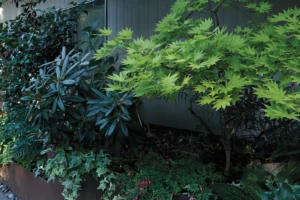
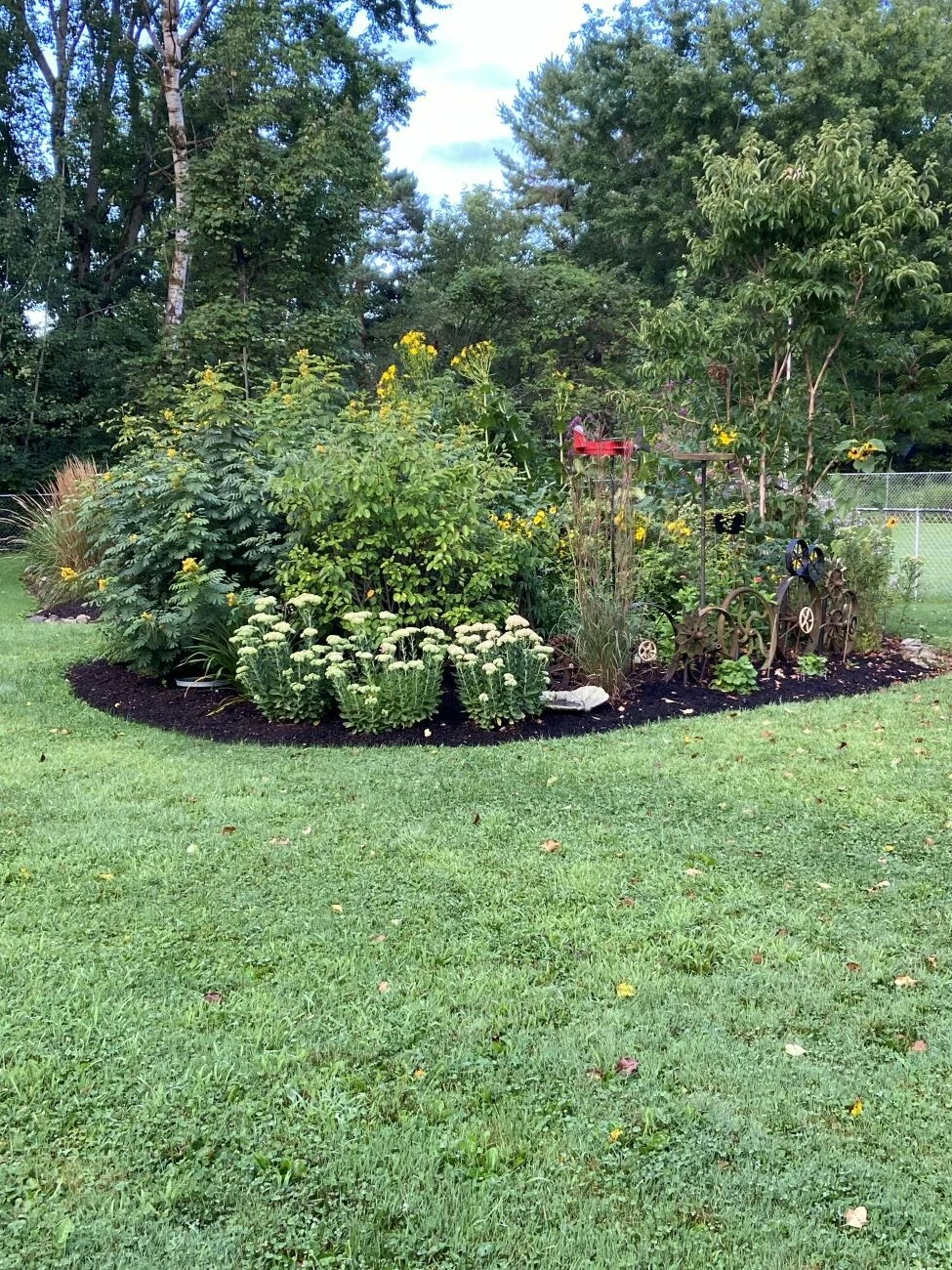
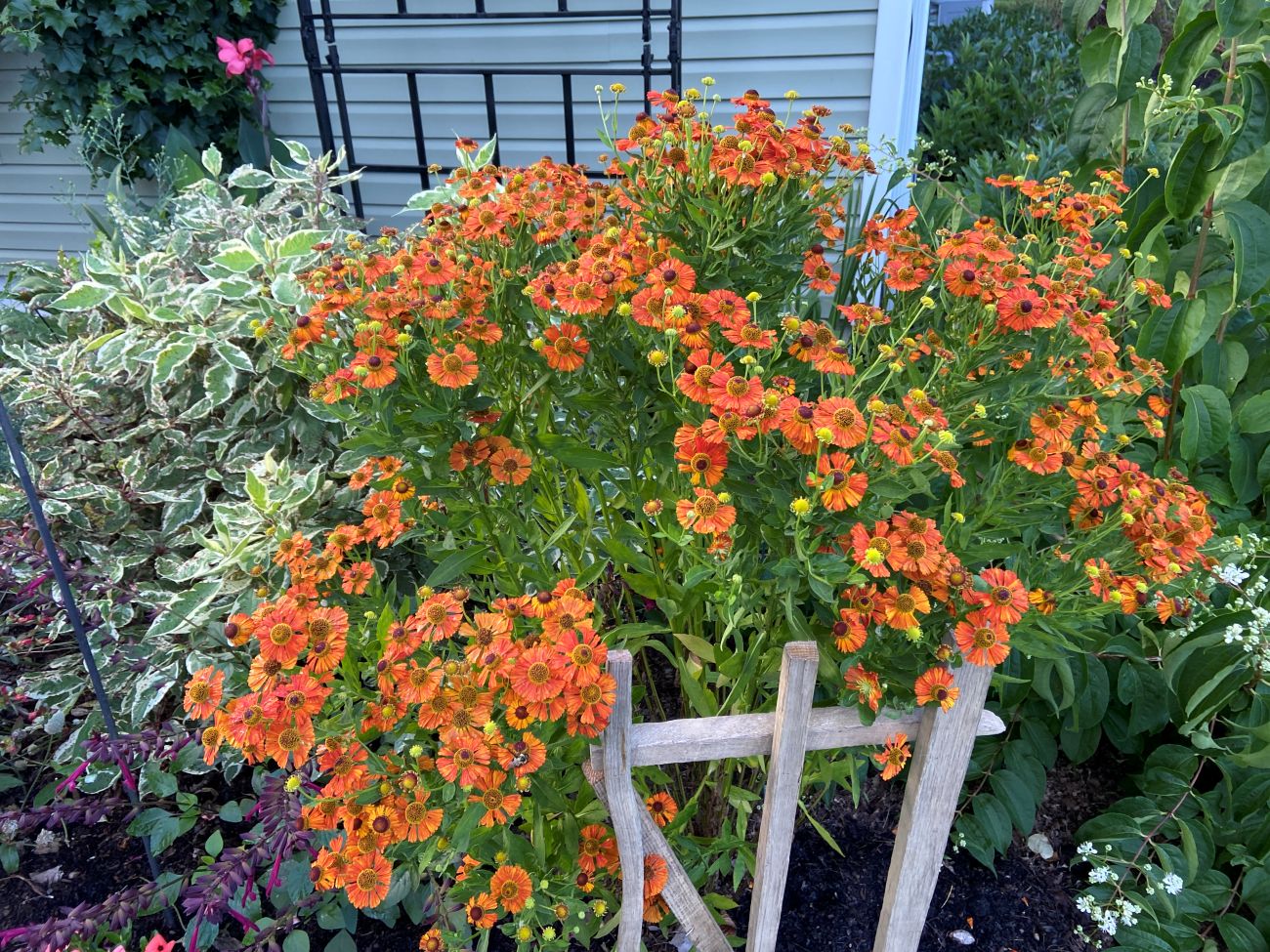
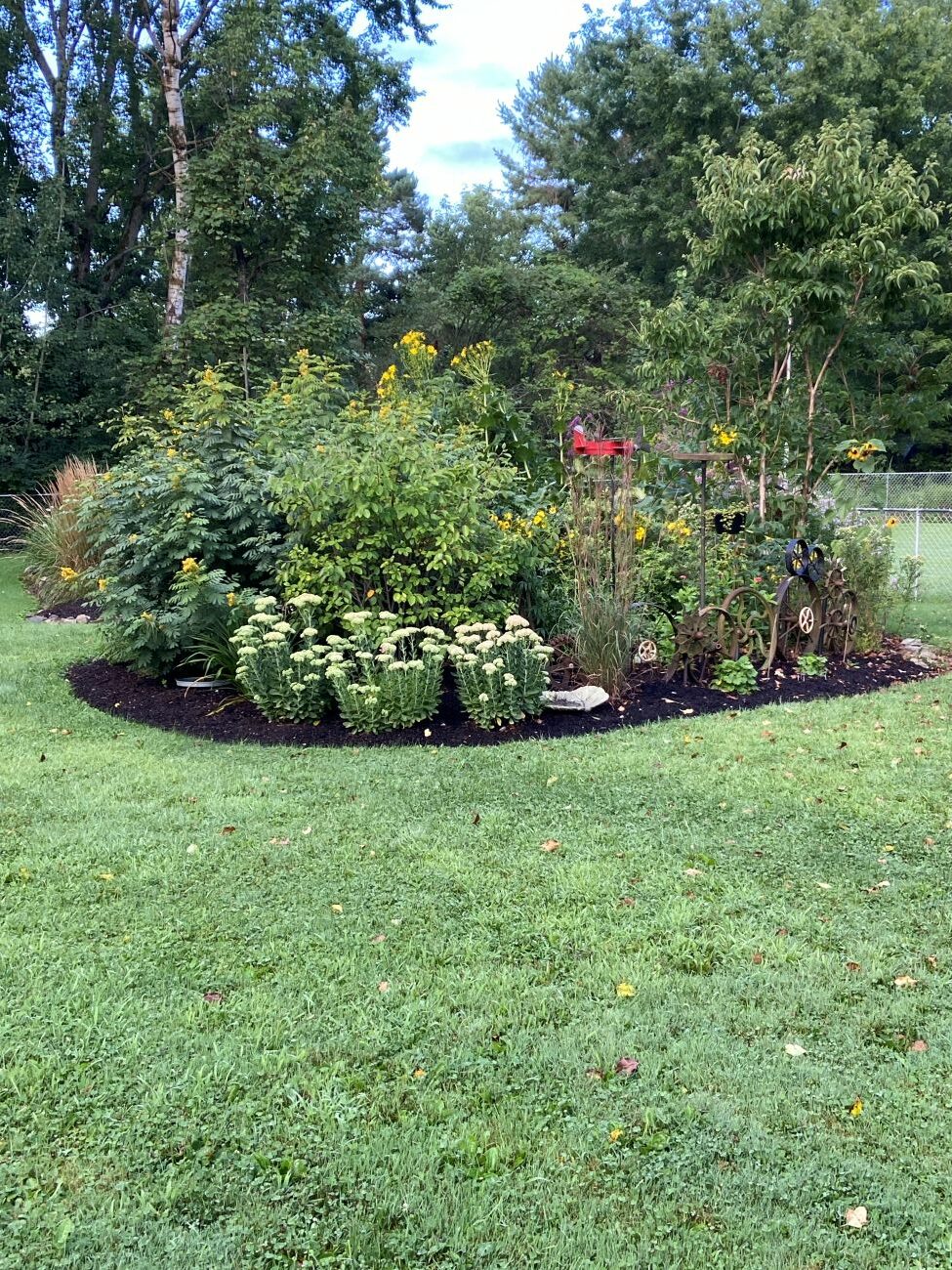
In the early years, the focus was on structural plantings. Establishing woody shrubs and perennials formed the "bones" of the property. The front garden, currently in its third year of maturity, serves as a testament to this initial planning. By incorporating the Cornus alba ‘Bailhalo’ (Ivory Halo Tatarian dogwood), Linda introduced reliable winter interest and striking foliage. Paired with the late-season bloom of Helenium autumnale (sneezeweed) and the architectural grace of Heptacodium miconioides (seven-son flower), the front garden functions as a dynamic, seasonal display that provides a transition from summer into the crisp air of an Ohio autumn.
Phase 2: The Container Strategy
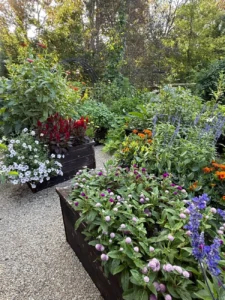
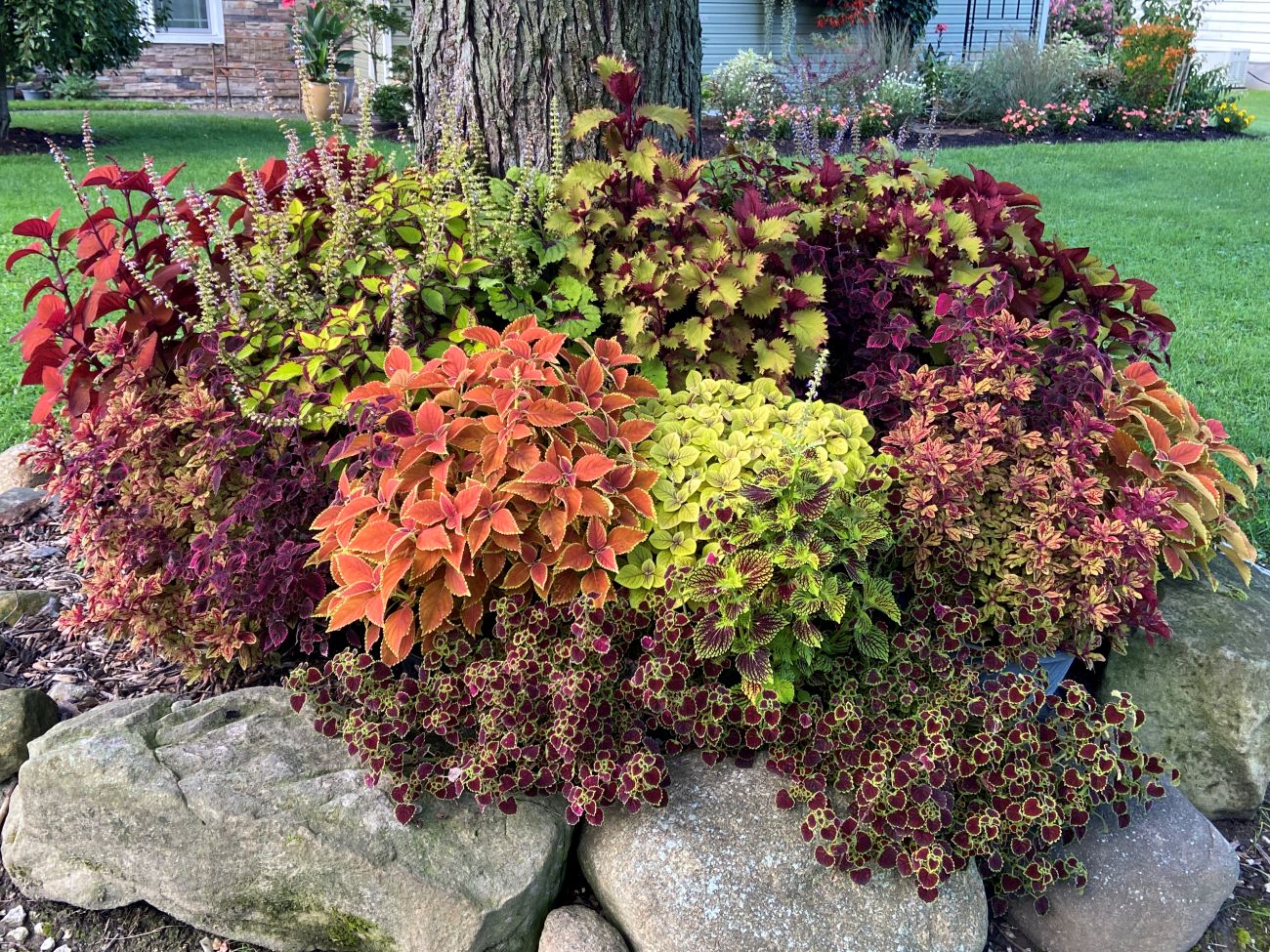
As the landscape matured, the limitations of in-ground planting became apparent, particularly under the canopy of mature trees. The root systems of large trees often create an impenetrable barrier for traditional gardening. Linda’s solution was to pivot toward intensive container gardening. By placing large pots beneath these trees, she successfully bypassed the competition for water and nutrients, allowing for the introduction of shade-loving species like Plectranthus scutellarioides (coleus). This strategy not only protects the tree’s health but also transforms a "dead zone" into a focal point of color and texture.
Supporting Data: Botanical Selections and Regional Adaptations
A key element of Linda’s success lies in her careful selection of plant material suited for the Midwestern climate. Her garden demonstrates a balance between high-maintenance, seasonal annuals and resilient, ecologically beneficial native species.
The Role of Tender Perennials
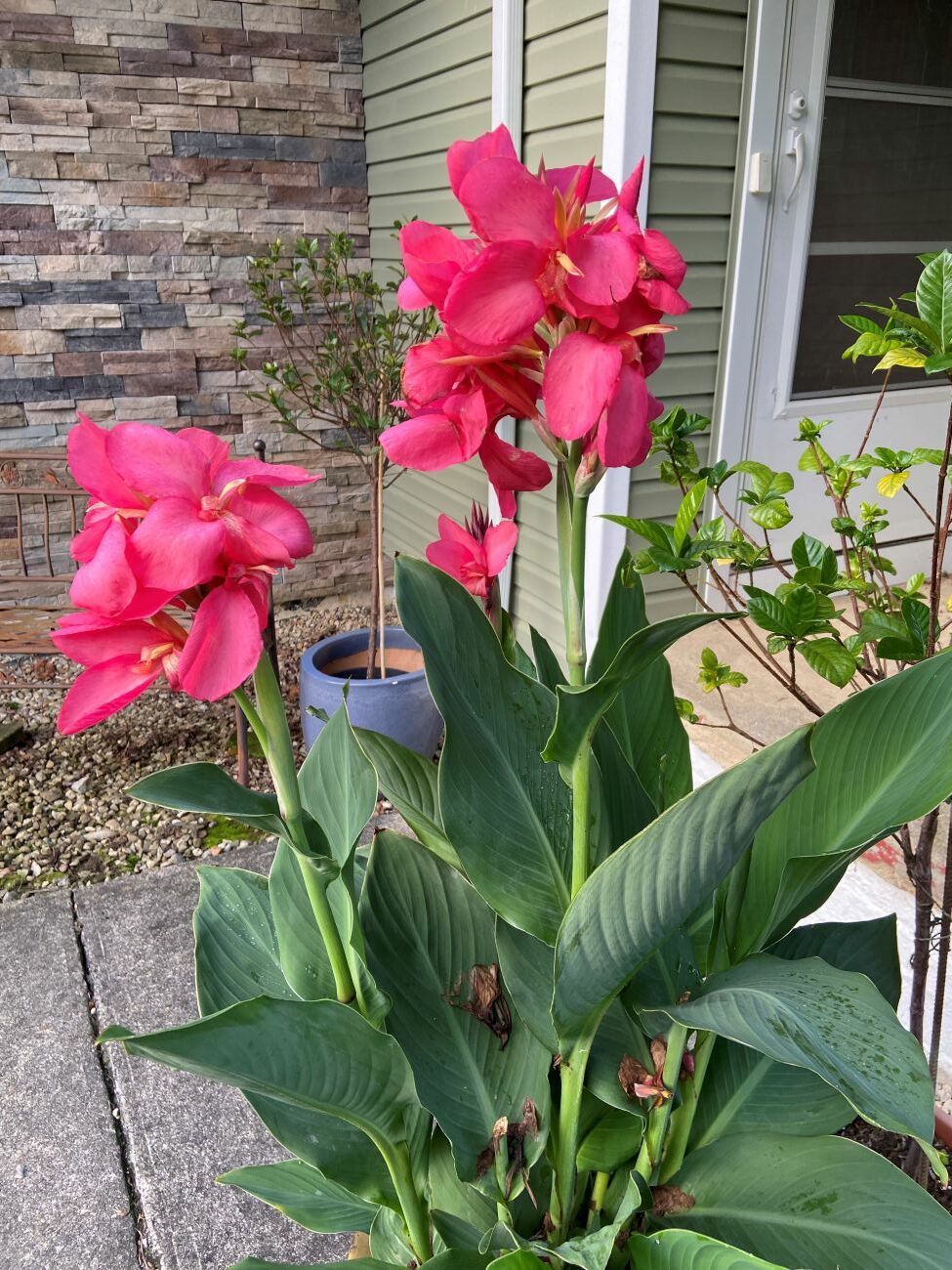
Not all plants are built for the harsh freeze-thaw cycles of Zone 6b. For instance, the Canna lilies (Canna cvs.) featured in her collection are not reliably hardy in Ohio. Linda employs a manual overwintering technique: lifting the rhizomes after the first frost, storing them in a cool, dark environment, and replanting them in the spring. This practice exemplifies the dedication required to maintain tropical aesthetics in a temperate climate.
Annuals and Trailing Varieties
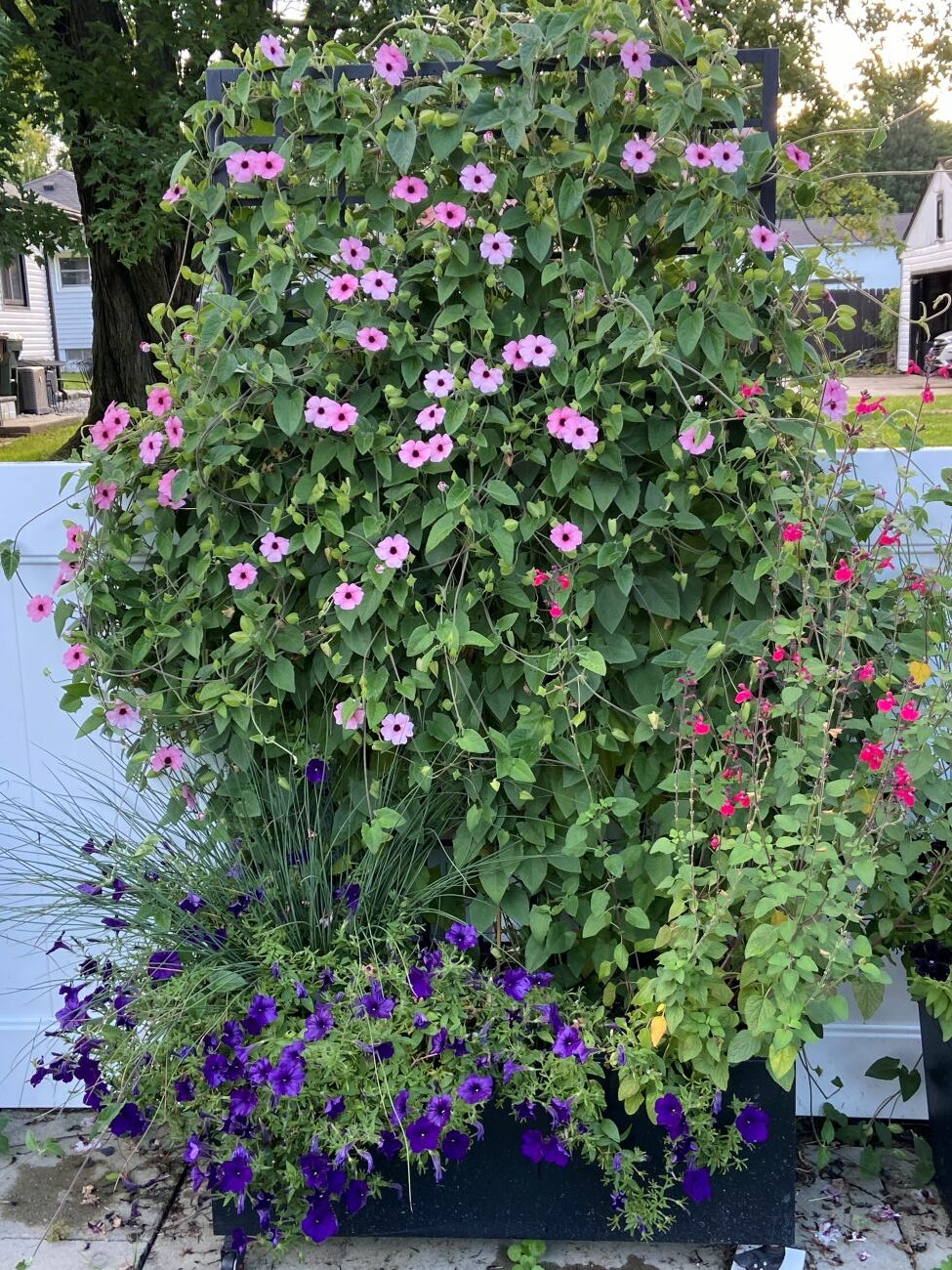
The use of vertical space via window boxes and elevated planters allows for a diverse mix of flora. Her current window box display, which features a sophisticated tapestry of coleus, trailing begonia, silver dichondra (Dichondra argentea), annual ivy, and petunias, is anchored by a vibrant lime-green trailer—identified as creeping Jenny (Lysimachia nummularia). This cascading effect blurs the line between the architecture of the home and the garden, creating a seamless visual flow.
The Ecological Impact: Pollinators and Native Integration
Beyond the visual allure, the primary objective of the property’s development has been the support of native ecosystems. Linda has installed five dedicated native garden beds in the backyard. This deliberate choice to prioritize native flora has yielded tangible results in local biodiversity.
Pollinator Observation
The inclusion of native plants is not merely for aesthetics; it is an observational science. Linda reports that the primary joy of her gardening practice is witnessing the relationship between specific plants and their corresponding pollinators. By providing a consistent source of nectar and pollen through varied, successive blooms, her backyard has become a vital waypoint for local insect populations.
Implications for Modern Gardeners
The lessons drawn from Linda’s Hinckley garden have broad implications for homeowners across the United States. As urban and suburban lots become increasingly fragmented, the ability to maximize small spaces becomes paramount.
Overcoming Environmental Challenges
The "Container-First" approach is increasingly relevant for:
- Urban Environments: Where soil may be compacted, contaminated, or non-existent (e.g., concrete patios).
- Mature Landscapes: Where mature tree roots prohibit digging.
- Climate Resiliency: Containers allow for the movement of plants to protected areas during unseasonable weather events.
The "New Nature" Philosophy
The trend toward blending the wild with the cultivated—a concept championed by horticulturalists like Thomas Rainer and Claudia West—is perfectly mirrored in Linda’s work. By utilizing native species for ecological function and exotic, tender plants for structural and color interest, she has achieved a "hybrid" garden that is both resilient and breathtaking.
Expert Perspective: Designing for Longevity
Horticultural experts often suggest that the key to a successful container-based landscape is consistency in maintenance and a deep understanding of microclimates.
- Hydration Management: The use of smart irrigation, such as automated timers (e.g., the RAINPOINT Sprinkler Timer), is essential for busy gardeners. Containers dry out significantly faster than the ground, and without a reliable watering schedule, high-density plantings will fail.
- Soil Quality: Containers require a specialized medium. Using high-quality potting mixes that allow for both drainage and nutrient retention is the foundation of any long-term container success.
- Preventative Care: Simple maintenance, such as ensuring high-quality rubber washers on hose connections to prevent leaks and water waste, contributes to the overall sustainability of the garden system.
Future Outlook and Community Engagement
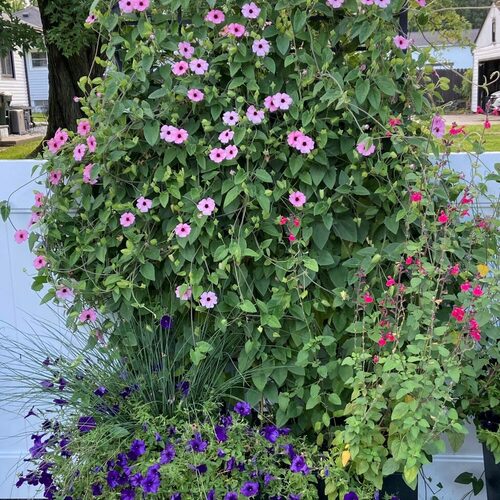
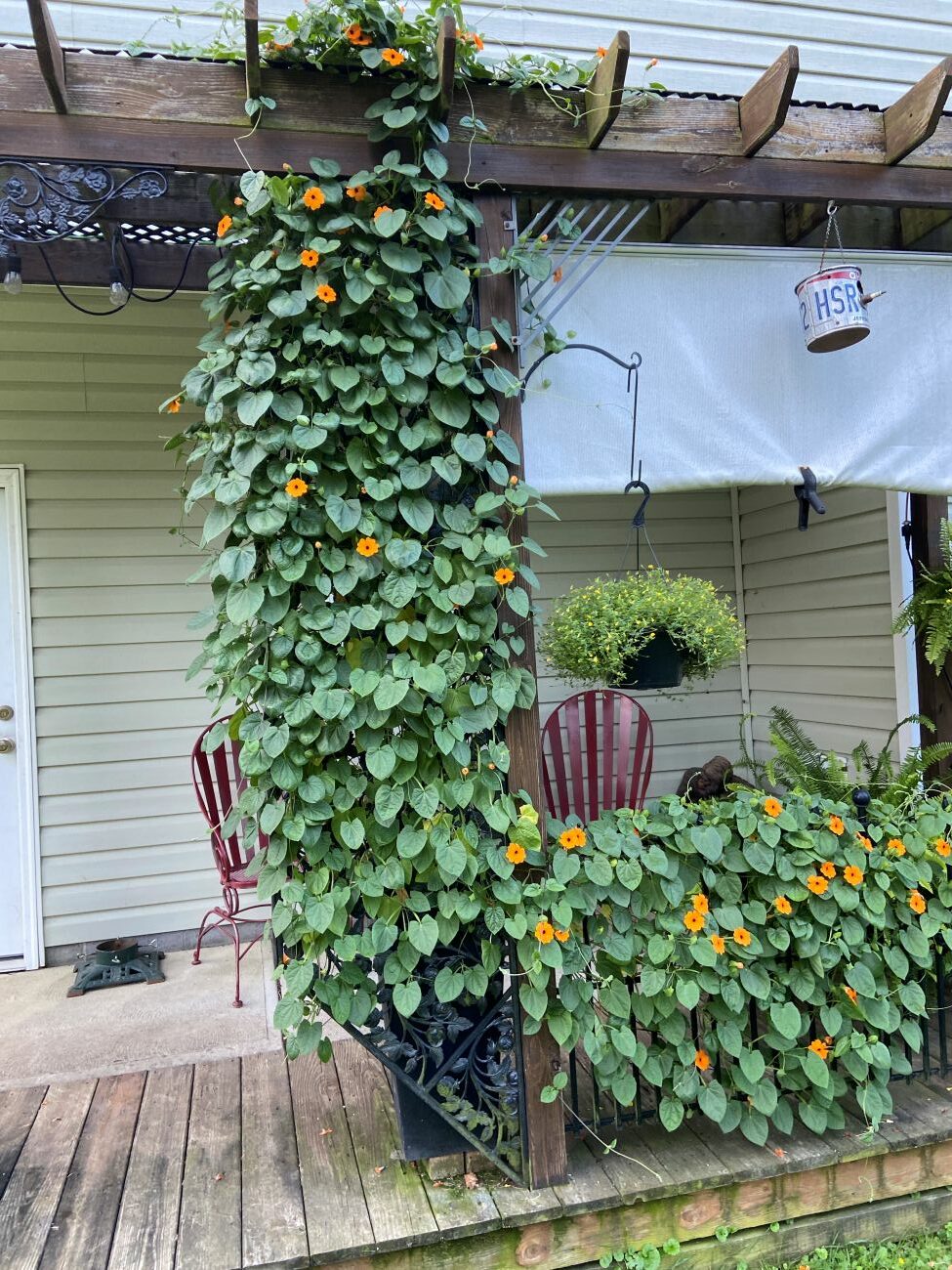
As Linda continues to refine her one-acre plot, her focus remains on the intersection of human enjoyment and environmental necessity. Her journey highlights that gardening is an iterative process. It involves successes, such as the thriving black-eyed Susan vine (Thunbergia alata), and ongoing learning experiences regarding the lifecycle of tender perennials.
A Call to Action
The spirit of the "Garden Photo of the Day" movement is to share these lessons. By documenting individual successes—whether it is the perfect window box or a thriving native pollinator garden—the gardening community grows stronger. Each submission, much like Linda’s, provides a blueprint for others to follow, proving that with enough passion and planning, any space can be turned into a botanical masterpiece.
Conclusion
Linda’s Hinckley, Ohio garden stands as a masterclass in versatility. By embracing the challenges of her local climate and the physical limitations of her land, she has crafted a space that is as ecologically sound as it is visually arresting. Her reliance on containers has not served as a crutch, but as a catalyst for creativity, allowing her to curate a dynamic environment that invites pollinators, delights the senses, and provides a template for future gardeners looking to make their mark on their own unique landscapes. Whether you are a beginner or a seasoned horticulturist, the core message remains the same: identify your constraints, choose your plants with intention, and never underestimate the power of a well-placed container.