The Art of the Perfect Gluten-Free Blueberry Muffin: A Culinary Masterclass
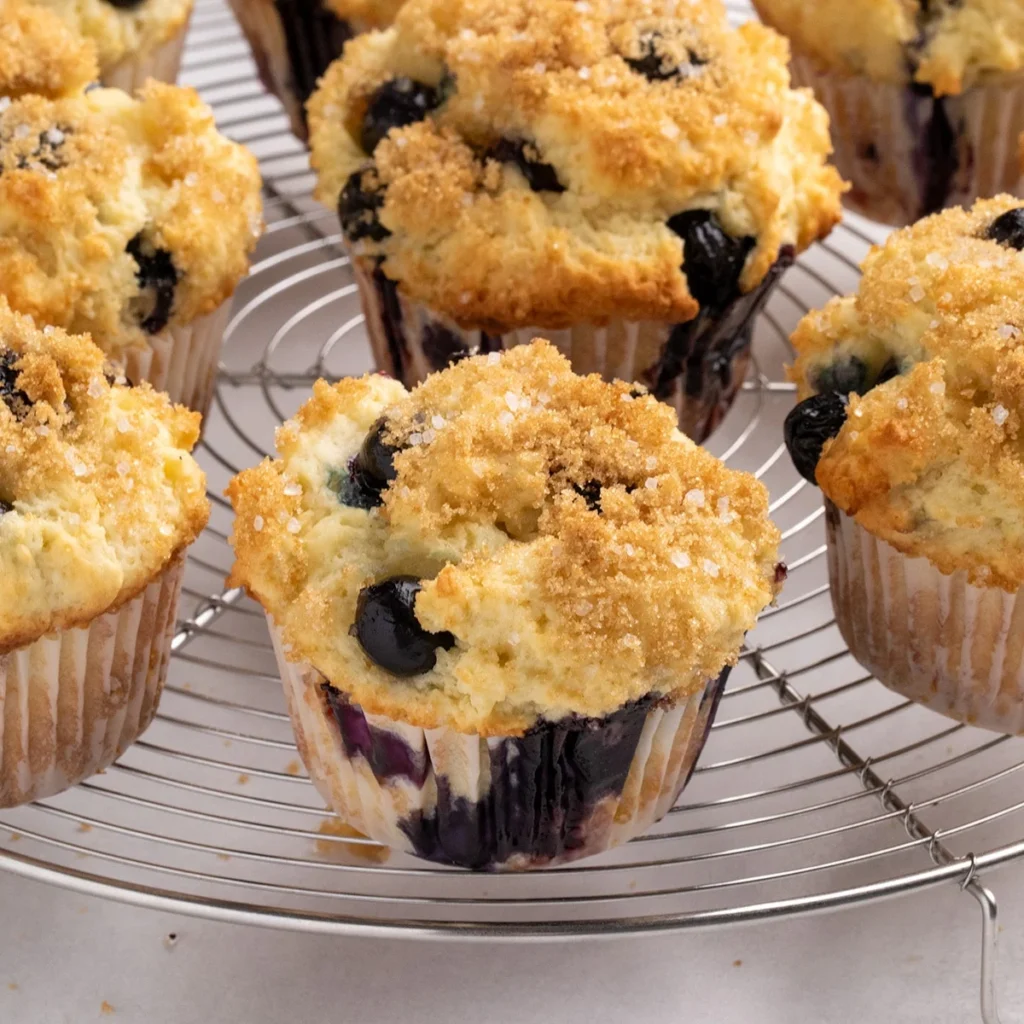
For those navigating the complexities of a gluten-free lifestyle, the quest for the "perfect" bakery-style muffin has long been a pursuit fraught with disappointment. Too often, gluten-free baked goods fall victim to crumbly textures, sunken centers, or the dreaded "dense puck" syndrome. However, a breakthrough in home-baking techniques—championed by experts like Nicole Hunn of Gluten Free on a Shoestring—has finally bridged the gap between necessity and indulgence.
The latest findings in gluten-free pastry science demonstrate that with the right structural approach, bakers can achieve high-rising, bakery-style blueberry muffins that rival their wheat-based counterparts. By focusing on ingredient synergy and precise thermal management, these muffins maintain a tender crumb while supporting an abundance of juicy, fresh or frozen blueberries.
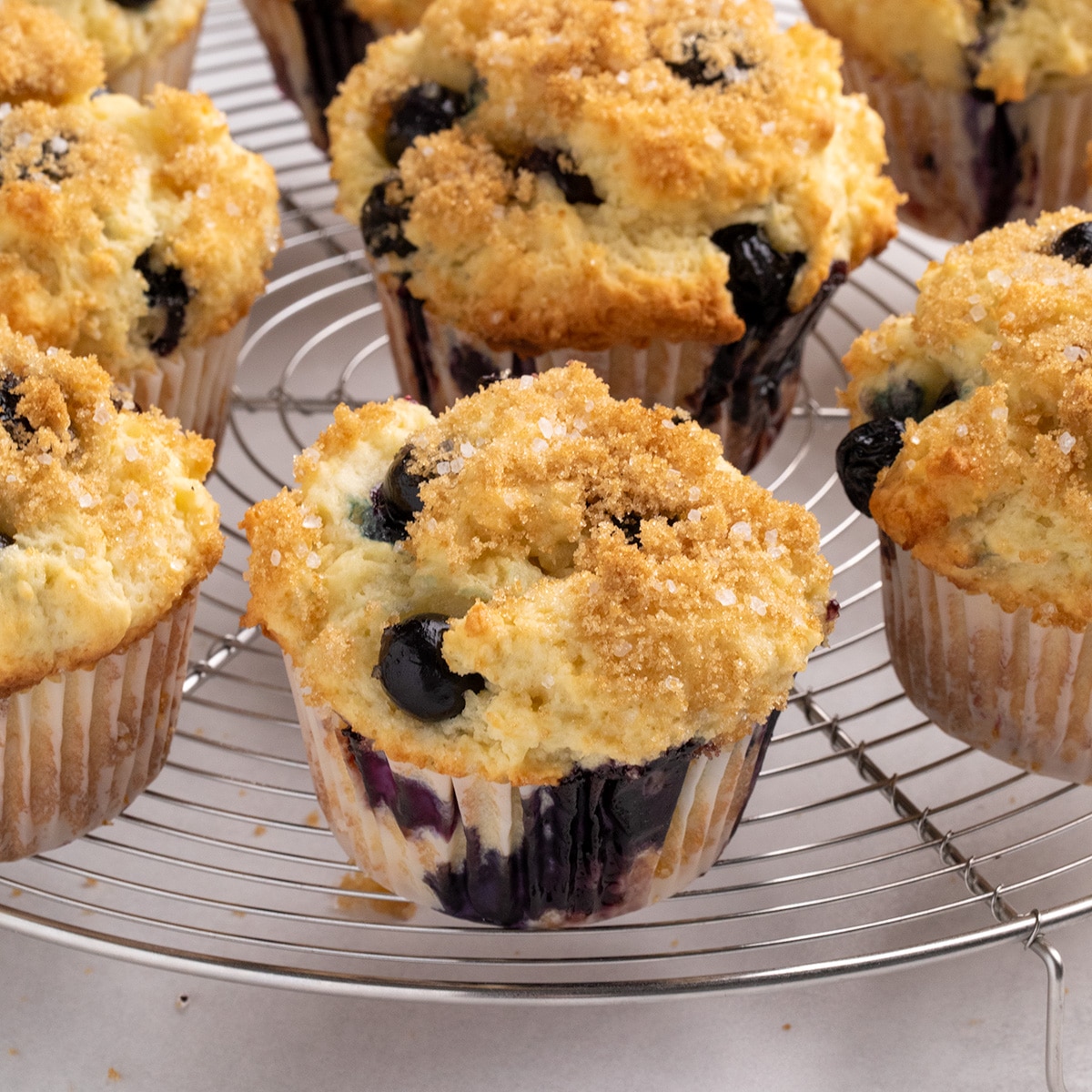
Main Facts: The Science of Structure
The primary challenge in gluten-free baking is the absence of wheat protein, which provides the elastic framework necessary to trap carbon dioxide during the leavening process. Without it, muffins often collapse under the weight of heavy mix-ins like blueberries.
The "secret" to achieving that coveted tall, craggy dome lies in three key structural pillars:

- Xanthan Gum Optimization: While many store-bought gluten-free flour blends contain some binding agents, they are often insufficient for the heavy-lifting required by fruit-laden batters. Adding a strategic amount of extra xanthan gum ensures the batter is thick enough to suspend berries, preventing them from sinking to the bottom of the tin.
- Acid-Base Activation: The inclusion of fresh lemon juice is not merely for flavor. It acts as a catalyst for the baking soda, creating an immediate, robust chemical reaction that provides the necessary lift before the structure sets in the oven.
- Thermal Shock: A "start-high, finish-low" baking method is the industry gold standard for bakery-style domes. By initiating the bake at 400°F, the batter undergoes rapid expansion (the "oven spring"). Lowering the temperature to 350°F midway through allows the interior to cook through without scorching the exterior or drying out the crumb.
Chronology: The Step-by-Step Evolution of the Perfect Batch
To achieve professional-grade results at home, bakers must adhere to a specific sequence of operations that preserves the integrity of the ingredients.
- Phase 1: Preparation. The process begins by preheating the oven to 400°F. The use of paper liners is highly recommended, as they provide structural support for the muffins as they rise above the rim of the pan.
- Phase 2: The Emulsion. Wet ingredients—melted butter, buttermilk, lemon juice, and eggs—are whisked until perfectly smooth. This step is critical; by breaking down the egg yolks early, the baker avoids the need for aggressive mixing later, which can deflate the leavening gases.
- Phase 3: The Dry Matrix. In a separate bowl, the gluten-free flour, additional xanthan gum, cornstarch, leavening agents, and sugar are combined. The inclusion of cornstarch is a common pro-tip to soften the flour blend, resulting in a more tender, cake-like crumb.
- Phase 4: The Berry Suspension. A crucial, often overlooked step is the "flour-coat." Tossing blueberries in a tablespoon of the dry mixture creates friction, ensuring they remain suspended throughout the batter rather than settling at the base.
- Phase 5: Final Assembly. The wet and dry components are folded together just until combined. The batter will be thick—a deliberate feature intended to hold the berries in place. After filling the tins to the brim, a final dusting of coarse sugar or brown sugar is applied to create a signature crunchy "bakery" top.
- Phase 6: The Cool-Down. Once removed from the oven, patience is required. Letting the muffins sit in the tin for 10 minutes allows the starches to "retrograde," or reorganize, ensuring the muffin holds together when removed.
Supporting Data: Understanding Ingredient Roles
When evaluating the success of this recipe, one must look at the specific function of each component. Nutritional data reveals a calorie profile of approximately 309 kcal per muffin, with a balanced ratio of carbohydrates and fats that contribute to the moisture of the crumb.
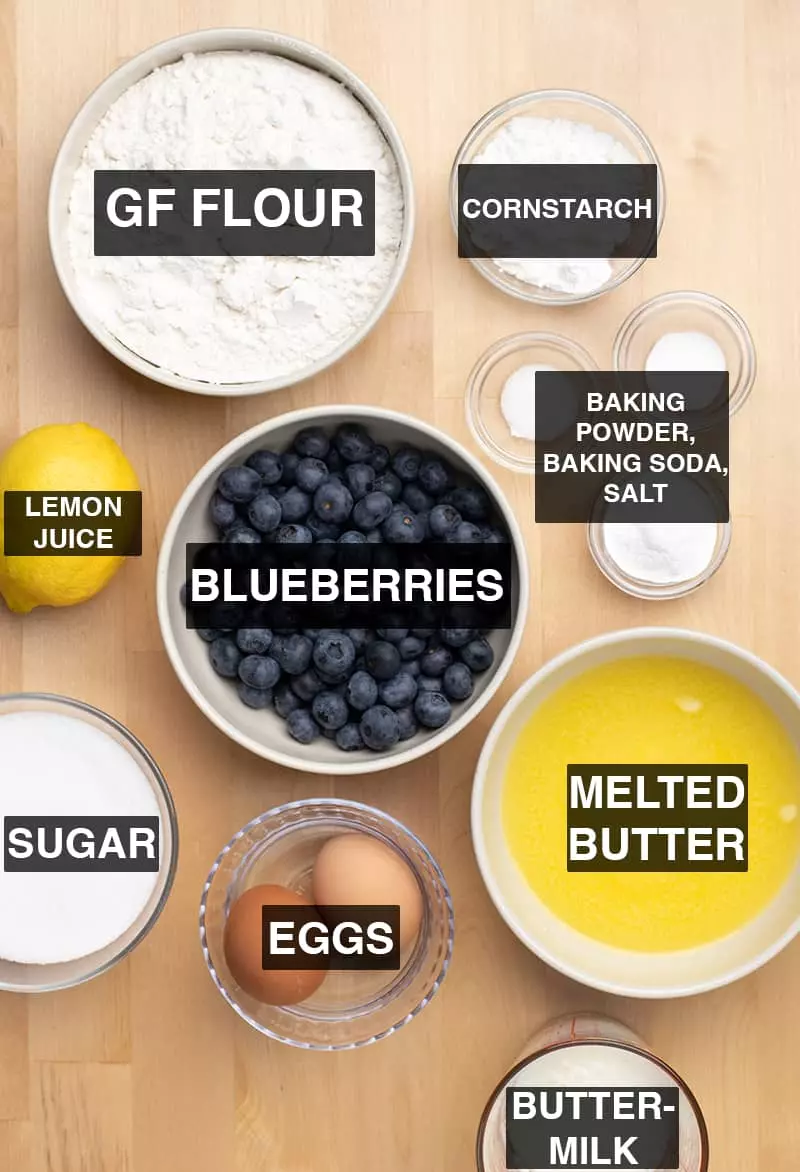
- Buttermilk: Provides the acidity needed to break down the starches for a tender texture and adds a subtle tang that balances the sweetness of the berries.
- Melted Butter: Essential for mouthfeel. Unlike oil, which can create a greasy crumb, butter provides a rich, complex flavor profile.
- Cornstarch: Acts as a tenderizer, counteracting the potential grittiness of some rice-based flour blends.
For those with dietary restrictions beyond gluten, the research offers clear pathways for substitution:
- Dairy-Free: A combination of plain dairy-free yogurt and unsweetened non-dairy milk effectively mimics the viscosity of buttermilk.
- Egg-Free: While egg replacers like "chia eggs" or commercial liquid substitutes work, bakers should expect a slightly lower rise.
- Corn-Free: Arrowroot starch or potato starch are excellent, high-performing alternatives to cornstarch.
Official Responses and Expert Perspectives
Nicole Hunn, a leading voice in the gluten-free community, emphasizes that the "good for gluten-free" mentality is a standard that should be rejected. "At Gluten Free on a Shoestring," Hunn notes, "we believe that if you’re going to bake, the result should be indistinguishable from the wheat-based version."
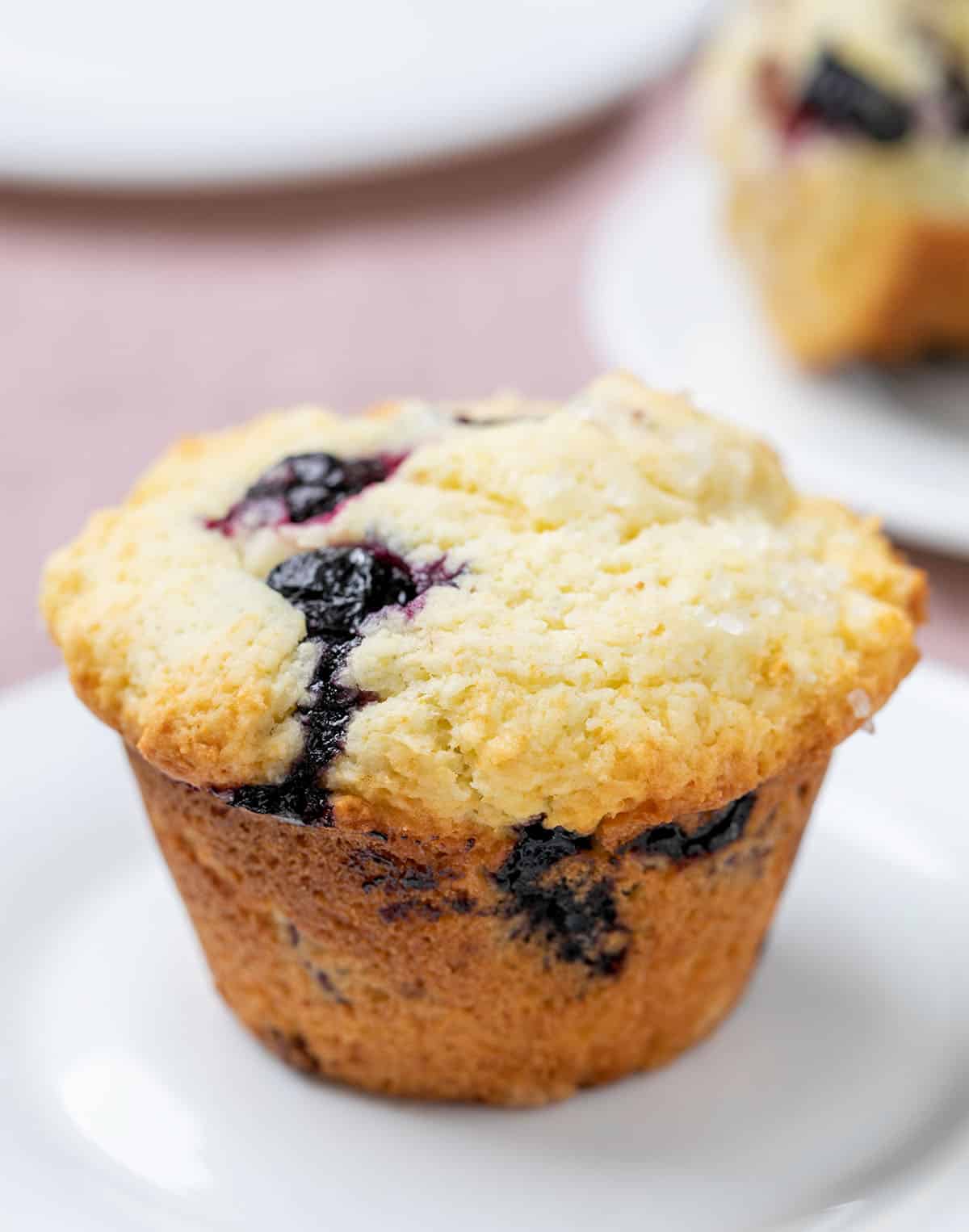
The expert consensus on "frozen vs. fresh" berries is also clear: Always use them frozen. Thawing berries causes them to release excess liquid, which can turn the batter purple and lead to a gummy, collapsed muffin. Keeping them in a frozen state ensures they maintain their shape during the initial, high-heat blast of the oven.
Implications for the Home Baker
The implications of these findings are profound for those with Celiac disease or gluten sensitivities. The ability to produce a reliable, bakery-quality muffin at home reduces reliance on expensive, often lackluster store-bought alternatives.

Furthermore, the "baking as science" approach helps demystify the process. By understanding that "retrogradation" (the cooling phase) is actually a vital part of the cooking process, the baker is empowered to troubleshoot their own results. If a muffin falls apart, it is rarely a failure of the recipe, but rather a lack of adequate cooling time.
Quick Reference for Troubleshooting:
- Batter too thin? Ensure you are using a high-quality, weighed flour blend. If using a volume-based measurement, be sure to "spoon and level" the flour rather than scooping directly from the bag.
- Muffins not rising? Check the freshness of your baking powder. In gluten-free baking, the leavening agent is the engine of the operation.
- Berries sinking? Re-verify that you have properly tossed the berries in flour and that your batter consistency was thick enough upon mixing.
By mastering these fundamental techniques, the home baker transforms the kitchen into a laboratory of flavor. These muffins serve as a testament to the fact that dietary limitations do not have to result in a compromise of quality, texture, or the simple joy of a freshly baked, golden-topped blueberry muffin. Whether served warm with a pat of butter or stored for a quick, grab-and-go breakfast, these muffins provide a reliable foundation for a gluten-free diet that is as delicious as it is nutritious.