The Gold Standard: Mastering the Art of the Bakery-Style Gluten-Free Blueberry Muffin
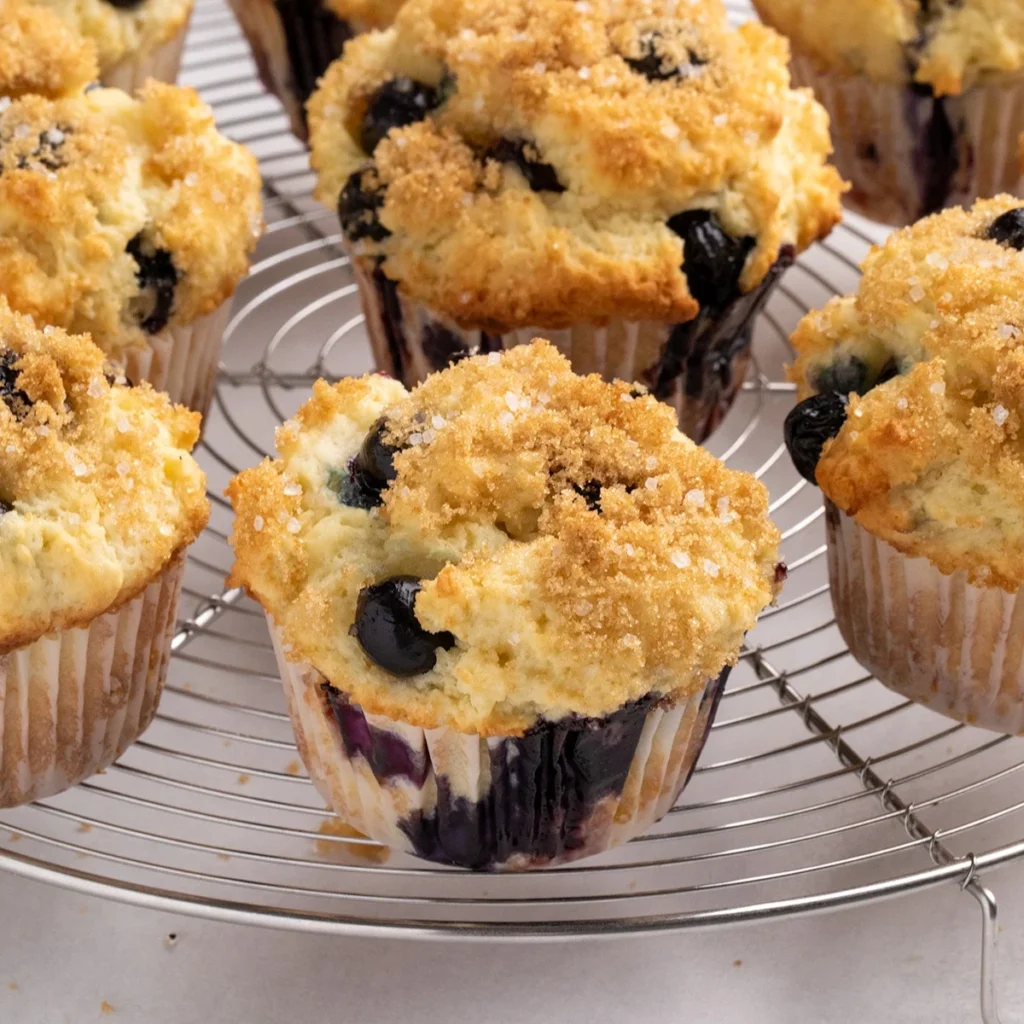
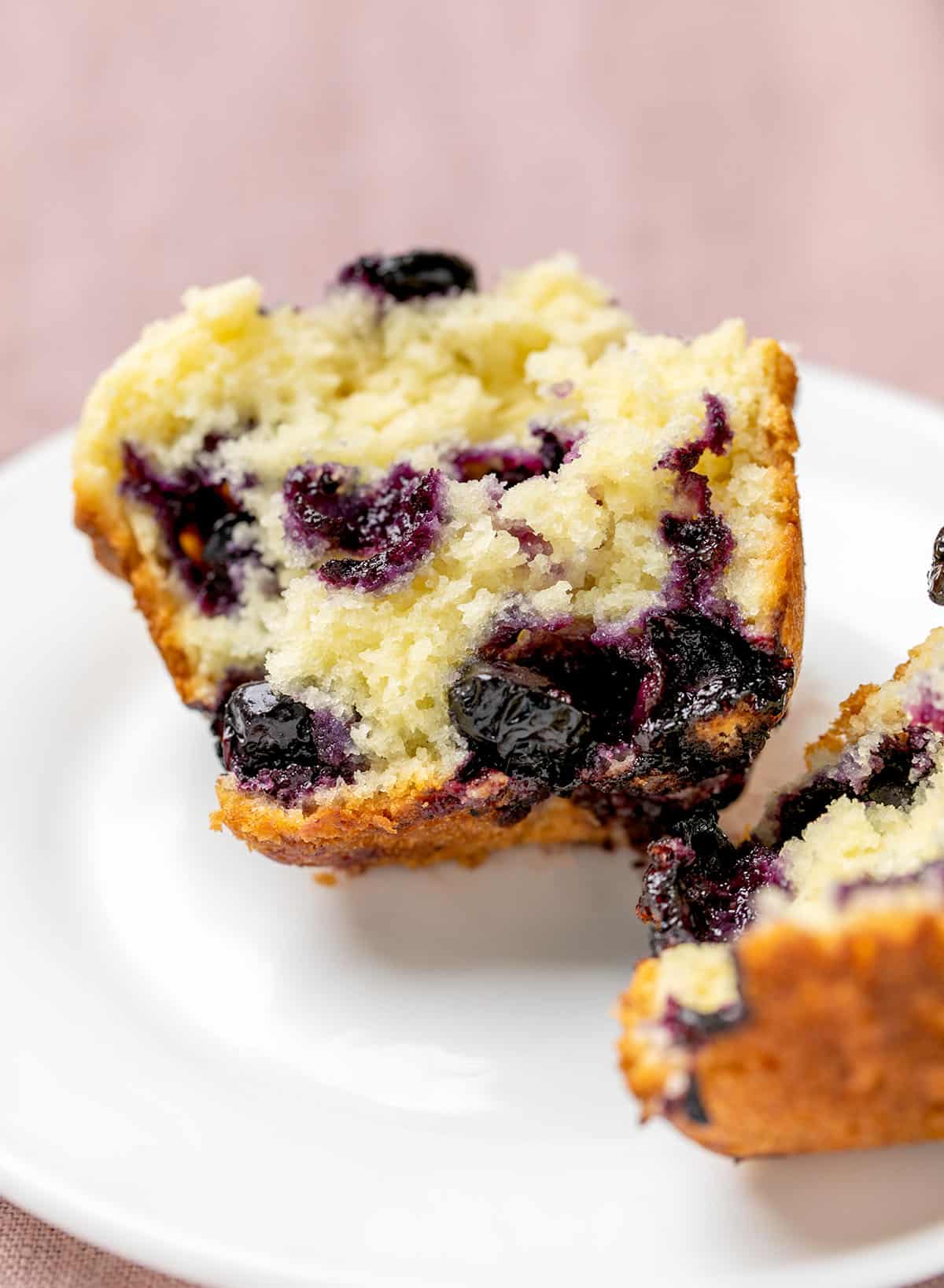
For those navigating the complexities of a gluten-free lifestyle, the quest for the "perfect" muffin—one that boasts a towering, craggy dome, a moist, tender crumb, and an abundance of juicy fruit—has long been considered the holy grail of home baking. Often, gluten-free alternatives fall short, resulting in dense, collapsed, or overly crumbly baked goods that lack the structural integrity to hold generous portions of fruit.
However, a new methodology, spearheaded by culinary expert and author Nicole Hunn of Gluten Free on a Shoestring, is changing the narrative. By adjusting the chemical composition of the batter and employing a precision-based baking technique, home bakers can now achieve professional-grade results without the need for complex equipment or overnight refrigeration.
Main Facts: The Science Behind the Rise
The primary challenge in gluten-free baking is the absence of gluten, the protein network that provides elasticity and structural "lift" to traditional wheat-based doughs. Without it, muffins often struggle to rise or, if they do, they frequently collapse once cooled.
This recipe overcomes these structural hurdles through three core modifications:

- Xanthan Gum Fortification: By increasing the amount of xanthan gum—a vital binder in gluten-free baking—the batter gains the necessary viscosity to trap air bubbles. This thick batter acts as a scaffold, suspending heavy blueberries throughout the muffin rather than allowing them to sink to the bottom.
- The Dual-Temperature Bake: Rather than a standard, consistent heat, this method begins at 400°F (204°C). This high-heat shock causes the baking powder to react rapidly, forcing the muffins to rise aggressively and set their structure before the interior softens. Reducing the temperature to 350°F (177°C) for the remainder of the cycle ensures the centers cook through without scorching the delicate, sugar-dusted tops.
- Acid-Base Activation: The integration of fresh lemon juice is not merely for flavor. It acts as an acidic agent that reacts with the baking soda, creating an immediate carbon dioxide release. This extra "lift" is critical for achieving that coveted, bakery-style aesthetic.
Chronology: A Step-by-Step Approach to Success
Achieving consistent results requires a methodical approach. The process is streamlined to avoid over-mixing, which can lead to a tough or gummy texture.
- Preparation: Preheat the oven to 400°F. Line a 12-cup muffin tin with paper liners. The liners provide essential side-support, acting as a mold that encourages vertical growth rather than horizontal spreading.
- The Wet Base: Whisk together melted, cooled butter, buttermilk, lemon juice, and eggs. The emulsification of these ingredients is key to achieving a smooth, uniform batter.
- The Dry Blend: Combine the gluten-free flour blend with the calculated extra xanthan gum, cornstarch (which tenderizes the crumb), leavening agents, and sugar.
- The "Suspension" Technique: A critical step is tossing the blueberries in a small portion of the dry mixture. This thin coating of flour prevents the berries from bleeding their juices into the batter, which would otherwise weigh down the muffin and cause it to cave in.
- The Folding Process: Incorporate the wet and dry ingredients just until combined, then fold in the prepared blueberries gently. Over-folding will cause the berries to burst, staining the batter and compromising the structural integrity of the muffin.
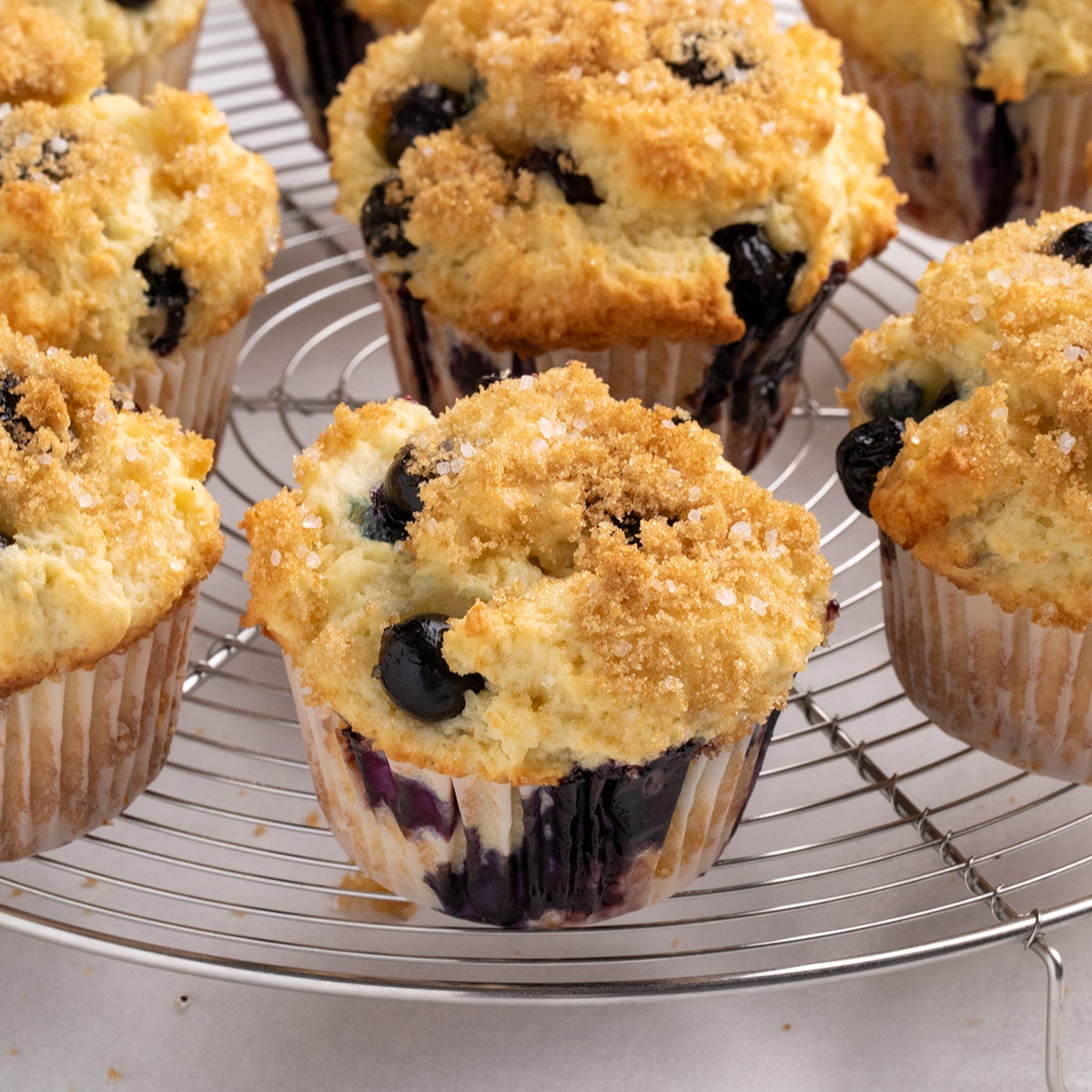
- The Final Touch: Fill the wells to the brim. A light brushing of melted butter and a sprinkle of coarse or brown sugar creates a crisp, professional-looking shell that adds a desirable textural contrast.
Supporting Data: Why Ingredients Matter
The success of this recipe hinges on the quality and ratios of the ingredients used. According to the data provided, the caloric density of a single muffin is approximately 309 kcal, with 48g of carbohydrates and 12g of fat.
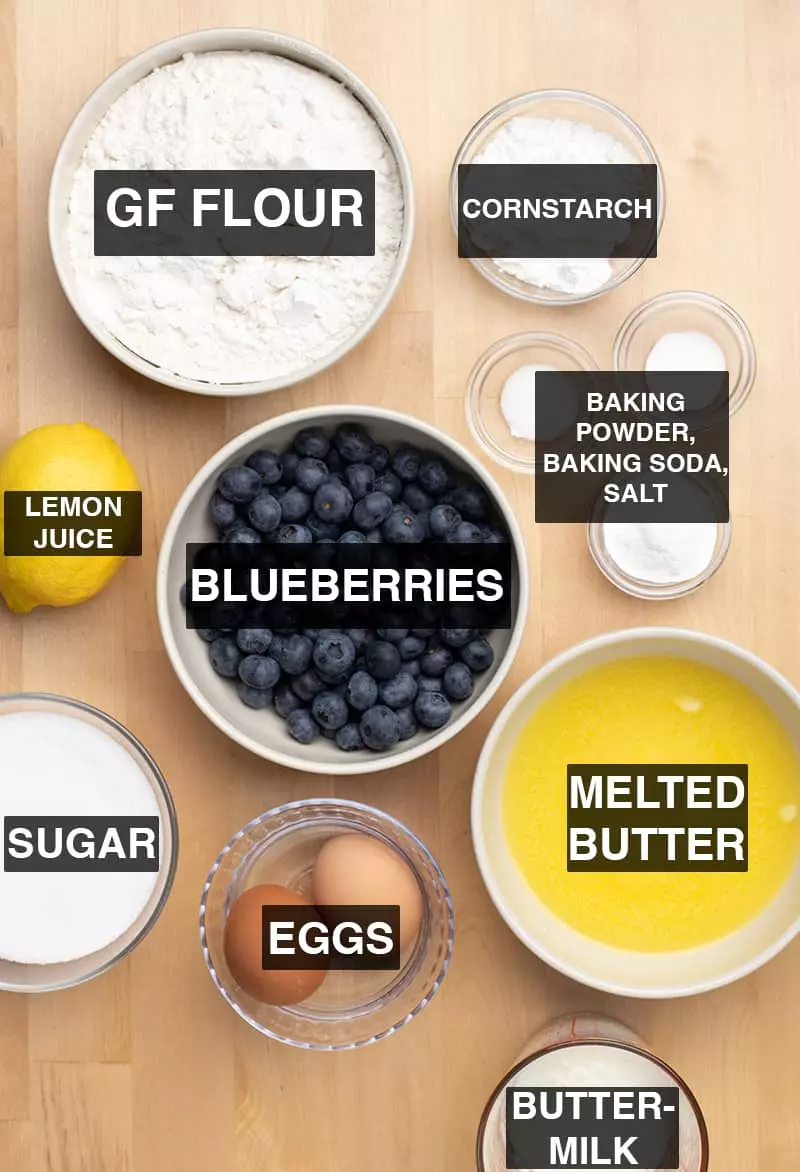
Crucially, the recipe relies on the interaction between buttermilk and the flour blend. Buttermilk provides necessary acidity and fat, but for those who require a dairy-free alternative, the data suggests a specific substitution: a blend of plain, unsweetened dairy-free yogurt and a carton-style plant milk. The use of block-style vegan butter (such as Miyoko’s or Melt) is strongly recommended over tub-style spreads, which contain high water content and oil, leading to a "spongy" rather than "bakery-style" texture.
Flour Blend Compatibility
Not all gluten-free flour blends are created equal. The recipe suggests using well-balanced, all-purpose blends. If a blend already contains some xanthan gum, the recipe still advises adding an additional 1/4 to 3/4 teaspoon of xanthan gum depending on the brand. This ensures the batter is thick enough to hold the fruit in suspension—a non-negotiable requirement for this specific recipe’s success.
Official Responses and Expert Recommendations
When asked about the most common mistakes bakers make, experts highlight the tendency to rush the cooling process.
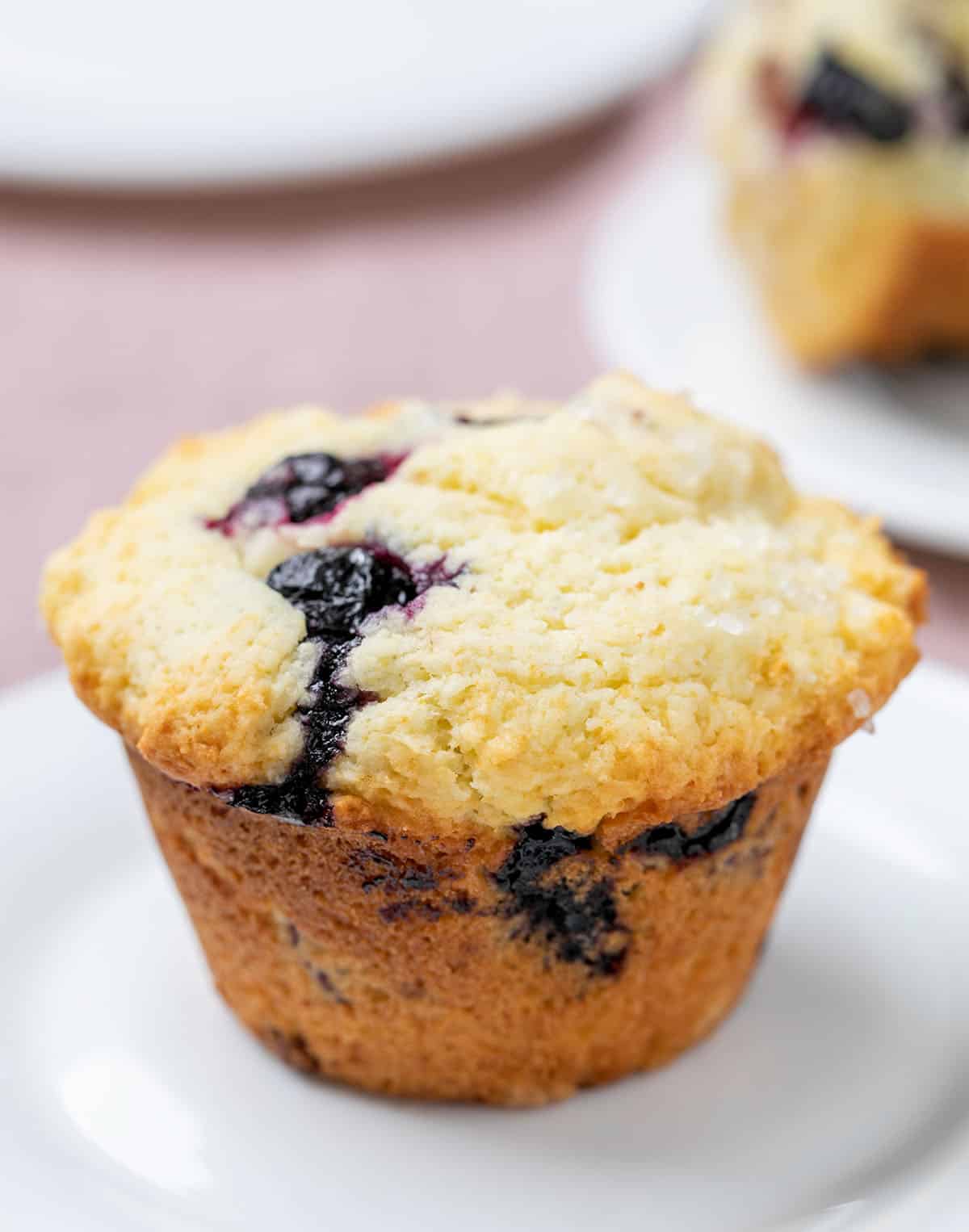
"Let the muffins cool in the tin for exactly 10 minutes," advises Hunn. "This is not just a suggestion; it is a chemical necessity." During this phase, the starches undergo a process called retrogradation. As the muffins cool, the starches reassemble into a stable, semi-crystalline structure. If removed from the tin too early, the muffin will likely fall apart. If left too long, they will trap steam, turning the crust soggy and the crumb unpleasantly chewy.

Furthermore, regarding the use of frozen blueberries, the official stance is clear: do not thaw. Thawing frozen berries causes them to release excess moisture, which will turn the batter purple and create a heavy, sodden center. By keeping them frozen until the moment they hit the batter, the integrity of the fruit remains intact during the initial high-heat bake.
Implications: The Future of Gluten-Free Pastry
The broader implication of this recipe is that gluten-free baking is moving away from "specialized" formulas that require exotic ingredients and toward standardized, repeatable techniques that rival traditional pastry work.

By understanding the "why" behind the ingredients—such as the role of cornstarch in providing a tender crumb or the necessity of acidic components to stimulate leavening—home bakers can apply these principles to other recipes. This "bakery-style" approach—prioritizing structure, high-heat initial baking, and precise cooling times—demonstrates that gluten-free consumers no longer need to settle for inferior products.
As the availability of high-quality, pre-mixed gluten-free flour blends continues to improve, the barrier to entry for high-quality home baking is lowering. This blueberry muffin recipe serves as a template for a new standard in home baking: one where the end product is indistinguishable from its gluten-containing counterparts, satisfying both the dietary needs and the culinary expectations of the modern consumer.
Quick Reference for Troubleshooting
- Sinkers: If your muffins collapse, check your baking powder expiration and ensure you haven’t over-mixed the batter.
- Gummy Crumb: Ensure you are using the correct amount of xanthan gum and allowing the cooling process to finish completely.
- Burst Berries: Ensure you are folding, not stirring, and that your berries were frozen when added.
By adhering to these rigorous standards, the home baker can transform a simple breakfast item into a culinary triumph, proving that "good for gluten-free" is a standard that has officially been surpassed.