The Ultimate Guide to Perfect Gluten-Free Breakfast Bars: A Masterclass in Texture and Taste
For those navigating the complexities of a gluten-free lifestyle, the search for a convenient, nutritious, and—most importantly—delicious breakfast bar often ends in disappointment. Too many store-bought options are either overly processed, crumbling into dust at the slightest touch, or excessively sweet, masquerading as health food while lacking true nutritional substance.
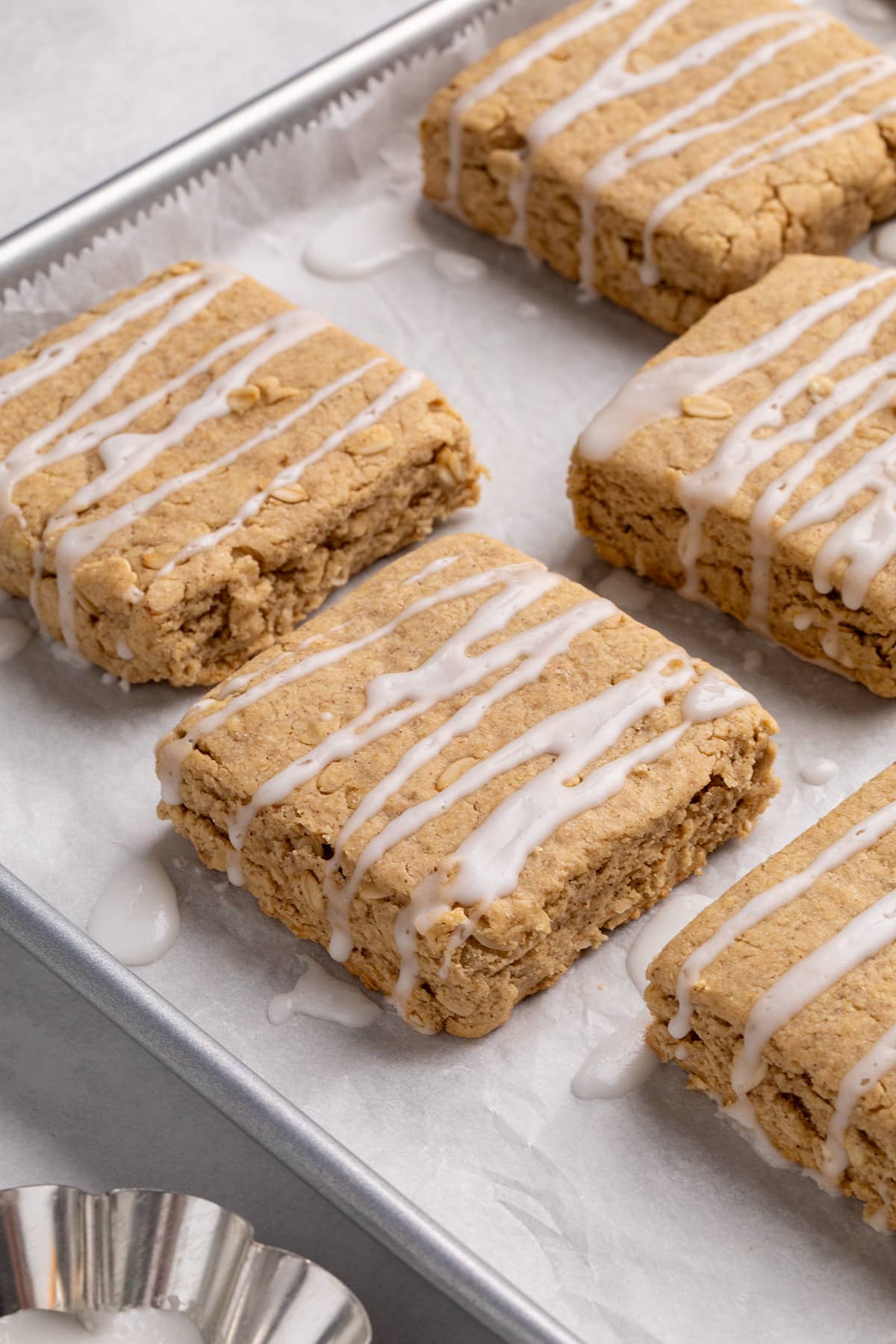
However, a new standard has emerged in the gluten-free culinary landscape. These thick, chewy, brown sugar and cinnamon-infused breakfast bars represent a breakthrough in home-baking science. By prioritizing the comforting, nostalgic flavor of traditional oatmeal while perfecting the structural integrity of the bar, these treats prove that "gluten-free" no longer necessitates a compromise on quality.

Main Facts: The Anatomy of a Better Bar
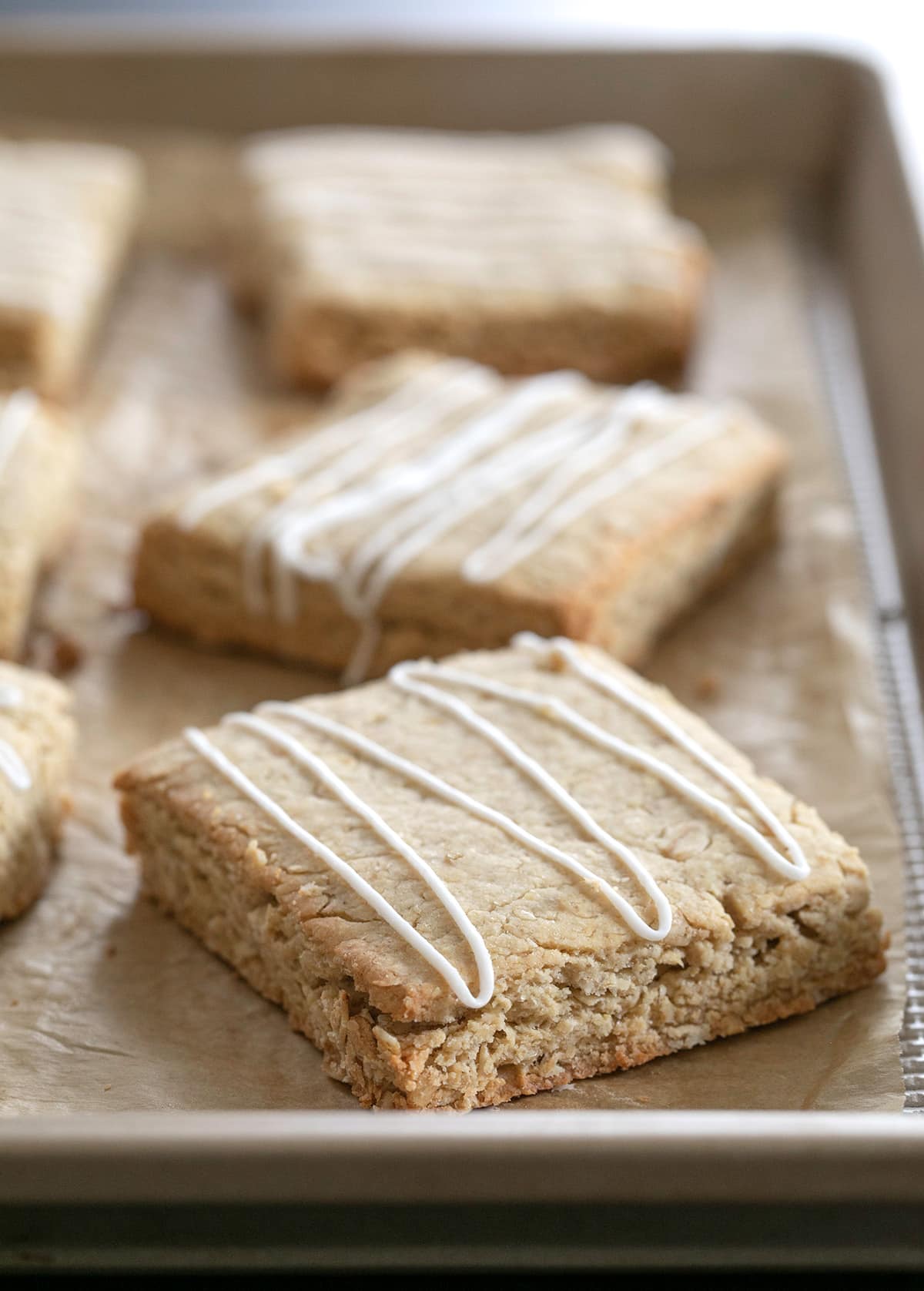
The hallmark of a superior breakfast bar is its texture. It must be sturdy enough to survive a commute in a backpack or a gym bag, yet soft enough to be genuinely enjoyable to eat. This recipe achieves that balance through a specific combination of oat flour and whole rolled oats.
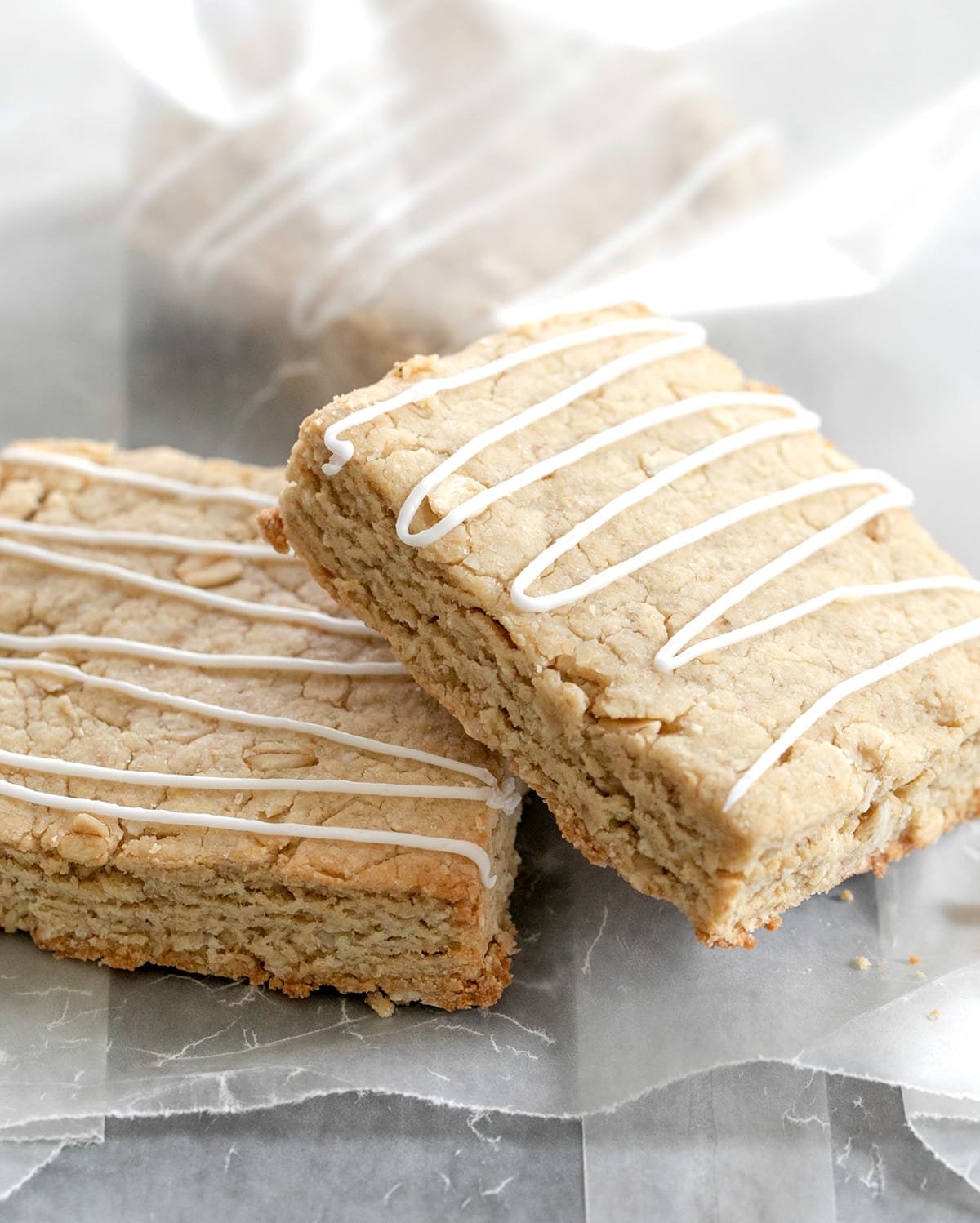
Unlike granola bars, which often rely on sticky binders and crunchy mix-ins, these bars offer a uniform, chewy crumb. The oat flour provides the foundation for a tender interior, while the whole rolled oats contribute the essential, rustic mouthfeel that characterizes a hearty oatmeal breakfast. Sweetened with brown sugar and warmed by a hint of cinnamon, the bars capture the essence of a cozy morning bowl of porridge, condensed into a portable, handheld square.
Chronology: The Development Process
The development of this recipe was a study in precision. Achieving the "perfect" gluten-free bar required a shift in traditional baking techniques:
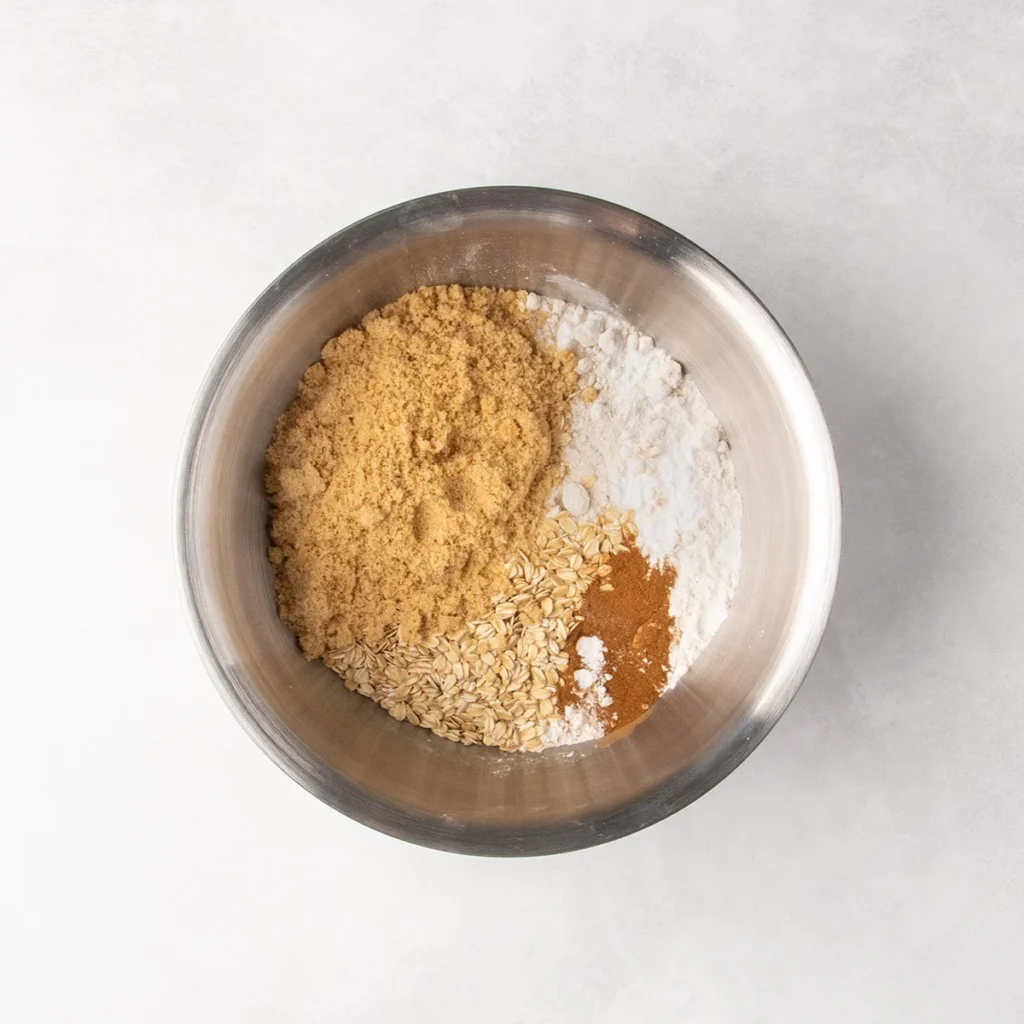
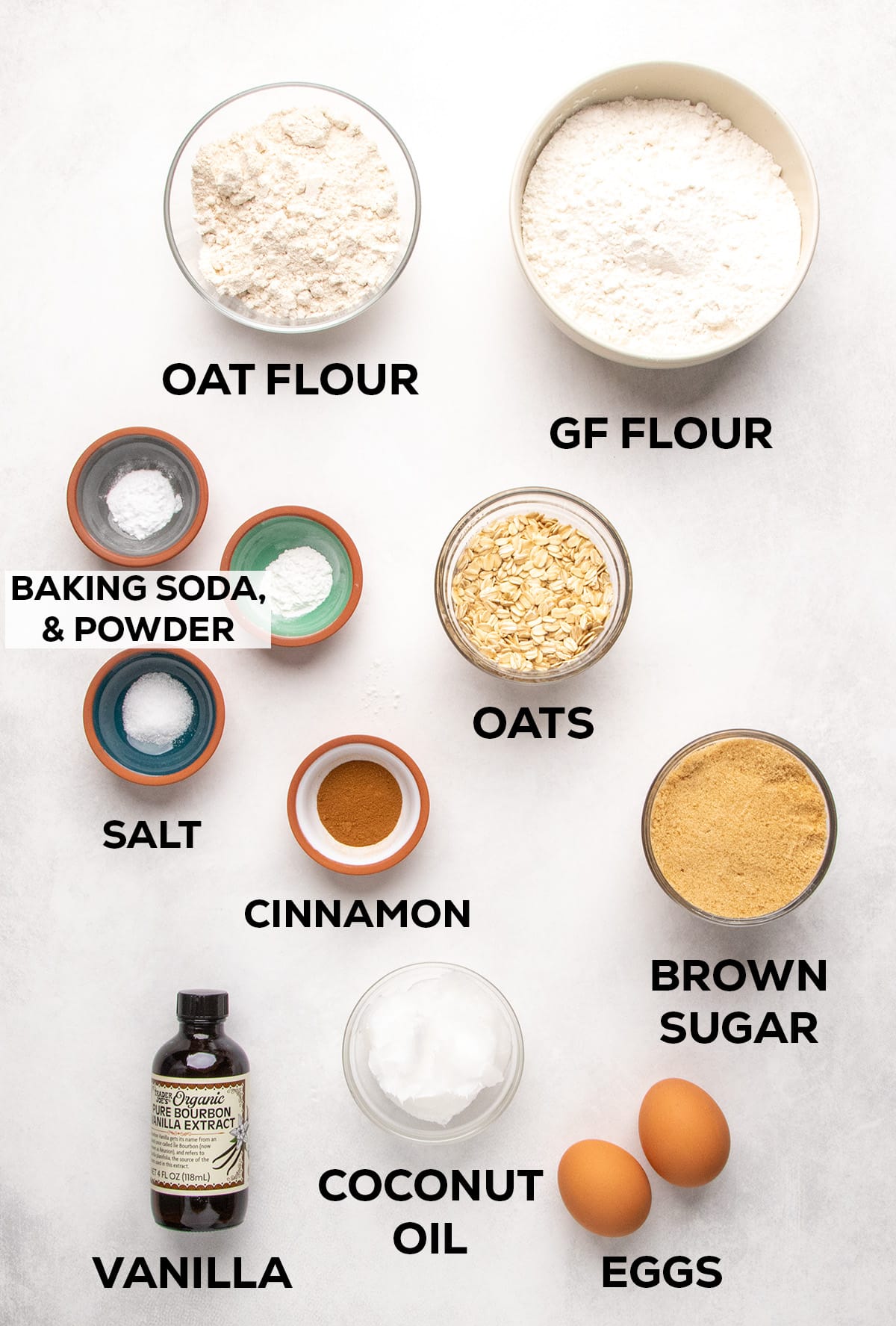
- The Foundation (Dry Phase): The process begins by whisking all dry ingredients—gluten-free flour, oat flour, baking powder, baking soda, salt, cinnamon, and brown sugar—in a large mixing bowl. This step is critical to ensure that leaveners are evenly distributed, preventing the bitter "baking soda pockets" that can ruin a batch.
- The Binding (Wet Phase): Once the dry components are unified, the wet ingredients (eggs, melted coconut oil, and vanilla) are incorporated. The resulting dough is deliberately thick. Unlike a cake batter, this dough requires physical manipulation to ensure the ingredients are fully hydrated without introducing excess moisture that would cause the bars to spread or lose their structural integrity.
- The Forming (Shaping): Perhaps the most distinctive phase is the shaping. Instead of pouring batter into a pan, the dough is turned out onto parchment paper and rolled to a consistent 3/4-inch thickness. A bench scraper is used to "sharpen" the edges of the square, creating straight, firm walls. This technique, borrowed from high-end pastry work, encourages the bars to rise vertically during the bake, ensuring a thick, satisfying bite.
- The Bake: The bars are baked at a modest 325°F. A lower temperature is essential here; it allows the bars to set and rise without browning excessively, maintaining the pale, soft, and chewy interior that defines the recipe’s success.
Supporting Data: Why the Science Holds Up
The success of these bars is rooted in a few fundamental principles of gluten-free baking.
- The Power of the Binder: Gluten-free flour lacks the elastic protein structure of wheat flour. By using a high-quality blend (such as Better Batter or a custom-blended mix with xanthan gum), the baker provides the necessary "glue" to keep the bars from crumbling.
- The Fat Choice: The recommendation to use refined, solid-at-room-temperature coconut oil is strategic. Unlike liquid oils, which can make baked goods greasy, solid fats hold their shape at room temperature, contributing to the "chew" rather than a crumbly texture.
- Moisture Management: The instruction to add water sparingly is a vital safeguard. In the absence of gluten, excess water acts as a destabilizer, turning a firm, chewy bar into a soft, formless mess. By keeping the hydration levels tightly controlled, the structural integrity of the final product is preserved.
Official Guidance: Expert Tips for Success
Even for experienced bakers, transitioning to gluten-free, oat-based recipes requires attention to detail. To ensure consistent results, consider the following expert recommendations:
- Respect the "Sharpened Edge": When rolling the dough, don’t neglect the edges. Using a straight-edged tool to square off the dough before baking is not merely an aesthetic choice; it is a structural necessity that prevents the bars from flattening out in the oven.
- Temperature Control: If you find the dough is becoming too soft to handle or cut cleanly, a brief stint in the refrigerator—just 5 to 10 minutes—will firm up the fats and make the shaping process significantly easier.
- The Glaze Variable: While the optional confectioners’ sugar glaze adds a sophisticated finish, it is purely decorative. If you are packing these for lunchboxes, you may choose to skip the glaze to avoid any tackiness or mess during transit.
Implications: The Future of Convenient, Allergy-Friendly Breakfasts
The popularity of this recipe has significant implications for the wider gluten-free community. It shifts the narrative from "finding a substitute" to "creating an improvement." By demonstrating that home-baked goods can outperform store-bought alternatives in both nutritional profile and taste, this recipe empowers families to take control of their breakfast routine.
Furthermore, the versatility of the recipe is noteworthy. Because the base is inherently dairy-free and can easily be made egg-free using flax or chia substitutes, it is accessible to a wide range of individuals with varying dietary restrictions. The ability to freeze these bars for up to three months makes them an ideal solution for the "breakfast rush"—a common pain point for busy households.
Nutritional Considerations
From a nutritional standpoint, these bars offer a balanced start to the day. With approximately 369 kcal per serving, they provide a substantial energy source. The fiber content (3g per bar) helps maintain steady blood sugar levels, while the protein (5g) provides a satiety boost often missing from quick breakfast items. While the sugar content is 18g, it is a controlled addition, avoiding the high-fructose corn syrup loads often found in mass-produced energy bars.
Closing Thoughts on Sustainability and Home Baking
In an era where convenience often comes at the cost of health and budget, mastering a reliable, homemade breakfast bar is an act of both self-care and economic prudence. By utilizing accessible ingredients like oat flour and coconut oil, home bakers can produce high-quality, professional-grade results that satisfy even the most discerning, gluten-loving critics.
As the demand for transparent, wholesome food continues to grow, recipes like this serve as a roadmap for the future of the gluten-free movement—one where flavor, texture, and convenience finally exist in perfect, harmonious balance. Whether you are a parent looking for school-safe snacks or an adult seeking a quick, reliable breakfast to start your workday, these bars provide the answer, one chewy, cinnamon-dusted square at a time.