Nostalgia on a Budget: How Culinary Experts Are Reimagining Retro School Cafeteria Staples to Combat Food Inflation
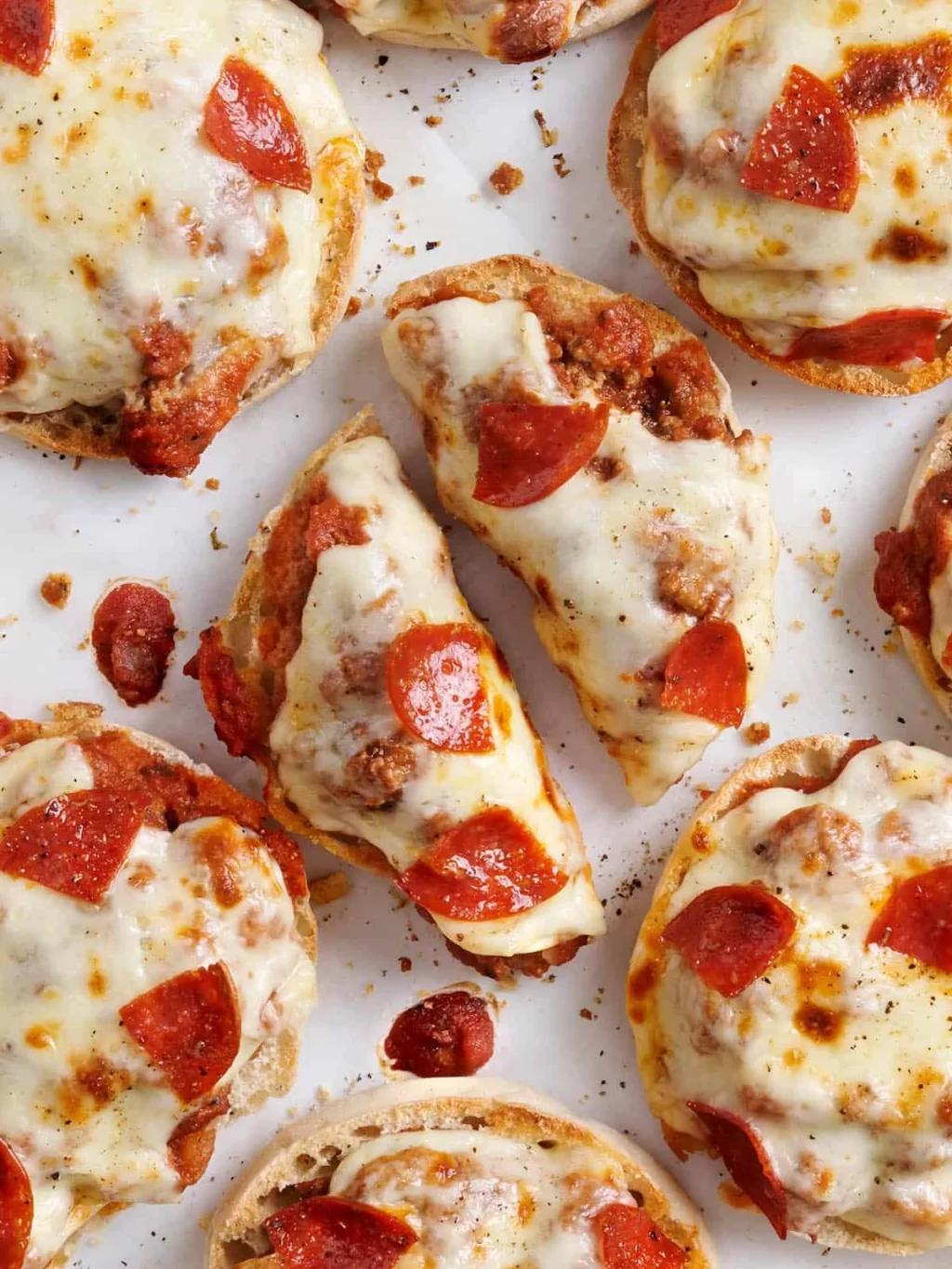
NASHVILLE, TN — As household grocery budgets remain under pressure from persistent inflation, culinary developers and home economists are increasingly looking to the past for solutions. In a notable convergence of nostalgia marketing and cost-conscious meal planning, culinary experts have revived a classic mid-century school cafeteria staple: the open-faced "Pizza Burger."
Developed and rigorously evaluated within the Nashville Test Kitchen of the popular culinary platform Budget Bytes, this modern iteration of the pizza burger represents a growing trend of "retro-efficiency" in home cooking. By utilizing strategic grocery shortcuts, such as pre-chopped frozen vegetables and blended ground meats, developers have engineered a meal that costs approximately $1.71 per serving, takes only 30 minutes to prepare, and directly appeals to families seeking both financial relief and comforting, nostalgic flavors.
Main Facts: The Anatomy of the Modern Pizza Burger
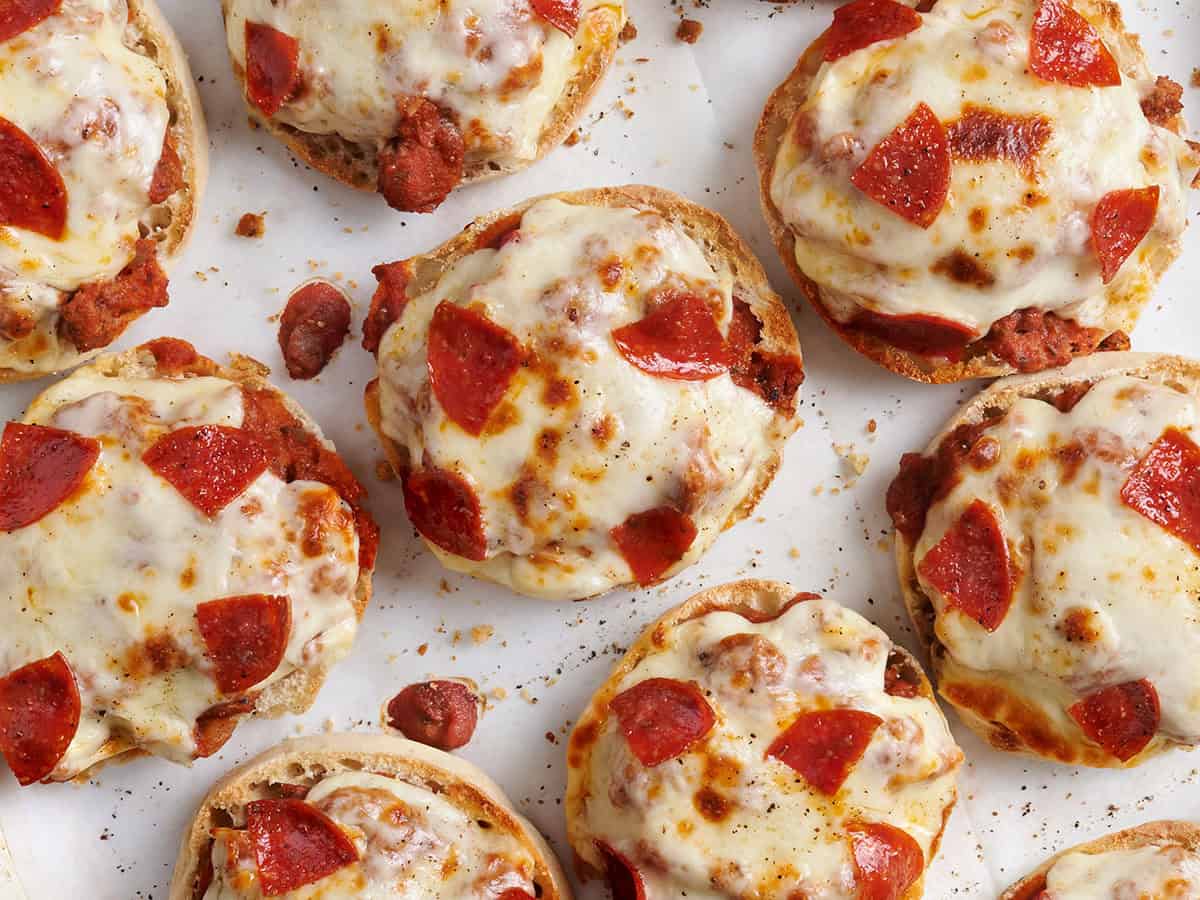
The pizza burger is a culinary hybrid that gained widespread popularity in United States public school cafeterias during the latter half of the 20th century. Traditionally served open-faced to meet institutional batch-cooking demands, the dish combines the savory, meat-heavy profile of a burger with the seasoned tomato sauce and melted cheese of a pizza.
+-------------------------------------------------------------------+
|                     THE MODERN PIZZA BURGER                       |
+-------------------------------------------------------------------+
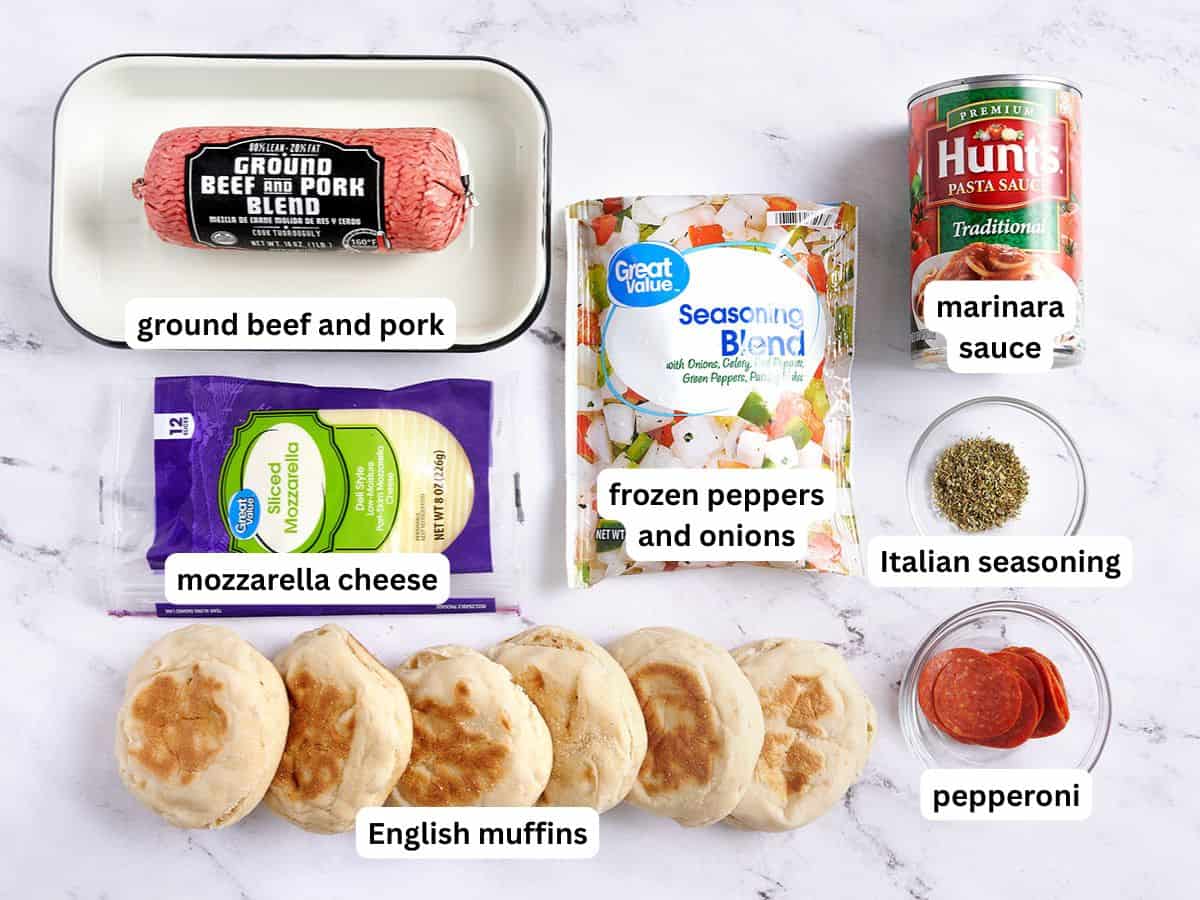
|  Base:            Split, pre-toasted English Muffins              |
|  Protein/Sauce:   Beef-and-pork blend simmered with marinara      |
|  Aromatics:       Flash-frozen pepper and onion seasoning blend   |
|  Toppings:        Melted mozzarella cheese and sliced pepperoni   |
+-------------------------------------------------------------------+
The updated recipe, designed by professional chef and culinary educator Jess Rice, optimizes this classic concept for the modern home kitchen. The baseline recipe yields six generous servings (defined as two open-faced halves per serving) at a total cost of $10.27.
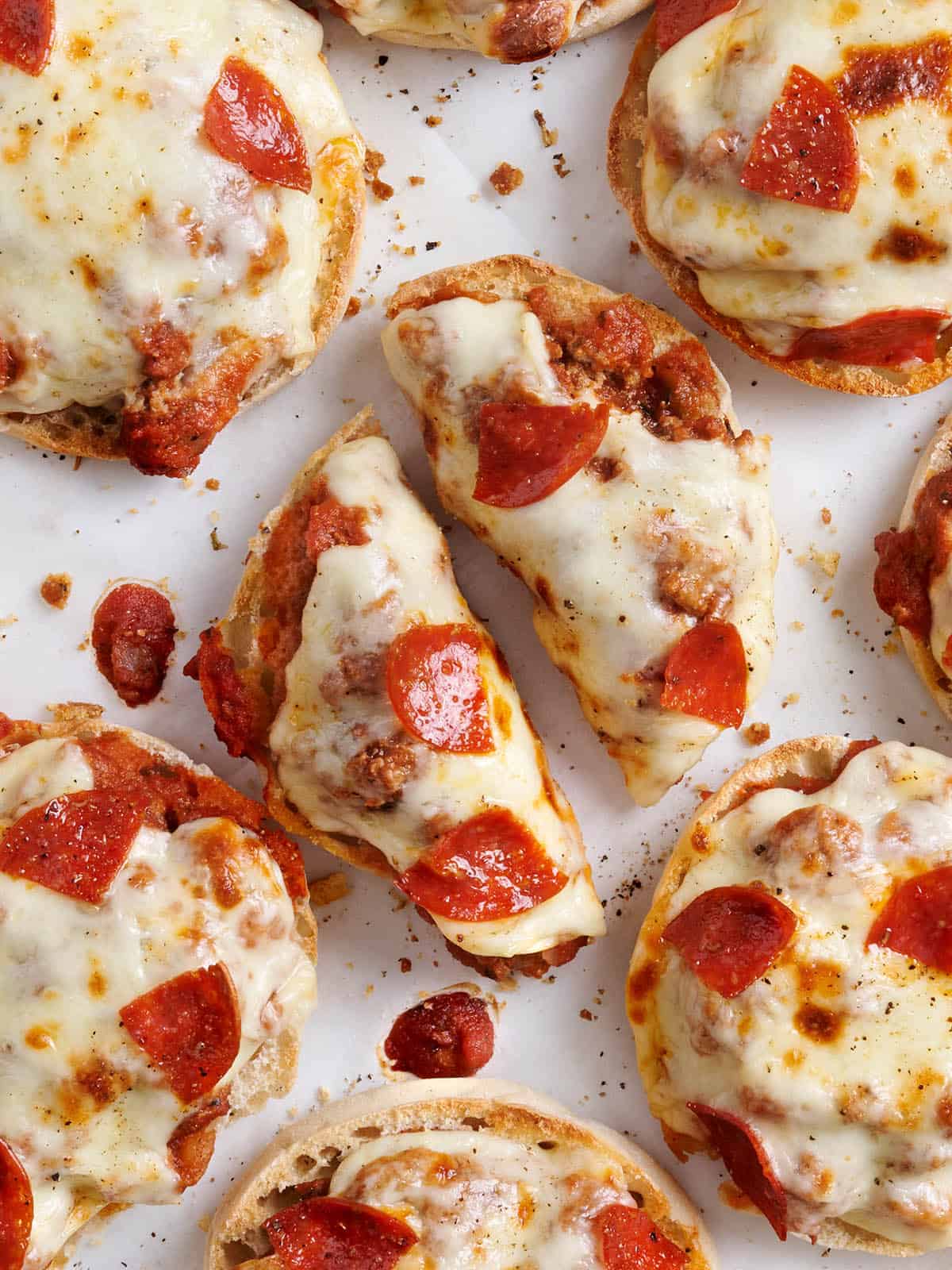
Key attributes of the modernized recipe include:
- Zero-Knife Prep: By substituting fresh aromatics with frozen pre-diced peppers and onions, the recipe eliminates chopping, thereby reducing preparation time, kitchen waste, and the need for specialized culinary skills.
- Strategic Meat Blending: To bypass high retail prices for pure ground beef, the recipe utilizes a commercial tube blend of ground beef and ground pork, which is significantly more economical.
- Dual-Texture Engineering: A two-step cooking process prevents the structural failure (sogginess) common in retro school-lunch recipes, ensuring a crisp exterior crust with a rich, savory topping.
Chronology: From Mid-Century Institutional Lunchrooms to the Modern Kitchen
Understanding the trajectory of the pizza burger requires examining both its historical origins and the precise chronological steps required to execute the dish today.
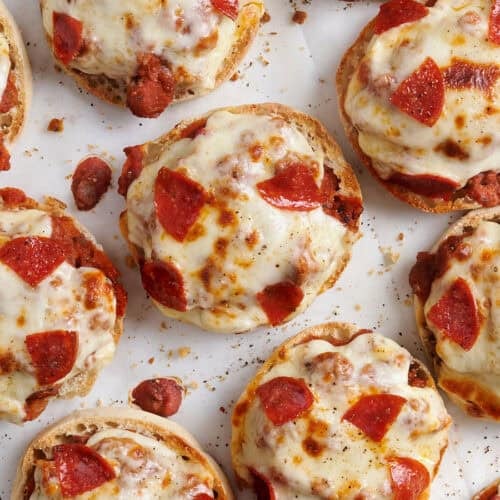
The Historical Evolution
- 1946: President Harry S. Truman signs the National School Lunch Act, establishing federally assisted school lunch programs. Institutional cooks are tasked with creating high-calorie, low-cost meals using surplus commodity foods, including ground meats, canned tomato paste, and cheese.
- 1960s–1980s: The "Pizza Burger" becomes a staple of school cafeteria menus across North America. Its open-faced format on hamburger buns or English muffins allows school cooks to prepare hundreds of servings rapidly on sheet pans.
- 2000s–2010s: Nutritional guidelines in schools shift toward whole grains and lower sodium, causing the traditional, highly processed pizza burger to largely disappear from public school menus, transitioning it into a nostalgic memory for Gen X and Millennial parents.
- Present Day: Inflationary pressures drive home cooks back to retro comfort foods. Culinary developers systematically deconstruct and improve these nostalgic recipes to align with modern convenience and budget constraints.
[1946: National School Lunch Act] ---> [1970s: Cafeteria Popularity Peak] ---> [2010s: Shift to Healthier Menus] ---> [Present: Retro-Efficiency Revival]The Culinary Chronology (30-Minute Preparation Timeline)
To achieve the optimal balance of texture and flavor, the modern preparation of the pizza burger follows a strict chronological sequence:
Phase 1: Thermal Prep and Foundation (Minutes 1–5)
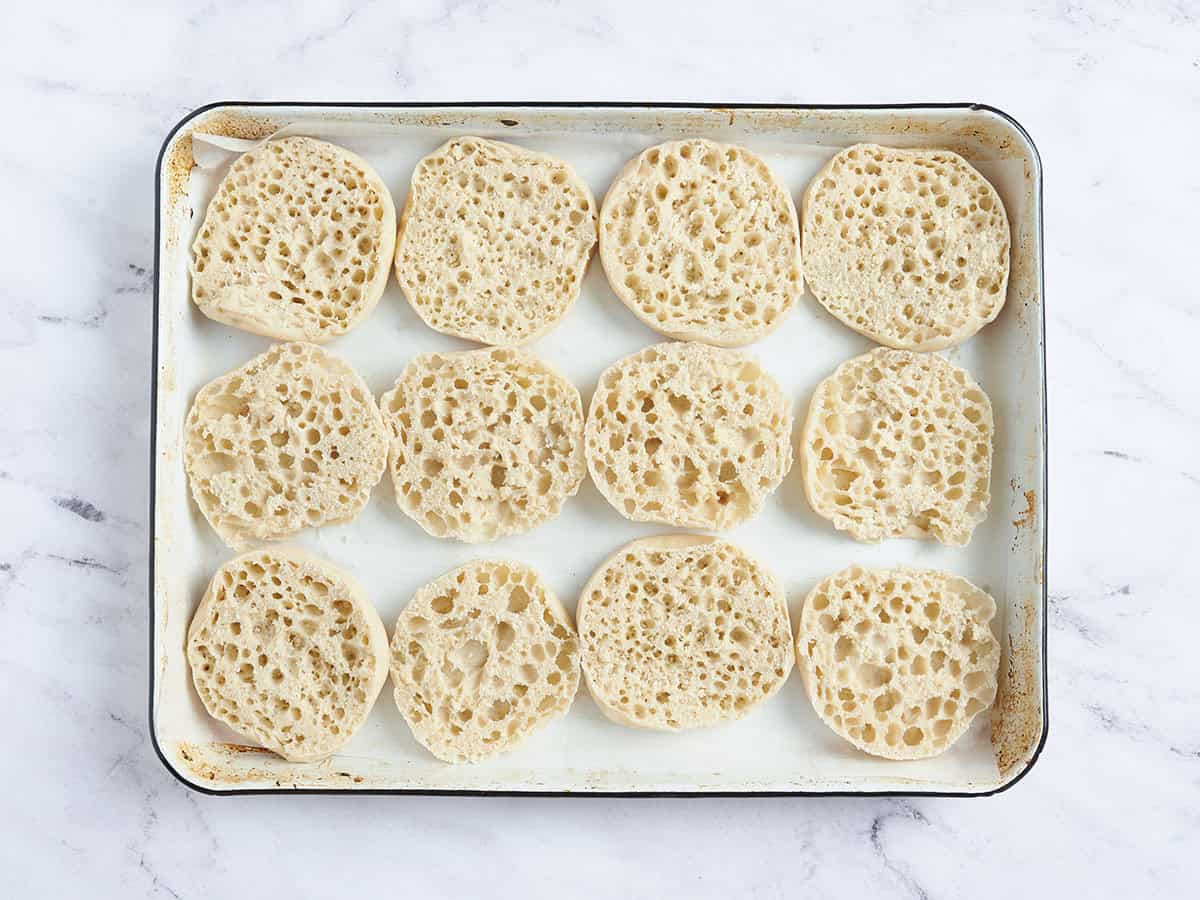
The oven is preheated to 350°F (177°C). Six English muffins are split in half, yielding 12 open-faced bases. These are arranged cut-side up on a large baking sheet and toasted for approximately five minutes. This step is critical; pre-toasting dehydrates the surface of the muffin, creating a moisture barrier that prevents the sauce from making the bread soggy.
Phase 2: Aromatic and Protein Development (Minutes 5–15)
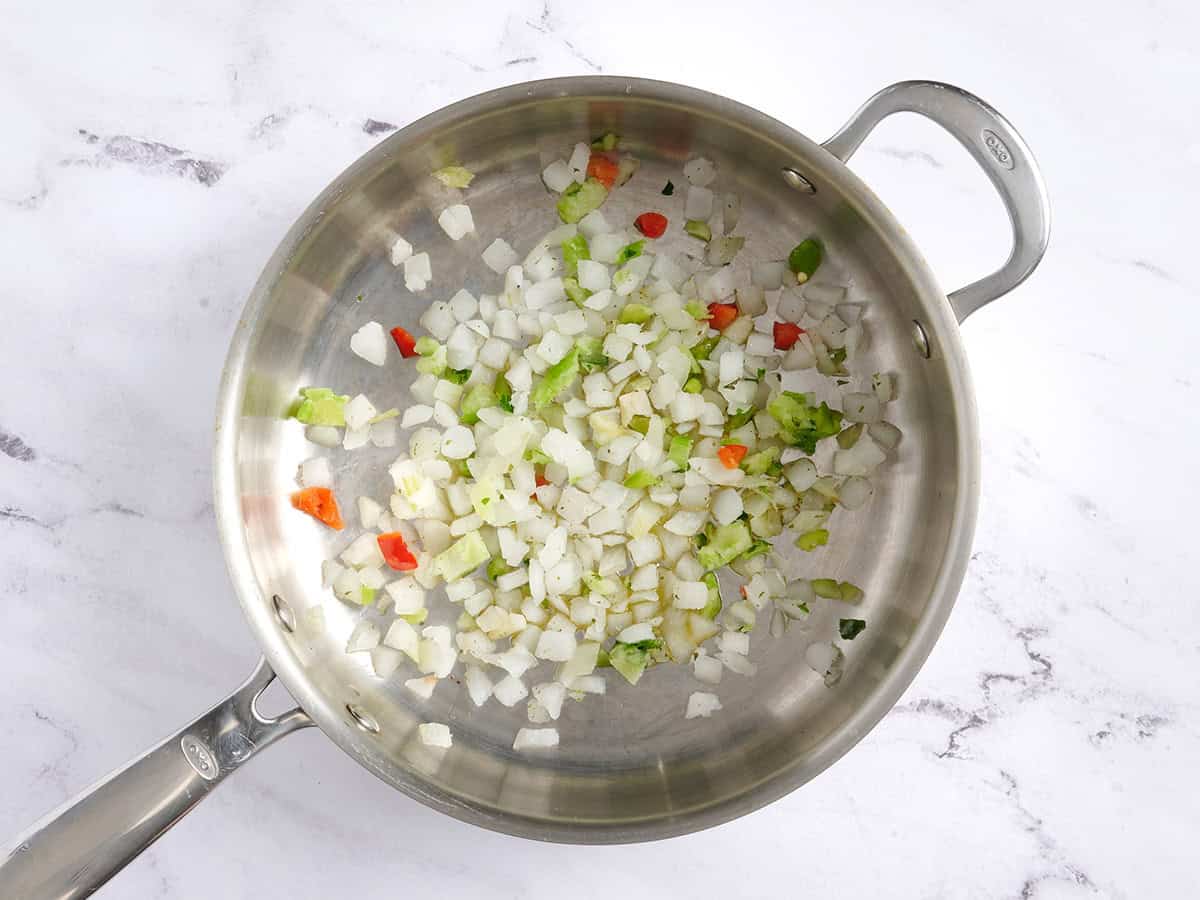
Simultaneously, one teaspoon of olive oil is heated in a large sauté pan over medium heat. Five ounces of frozen diced peppers and onions (approximately 3/4 cup) are added. The vegetables are sautéed for 3 to 4 minutes until softened and, crucially, until any moisture released by the freezing process has completely evaporated.
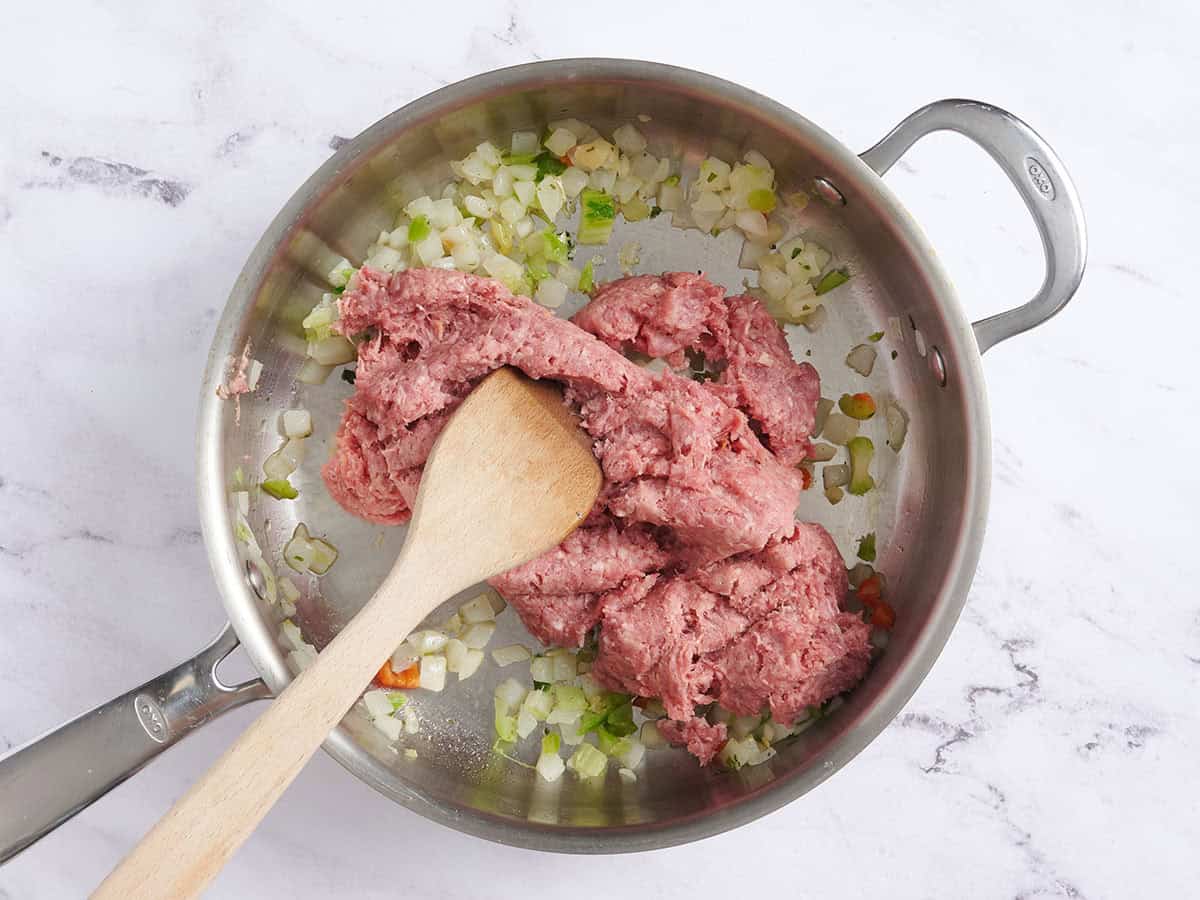
Once the pan is dry, one pound of a ground beef and pork blend is added. The meat is broken into fine crumbles using a spatula and cooked for 5 to 10 minutes until completely browned and a minimum internal temperature of 160°F (71°C) is reached.
Phase 3: Lipid Reduction and Sauce Simmering (Minutes 15–20)
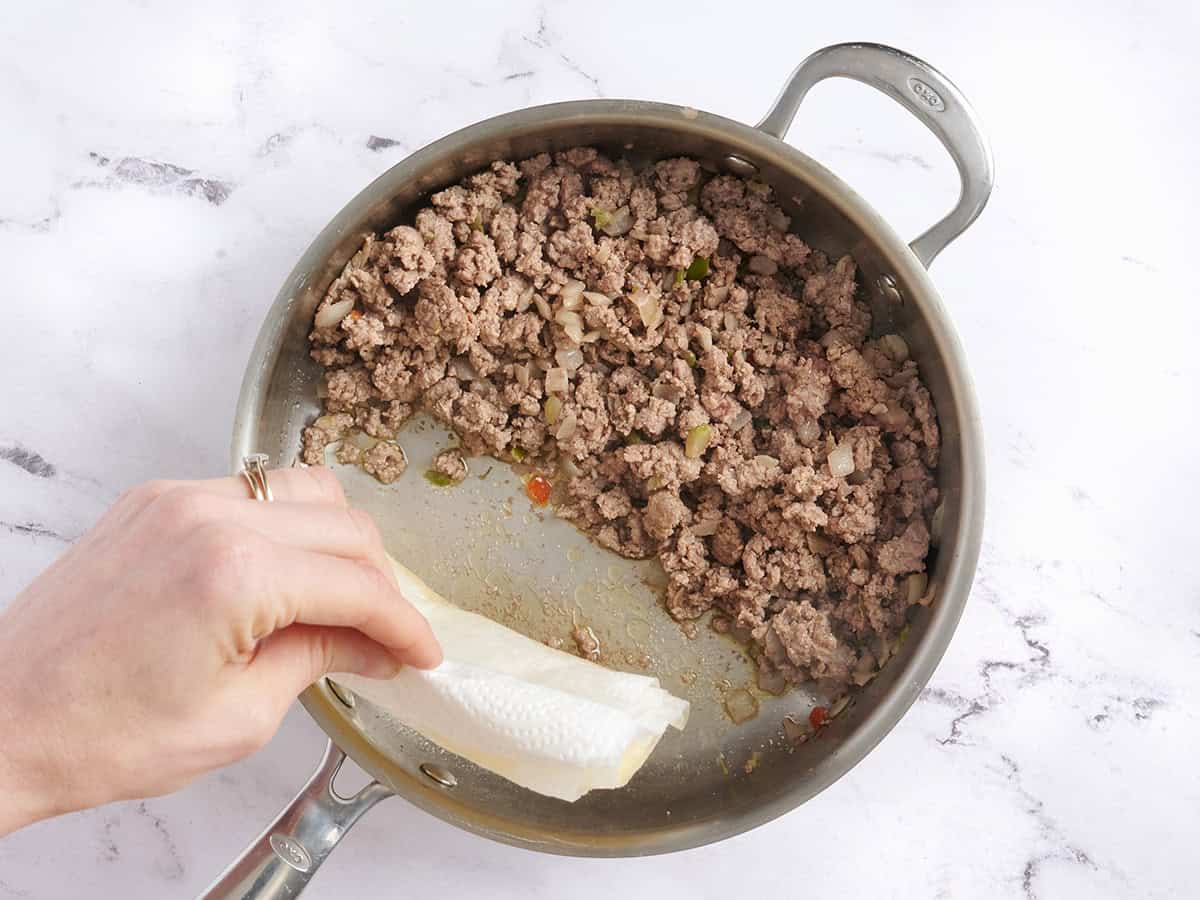
The pan is removed from the heat source. The accumulated grease is carefully drained or blotted using folded paper towels to ensure the final product is not excessively oily.
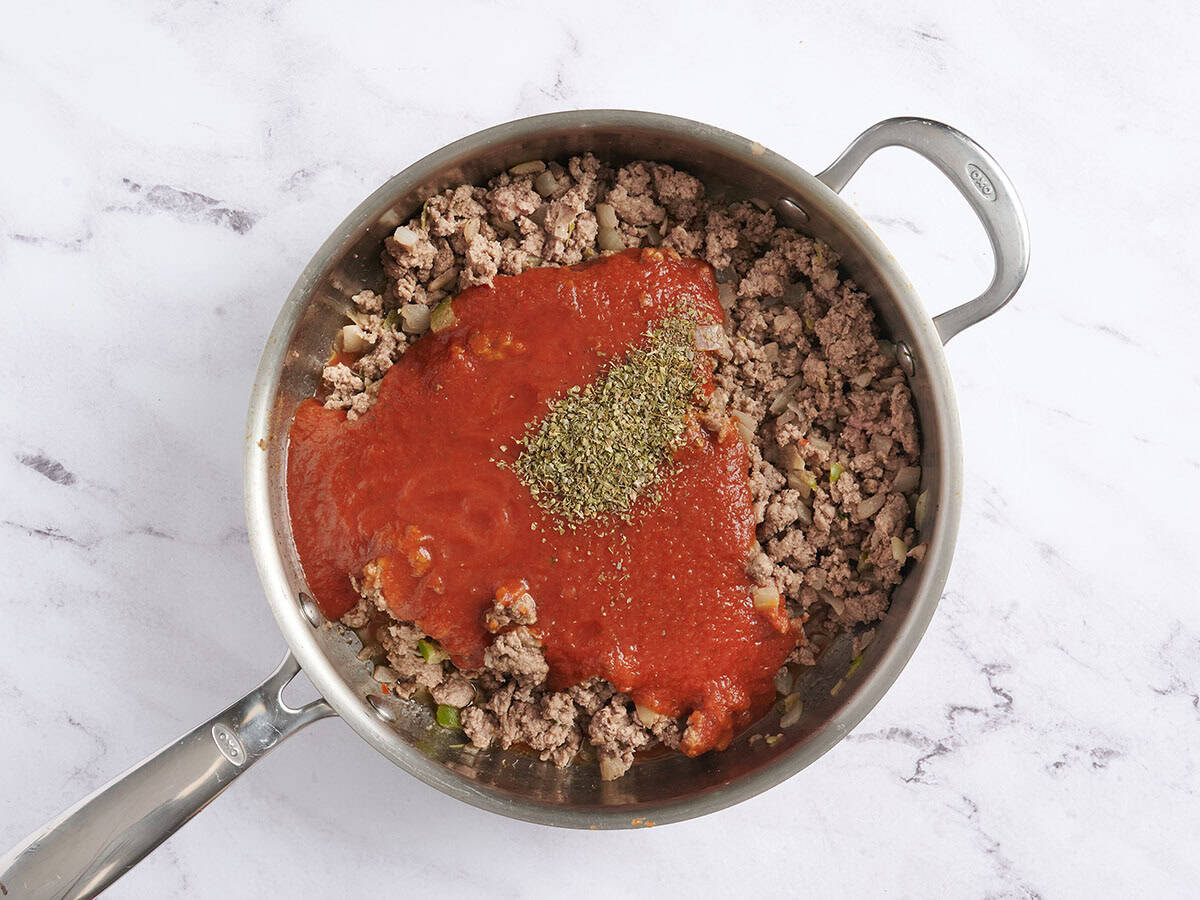
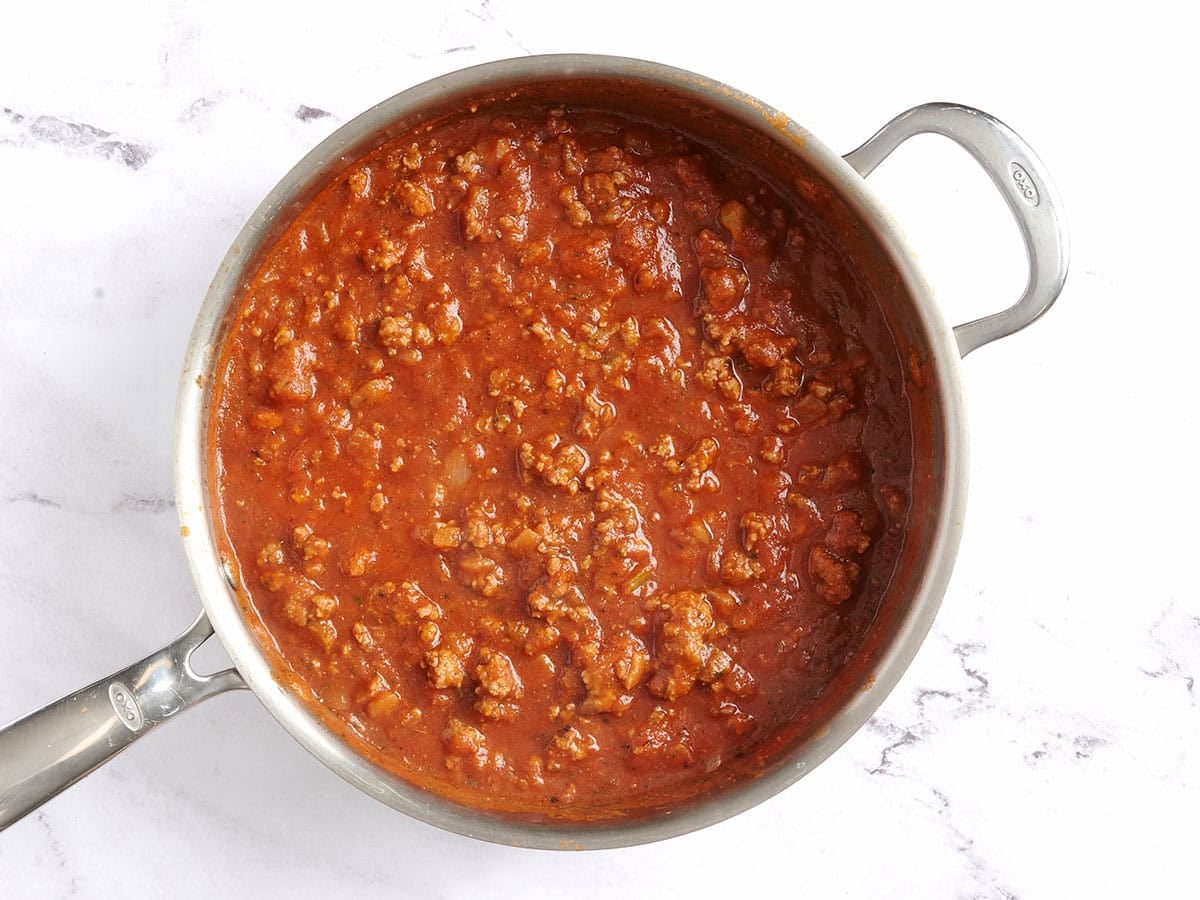
The pan is returned to medium-low heat, and a 24-ounce jar of marinara sauce is introduced alongside half a tablespoon of dried Italian seasoning. The mixture is simmered uncovered for approximately six minutes. This allows the sauce to reduce slightly, ensuring a thick consistency that can be mounded onto the muffin bases without spilling.
+--------------------------------------------------------------------------+
|                       THE SAUCE SIMMERING PROCESS                        |
|                                                                          |
|  [Loose Marinara Sauce] + [Browned Meat] + [Italian Seasoning]           |
|                           |                                              |
|                           v                                              |
|                  (Simmer Uncovered 6 Mins)                               |
|                           |                                              |
|                           v                                              |
|  [Thick, Moundable Topping (Prevents Soggy English Muffins)]             |
+--------------------------------------------------------------------------+
Phase 4: Assembly, Baking, and Service (Minutes 20–30)
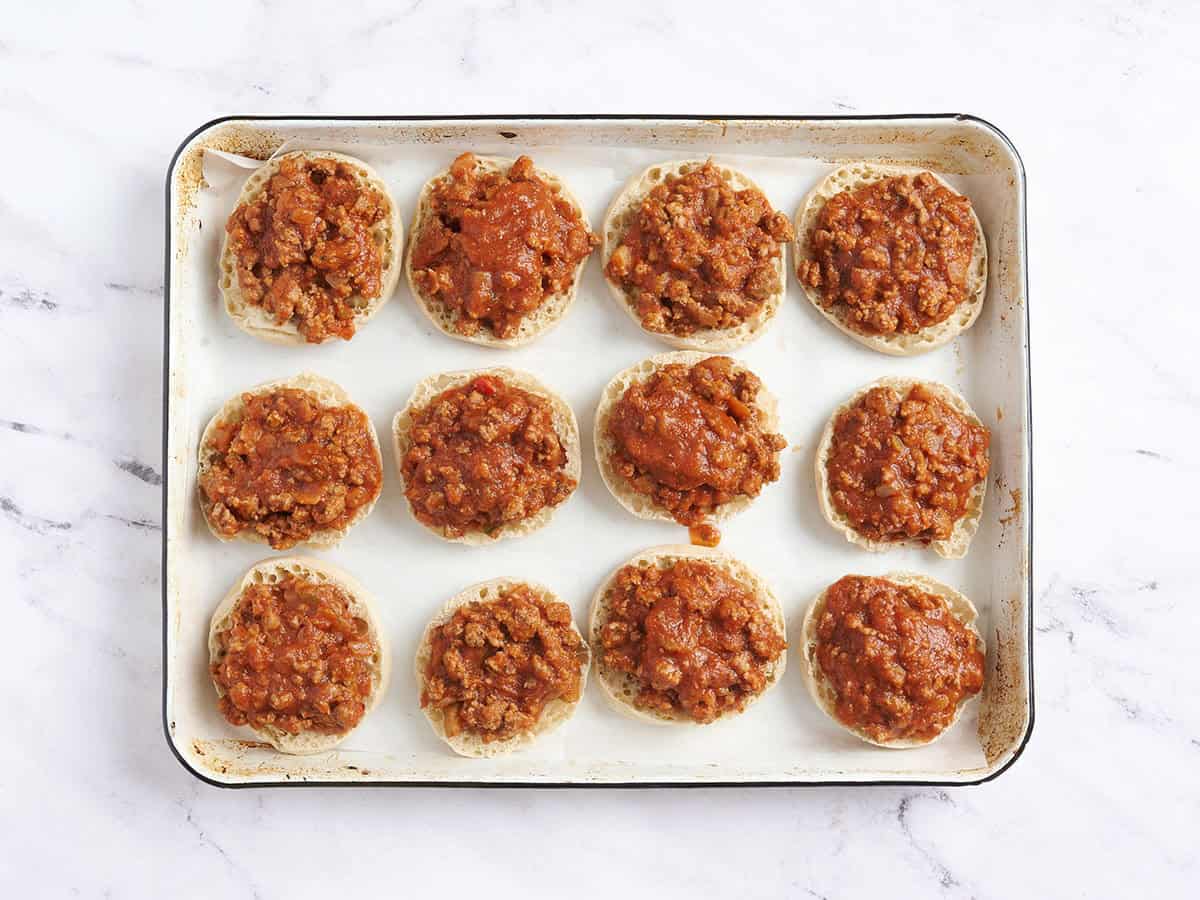
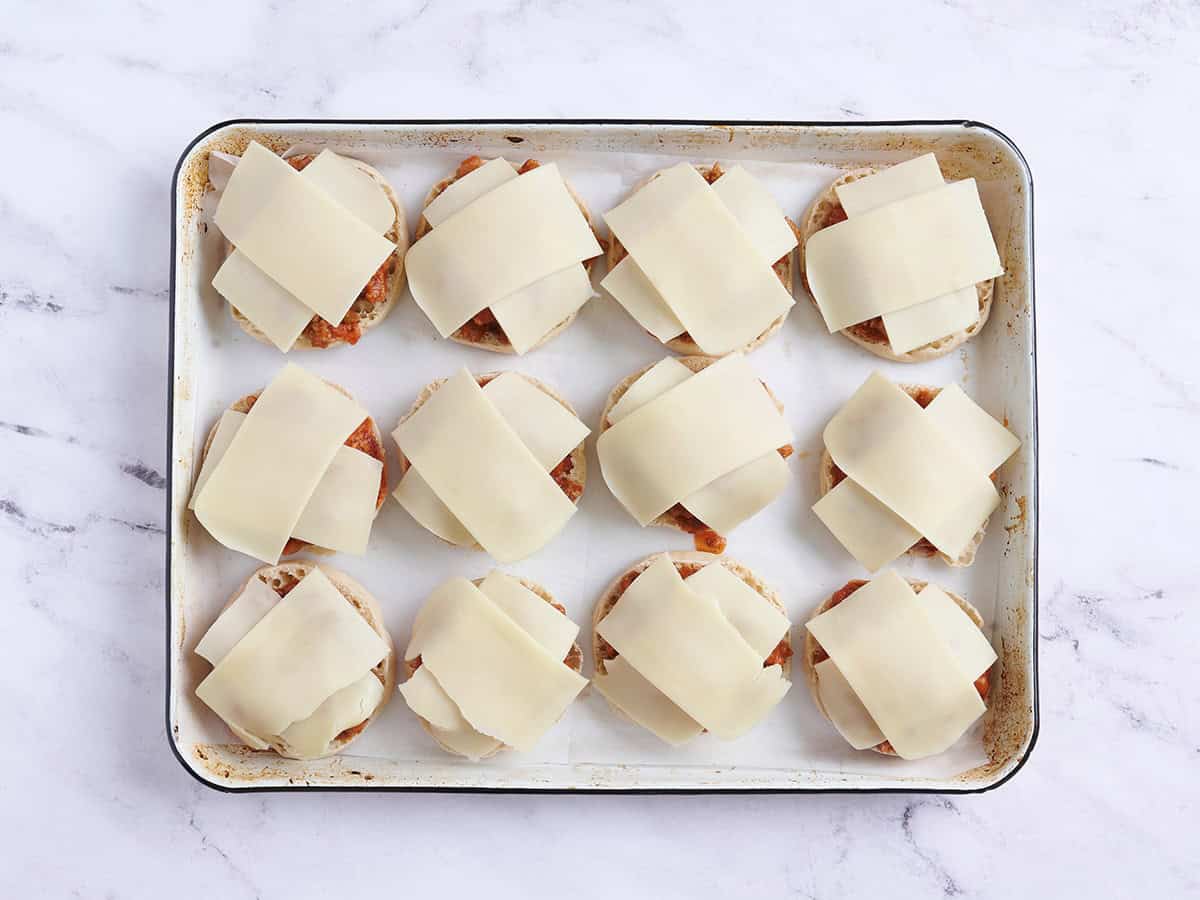
The thickened meat sauce is divided evenly among the 12 toasted English muffin halves. Each half is topped with one slice of mozzarella cheese (cut in half and crossed over the round muffin for optimal coverage) and optionally garnished with quartered pepperoni slices.
The sheet pan is placed in the preheated oven and baked at 350°F for 8 to 10 minutes, until the cheese is fully melted, bubbly, and slightly browned at the edges.
Supporting Data: Financial Efficiency and Nutritional Metrics
To validate the claims of budget-friendliness and family utility, the Nashville Test Kitchen compiled detailed economic and nutritional data for the recipe.
Cost Breakdown Analysis
The total cost of the recipe is $10.27, translating to $1.71 per serving (with a serving size consisting of two fully assembled pizza burger halves). This pricing model is calculated using retail averages from major national grocers, specifically utilizing house-brand items.
| Ingredient | Quantity | Estimated Cost | Cost-Saving Strategy |
|---|---|---|---|
| English Muffins | 1 package (6 count) | $1.48 | Store-brand purchasing |
| Ground Beef & Pork Blend | 1 lb. (tube/chub) | $3.49 | Blended meat is cheaper than pure beef |
| Frozen Peppers & Onions | 5 oz. (Seasoning Blend) | $0.42 | Prevents waste of leftover fresh produce |
| Marinara Sauce | 24 oz. (1 jar) | $1.48 | Canned/jarred pantry staple |
| Mozzarella Cheese Slices | 12 slices (approx. 8 oz) | $2.50 | Pre-sliced bulk packaging |
| Pepperoni (Optional) | 12 slices | $0.75 | Deli-counter or small-package purchase |
| Pantry Staples (Oil/Spices) | Minimal | $0.15 | Bulk seasoning utilization |
| TOTAL RECIPE COST | 6 Servings | $10.27 | $1.71 Per Serving |
Nutritional Profile
The automated nutritional analysis for one serving (two pizza burgers) reveals a hearty, protein-dense profile suitable for a primary dinner dish:
  NUTRITIONAL PROFILE (Per 1 Serving / 2 Pizza Burgers)
  ====================================================
  Calories:       569 kcal      (28% DV)
  Carbohydrates:  38 g          (13% DV)
  Protein:        33 g          (66% DV)
  Fat:            32 g          (49% DV)
  Sodium:         1285 mg       (56% DV)
  Fiber:          5 g           (21% DV)
  ====================================================
  Percentages are based on a standard 2,000 calorie daily diet.
Note: The elevated sodium content (1285 mg) is typical of comfort foods utilizing preserved meats and cheeses. Home cooks managing sodium intake can substantially reduce this metric by selecting low-sodium marinara sauces and reducing or omitting the pepperoni garnish.
Official Responses: Culinary Insights from the Test Kitchen
The development of this recipe was overseen by Jess Rice, a veteran chef, restaurateur, and former Chef Professor of culinary theory at Niagara College in Canadian wine country. Having worked across the culinary spectrum—from high-end raw vegan dining to traveling internationally as a private chef for celebrities—Rice brings a highly technical perspective to budget-friendly home cooking.
+--------------------------------------------------------------------------+
| "Our goal in the Nashville Test Kitchen is to strip away the             |
| intimidation factor of home cooking while keeping costs strictly         |
| managed. By applying classical culinary principles to everyday,          |
| budget-friendly ingredients, we prove that affordable food does not      |
| have to compromise on texture, flavor, or satisfaction."                 |
|                                                                          |
|                               — Chef Jess Rice, Budget Bytes Developer   |
+--------------------------------------------------------------------------+
Technical Guidance on Ingredient Substitutions
To ensure the recipe remains accessible regardless of local supply chain variations, Rice and the test kitchen staff issued official guidance on ingredient adaptability:
- Protein Adaptability: If the commercial ground beef and pork blend is unavailable, cooks can substitute pure ground pork (noted as highly economical at roughly $2.67/lb at the time of writing), ground turkey, or ground chicken. Ground Italian sausage can also be utilized, though developers advise omitting the additional half-tablespoon of Italian seasoning in the sauce to prevent over-seasoning.
- Vegetarian Modification: For meatless households, the meat blend can be seamlessly replaced with commercial soy-based or pea-protein vegetarian meat crumbles without altering the cooking timeline.
- Sauce Management: If using a lower-priced marinara sauce that has a high water content, Rice advises extending the uncovered simmer time in Phase 3. "If your sauce is quite loose, let the topping simmer a little longer to reduce and thicken," Rice explained. "This is the single most important step in preventing the English muffins from becoming soggy during the final bake."
Implications: Economic Adaptation and the Appeal of Nostalgia
The revival of recipes like the pizza burger highlights several broader socio-economic trends currently shaping consumer behavior in the food and beverage sector.
1. The Economics of Home Cooking vs. Fast Food
As the cost of fast-food "value meals" has escalated, with average combo meals at major chains now exceeding $10 to $12 per person, home-cooked alternatives that cost under $2.00 per serving have transitioned from a lifestyle choice to an economic necessity for many families. The pizza burger provides a comparable sensory experience to fast-food cheeseburgers or quick-service pizzas at a fraction of the cost, making it an attractive option for budget-conscious households.
Cost Comparison: Fast Food Combo vs. Homemade Pizza Burger
==========================================================
Fast Food Combo Meal:  |||||||||||||||||||||||||||||| $11.00 (Average)
Homemade Pizza Burger:  |||| $1.71 (Per Serving)
==========================================================
2. Nostalgia Marketing and Comfort Food Psychology
During periods of economic or social stress, consumer preferences historically shift toward "nostalgia foods"—dishes associated with the perceived safety and simplicity of childhood. The school cafeteria aesthetic tapped by the pizza burger triggers positive emotional associations for parents, while simultaneously offering an approachable, highly appealing flavor profile for their children.
3. Food Waste Mitigation Through Smart Sourcing
A significant driver of grocery inflation is food waste—specifically, buying fresh herbs and vegetables of which only a fraction is used before spoiling. By utilizing frozen "Seasoning Blends" (which typically retail for under $1.50 per bag and can be kept frozen for months), home cooks can access fresh pepper and onion flavors without paying the premium for whole fresh produce or risking spoilage.
4. Freezer-Meal Optimization for Busy Households
Modern working schedules demand high-convenience meal solutions. The test kitchen’s research confirmed that the pizza burger is highly freezer-friendly, offering two distinct preservation pathways:
- Deconstructed Freezing: Freezing the cooked meat sauce independently for up to three months, then thawing and assembling with fresh muffins and cheese when needed.
- Fully Assembled Freezing: Freezing the fully assembled, unbaked pizza burgers on a baking sheet, wrapping them individually, and baking them directly from a frozen state in a 350°F oven. This provides a direct, chemical-free competitor to commercial frozen pizzas and convenience foods.
Ultimately, the humble pizza burger serves as a case study in modern culinary adaptation. By combining nostalgia, rigorous test-kitchen engineering, and smart grocery purchasing, developers have transformed a school lunch relic into a highly efficient tool for navigating the modern economic landscape.