The Art of Efficiency: Mastering Chipotle Chicken for the Modern Meal Prep Enthusiast
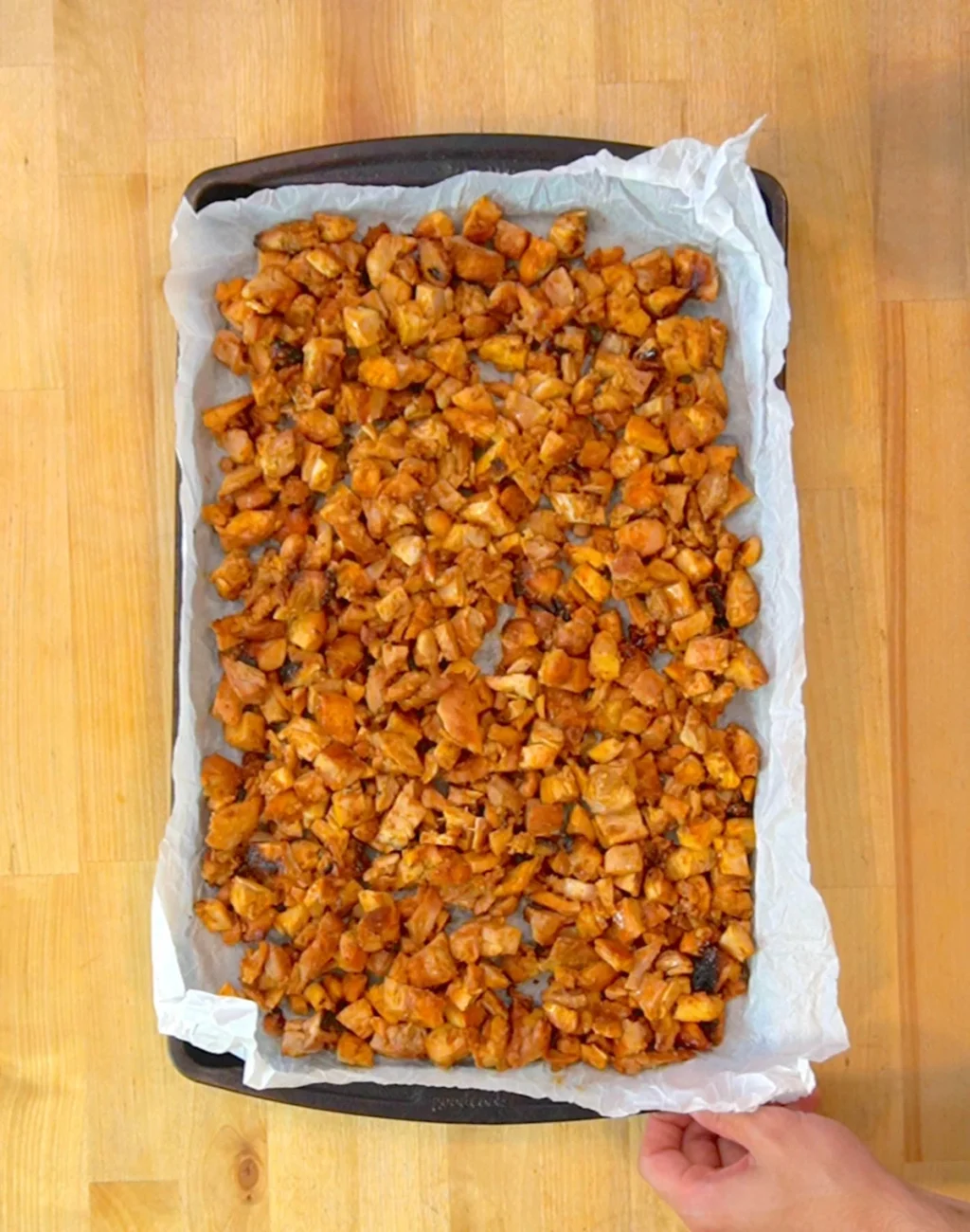
In the fast-paced landscape of the modern workforce, the intersection of nutrition, time management, and culinary satisfaction has become a primary concern for high-performing individuals. The challenge of maintaining a healthy diet while navigating a demanding professional schedule often leads to "decision fatigue" or, worse, a reliance on convenient but nutritionally void processed foods. Enter the "Chipotle Chicken for Burrito Bowls"—a masterclass in batch preparation that promises to transform the home freezer into a personal "Snack City," offering a high-protein, restaurant-quality meal at a fraction of the cost and time of traditional takeout.
The Main Facts: Defining the High-Performance Meal Prep
At its core, this Chipotle Chicken recipe is designed for the efficiency-minded cook. By dedicating a single session to preparation, users can generate ten distinct, nutrient-dense servings. This approach is not merely about cooking; it is a strategic logistical maneuver designed to remove the friction from daily healthy eating.
Each serving is meticulously calibrated to provide 309 calories, with a macronutrient profile that favors muscle recovery and satiety: 44 grams of lean protein, 13 grams of healthy fats, and a negligible 3.4 grams of net carbohydrates. This profile makes it an ideal candidate for those adhering to low-carb, keto-friendly, or high-protein dietary protocols. By batching ten servings at once, the home chef effectively eliminates the need for daily kitchen labor for nearly two weeks of lunches, optimizing both time and mental bandwidth.
Chronology of the Process: From Prep to Storage
The efficiency of this meal prep method relies on a disciplined workflow. A successful session is broken down into three distinct phases: preparation, marination, and the final cook.
1. Initial Preparation (10 Minutes)
The process begins with the preparation of the marinade. The secret to the flavor profile of the Chipotle Chicken lies in the infusion of smoky, spicy notes into the protein. Utilizing a blend of chipotle peppers in adobo, aromatics, and selected spices, the cook creates a base that ensures the chicken remains tender and flavorful even after being frozen and reheated. This phase is quick, requiring only the assembly of ingredients and the coating of the chicken.
2. The Marination Phase (3 Hours)
Patience is the primary ingredient during the three-hour marination window. This duration is critical; it allows the enzymes and spices to penetrate the muscle fibers of the chicken, ensuring that the moisture is locked in. During this time, the proteins undergo a chemical transformation that enhances both texture and flavor, preventing the common pitfalls of "reheated chicken syndrome"—dryness and blandness.
3. The Cooking Phase (30 Minutes)
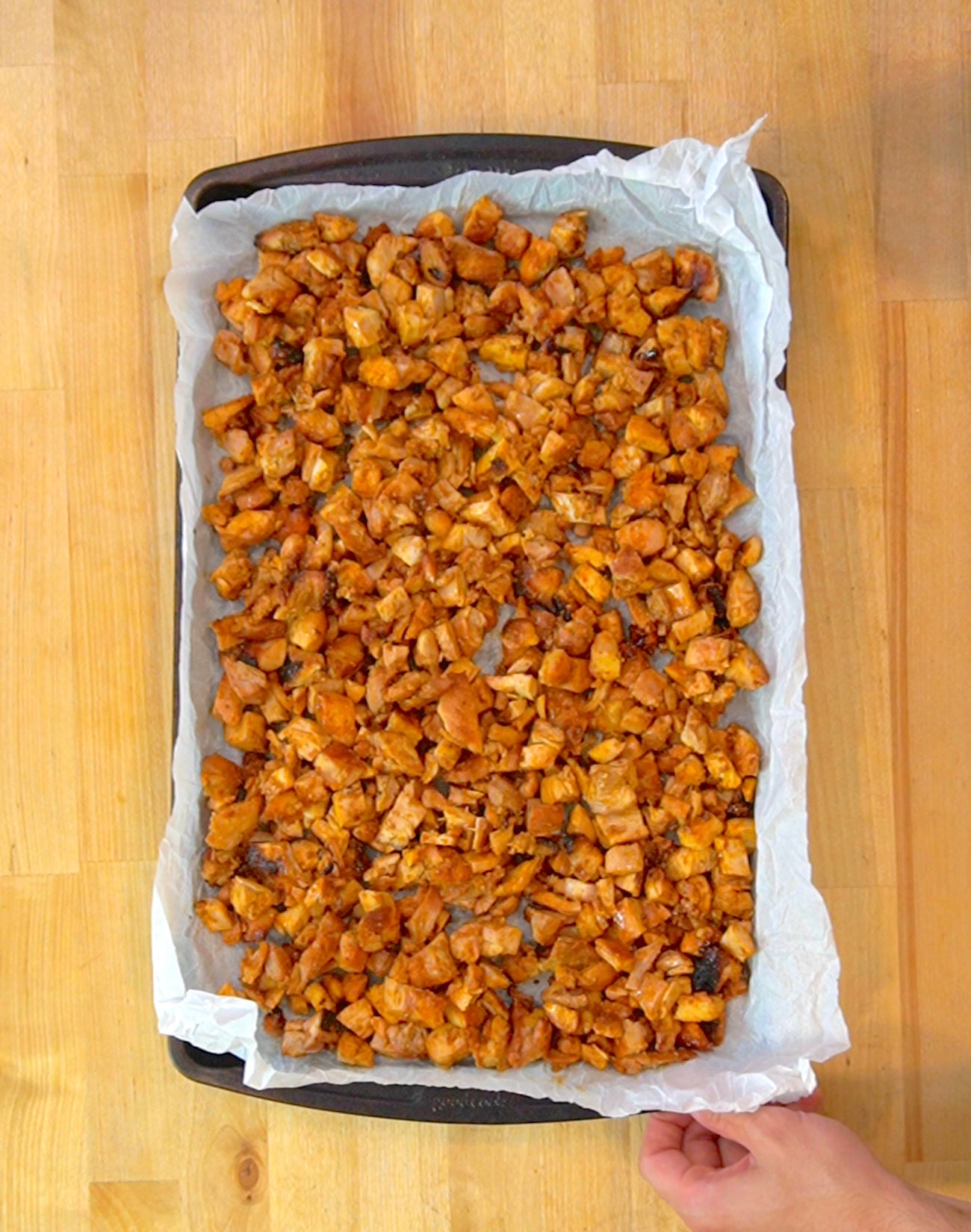
The active cooking phase is a brief 30-minute window, typically involving grilling, baking, or sautéing the chicken to perfection. Once the internal temperature reaches the appropriate safety threshold, the chicken is ready to be portioned. The total time investment is approximately 3 hours and 40 minutes, with the vast majority of that time being completely passive, allowing the chef to focus on other professional or personal tasks.
Supporting Data: The Nutritional Advantage
In an era where nutritional transparency is paramount, this recipe stands out for its clarity. The data provided reflects a commitment to precise caloric tracking.
| Metric | Amount per Serving |
|---|---|
| Calories | 309 kcal |
| Protein | 44g |
| Fat | 13g |
| Carbohydrates | 3.4g |
| Fiber | 1.28g |
This data is essential for those who utilize nutrition tracking software to manage their fitness goals. By removing the guesswork inherent in restaurant-bought meals—which often contain hidden sugars, excess sodium, and caloric density that is difficult to verify—this recipe provides a reliable baseline for daily intake. The high protein-to-calorie ratio is particularly beneficial for those looking to maintain muscle mass while managing weight, as it promotes sustained metabolic activity and feelings of fullness throughout the workday.
Implications for the Modern Lifestyle
The shift toward batch prepping, particularly with a recipe as versatile as Chipotle Chicken, has significant implications for both personal finance and lifestyle sustainability.
Economic Efficiency
The rising cost of dining out is a well-documented economic strain. By purchasing poultry in bulk and utilizing pantry staples for the marinade, the cost per serving is significantly reduced compared to even the most affordable fast-casual burrito bowl chains. Over the course of a year, this financial optimization can result in thousands of dollars in savings, which can be redirected toward other life goals.
Psychological Benefits: Eliminating Decision Fatigue
Decision fatigue is a psychological phenomenon where the quality of decisions deteriorates after a long session of decision-making. For the busy professional, deciding what to eat for lunch every day is a cognitive drain. By having "Snack City" pre-stocked in the freezer, the decision is made once during the weekend, liberating the mind to focus on more complex professional challenges during the workweek.
Dietary Consistency
The most significant hurdle in any health journey is consistency. When a nutritious meal is readily available, the impulse to order unhealthy takeout during a busy workday vanishes. This recipe serves as a "fail-safe" for healthy eating, ensuring that even on the most hectic days, a high-protein meal is only a few minutes away in the microwave.
Official Guidance and Best Practices
While the recipe is straightforward, achieving the best results requires adherence to specific best practices.
- Portion Control: Using a digital scale to weigh out the cooked chicken into individual containers is the most effective way to ensure the macronutrient profiles remain consistent across all ten servings.
- Freezer Management: To prevent freezer burn, ensure that containers are airtight. If using plastic containers, consider a secondary layer of protection, such as vacuum sealing or heavy-duty freezer bags, to maintain the integrity of the chicken’s texture.
- Reheating Strategy: When reheating, add a small splash of water or broth to the container before microwaving. This creates a steam effect, which helps to rehydrate the chicken and mimic the texture of freshly cooked protein.
Conclusion: The Future of Home Dining
The Chipotle Chicken for Burrito Bowls is more than just a recipe; it is a component of a lifestyle architecture designed for success. It recognizes that in a world of limited time and infinite demands, our food choices should be an asset rather than a burden.
By leveraging the power of batch preparation, the modern individual can reclaim control over their nutrition, their budget, and their time. As we look toward the future of home dining, the trend is clear: simplicity, efficiency, and nutritional density are the new benchmarks of culinary excellence. Whether you are a competitive athlete, a busy executive, or simply someone looking to streamline their daily routine, this approach to chicken preparation offers a sustainable path forward. It transforms the kitchen from a place of daily chore-based stress into a command center for personal health and well-being.
By embracing these systems, you are not just preparing a meal; you are investing in your own performance and longevity. As the comments and community feedback on this recipe suggest, the transition from "what’s for dinner?" to "my meal is already prepared" is a liberating experience that every modern individual should endeavor to master.