The Ultimate Guide to Perfect Gluten-Free Chocolate Banana Bread: A Masterclass in Baking Science
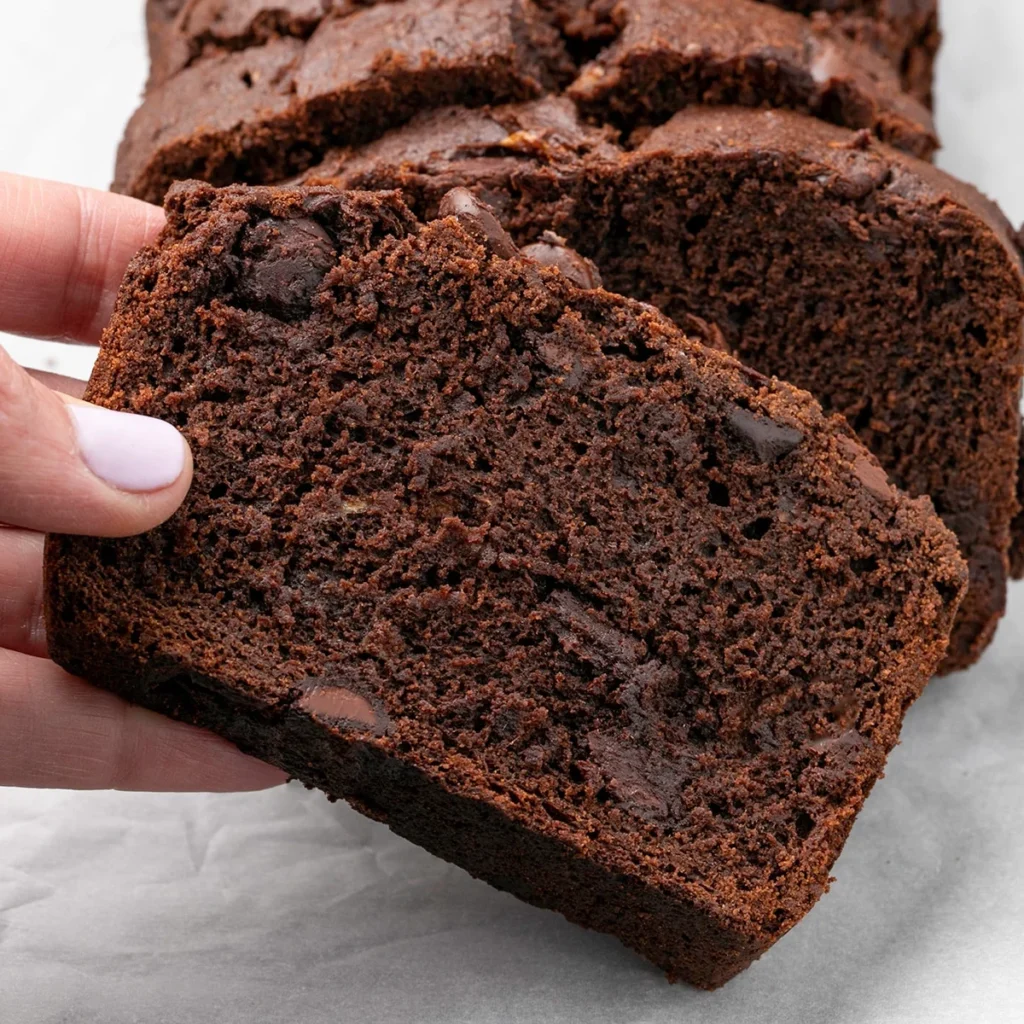
For those navigating the complexities of a gluten-free lifestyle, the search for the "holy grail" of baked goods—a loaf that possesses the perfect crumb, the right amount of moisture, and a depth of flavor that rivals traditional recipes—is often an uphill battle. However, a new culinary development in the world of gluten-free baking has emerged: a rich, decadent, and structurally sound Chocolate Banana Bread that promises to shatter the myth that gluten-free treats must be dry or crumbly.
Developed by baking expert Nicole Hunn, this recipe is more than a simple modification of a classic. It is a calculated exercise in food science, leveraging the specific chemical properties of cocoa, melted chocolate, and the moisture content of overripe bananas to create a dessert that is as tender as it is indulgent.
Main Facts: The Anatomy of a Better Loaf
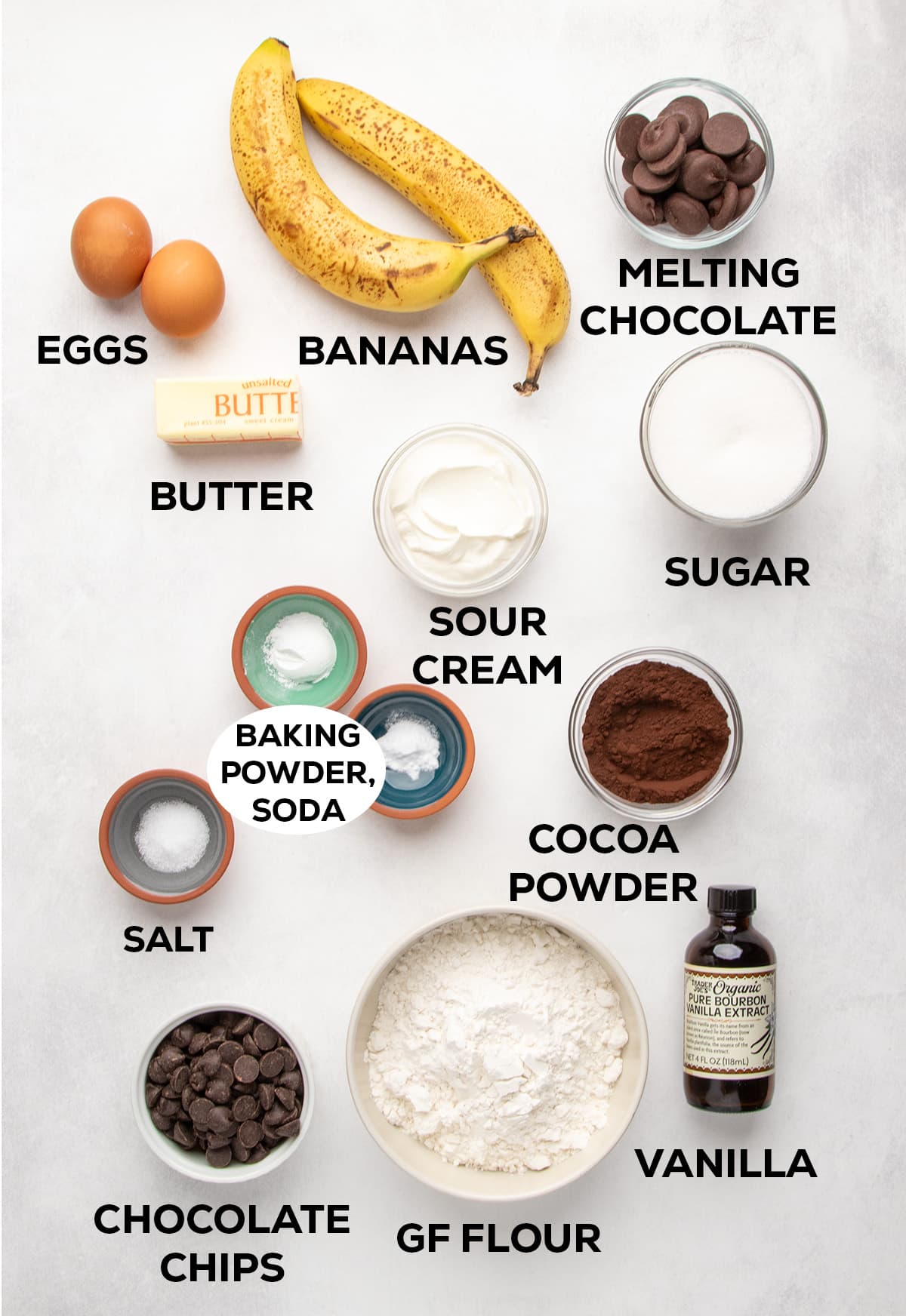
The core challenge in creating a high-quality gluten-free loaf is replacing the structural integrity usually provided by wheat protein. In this specific recipe, the solution is two-fold: a precise blend of gluten-free flour (ideally paired with xanthan gum) and a unique wet-ingredient composition.
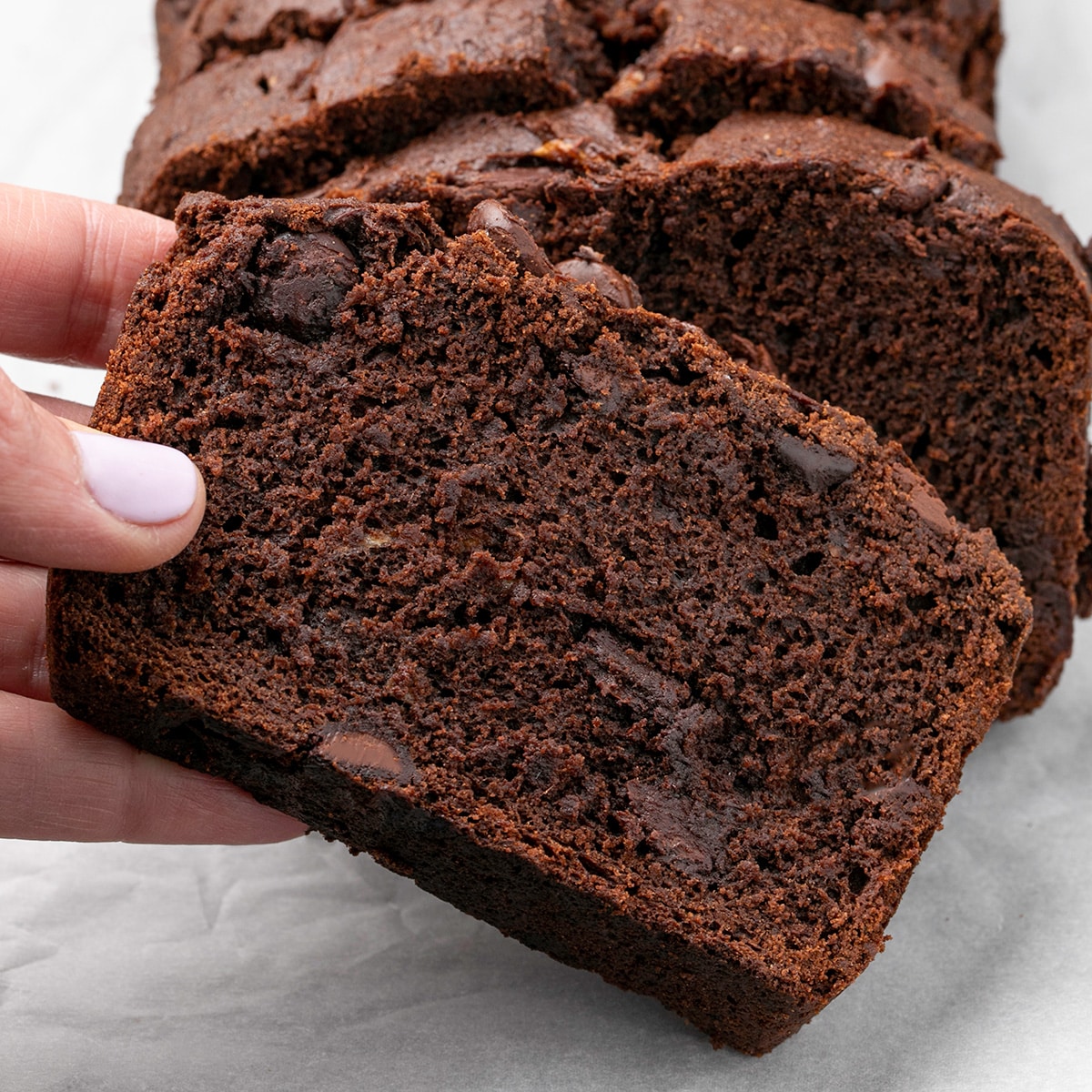
Unlike standard banana breads that rely solely on mashed fruit for moisture, this iteration utilizes a dual-chocolate approach. By incorporating both cocoa powder and high-quality melted chocolate, the baker achieves two goals: a profound, intense flavor profile and a superior texture. The cocoa provides the characteristic "dark" flavor, while the melted chocolate contributes a higher fat content, which coats the starches in the flour blend, inhibiting the "gritty" texture often associated with rice-based gluten-free flours.
The inclusion of sour cream—a vital, often overlooked component—acts as the stabilizing acid. This reacts with the leavening agents (baking powder and soda) to provide the necessary lift, ensuring that the loaf doesn’t collapse under the weight of the chocolate chips.
Chronology: The Step-by-Step Evolution of the Bake
Achieving the perfect bake is a process that demands attention to detail and a respect for the chemistry of baking. To understand how this loaf comes together, we must look at the progression of the preparation:
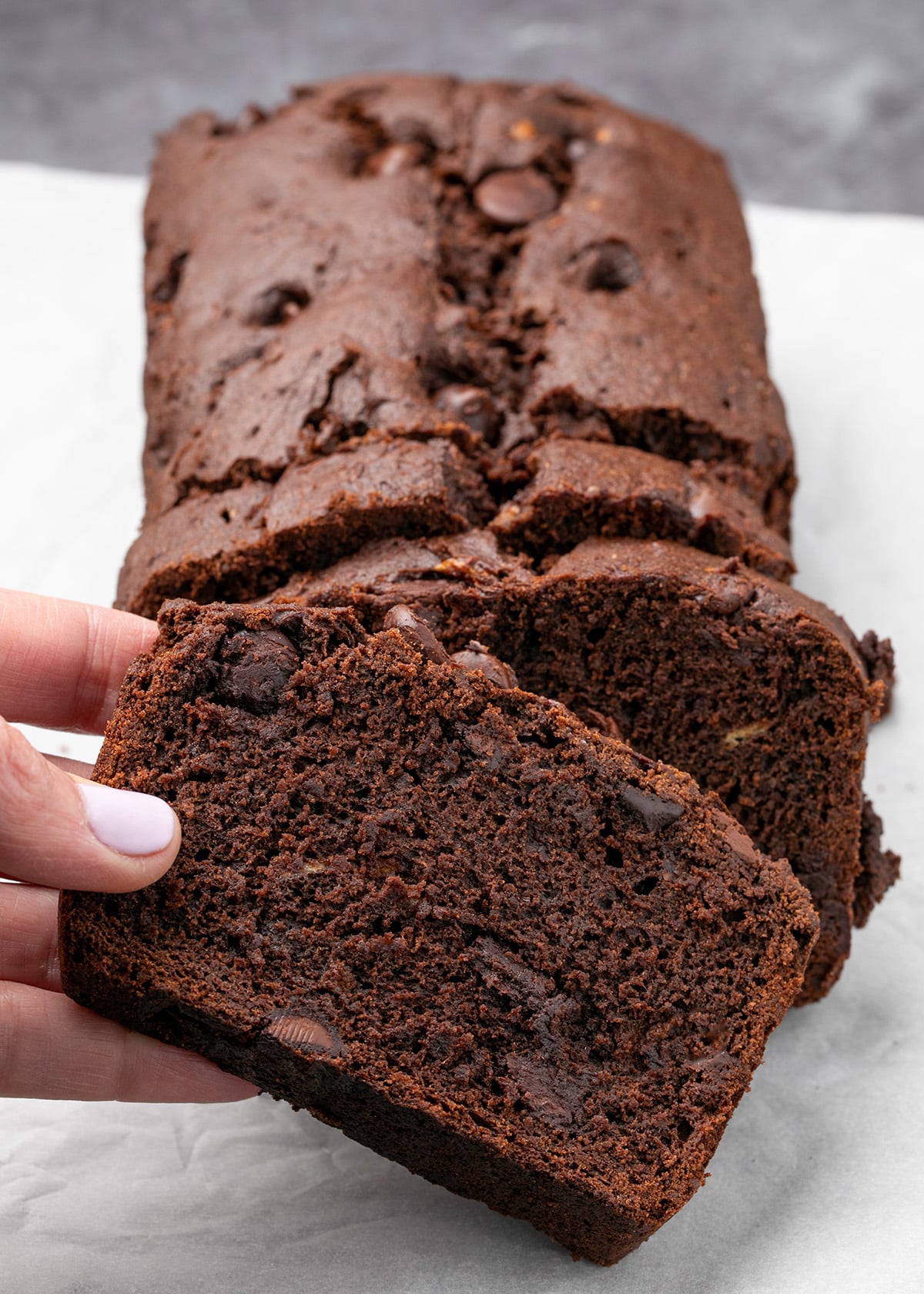
- The Emulsification Phase: The process begins with the careful melting of dark or unsweetened chocolate. By melting this in 30-second intervals in the microwave, the baker prevents the chocolate from seizing. This creates a smooth, molten base that will later integrate seamlessly with the fats.
- Dry Integration: The dry ingredients—cocoa powder, flour, and leaveners—are whisked together separately. This is a critical step because cocoa powder is notorious for clumping; pre-mixing ensures a uniform distribution throughout the batter.
- The Wet-Base Synthesis: Mashed bananas, sugar, vanilla, and the chocolate-butter mixture are beaten together. This is where the "heavy lifting" of the texture is done. By using a mixer to combine these before adding the flour, the baker forces the banana to release its internal moisture, which is then trapped by the fat molecules.
- Folding and Incorporation: When the wet and dry components meet, they are mixed just until combined. The final addition of chocolate chips and extra banana chunks is done by hand to maintain the integrity of these textural elements.
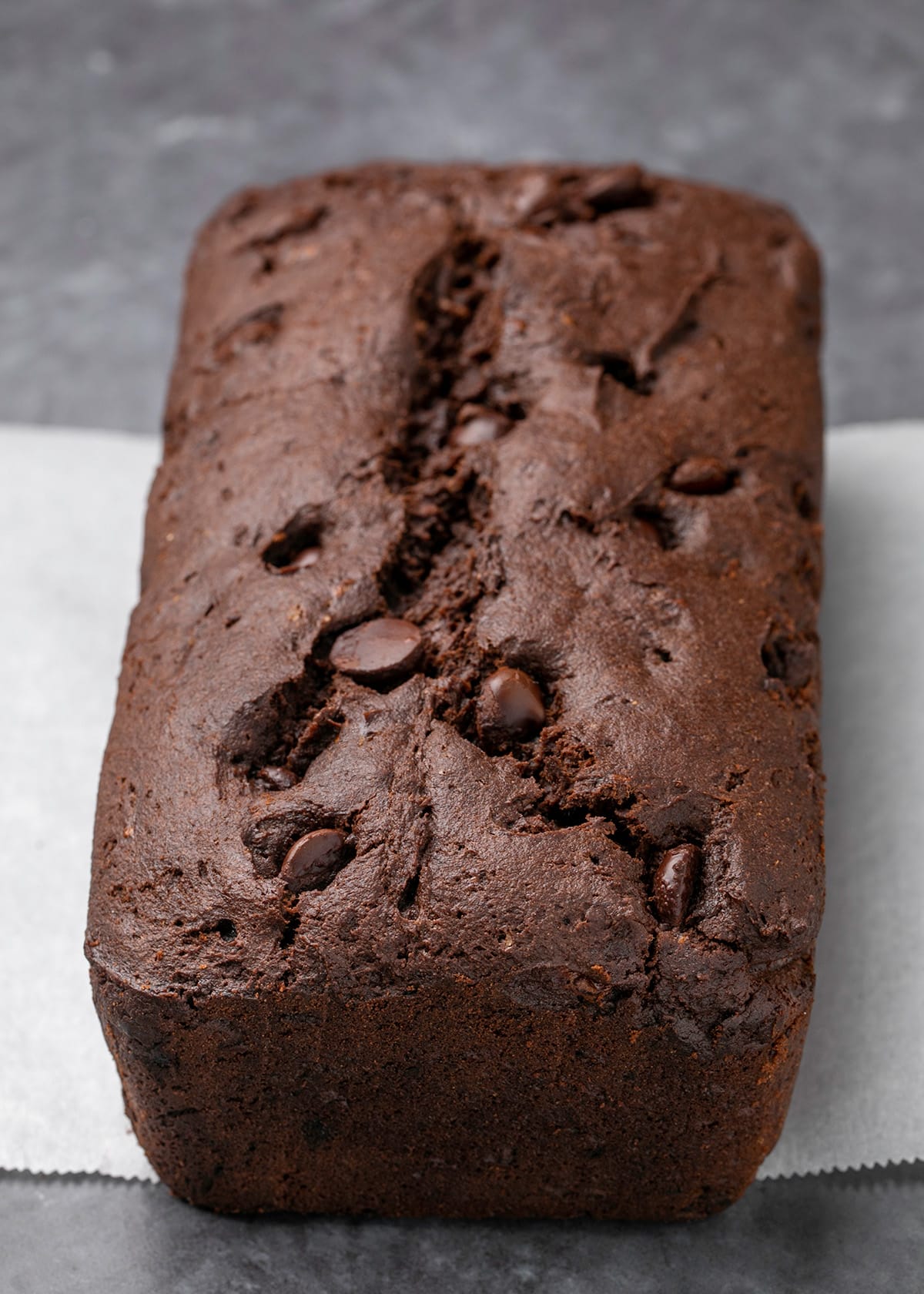
- The Structural Set: The bread is scored down the center before baking. This simple technique allows for controlled steam release, preventing the loaf from cracking unevenly as it rises.
- The Cooling Process: Perhaps the most overlooked step is the patience required for cooling. Because this is a dense, high-moisture loaf, the starches require at least 45 minutes to set. Cutting the loaf while hot is the most common cause of "gummy" or "crushed" textures in gluten-free baking.
Supporting Data: Why the Science Holds Up
When evaluating the nutritional and technical data of this recipe, the numbers confirm the logic behind the method. Each slice contains approximately 363 calories, 17 grams of fat, and 5 grams of fiber. The relatively high fiber content—derived from both the bananas and the gluten-free flour blend—is essential for satiety and texture.
Furthermore, the recommendation to use two eggs instead of one is supported by the need for protein structure. Eggs provide the "glue" that binds the ingredients. In a gluten-free environment, this structural protein is non-negotiable. If a baker chooses to omit eggs, the use of chia seeds or Greek-style yogurt is necessary to replicate that binding capacity, though the results will vary in terms of total height and "spring."
The choice of pan also impacts the data. A light-colored, cast-aluminum pan is recommended because it reflects heat, allowing the center to bake through before the crust becomes excessively dark. A dark-colored pan absorbs heat, which in a dark chocolate batter, can lead to a burnt exterior while the center remains raw.
Official Responses and Expert Perspectives
Nicole Hunn, the creator of this specific method, emphasizes that the primary barrier for home bakers is the fear of failure. "Good, for gluten-free, just isn’t good enough," Hunn notes. Her approach focuses on eliminating the "separate meal" syndrome, where those on a gluten-free diet are forced to eat something inferior to the rest of the table.
Regarding the common issue of the "sinking center," experts point to the oven temperature as the culprit. If an oven is calibrated even 10 to 15 degrees too hot, the exterior of the loaf sets too quickly. The middle, still raw and full of steam, eventually collapses once the bread leaves the oven and cools. The official recommendation is the use of an independent oven thermometer, as most household ovens deviate significantly from their digital displays.
Implications for the Gluten-Free Home Baker
The success of this recipe has broader implications for the future of home baking. It demonstrates that with the right combination of high-fat ingredients and careful management of moisture, the limitations of gluten-free flour blends can be largely mitigated.
For the home baker, the takeaways are clear:
- Invest in Quality: Using a high-cacao-content melting chocolate (around 65%) is non-negotiable for flavor.
- Precision is Key: Weighing ingredients, particularly the flour blend, is far more accurate than using volume measurements.
- Respect the Cooldown: The cooling period is not "waiting time"; it is an active phase of the cooking process where the crumb structure is finalized.
This recipe serves as a reminder that gluten-free baking is not about subtraction; it is about the deliberate addition of ingredients that compensate for the absence of wheat protein. Whether you are baking for dietary restrictions or simply looking for a decadent chocolate-banana hybrid, the science behind this loaf proves that high-quality, professional results are entirely achievable in a home kitchen.
Ultimately, this recipe moves the needle on what is expected of gluten-free desserts. It suggests a future where "gluten-free" is no longer a caveat, but a standard of quality that holds its own in the wider culinary world. By mastering these techniques, bakers are empowered to reclaim the joy of a perfect, fudgy loaf of bread, ensuring that every slice is as good as the next.