The Art of the Rustic Galette: Elevating Gluten-Free Baking with Seasonal Simplicity
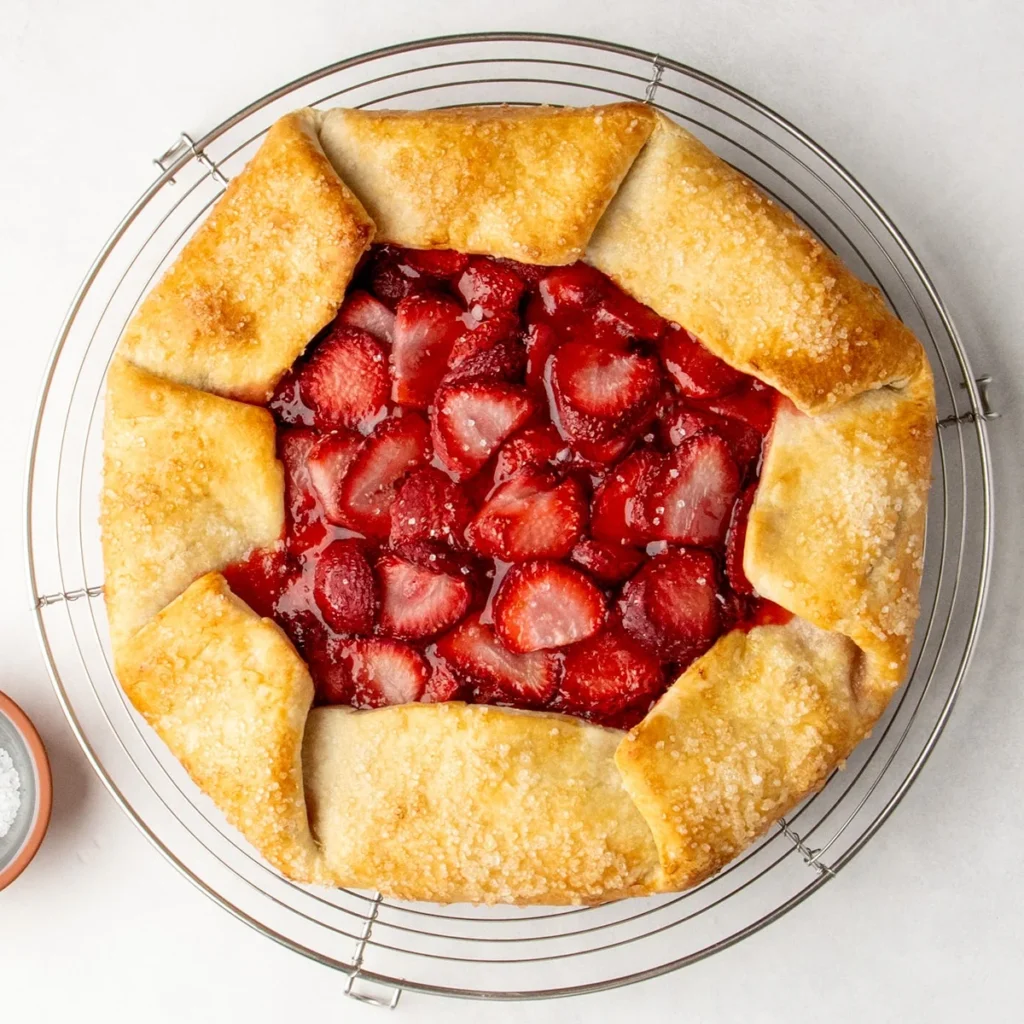
In the world of professional pastry, the galette occupies a unique space: it is the sophisticated cousin of the traditional fruit pie, stripped of pretension and built for rustic elegance. For the gluten-free home baker, the galette is not merely a stylistic choice; it is a strategic one. By eliminating the structural requirements of a crimped pie crust and a deep-dish pan, the galette allows for a focus on flavor, texture, and the vibrant integrity of seasonal fruit.
This article explores the methodology behind the perfect gluten-free strawberry galette, a recipe designed by culinary expert Nicole Hunn, which bridges the gap between dietary necessity and gourmet satisfaction.
Main Facts: The Anatomy of a Perfect Galette
At its core, a galette is a free-form pastry that relies on a sturdy, flaky dough to cradle a fruit-forward center. Unlike traditional pies that require a delicate hand to maintain a uniform crust across a pan, the galette is defined by its intentional imperfections.

The primary challenge in gluten-free baking is the absence of wheat protein, which typically provides the elasticity required for rolling out dough. To achieve a "shatter-crisp" crust, this recipe utilizes a specific blend of gluten-free flour—enriched with xanthan gum—and a technique that prioritizes cold butter manipulation. By pressing shards of butter into the flour, the baker creates distinct layers that, when baked, produce steam pockets. This is the hallmark of a high-quality pastry.
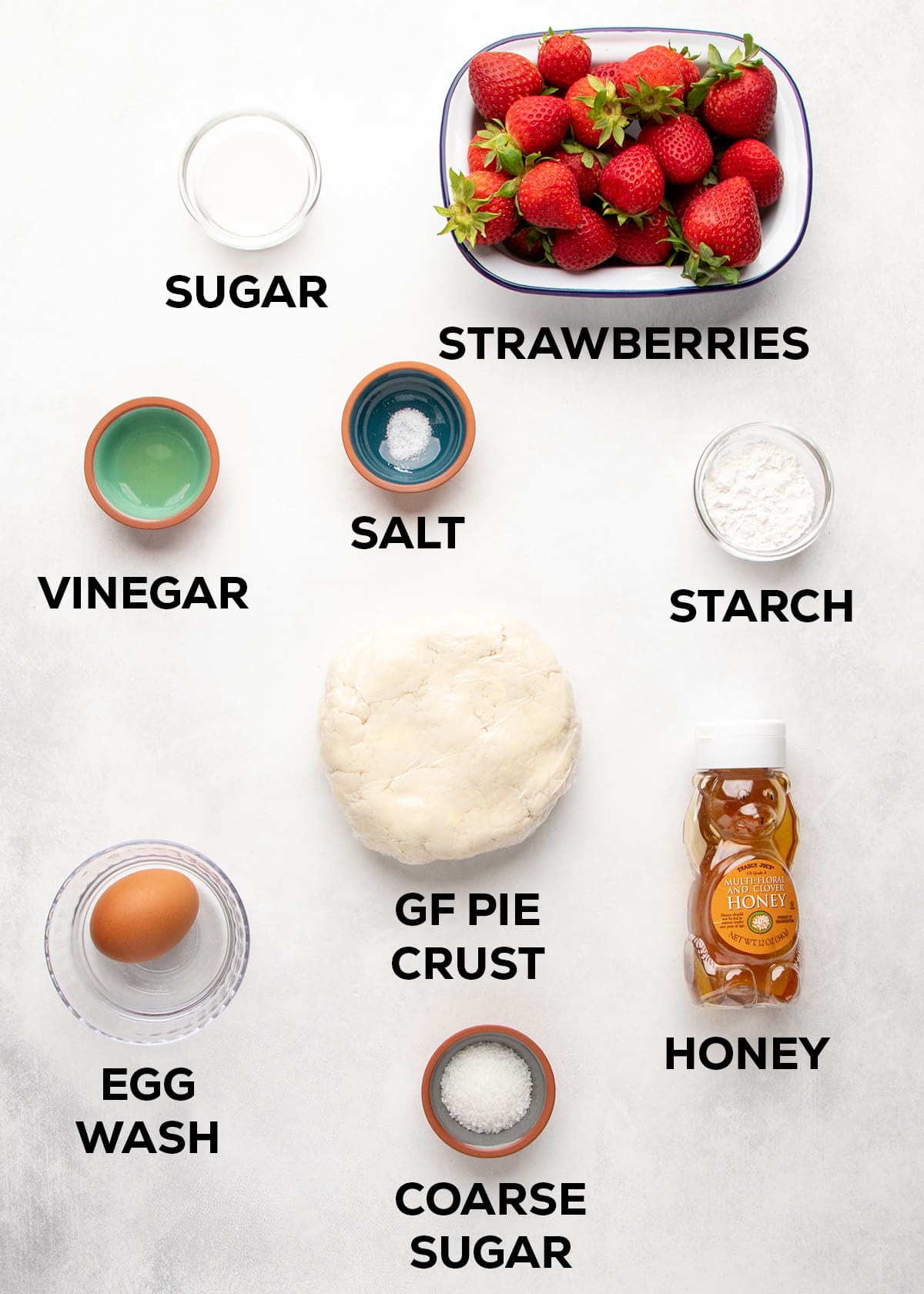
Furthermore, the filling strategy is critical. By macerating strawberries with sugar, a dash of vinegar, and tapioca starch, the baker creates a glossy, thick, and intensely flavored compote that holds its structure without turning the base of the pastry into a soggy mess.
Chronology: The Step-by-Step Culinary Process
Mastering this dessert requires a disciplined approach to temperature and timing. The process follows a precise sequence:
- Preparation of the Dry Base: The process begins with the homogenization of dry ingredients. A gluten-free flour blend, baking powder, and salt are whisked thoroughly to eliminate clumps.
- The Butter Integration: Cold butter is incorporated, not by over-mixing, but by hand-flattening shards of butter directly into the flour. This ensures that when the heat of the oven hits, the butter creates the necessary steam to lift the pastry.
- Hydration and Chilling: Ice-cold water is added sparingly. The dough is brought together into a disk and chilled for at least 30 minutes. This resting phase is non-negotiable; it allows the fats to solidify and the gluten-free starches to hydrate, preventing the dough from cracking during the rolling process.
- Filling Synthesis: The strawberries are hulled and sliced. The addition of vinegar acts as an acidic brightness, cutting through the sweetness, while tapioca starch serves as a thickening agent that remains clear when heated.
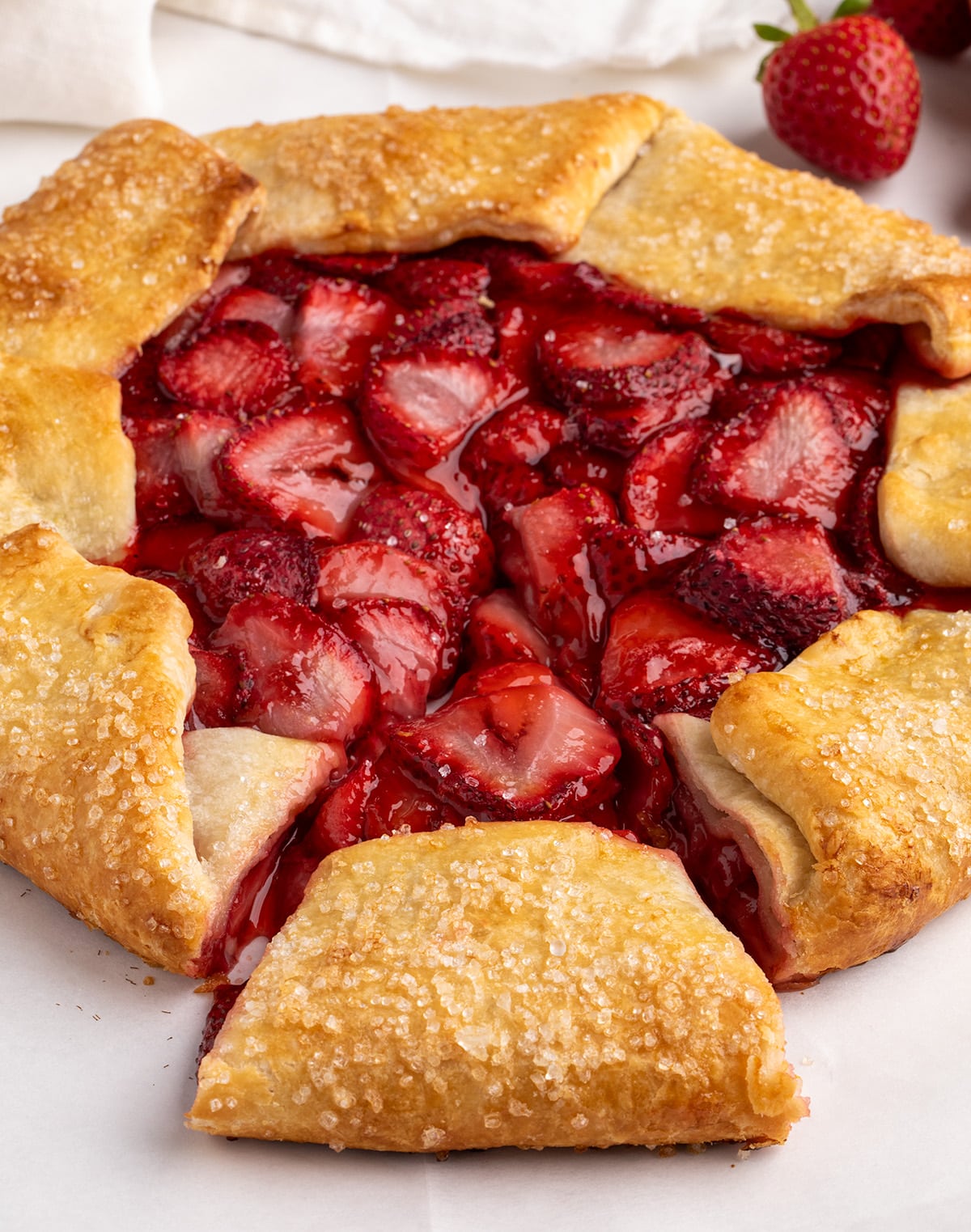
- Assembly and Folding: The dough is rolled into a 13-to-14-inch round. A thin layer of honey is brushed on the base—a "sealant" that prevents the fruit juices from compromising the crispness of the bottom crust. The filling is added, and the edges are folded in a rustic, overlapping pleat.
- The Final Chill: Before entering the oven, the entire assembled galette is chilled again. This ensures the butter remains cold, guaranteeing a flaky, layered final result.
- Thermal Transformation: Baked at 375°F, the galette is finished when the pastry achieves a deep golden hue and the fruit bubbling at the center has reached a syrupy consistency.
Supporting Data: Nutritional and Technical Considerations
The nutritional profile of this dessert reflects a balanced approach to indulgence. A single serving contains approximately 320 kcal, with 14g of fat and 41g of carbohydrates. The use of tapioca starch as a thickener provides a superior texture compared to traditional cornstarch, as it avoids the "cloudy" appearance and gummy mouthfeel often associated with gluten-free binders.
From a technical standpoint, the recipe’s reliance on a 375°F oven is intentional. This temperature is high enough to generate the rapid steam needed for flakiness, yet moderate enough to prevent the edges of the pastry from burning before the fruit has properly softened. The use of an egg wash is a vital technical step; the protein in the egg coagulates in the heat, creating a glossy, professional-looking finish that also serves as a final barrier to moisture.
Official Guidance: Expert Insights from Nicole Hunn
Nicole Hunn, the creator of Gluten Free on a Shoestring, emphasizes that "good, for gluten free" is an unacceptable standard. Her approach focuses on mimicry—creating textures that are indistinguishable from wheat-based counterparts.
- On Sweetness: Hunn advises that the sugar content is variable. Berries vary in their sugar content based on their peak season. She recommends tasting the fruit before adding the sugar, suggesting a range of 1/4 cup to 1/2 cup to balance the natural tartness of the strawberries.
- On Flour Blends: Not all gluten-free flours are created equal. Hunn explicitly recommends blends like Better Batter or Nicole’s Best, noting that if a baker uses a mix like Bob’s Red Mill 1-to-1, they must supplement with additional xanthan gum to provide the necessary structure for the crust to hold its shape during the folding process.
- On Fruit Adaptability: While strawberries are the focus, the methodology is modular. Stone fruits like nectarines or peaches, as well as thinly sliced apples, are perfectly suitable candidates for this technique, provided the baker adjusts the starch ratios based on the moisture content of the fruit.
Implications: The Future of Accessible Pastry
The rise of sophisticated gluten-free recipes like this strawberry galette has significant implications for the culinary landscape. It demonstrates that dietary restrictions need not act as a ceiling for culinary creativity. By providing clear, scientifically backed instructions, creators are empowering home bakers to move away from processed, store-bought gluten-free alternatives toward scratch-made, high-quality desserts.
This shift has economic implications as well. By utilizing seasonal, fresh ingredients, the cost of the finished product is often significantly lower than high-end specialty gluten-free baked goods, while the quality is markedly higher. Furthermore, the ability to freeze the galette in its raw state offers a level of convenience that rivals industrial frozen foods, allowing for a "fresh-baked" experience on demand.
Conclusion: A Legacy of Flavor
The rustic strawberry galette stands as a testament to the fact that baking is as much about technique as it is about ingredients. By respecting the physics of the crust and the chemistry of the fruit filling, the home baker can produce a dessert that is not only safe for those with gluten sensitivities but is genuinely desirable to any palate. In a culinary culture that often prizes the perfect, the beauty of the galette lies in its honesty—a simple, golden, and delicious expression of the season.