The Ultimate Guide to Stress-Free, No-Cook Lunches: Nutritious Solutions for Busy Families
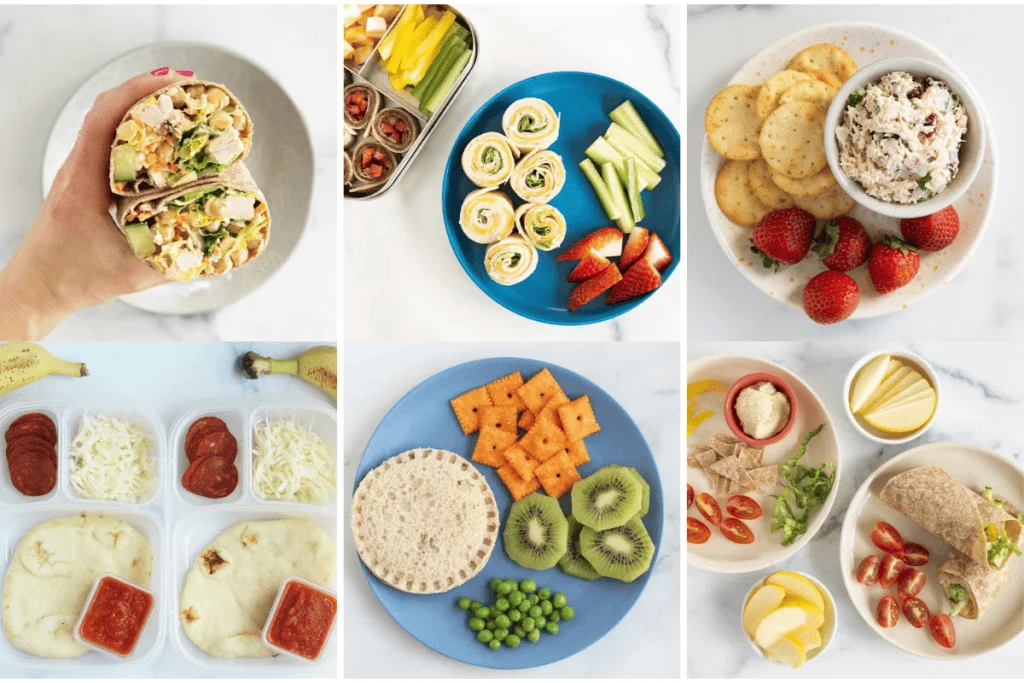
Packing a lunch that is both nutritious and appealing to children is a daily challenge for parents. Whether it is for daycare, the classroom, summer camp, or a weekend outing, the pressure to provide a balanced meal without spending hours in the kitchen is universal. Fortunately, the "no-cook" lunch revolution provides a sophisticated, efficient, and healthy alternative to standard convenience foods. By prioritizing assembly over preparation, caregivers can ensure their children receive wholesome nutrition while simplifying the morning rush.
The Case for No-Cook Lunches: Main Facts and Benefits
The fundamental appeal of no-cook lunches lies in their efficiency. These meals rely on assembling fresh, nutrient-dense components—proteins, fiber-rich grains, and colorful produce—rather than undergoing lengthy thermal cooking processes.
From a nutritional standpoint, no-cook meals often retain a higher concentration of heat-sensitive vitamins and antioxidants found in raw vegetables and fruits. Furthermore, they are inherently more budget-friendly than pre-packaged, store-bought "lunch kits," which often contain excessive sodium, preservatives, and processed ingredients. By choosing to assemble these meals at home, parents maintain complete control over the quality of ingredients and can easily tailor portions to their child’s specific dietary requirements or allergy sensitivities.

A Strategic Approach to Assembly: Chronology of Success
Achieving a seamless packing routine requires a shift in strategy. Rather than viewing lunch preparation as a separate culinary task, successful parents often treat it as a logistical operation.
- Weekly Inventory (Sunday): Review your pantry and refrigerator. Ensure you have the "anchor" proteins (canned chicken, hummus, cheese, turkey) and base items (tortillas, bread, crackers).
- The Assembly Line (The Night Before): Use an assembly-line technique. Lay out containers and distribute bulk items first. This reduces the cognitive load during the morning scramble.
- Final Polish (Morning Of): Add the final touches, such as fresh fruit or cold items like yogurt or smoothies, to ensure peak freshness and prevent sogginess.
Essential No-Cook Menu Concepts
1. The Power of "Banana Sushi"
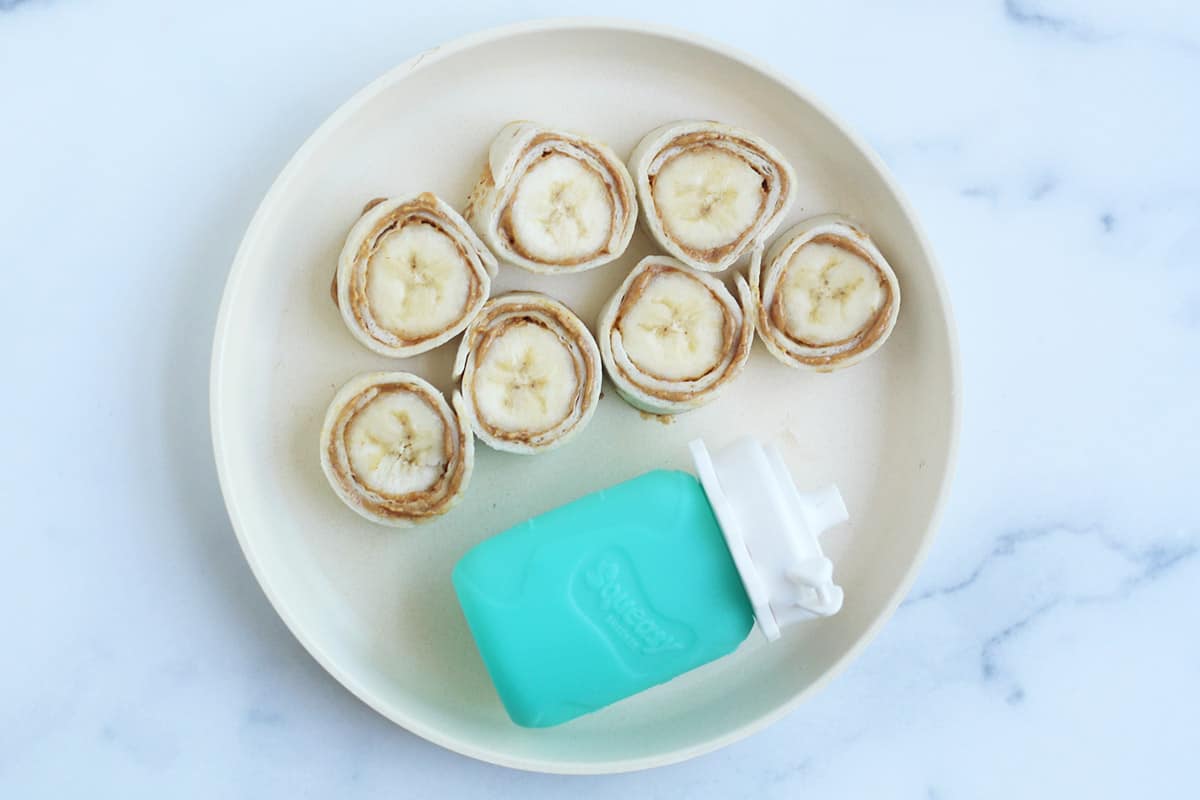
A playful, three-ingredient lunch that requires zero heat. By spreading nut or seed butter on a whole banana and rolling it in crushed cereal or seeds before slicing, you create a protein-packed, fiber-rich meal that children find engaging. It is an ideal entry point for children who may be reluctant to try new textures.

2. High-Protein Chicken and Salmon Salads
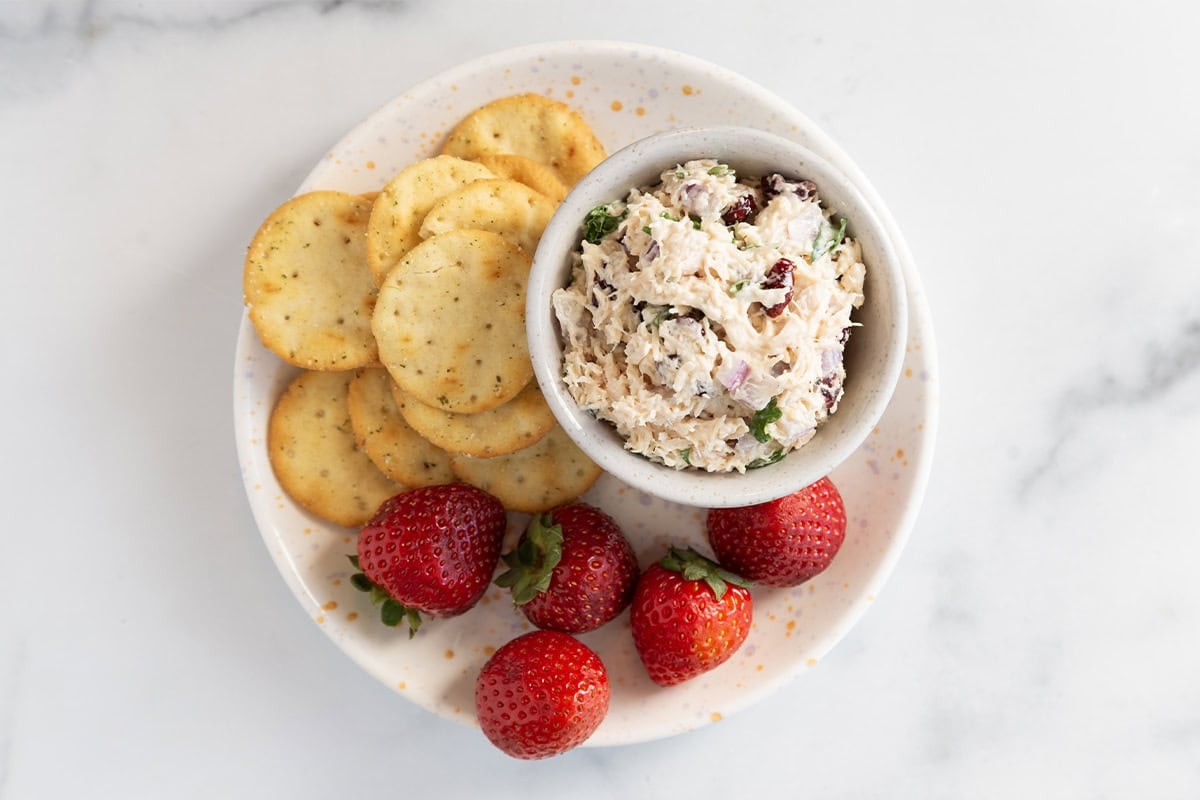
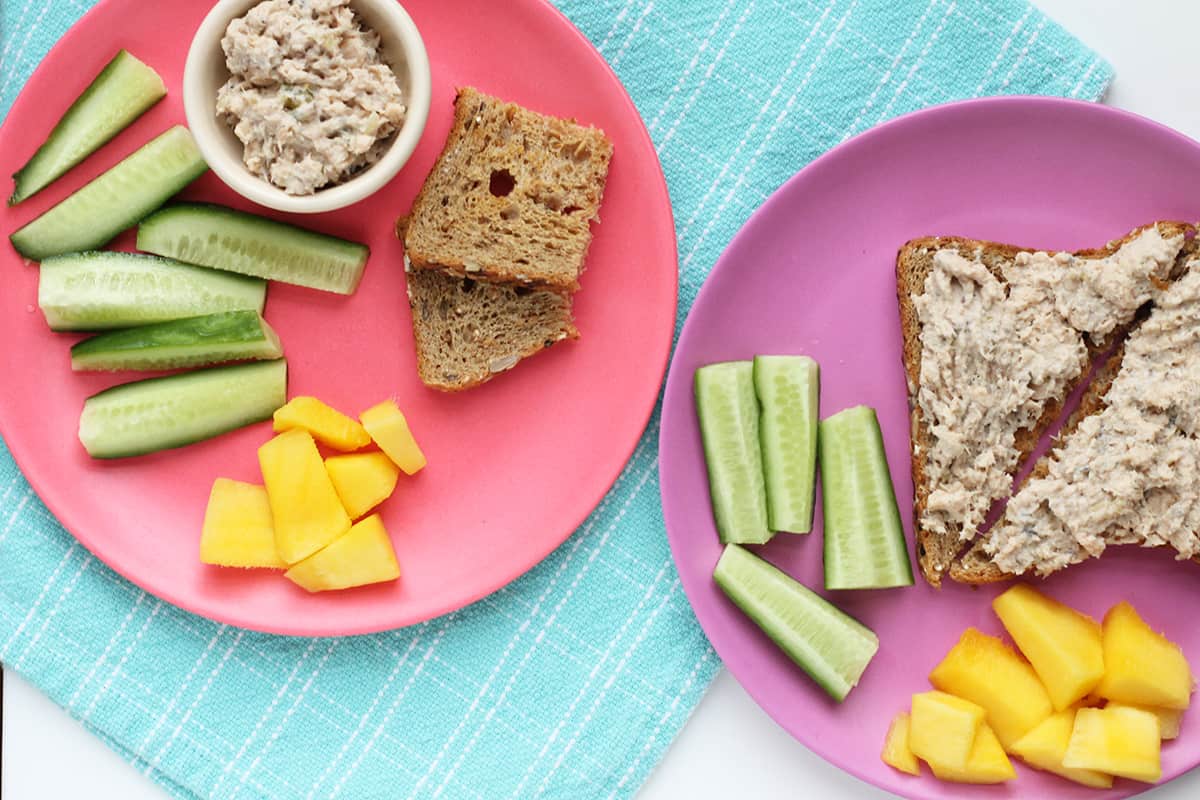
Utilizing high-quality canned chicken or wild-caught salmon transforms a pantry staple into a gourmet lunch. When mixed with a touch of Greek yogurt or avocado-based mayo and served with whole-grain crackers or inside lettuce cups, these salads provide essential Omega-3 fatty acids and protein.
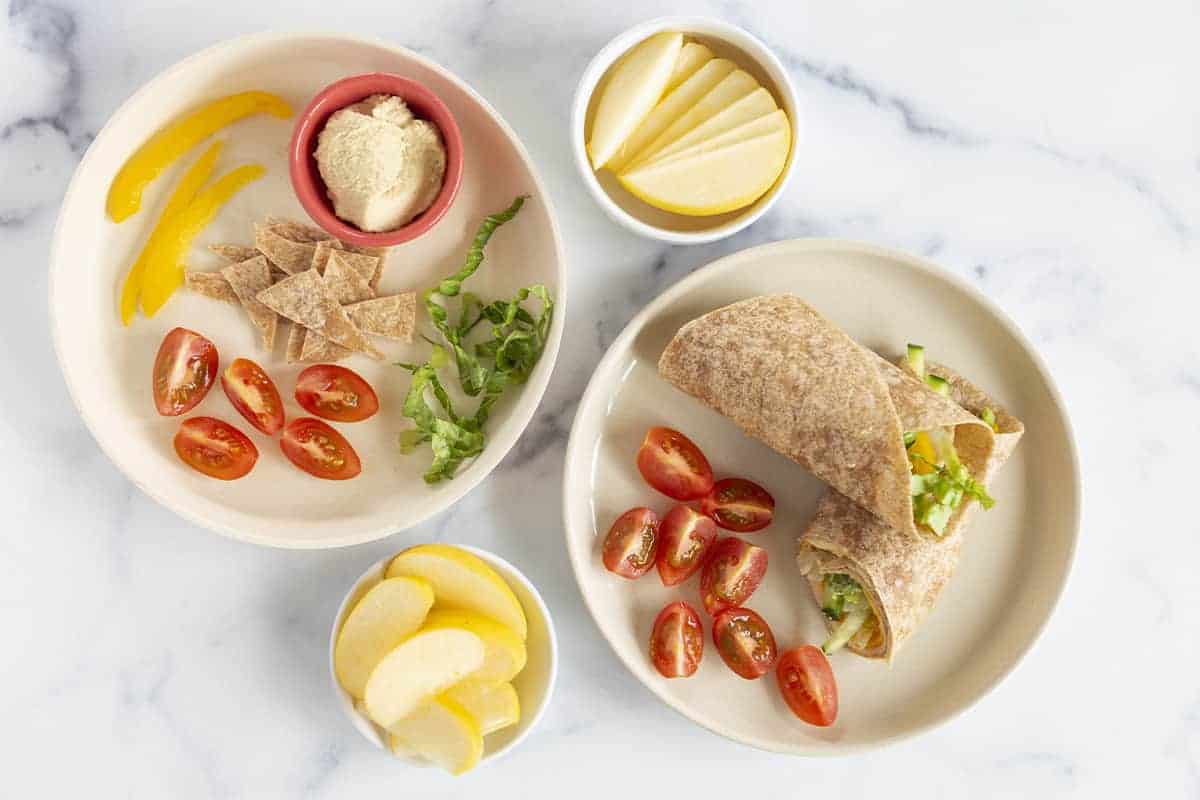
3. Customizable Hummus Wraps
Hummus is perhaps the most versatile ingredient in the no-cook arsenal. It serves as a binding agent, a protein source, and a flavor enhancer. A whole-wheat tortilla, a generous smear of hummus, and a selection of shredded carrots, cucumber sticks, and bell peppers create a vibrant, Mediterranean-inspired meal that is both filling and crunch-satisfying.
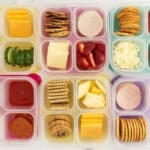
4. The Modern "Homemade Lunchable"
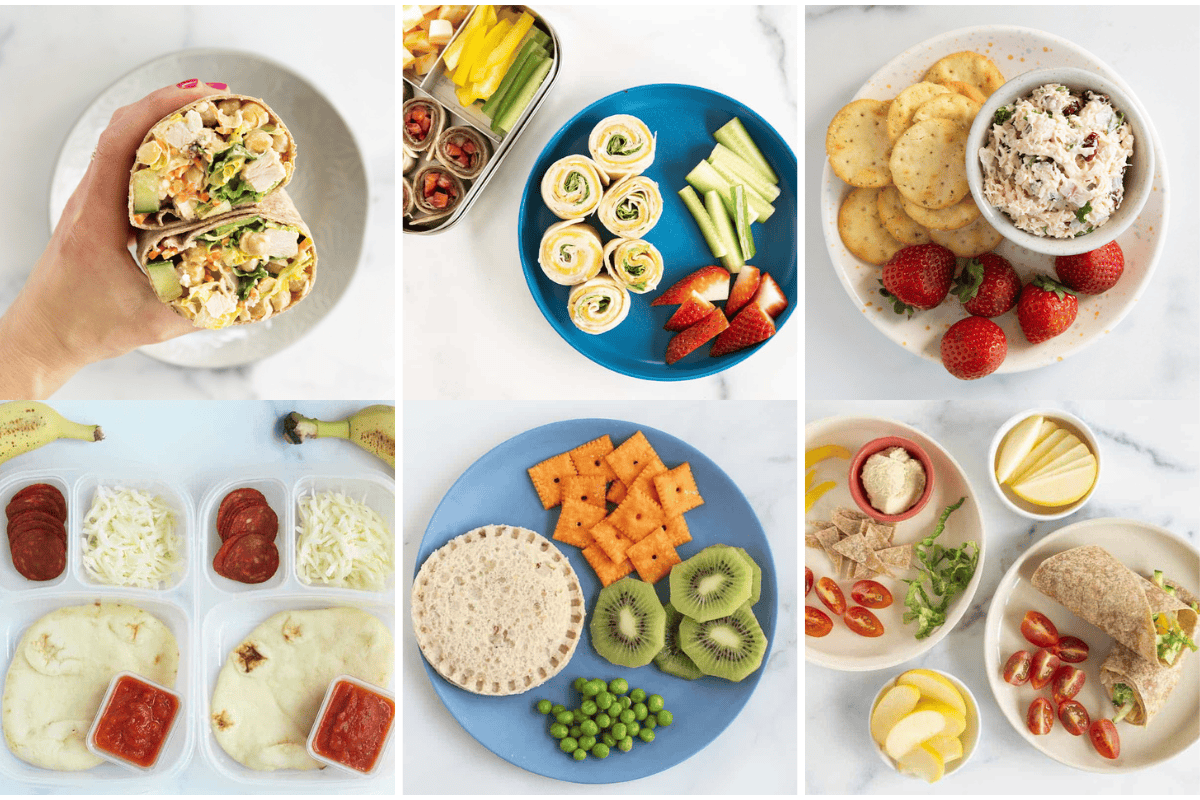
The commercial "bento-style" box has become the gold standard for children’s nutrition. By creating your own version using high-quality deli turkey, sharp cheddar cubes, whole-grain crackers, and seasonal berries, you eliminate the processed additives of store-bought versions. The key is in the presentation: use a divided container to keep textures distinct.

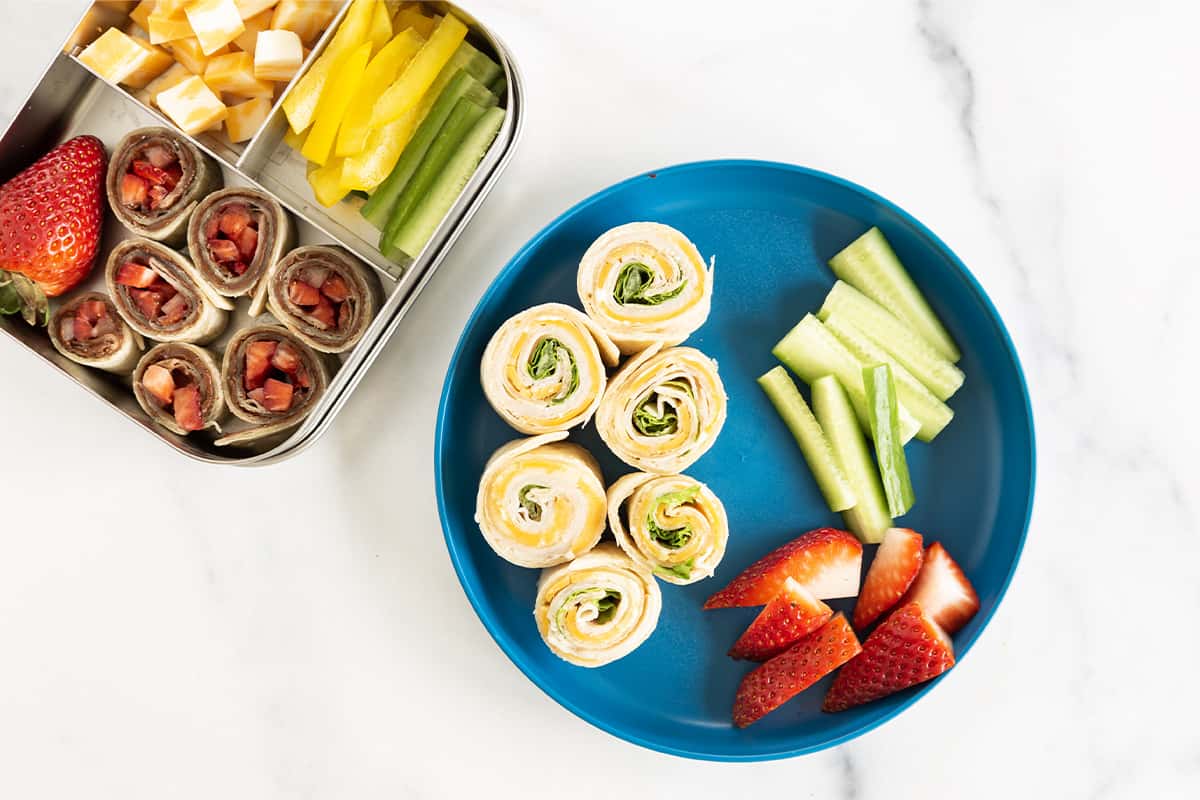
5. Pinwheel Sandwiches and Tea Sandwiches
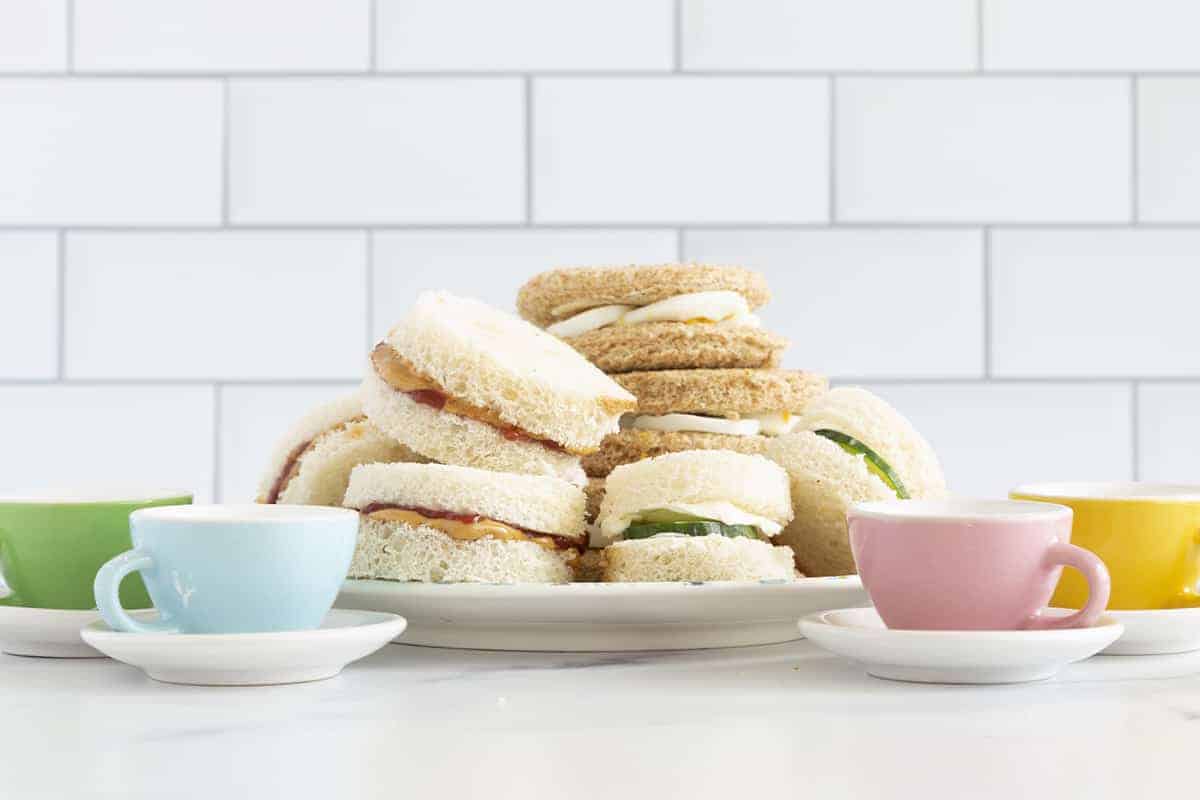
For children who prefer a more traditional sandwich experience, pinwheels offer a fun twist. By rolling bread or tortillas with cream cheese, turkey, or thinly sliced cucumbers and slicing them into bite-sized circles, you increase the "fun factor." Tea sandwiches, which involve removing the crusts and cutting into small fingers, are excellent for younger toddlers who are still refining their motor skills.
6. DIY Pizza Lunchables
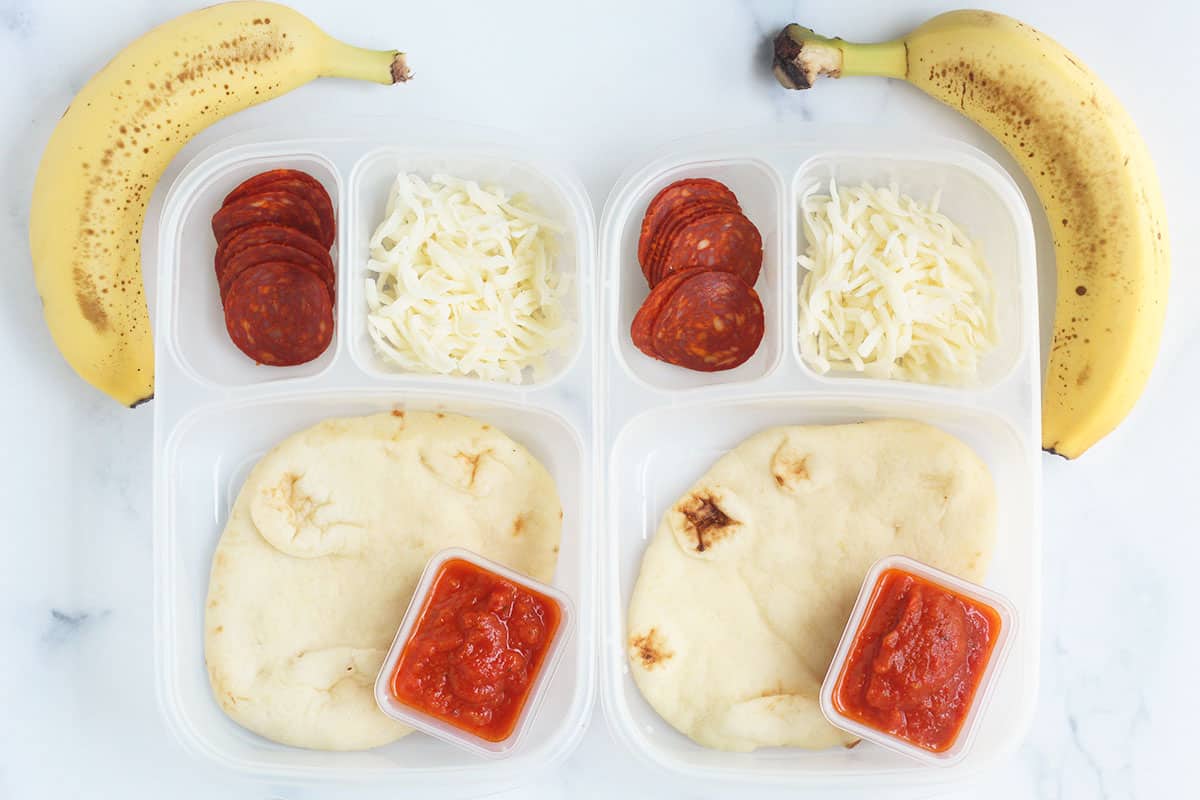
Capitalizing on the popularity of pizza, this assemble-your-own approach uses mini whole-grain pitas, a small side of low-sugar marinara, and shredded mozzarella. It empowers the child to construct their own meal, which is a known strategy for increasing food acceptance in picky eaters.
7. The Versatile Salad Wrap
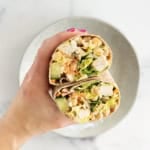
For older children or parents, a sophisticated salad wrap—incorporating leafy greens, chickpeas, feta, and a light vinaigrette—provides a substantial, nutrient-dense lunch. The inclusion of complex carbohydrates ensures sustained energy throughout the afternoon, preventing the dreaded "post-lunch crash."

Supporting Data and Nutritional Implications
Recent dietary research underscores the importance of a balanced plate, even for children. A study by the American Academy of Pediatrics highlights that lunches containing a balance of protein, healthy fats, and fiber lead to improved cognitive function and focus in the classroom.
By avoiding the high-glycemic-index processed sugars found in many pre-packaged snacks, no-cook lunches promote stable blood sugar levels. For example, replacing a processed snack bar with a "Muffin Lunch"—using a homemade whole-grain muffin paired with a protein-rich cheese stick—provides a more sustained fuel source for active children.
Expert Perspectives and Official Guidelines
Nutritionists emphasize that the most important factor in a child’s lunch is consumption. "The best lunch is the one the child actually eats," says a leading pediatric nutritionist. Experts recommend:

- Variety: Rotate the protein source to avoid "menu fatigue."
- Accessibility: Ensure all items are easy to open. If a child cannot open a container, they are less likely to eat the food inside.
- Safety: Always include an ice pack in insulated bags to keep perishable items (like meat or dairy) below 40°F (4°C) to prevent bacterial growth.
Implications for Modern Parenting
The move toward no-cook lunches represents a broader shift in parenting culture. As families face increasingly busy schedules, the ability to outsource time-consuming tasks—like standing over a stove—without compromising on nutritional standards is invaluable.
Furthermore, involving children in the assembly of these lunches fosters a sense of agency. When a child helps pack their own bento box or chooses their own "add-ins" for a salad wrap, they are more likely to engage with the food. This practice is a foundational step in building a healthy, long-term relationship with nutrition.
Troubleshooting and Allergen Swaps
When building these meals, always consider your specific environment. If your child’s school is nut-free, sunflower seed butter or tahini are excellent substitutes for peanut butter. If a child is gluten-sensitive, corn tortillas or gluten-free wraps are easily swapped into any of the aforementioned recipes.

Storage is equally critical. Investing in high-quality, leak-proof containers is an investment in your sanity. Silicone liners, small dipping containers for sauces, and insulated lunch bags are the "heavy lifters" of the no-cook routine. By keeping your supplies organized, you minimize the risk of a messy lunchbox, which is the primary cause of lunchtime frustration for both the child and the parent.
Conclusion
The "no-cook" lunch is not merely a temporary fix; it is a sustainable, healthy, and sophisticated approach to modern feeding. By utilizing smart assembly techniques, focusing on fresh ingredients, and keeping the child’s preferences at the center of the process, parents can ensure that lunchtime remains a highlight of the day rather than a source of stress. Whether you are prepping for a toddler, a school-aged child, or yourself, these strategies provide the flexibility and nutrition necessary to fuel a productive and happy day.