The End of the Gimbal: How the Antigravity A1 is Redefining Aerial Cinematography
For decades, the evolution of drone photography has followed a singular, predictable trajectory: bigger sensors, more stable gimbals, and higher bitrates. Whether you are a casual travel vlogger or a high-end production house, the workflow has remained rigid. You fly, you frame, you shoot, and you pray you didn’t miss the perfect angle.
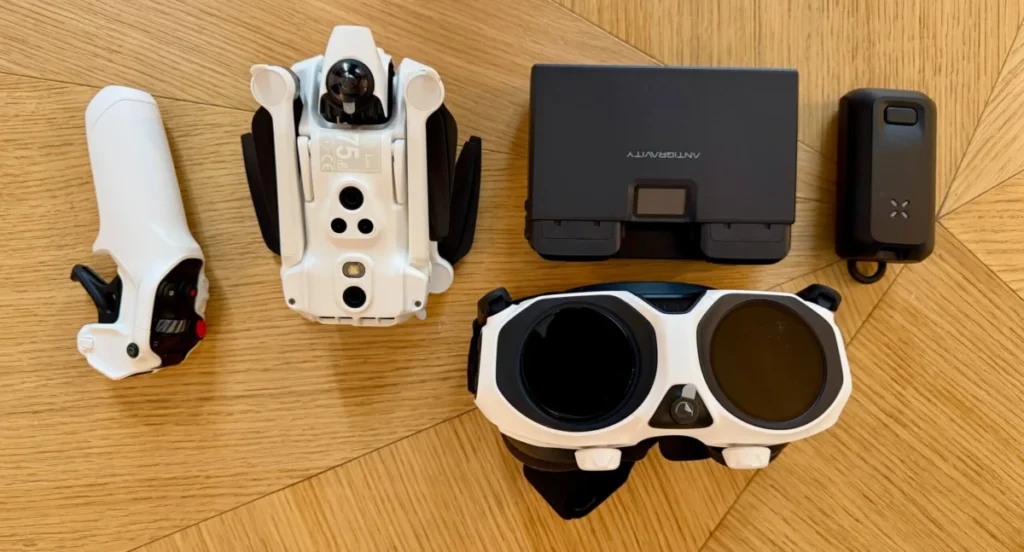
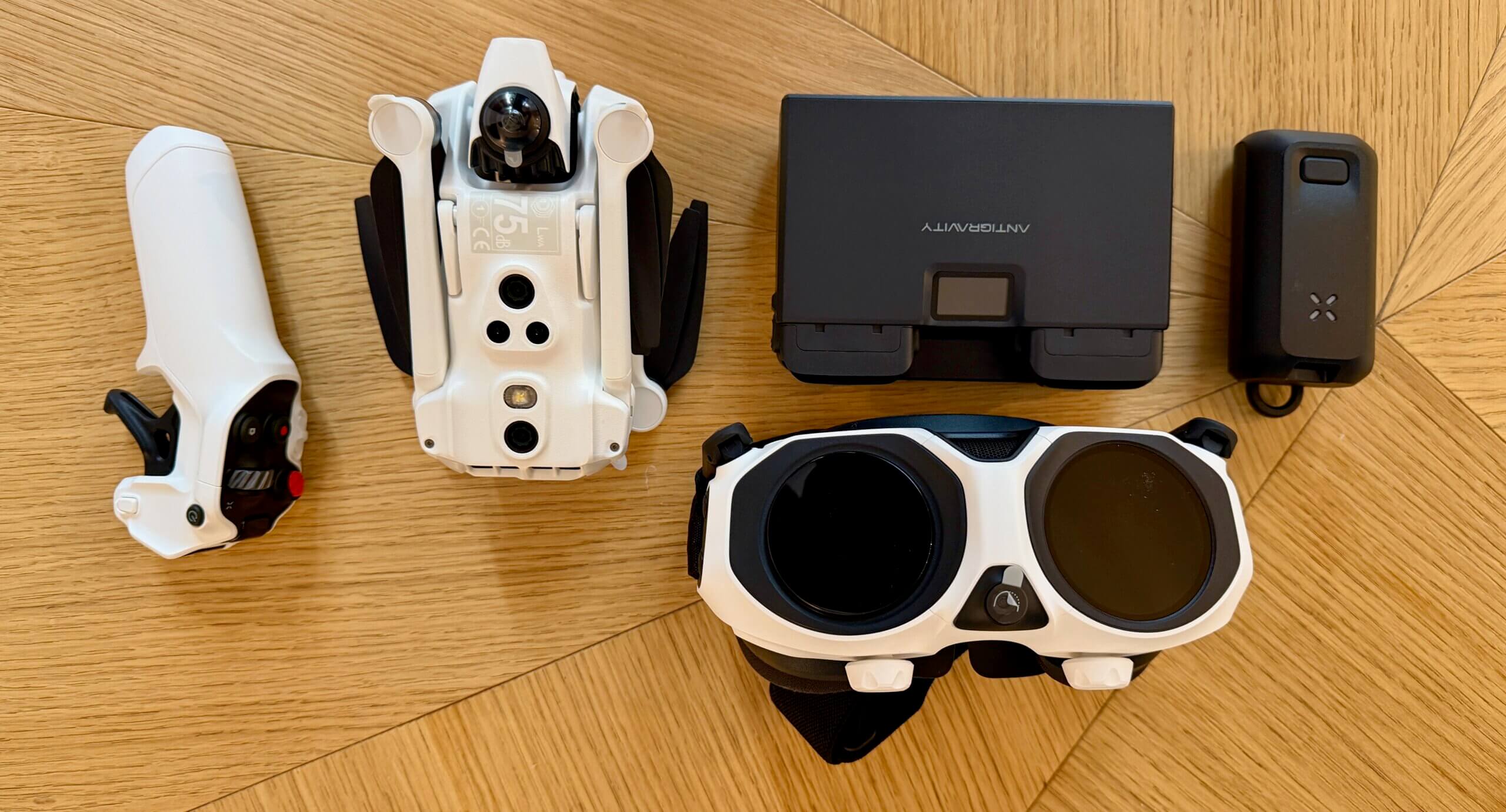
The release of the Antigravity A1 in late 2025 has effectively shattered this paradigm. By discarding the mechanical gimbal in favor of a dual-lens, 360-degree capture system, Antigravity has transformed the drone from a specialized tool for pilots into a sophisticated, flying virtual reality camera. This is not merely an iterative update; it is a fundamental shift in how we conceive of aerial storytelling.
The Technical Core: Anatomy of the A1
At the heart of the Antigravity A1 is a radical departure from traditional drone engineering. While most consumer drones rely on a single, front-facing camera mounted on a motorized three-axis gimbal to stabilize and direct the shot, the A1 utilizes a "fixed-position" philosophy.
Dual-Lens 360-Degree Capture
The A1 features two ultra-wide-angle lenses positioned at the apex and base of the central fuselage. Each lens captures a 200-degree field of view. When these two hemispheres of data are stitched together via the drone’s onboard processor, they create a seamless, 360-degree sphere of data.
This technical architecture allows for "fly now, frame later" cinematography. Because the drone records everything in its immediate environment, the pilot is no longer tethered to the constraints of the camera’s orientation during flight. The camera effectively "sees" in all directions, allowing the user to select the perfect focal point, camera movement, and framing during the post-production process.
The Sensor Advantage
The A1 is equipped with dual 1/1.28-inch CMOS sensors. While purists might point to the 1-inch sensors found in top-tier photography drones as superior for pure resolution, the A1’s sensors are significantly larger than those found in traditional 360-degree action cameras. This size increase provides a substantial boost in low-light performance and dynamic range, enabling the drone to capture detail in high-contrast environments—such as direct sunlight hitting a shadowed canyon—that would typically render traditional sensors useless.
A Chronology of Innovation: From Concept to Consumer
The development of the Antigravity A1 was not an overnight success but the result of a multi-year sprint to miniaturize high-fidelity 360-degree stitching technology.
- Early 2024: Antigravity begins prototyping the "Project Sphere" drone, aiming to address the weight limitations of existing 360 rigs, which often required heavy, custom-built mounting systems.
- Q3 2024: The company successfully develops the proprietary "FlowState" stabilization algorithm, which allows for software-based horizon leveling that mimics the physical stability of a mechanical gimbal.
- Late 2025: The official launch of the A1. The drone is positioned as a disruptive entry, specifically targeting the sub-250-gram regulatory sweet spot.
- Early 2026: Widespread adoption begins among travel content creators, marking a pivot point where "immersive" content begins to supersede traditional wide-angle aerial shots on social media platforms.
Supporting Data: Compliance, Durability, and Flight Dynamics
One of the most critical aspects of the A1’s market viability is its weight. By engineering the drone to weigh exactly 249 grams with its standard battery, Antigravity has effectively circumvented the most stringent commercial drone registration requirements in the United States, the EU, and many other jurisdictions.
Material Science
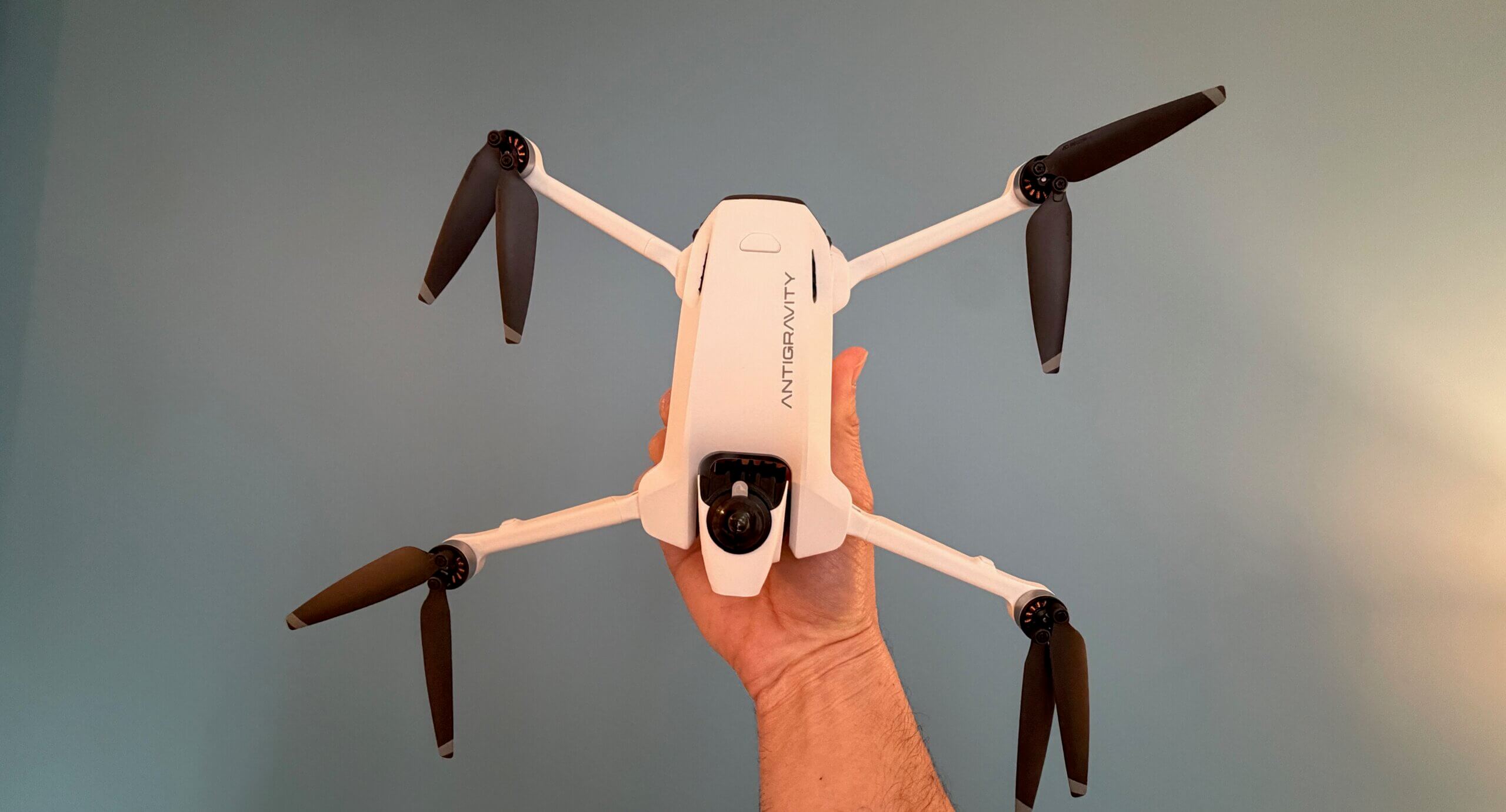
The A1’s chassis is constructed from high-grade carbon-fiber-reinforced polymer (CFRP). Unlike the ABS plastic used in entry-level drones, CFRP offers an industry-leading strength-to-weight ratio. During testing, the drone demonstrated exceptional resilience against the minor impacts common in "cinewhoop" style flying. When folded, the A1 is roughly the dimensions of a standard smartphone, making it the first 360-degree camera platform that can be legitimately tucked into a jacket pocket.
The "Turtle" Advantage
A major pain point for drone pilots is the "walk of shame"—the trek required to retrieve a drone that has flipped over on takeoff or landing. The A1 includes an integrated "Turtle Mode," which allows the propellers to spin in reverse to flip the drone back onto its base. This feature, combined with its robust build, significantly lowers the barrier to entry for novice pilots who might otherwise fear the cost of a crash.
Official Responses and Industry Reception
The industry reception to the A1 has been mixed but largely positive, with professional photographers acknowledging the shift in utility. In an official statement following the product’s release, Antigravity’s lead engineer, Sarah Vance, noted: "We didn’t want to make a better drone; we wanted to make a better camera that happens to fly. The gimbal is a mechanical relic. By moving the stabilization to the digital domain, we give creators the freedom to focus on the narrative rather than the joystick."
However, traditionalists have raised concerns regarding "sensor fatigue" and the inherent limitations of cropping 8K footage. Because the 8K resolution is spread across the entire sphere, the final "flat" video represents a crop of that total data. Critics argue that for large-format cinema screens, a traditional single-lens drone still holds the edge in raw pixel density.
Implications for the Future of Content Creation
The rise of the Antigravity A1 signals several key shifts in the digital media landscape:
1. The Democratization of Professional Cinematography
Previously, "professional" drone shots required two people: a pilot to fly and a camera operator to pan/tilt. The A1, combined with AI-driven "Auto-Frame" software, allows a single solo traveler to produce cinematic tracking shots that would have required a professional crew five years ago.
2. The VR/AR Integration
Because the footage is natively 360-degree, it is inherently ready for VR headsets. This opens up new avenues for travel creators who want to offer their audience more than a flat video—they can now offer an immersive, interactive environment where the viewer chooses what to look at.
3. Regulatory Shifts
The success of the A1 highlights the growing tension between drone manufacturers and aviation authorities. By meticulously adhering to the 249g threshold, Antigravity has forced a conversation about what constitutes a "commercial drone." As more manufacturers adopt this strategy, regulators may eventually be forced to update their frameworks to focus on performance capabilities rather than raw weight.
Conclusion: A Tool for the Modern Explorer
The Antigravity A1 is, without question, the most exciting development in the drone space in recent years. While it may not replace the heavy-lift drones used for feature films, it is an essential tool for the modern creator. It offers a degree of creative liberation that effectively removes the technical "wall" between the pilot and the shot.
For those travelers, vloggers, and filmmakers who are tired of the repetitive, static nature of traditional drone footage, the A1 is a game-changer. It represents the point where technology finally gets out of the way, leaving only the story to be told. Whether you are chasing sunsets in the Andes or documenting the urban sprawl of Tokyo, the A1 allows you to capture the world not just as a narrow slice of reality, but as a full, immersive experience.
Essential Travel Logistics for the Modern Creator
- Transporting your A1: Always carry your drone in your carry-on luggage. Lithium-ion batteries are strictly prohibited in checked baggage.
- Insurance: Given the high-tech nature of the A1, ensure your travel insurance policy covers "tech and electronics" against theft or accidental damage.
- Connectivity: The 80MB/s wireless transfer speed is fast, but for heavy 8K projects, always pack a high-speed SSD to offload your footage during downtime.
The future of aerial cinematography isn’t just about flying—it’s about capturing the entire sphere of your journey. With the Antigravity A1, that future has officially arrived.