NASHVILLE, TN — As home cooks nationwide continue to seek comforting, high-quality meals that do not strain their household budgets, culinary developers are stepping up to bridge the gap between gourmet dining and affordability. In its latest culinary release, the Nashville Test Kitchen has introduced a new seasonal classic: a Sage Brown Butter Butternut Squash Lasagna.
Developed by culinary school graduate and hospitality veteran Jennie Alley, this vegetarian masterpiece redefines the traditional Italian-American comfort food. By swapping out expensive meats and premium cheeses for a velvet-textured butternut squash puree, earthy vegetables, and a classic French mother sauce, the recipe delivers a high-end dining experience for just $1.88 per serving.
Below is an in-depth journalistic analysis of this new recipe, detailing its structural components, culinary preparation timeline, financial and nutritional data, developer insights, and broader implications for modern home cooking.
1. Main Facts: The Anatomy of an Affordable Masterpiece
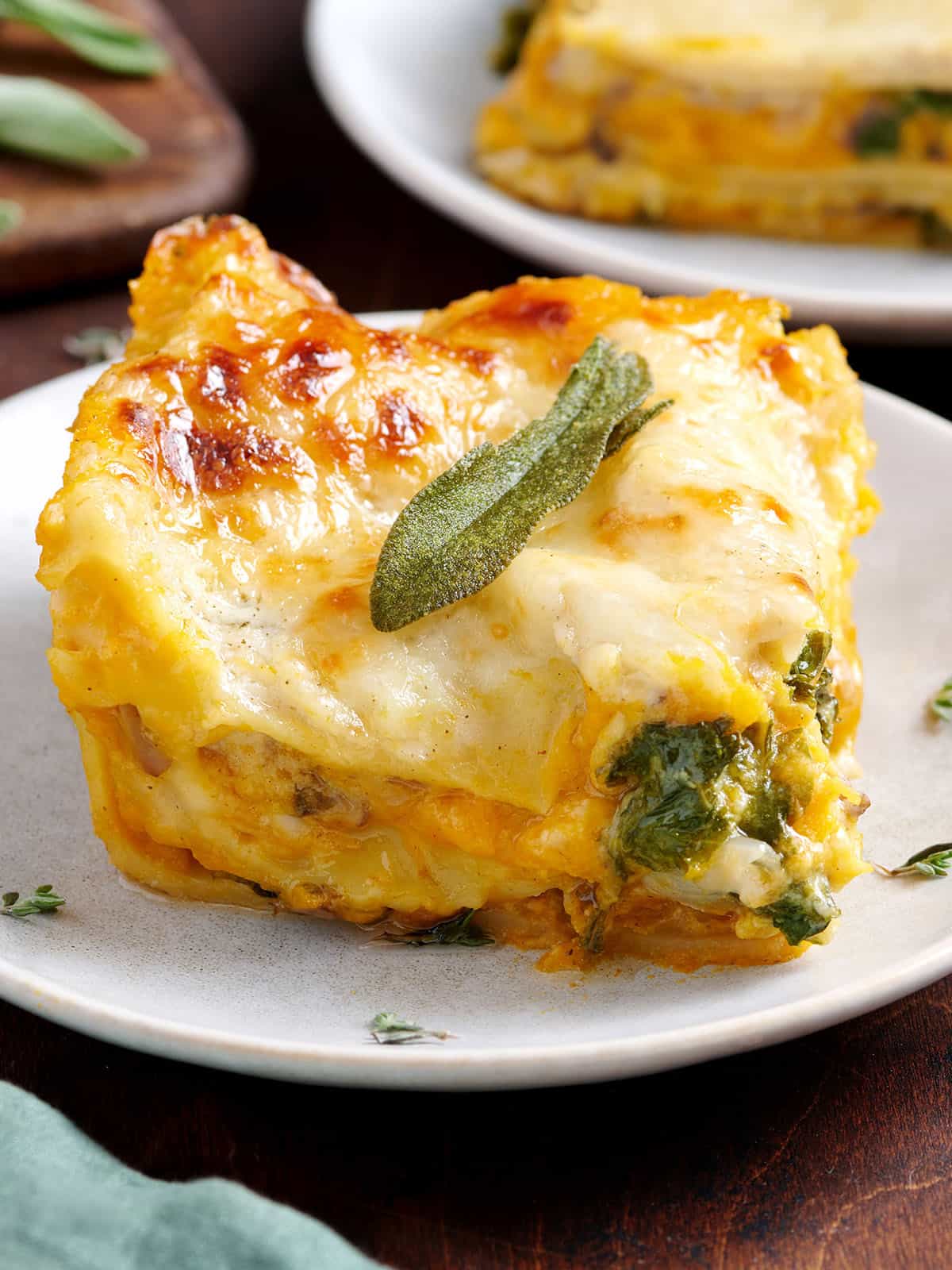
At its core, the Sage Brown Butter Butternut Squash Lasagna is an exercise in culinary efficiency and flavor balancing. Rather than relying on heavy meats or expensive pre-packaged sauces, the dish builds complex flavor profiles through foundational cooking techniques.
+-------------------------------------------------------------------+
|                    THE FIVE-LAYER FLAVOR PROFILE                  |
+-------------------------------------------------------------------+
| Top Layer    : Golden Mozzarella & Crispy Fried Sage Leaves       |
| Sauce Layer  : Silky Sage Brown Butter Béchamel                   |
| Veggie Layer : Sautéed White Mushrooms & Wilted Curly Kale        |
| Puree Layer  : Roasted Butternut Squash & Creamy Cottage Cheese   |
| Base Layer   : No-Boil, Oven-Ready Lasagna Noodles                |
+-------------------------------------------------------------------+
Key Structural Elements
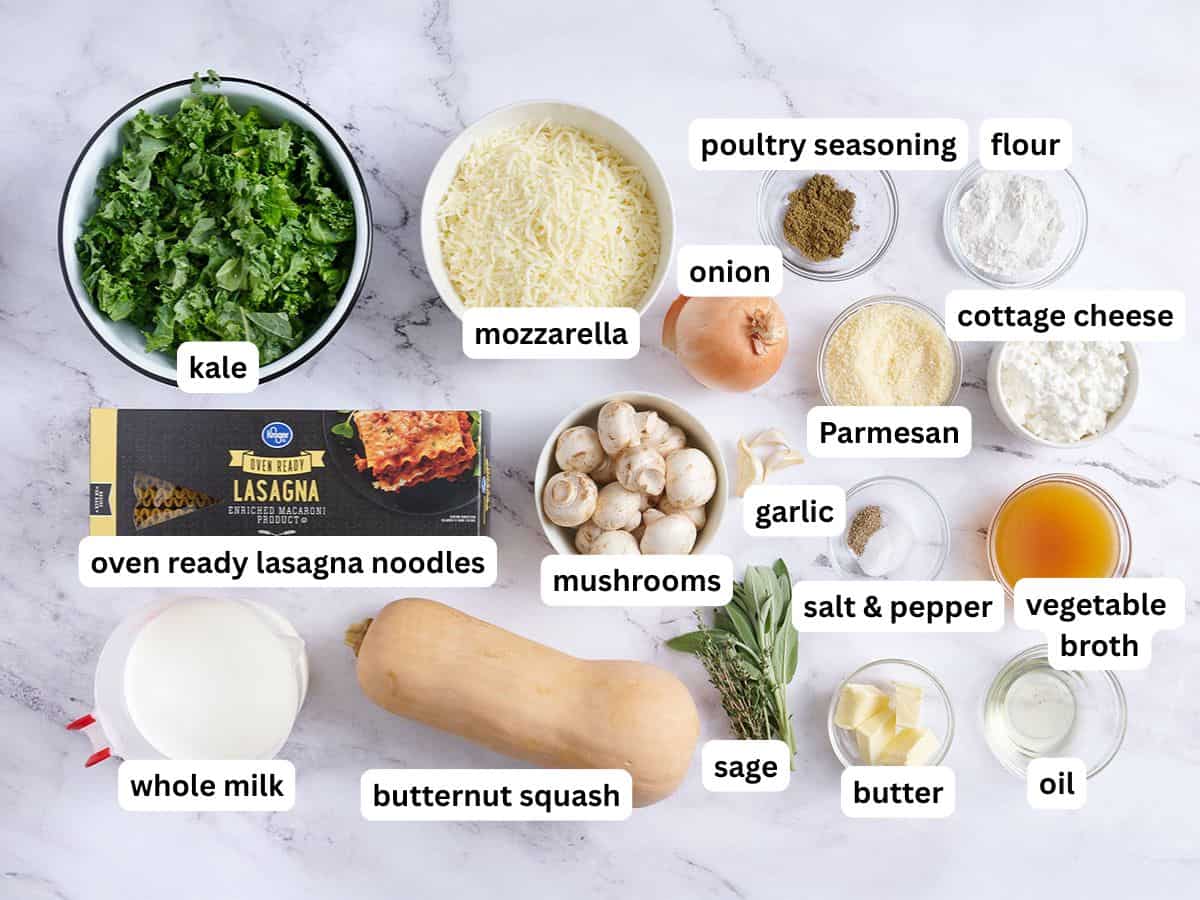
The Squash Base: A whole roasted butternut squash, blended into a rich sauce with cottage cheese and vegetable broth. This replaces the traditional heavy ricotta mixture with a lighter, high-protein alternative.
The Earthy Filling: A sautéed mixture of finely diced onions, minced garlic, white button mushrooms, and fresh kale, providing a savory, texturally satisfying contrast to the sweet squash.
The Béchamel: A luxurious, nut-brown butter roux infused with fresh sage leaves, whisked with whole milk and finished with grated Parmesan cheese.
The Assembly: Layered systematically with oven-ready lasagna noodles and shredded mozzarella, then baked to a bubbling, golden-brown finish.
2. Chronology: Step-by-Step Culinary Preparation
Executing this multi-layered dish requires a structured approach. The Nashville Test Kitchen recommends a step-by-step chronology to optimize kitchen prep time and ensure each element is executed perfectly.
Phase I: Roasting and Caramelizing the Squash
Oven Calibration: Preheat the oven to 400°F (200°C).
Squash Preparation: Take one medium butternut squash (approximately 2.5 to 3 lbs). Cut it in half lengthwise and scoop out the seeds.
Seasoning: Brush the exposed flesh with 1 tablespoon of high-smoke-point cooking oil. Season evenly with 1/2 teaspoon of salt, 1/4 teaspoon of black pepper, and 1 teaspoon of poultry seasoning (a dried herb blend featuring sage, thyme, and rosemary).
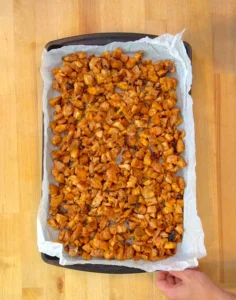
The Bake: Place the halves cut-side down on a baking sheet. Roast for 40 to 50 minutes. The squash is ready when a paring knife slides effortlessly into the thickest part of the neck. Set aside to cool.
Phase II: Sautéing the Mushroom and Kale Filling
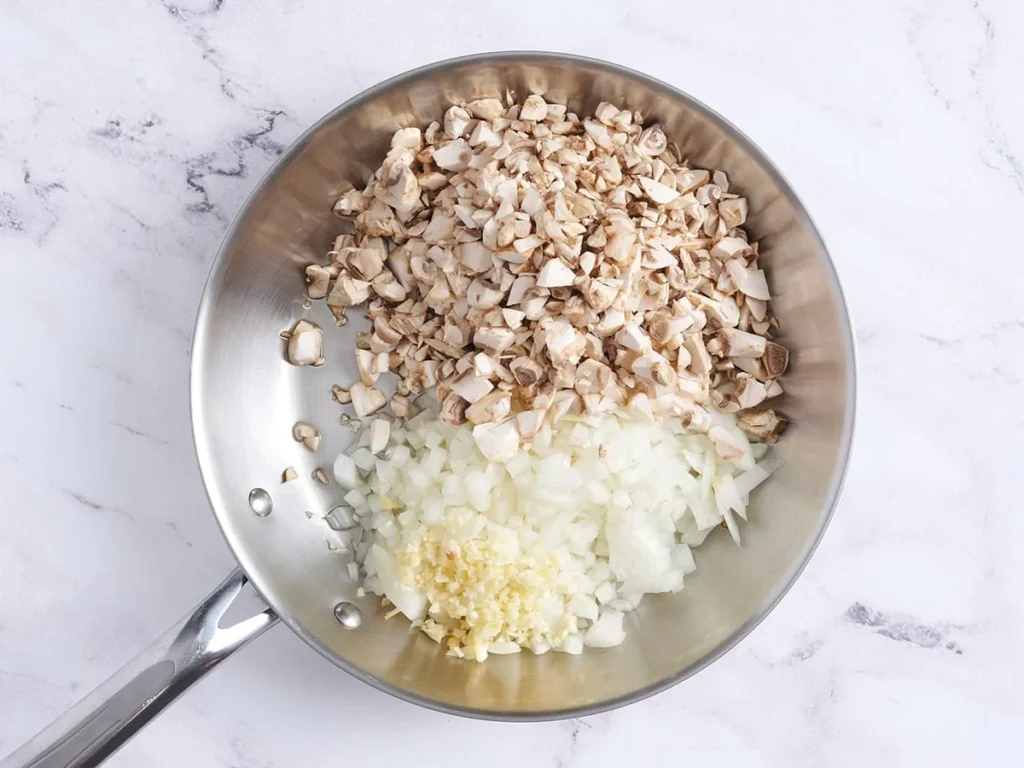
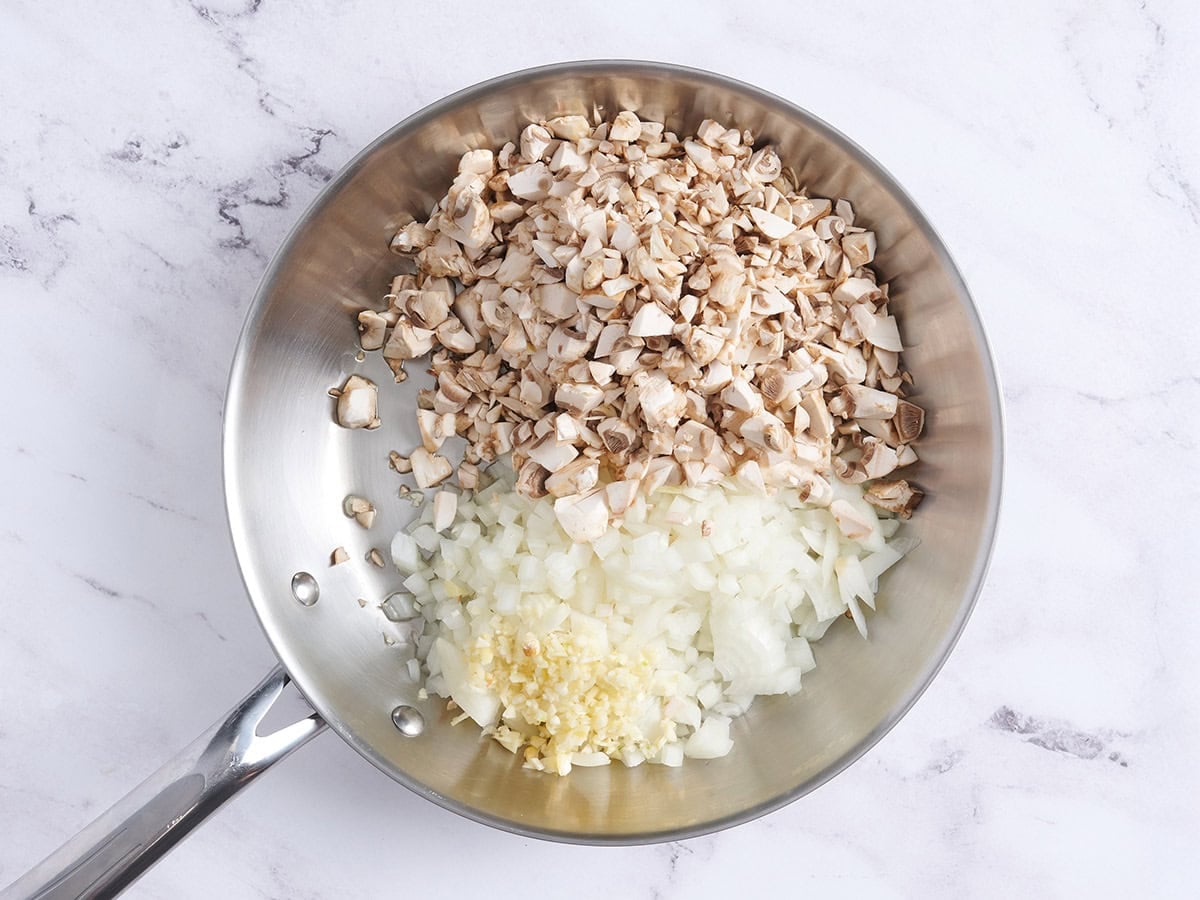
The Aromatics: While the squash roasts, heat 1 tablespoon of cooking oil in a large skillet over medium heat. Add 1 cup of finely diced yellow onion and 3 minced garlic cloves.
The Umami Component: Add 8 ounces of finely chopped white mushrooms. Sauté for 8 to 10 minutes. The mushrooms will initially release their moisture; continue cooking until this liquid completely evaporates and the mushrooms begin to develop a golden-brown sear.
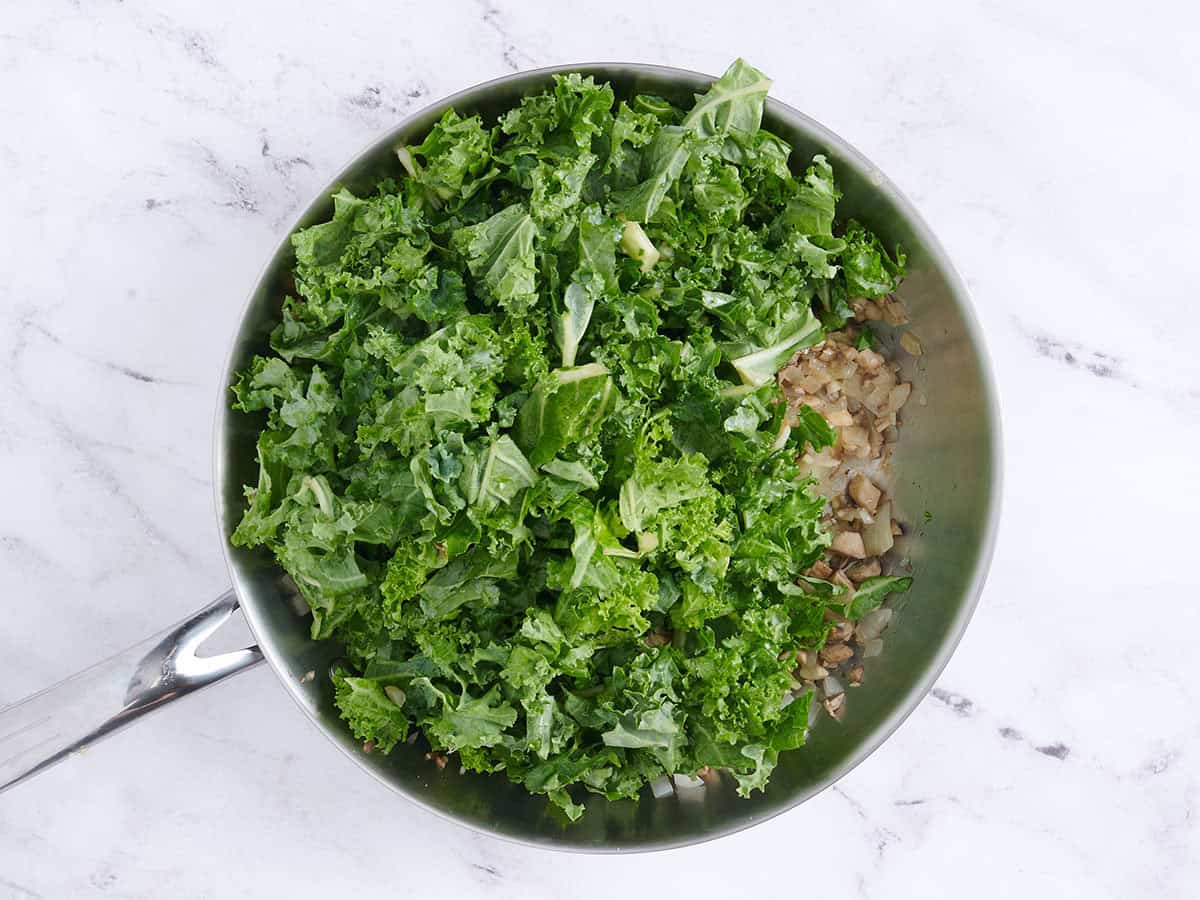
Wilting the Greens: Stir in 4 cups of chopped fresh curly kale, along with the remaining 1/2 teaspoon of salt and 1/4 teaspoon of black pepper. Cook for an additional 3 to 5 minutes until the kale is completely wilted and tender. Remove the skillet from the heat source and set aside.
Phase III: Emulsifying the Squash Puree
Extraction: Once the roasted squash is cool enough to handle, use a large spoon to scoop the tender flesh away from the skin. Discard the skin.
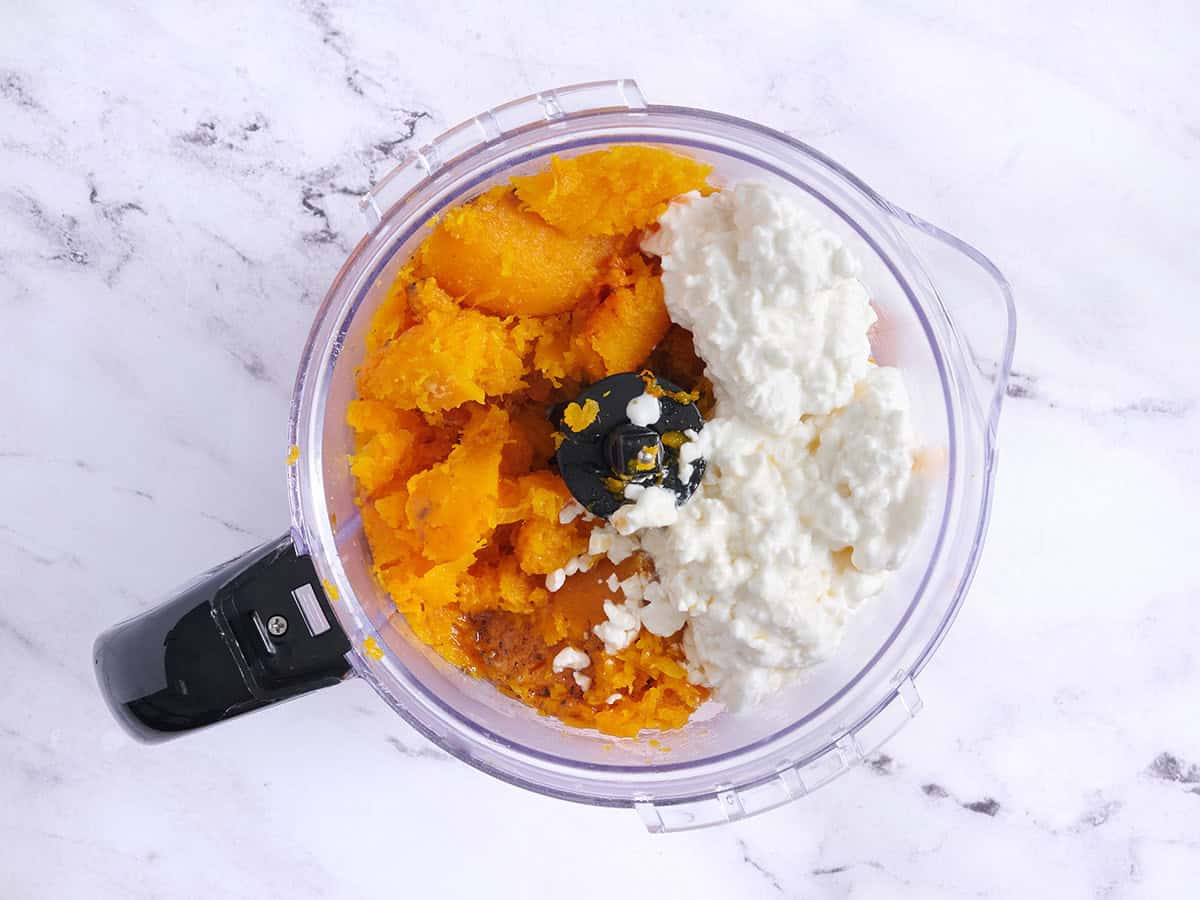
Blending: Transfer the warm squash flesh to a food processor or high-speed blender.
Emulsification: Add 1 cup of cottage cheese and 1/2 cup of high-quality vegetable broth. Blend on high until a completely smooth, velvety, and spreadable puree is achieved.
Phase IV: Crafting the Sage Brown Butter Béchamel
Browning the Butter: Melt 4 tablespoons of unsalted butter in a medium saucepan over medium heat. Drop in 10 whole, fresh sage leaves. Swirl the pan continuously. Watch as the butter foams and the milk solids begin to toast, turning a rich amber color and releasing a distinct, nutty aroma.
Harvesting the Sage: Immediately remove the pan from the heat to prevent burning. Use tongs to transfer the now-crisped sage leaves to a paper towel. Save these for the final garnish.
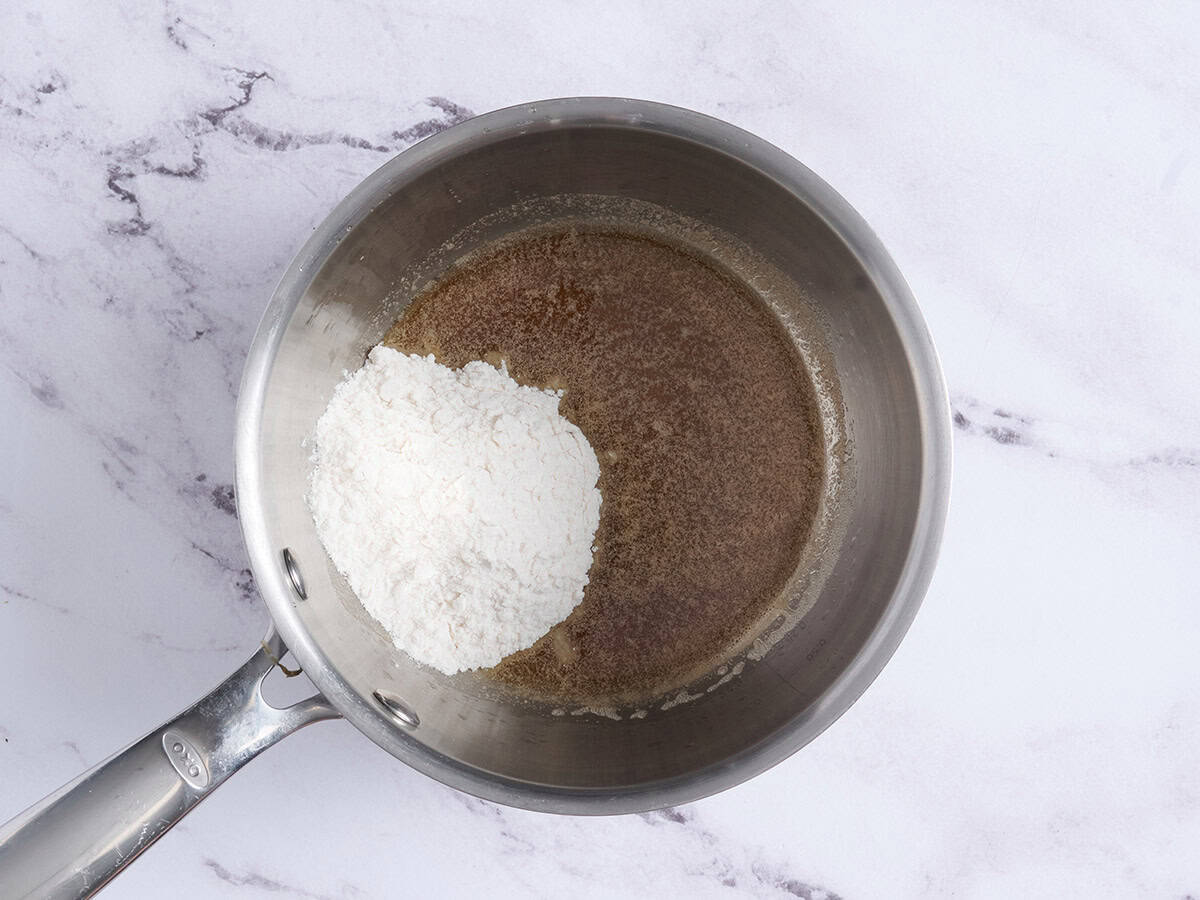
The Roux: Return the saucepan to medium heat. Whisk in 1/4 cup of all-purpose flour. Cook for 60 seconds, whisking constantly to eliminate the raw flour taste.
The Liaison: Gradually stream in 3 cups of whole milk, whisking vigorously to prevent clumping. Bring the mixture to a gentle simmer. Cook for 5 to 6 minutes, stirring frequently, until the sauce thickens to a pourable gravy consistency.
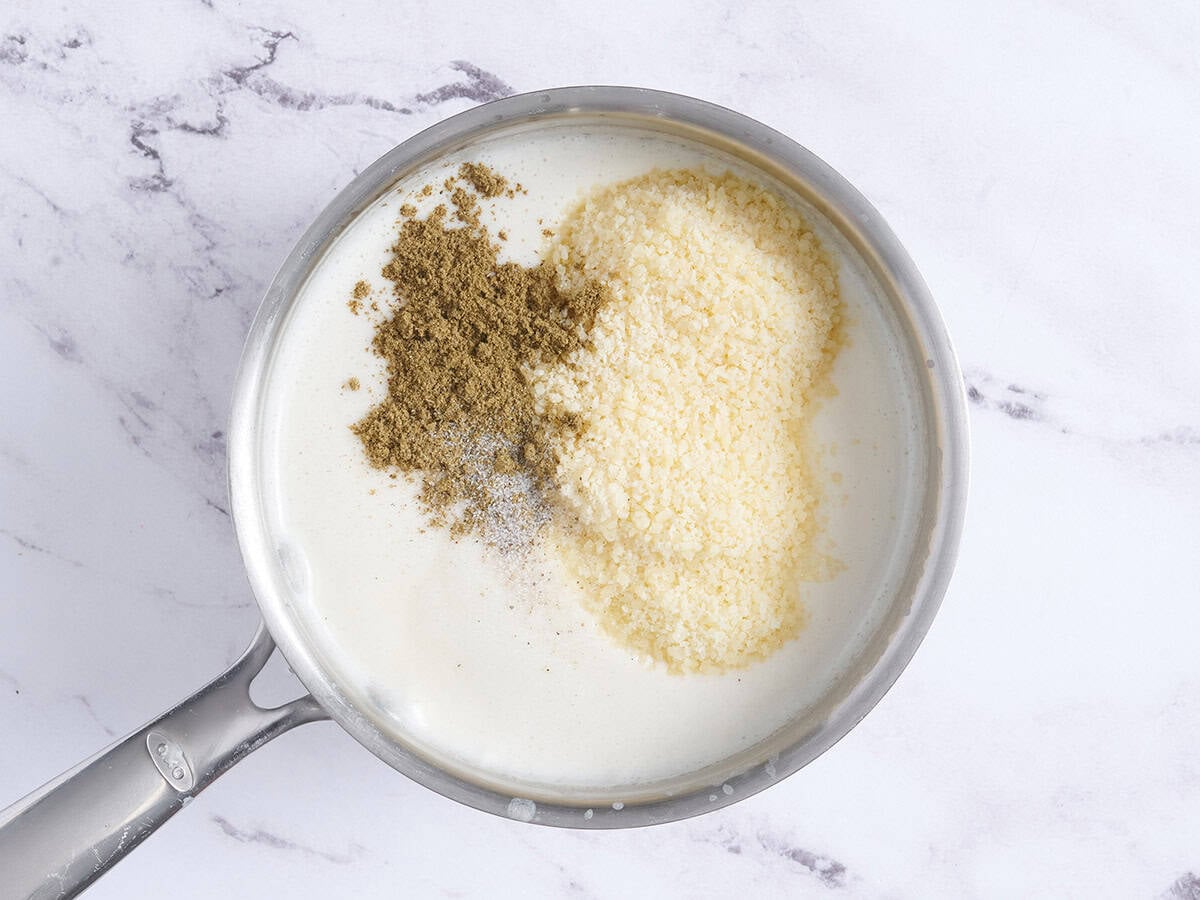
The Finish: Stir in 1/2 cup of grated Parmesan cheese and 1 teaspoon of poultry seasoning. Once the cheese melts, remove the béchamel from the heat.
Phase V: Assembly and Final Bake
Oven Adjustment: Reduce the oven temperature to 375°F (190°C). Lightly grease a 9×13-inch baking dish.
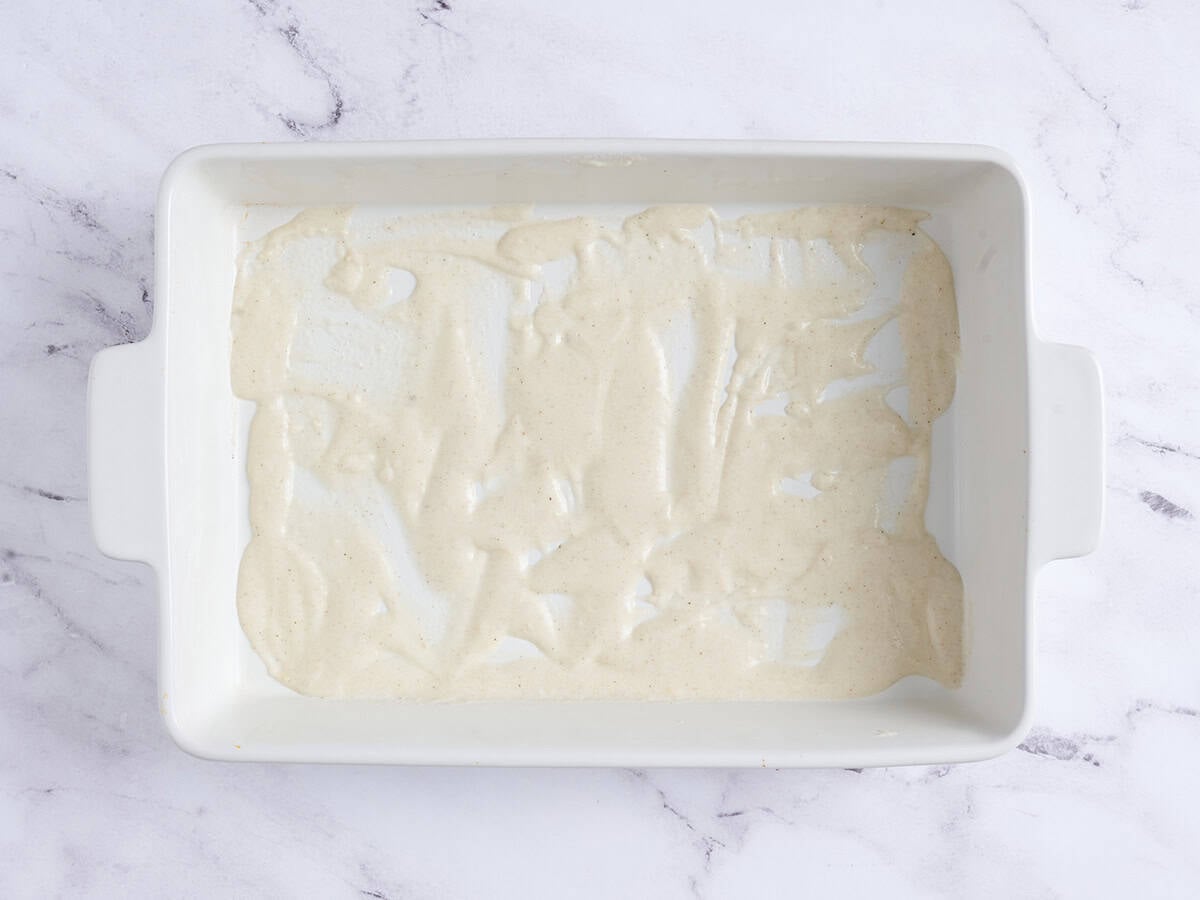
First Layer: Spread a thin layer of the warm sage béchamel across the bottom of the dish to prevent the noodles from sticking.
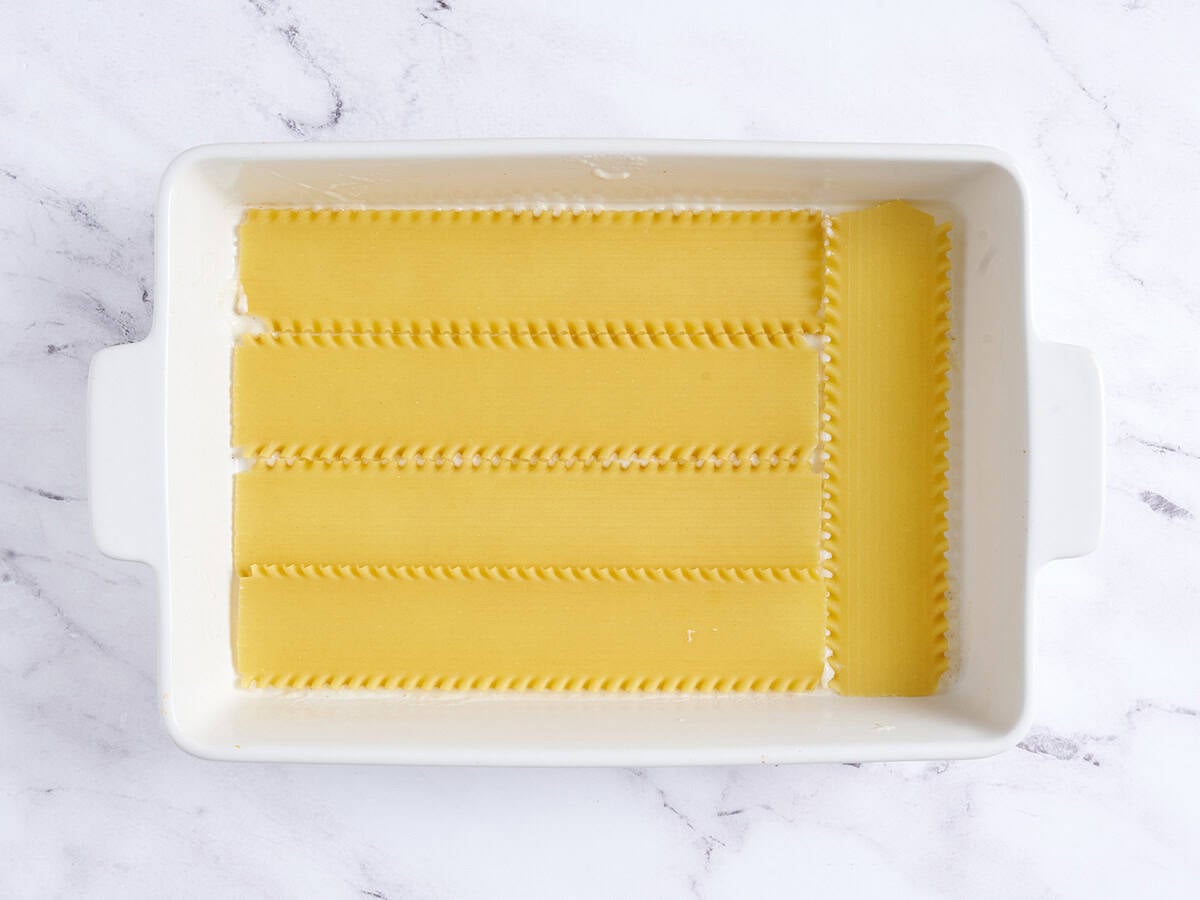
Noodle Placement: Lay down a single layer of oven-ready lasagna noodles.
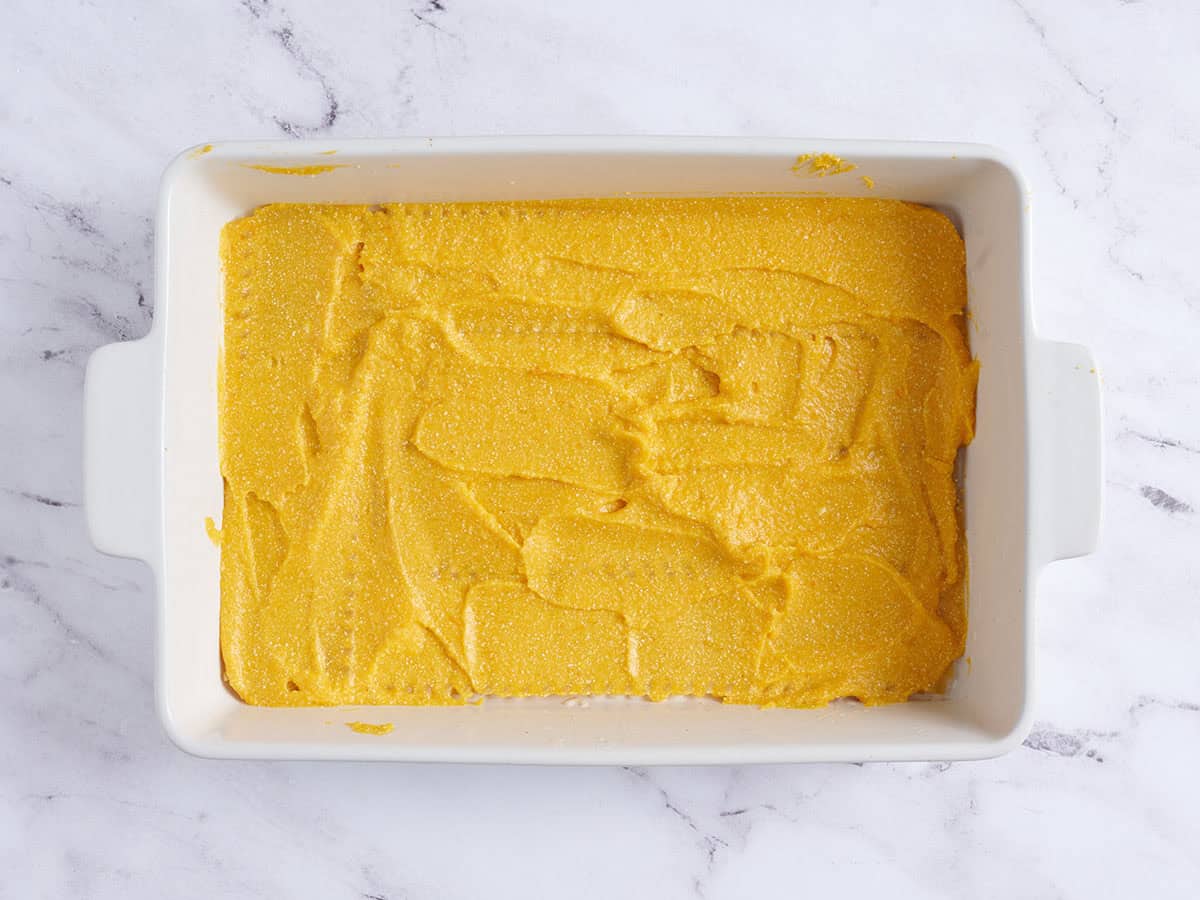
Building the Layers: Spread half of the sweet butternut squash puree over the noodles, ensuring complete coverage. Top with half of the mushroom-kale filling, drizzle with a portion of the béchamel, and sprinkle with a layer of shredded mozzarella cheese.
Repeat: Repeat the process: noodles, squash puree, mushroom-kale filling, béchamel, and mozzarella.
The Crown: Place a final layer of noodles on top. Pour the remaining béchamel over the top, spreading it carefully to the very edges of the dish to seal in moisture. Top with the remaining mozzarella.
The Bake: Cover the dish tightly with aluminum foil. Bake at 375°F for 30 minutes. Remove the foil and bake uncovered for an additional 10 to 15 minutes, until the cheese is bubbling and deeply golden.
The Rest: Allow the lasagna to rest on a wire rack for 10 minutes before slicing. Garnish with the reserved crispy sage leaves and serve.
3. Supporting Data: Financials, Nutrition, and Kitchen Notes
To prove the viability of this dish as both an economic and nutritional triumph, the Nashville Test Kitchen has provided comprehensive data regarding its cost structure and nutritional makeup.
Financial Breakdown
The recipe yields 9 generous portions with a total assembly cost of $16.95, translating to an incredibly low cost of $1.88 per serving.
Each serving (1 slice, representing 1/9th of the recipe) provides a balanced ratio of macronutrients, making it a highly satisfying vegetarian main course.
Nutrient
Amount Per Serving
Daily Value (% DV)
Calories
458 kcal
23%
Carbohydrates
38 g
13%
Protein
23 g
46%
Fat
25 g
38%
Sodium
875 mg
38%
Dietary Fiber
4 g
17%
Professional Prep Notes & Substitutions
The Béchamel Consistency: Béchamel thickens rapidly as it cools. If the sauce becomes too thick during assembly, culinary developers advise whisking in a tablespoon of warm milk to restore its pourable texture.
Noodle Selection: This recipe is optimized for oven-ready (no-boil) lasagna noodles. If using traditional lasagna noodles, they must be par-boiled according to package directions before assembly.
Greens Substitution: Frozen kale can easily replace fresh kale. Home cooks should use 2 cups of frozen kale, thaw it completely, and squeeze out all excess water using a clean kitchen towel before adding it to the sauté pan.
4. Official Responses: Insights from the Developer
Jennie Alley, culinary graduate and Lead Recipe Developer at Budget Bytes, shared the creative process behind the dish’s development in Nashville.
"Our goal in the Nashville Test Kitchen has always been to democratize gourmet flavors," Alley stated. "With this butternut squash lasagna, we wanted to prove that you don’t need expensive proteins like veal or imported prosciutto to create a show-stopping comfort food. By mastering basic French and Italian techniques, like browning butter and roasting vegetables to maximize their natural sugars, anyone can create an incredibly luxurious meal on a budget."
Alley also highlighted the strategic ingredient selection, particularly the use of cottage cheese in the puree:
"Traditionally, vegetarian lasagnas rely heavily on ricotta, which can sometimes become grainy or watery when baked, not to mention its rising cost at the supermarket. By blending roasted butternut squash with standard cottage cheese, we achieve an incredibly silky, velvety texture that mimics a high-end cream sauce while boosting the protein content to 23 grams per serving. It’s a culinary win-win."
5. Implications: The Evolving Landscape of Home Cooking
The debut of this recipe comes at a pivotal moment for consumer economics and food culture. It highlights several growing trends in how Americans approach home-cooked meals.
                    CULINARY & ECONOMIC SHIFTS
                               │
         ┌─────────────────────┼─────────────────────┐
         ▼                     ▼                     ▼
  Budget-Friendly       Plant-Forward          Democratizing
  "Affordable Luxury"   Comfort Foods         French Technique
  Maximizing flavor     Satisfying texture    Simplifying classic
  without high cost.    without meat.         sauces for home cooks.
The Rise of "Affordable Luxury"
As grocery inflation remains a top concern for families, there is a distinct shift toward "affordable luxury." Consumers are less willing to dine out at high-end Italian bistros, choosing instead to recreate restaurant-quality dishes at home. This recipe leverages complex flavor elements—such as brown butter and fried sage—to elevate simple, cheap staples like flour, milk, and squash into something elegant.
Plant-Forward Comfort
The high protein content (23g) of this dish challenges the notion that vegetarian meals are less filling. By combining dairy proteins (cottage cheese, mozzarella, Parmesan) with fiber-rich winter squash and dark leafy greens, the recipe provides long-lasting satiety without the heavy, sleep-inducing density often associated with traditional meat-and-cheese lasagnas.
Democratizing Classical French Technique
For many home cooks, terms like roux, béchamel, and beurre noisette (brown butter) can be intimidating. By breaking these steps down into accessible, visual instructions, the recipe serves an educational purpose. It demystifies classical culinary school techniques, giving home cooks the confidence to apply these fundamental skills to other everyday dishes.