Strengthening Infant Nutrition Safety: EU Proposes Strict New Limits on Cereulide Toxin
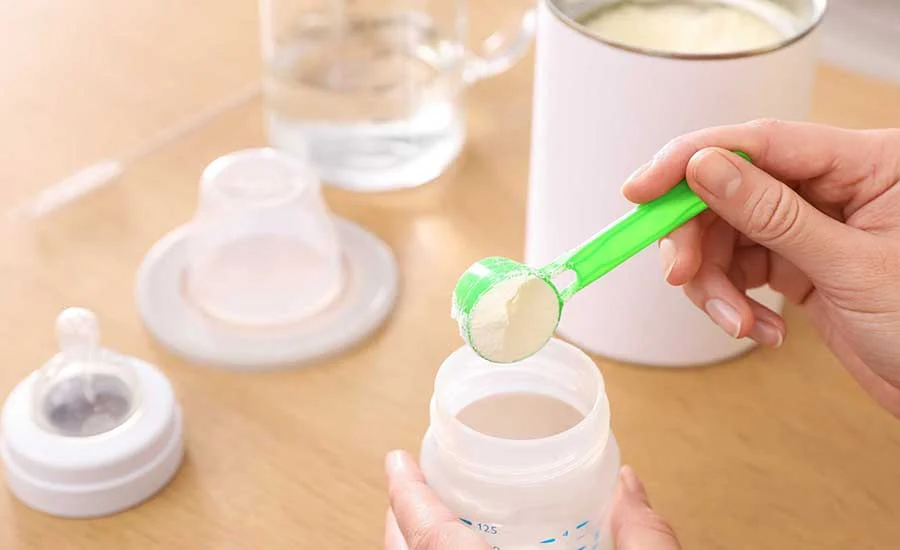
In a decisive move to bolster the safety of the global food supply chain, the European Commission has unveiled a draft regulation aimed at establishing stringent microbiological limits for cereulide—a potent and heat-stable toxin produced by the bacterium Bacillus cereus. This regulatory initiative comes as a direct response to a massive, multi-national contamination event in early 2026 that triggered widespread recalls and raised significant alarms regarding the safety of infant nutrition products.
The proposed amendment to Regulation (EC) No. 2073/2005 seeks to mandate a Maximum Limit (ML) of 1 microgram per kilogram (µg/kg) of cereulide in dried infant formulas, follow-on formulas, and specialized medical infant foods. For liquid products, the regulation stipulates that manufacturers must utilize a precise reconstitution factor to ensure that the final concentration remains compliant with the equivalent safety standard of 0.1 µg/kg in dry form.
The European Commission is currently soliciting public feedback on this draft, with the window for comments remaining open until September 29, 2026. This regulatory shift represents a critical evolution in how the European Union manages the risks posed by naturally occurring toxins that survive traditional processing techniques.
The Nature of the Threat: Understanding Bacillus cereus and Cereulide
Bacillus cereus is a ubiquitous, spore-forming bacterium found in soil, water, and raw agricultural products. While many strains are harmless, some produce toxins that can cause severe foodborne illness. Cereulide, specifically, is a cyclic peptide toxin that acts as a mitochondrial toxin, capable of causing nausea, vomiting, and, in severe cases, acute liver failure or systemic complications in infants.
The primary challenge for food safety authorities lies in the physical properties of the toxin. Unlike the bacteria itself, which can be killed by standard pasteurization, cereulide is exceptionally heat-stable. It can withstand the high-temperature, high-pressure environments common in industrial food manufacturing. Consequently, even if a manufacturer successfully eliminates the B. cereus cells through processing, the toxin—if produced by the bacteria prior to processing—remains behind, effectively "locking in" the danger.
Chronology of the 2026 Global Crisis
The urgency behind the new regulation is rooted in a cascading food safety crisis that unfolded between January and February 2026. The timeline of events serves as a stark reminder of the interconnected nature of the global food supply chain:
- January 2026: Initial reports of illness emerged in several countries, with clinical symptoms—primarily vomiting and gastrointestinal distress—linked to infant formula consumption.
- Late January 2026: Health surveillance systems identified a common denominator among the affected infants: the consumption of specific powdered infant formula brands.
- February 2026: The World Health Organization (WHO) confirmed a massive, global recall affecting 99 countries. Major industry players, including Nestlé, Danone, and Lactalis Nutrition Santé, were forced to pull products from shelves.
- March 2026: Investigations by international food safety agencies traced the contamination to a common source: arachidonic acid (AHA) oil imported from a Chinese supplier. The oil, used as a nutritional additive in infant formula, had been tainted with cereulide.
- April–May 2026: The European Commission began the formal process of reviewing import controls, while the European Food Safety Authority (EFSA) accelerated its research into safety thresholds for cereulide in infants.
By the end of the initial wave of the crisis, the WHO reported at least 144 suspected and confirmed cases of illness across ten countries, highlighting the vulnerability of infants—a demographic that relies exclusively on these products for sustenance.
Supporting Data and the EFSA Risk Assessment
The European Food Safety Authority (EFSA) played a pivotal role in informing the new legislative framework. Following the 2026 incident, EFSA conducted an exhaustive toxicological review to determine how much cereulide an infant can safely consume.
Their findings led to the establishment of an Acute Reference Dose (ARfD), which serves as the scientific foundation for the proposed 1 µg/kg limit. Data indicated that infants are uniquely sensitive to mitochondrial toxins due to their high metabolic rates and limited detoxification capacities. The 0.1 µg/kg limit in reconstituted liquid formula was calculated to ensure that even at the highest levels of daily consumption, an infant would remain well below the threshold for acute health risks.
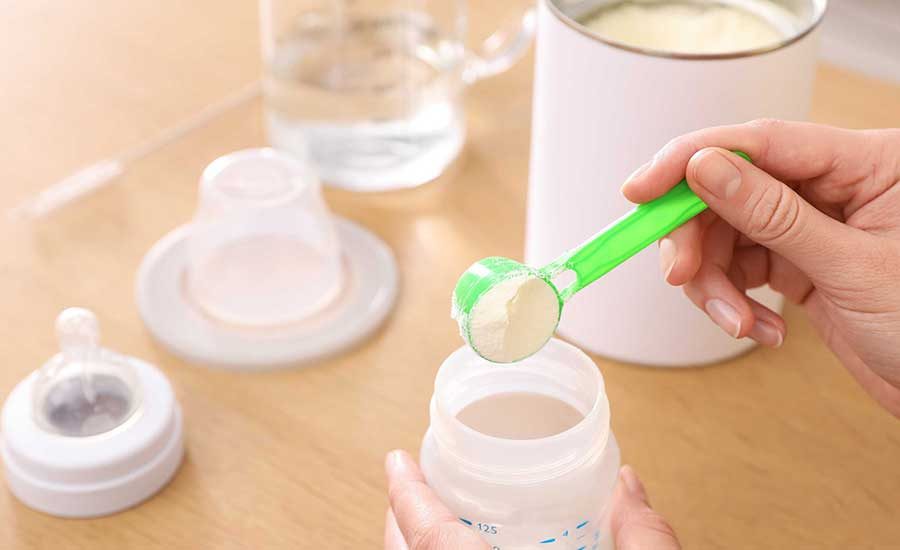
Furthermore, the incident highlighted a critical gap in international supply chain auditing. The contamination of the AHA oil demonstrated that a single raw material supplier, if unchecked, could compromise products across multiple high-profile brands. This finding has prompted a move toward more rigorous, mandatory batch testing for toxins in lipid-based additives used in infant nutrition.
Official Responses and Regulatory Implications
The proposed regulation is being met with a mix of support and logistical concern from the industry. Public health advocates have lauded the move, noting that voluntary industry standards were insufficient to prevent the 2026 catastrophe.
The European Commission’s Stance
The Commission has emphasized that infant safety is non-negotiable. By integrating these limits into Regulation (EC) No. 2073/2005, the EU is moving the requirement from a "guideline" to a "legal mandate." This shift allows for more aggressive enforcement, including the ability to seize products and impose heavy penalties on manufacturers who fail to verify the safety of their ingredients.
Industry Compliance Challenges
For manufacturers, the new rule necessitates a significant investment in analytical chemistry. Detecting cereulide at the 1 µg/kg level requires high-performance liquid chromatography-mass spectrometry (HPLC-MS) or other sophisticated testing methodologies. Smaller firms may struggle with the cost of such rigorous testing, leading to concerns about market consolidation. However, the industry consensus is that the cost of compliance is far lower than the cost of a global recall and the associated loss of consumer trust.
Strengthening Import Controls
The Commission has already taken steps to increase surveillance on imports of AHA oil and similar nutritional additives from international markets. This includes mandatory "pre-clearance" documentation, which requires exporters to provide certificates of analysis proving the absence of cereulide before the raw materials enter the European customs territory.
The Path Forward: Implications for Food Safety Governance
The proposal to regulate cereulide is part of a broader shift in food safety governance. As the global food chain becomes more fragmented, the reliance on downstream testing is proving to be an inadequate defense against contamination. The current situation suggests three major implications for the future:
- Supply Chain Transparency: Manufacturers will be expected to implement "farm-to-bottle" traceability for every ingredient, regardless of how small the inclusion rate is. The 2026 incident proved that even a minor additive could serve as a vector for a deadly toxin.
- Harmonized Global Standards: The EU’s move is expected to put pressure on other regions—including the United States (FDA) and various Asian food safety agencies—to adopt similar limits. Global companies operate on global supply chains; therefore, a fragmented regulatory landscape creates loopholes that can be exploited by unscrupulous suppliers.
- Technological Innovation in Detection: The need for rapid, low-cost detection of cereulide will drive innovation in the diagnostic sector. We are likely to see a surge in demand for portable, rapid-testing kits that can be used at the point of receipt for raw ingredients, allowing companies to intercept contaminated batches before they enter the mixing facility.
Conclusion
The draft regulation currently under consideration by the European Commission is more than a technical adjustment to existing rules; it is a vital safety net for the most vulnerable members of society. The 2026 cereulide crisis serves as a sobering reminder of the potential consequences of failing to account for the stability and toxicity of bacterial byproducts in our food supply.
As the September 29, 2026, deadline for public comment approaches, stakeholders from the scientific community, the infant formula industry, and consumer advocacy groups have a unique opportunity to shape the final policy. By establishing clear, science-based limits for cereulide, the European Union is setting a global benchmark for safety, ensuring that the lessons learned from the recent crisis translate into long-term protection for infants worldwide.
The integration of these new microbiological criteria into the broader regulatory framework will likely become a template for future responses to emerging foodborne threats, signaling a move toward a more proactive and rigorous approach to public health in the food industry.