The Myth of Self-Sufficiency: Lessons from Seven Years on a Vermont Homestead
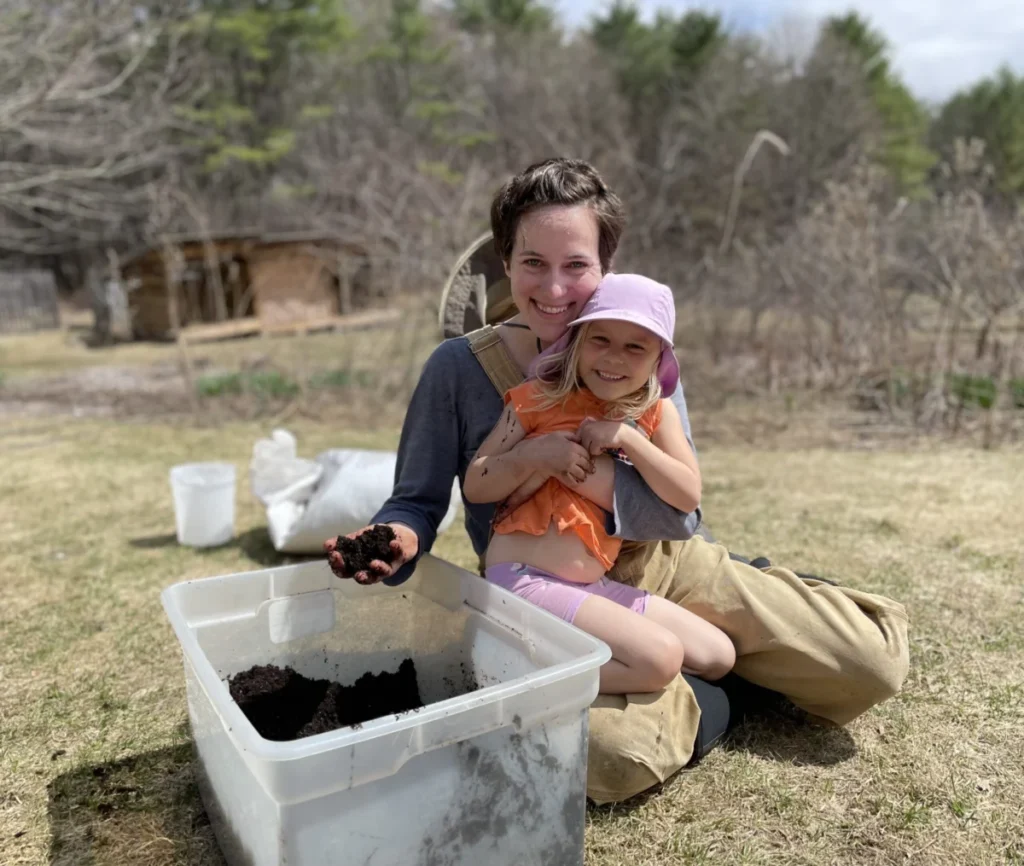
CENTRAL VERMONT – In the spring of 2016, Elizabeth and Nate, the creators of the influential personal finance platform Frugalwoods, executed a plan that many urban professionals only dream of: they traded the high-octane "rat race" of city life for a 66-acre homestead in the rugged woods of Vermont. Their mission was rooted in a desire for autonomy, sustainability, and a radical departure from consumerist culture.
However, seven years into this experiment, the narrative has shifted from an idyllic "Little House on the Prairie" fantasy to a grounded, pragmatic realization about the limits of human labor and the true cost of self-sufficiency. The primary casualty of this transition was a "gargantuan assumption" that defined their initial move: the belief that they would grow, raise, and preserve all of their own food.
Main Facts: The Conflict Between Idealism and Agrarian Reality
The Frugalwoods’ journey serves as a case study for the modern "back-to-the-land" movement. Upon arrival in Vermont, the couple envisioned a modern-day sustainable paradise. Their goals included not just a massive vegetable garden, but the potential for meat chickens, pigs, goats, and a dairy cow. The vision was one of total caloric independence, where the family would live off their larder through the harsh Vermont winters.
However, the reality of homesteading quickly revealed a logistical bottleneck. The couple discovered that true subsistence farming is not a hobby but an all-consuming, full-time occupation. For those who move to the country seeking "freedom" and "time," the irony is that a garden can become a taskmaster as demanding as any corporate executive.
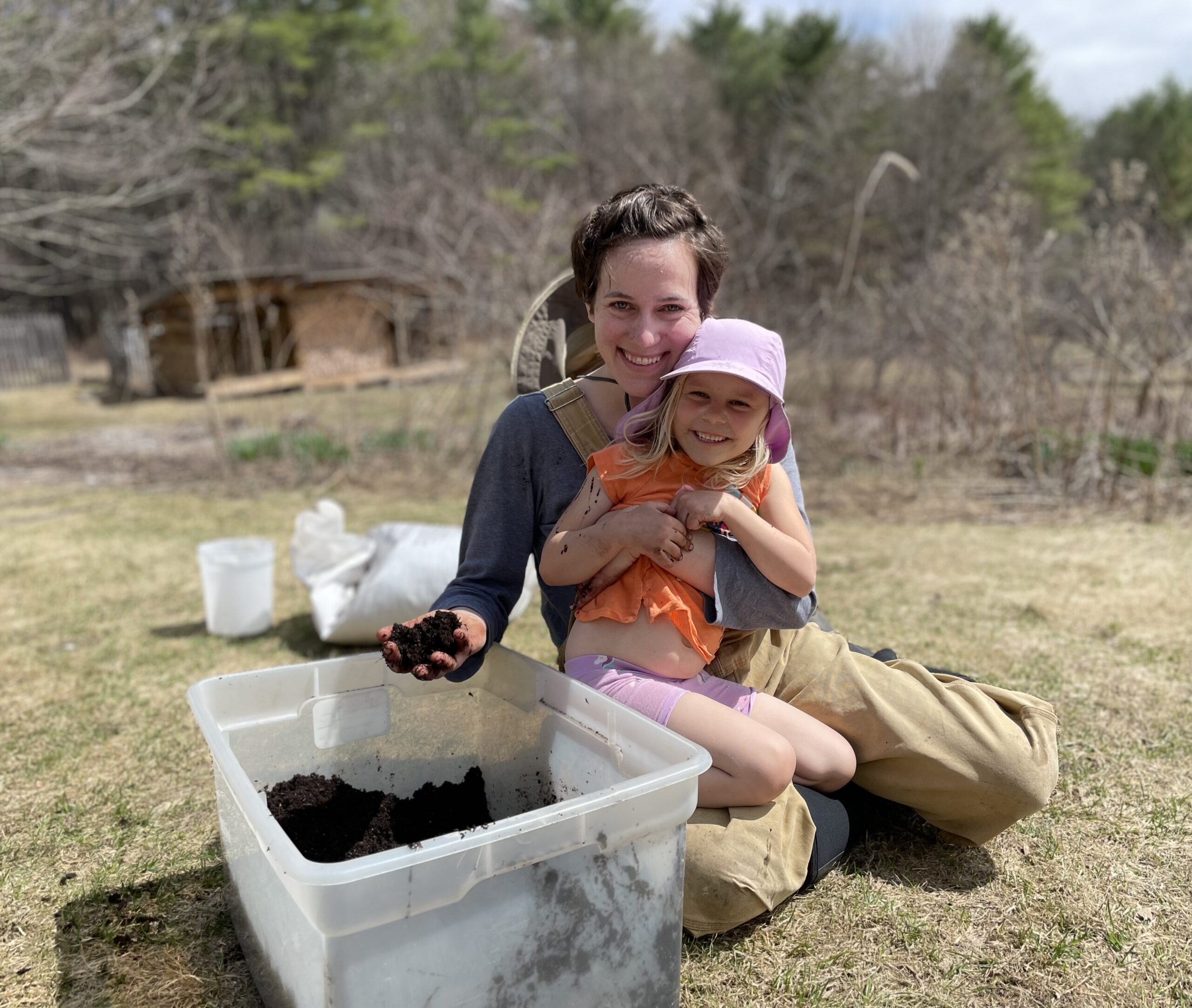
"I’ve learned that chaining myself to my vegetable garden is really no different than chaining myself to my desk and computer," Elizabeth noted in her seven-year retrospective. This realization has led to a significant shift in their lifestyle: moving away from the "perfect homesteader" archetype and toward a model of "strategic gardening" that prioritizes mental health and community integration over total self-reliance.
Chronology: From the Dream to the "Kale Apocalypse"
2014–2016: The Planning and Migration
Before the move, the couple spent years in a "pre-homesteading" phase, saving aggressively and cultivating the skills necessary for rural life. Their vision was heavily influenced by a romanticized view of agrarian history, though they aimed to strip away the "problematic gender roles" and lack of modern medicine that plagued 19th-century pioneers.

May 18, 2016: Arrival in Vermont
The family settled on their 66-acre property. The first few years were characterized by a staggering investment in infrastructure. They built fences, established perennial beds, and began the trial-and-error process of high-latitude gardening.
August 2018: The "Kale and Chard Apocalypse"
The turning point for the family’s food philosophy occurred two years into their residency. In an attempt to maximize their harvest, Nate started 80 kale and chard plants from seed. The crop was overwhelmingly successful, resulting in a volume of greens that required industrial-scale processing.

The family spent days harvesting, washing, and blanching. The scale was so vast that they were forced to use a children’s plastic wading pool as a rinsing station. Despite roping visiting relatives into the labor and spending dozens of hours in the kitchen, the effort ended in a demoralizing realization: they could not consume the food as fast as it was preserved. Much of the hard-won harvest eventually went to the compost pile, marking the end of their pursuit of total self-sufficiency.
2020–2022: The Infrastructure Pivot
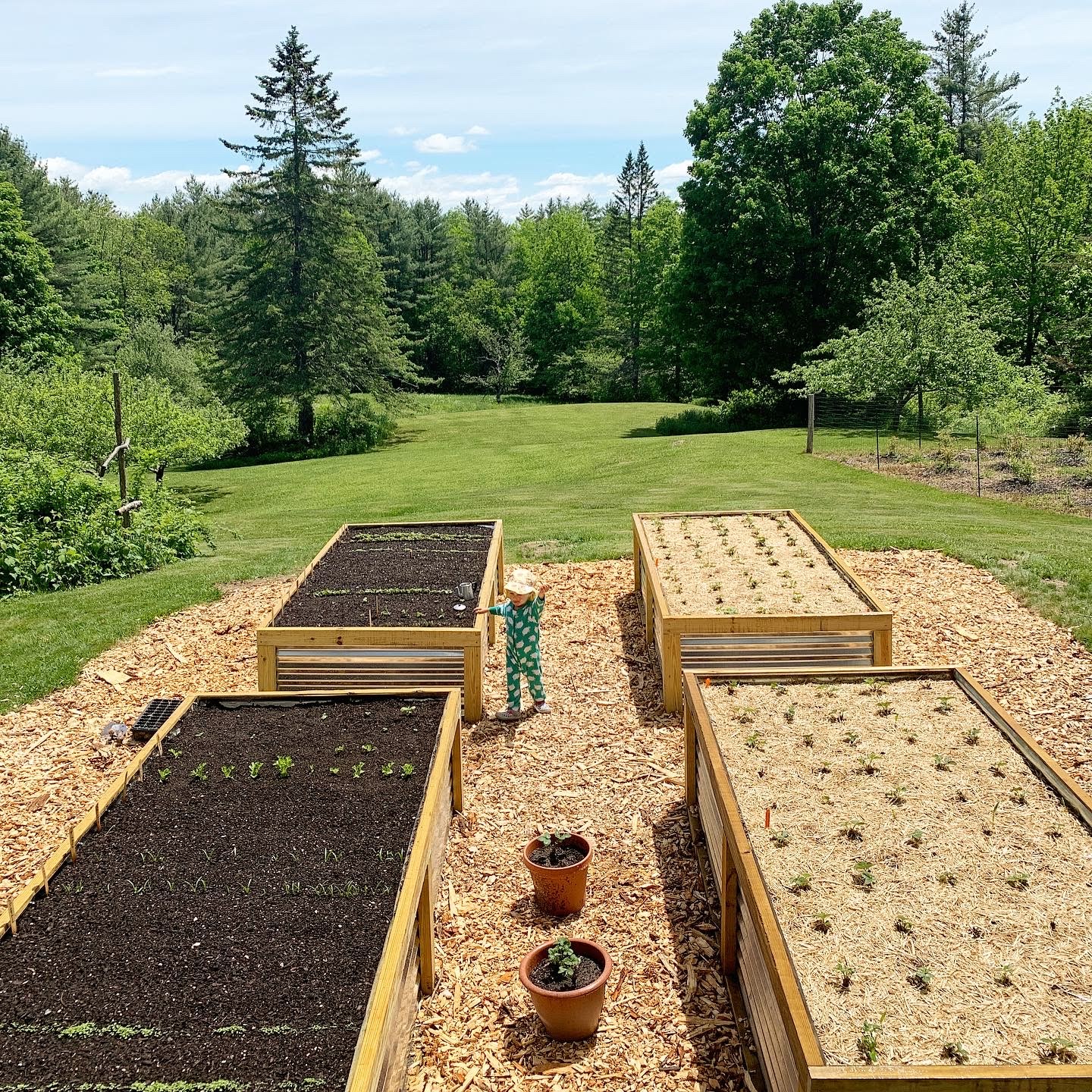
Recognizing that the "big garden" was a source of stress, Nate built four raised beds closer to the house in 2020. This allowed for "snip-as-you-go" gardening—focusing on high-value, low-maintenance crops like strawberries, herbs, and salad greens—while scaling back the more demanding annual rows.

2023: The Era of Acceptance
Marking their seventh anniversary in rural Vermont, the Frugalwoods have officially abandoned the guilt of not growing all their own food. Their current model involves a hybrid approach: growing what brings them joy and purchasing the rest from professional local farmers.
Supporting Data: The Logistical Challenges of Rural Food Production
The transition from "grow-it-all" to "strategic gardening" is supported by several logistical and biological factors that the Frugalwoods have documented:

1. The Perennial Timeline
While perennial crops like fruit trees and berry bushes are often touted as "set it and forget it" food sources, they require significant patience.
- Apple Trees: Approximately six years from planting to first harvest.
- Blueberry Bushes: Two to three years before producing an edible yield.
- Maintenance: Pruning, mulching, and disease management are required long before the first calorie is harvested.
2. The "CVP" Factor (Clever Varmint Patrol)
In a rural environment, humans are in constant competition with local wildlife. The Frugalwoods identified a persistent challenge they dubbed the "CVP." Despite fences and netting, wild turkeys, deer, and smaller rodents frequently decimate crops. In one instance, a flock of turkeys became trapped inside a fenced blueberry patch, highlighting the unpredictability of protecting a harvest without resorting to expensive, unsightly, or environmentally harmful deterrents.

3. The Harvesting Bottleneck
Unlike a grocery store, a homestead harvest does not happen incrementally. When a crop ripens—be it tomatoes, apples, or cucumbers—it happens all at once. This creates a "time-bound pressure" that demands the homesteader drop all other obligations to harvest and preserve the food before it rots or is consumed by pests.
4. The Hidden Costs of Preservation
Canning and freezing require significant energy, specialized equipment, and, most importantly, time. The process of turning a bushel of cucumbers into 100 quarts of pickles is a multi-day commitment that can easily overwhelm a family with young children or other professional responsibilities.

Perspectives on the Local Food Economy
While the Frugalwoods initially saw buying food as a failure of their homesteading mission, they have since reframed it as an essential component of a healthy rural economy.
The Agricultural Perspective: By shifting their focus away from total self-sufficiency, the family has become active patrons of their "farmer neighbors." Professional farmers, who possess the industrial equipment and specialized knowledge to grow food at scale, are more efficient than a "hobbyist" homesteader.

The Environmental Perspective: Supporting local CSAs (Community Supported Agriculture) and farm stands reduces the carbon footprint of food transport while ensuring that the local agricultural land remains productive and economically viable. The Frugalwoods now argue that it is more "frugal" to support a neighbor’s expert labor than to spend hundreds of hours on a crop that may fail or go to waste.
Implications: The Psychological Shift in Modern Homesteading
The Frugalwoods’ experience reflects a broader trend in the "slow living" movement: the rejection of performative perfection. The psychological implications of their journey are twofold.
The Trap of Performative Homesteading
In the age of Instagram and lifestyle blogging, there is immense pressure on rural migrants to project an image of effortless self-reliance. Elizabeth admits to feeling the weight of these societal expectations, noting that she initially felt like she was "letting down" her audience by not being a "perfect" homesteader. By publicly "debunking" her own aspirations, she highlights the danger of transplanting urban "hustle culture" onto a rural landscape.
Redefining Frugality and Freedom
The core mission of the Frugalwoods was to find "joy, time, freedom, and space." They eventually realized that total food self-sufficiency was antithetical to that goal. True frugality, in their current view, is the wise allocation of one’s most limited resource: time.

"I no longer feel guilt over not turning every single cucumber into pickles," Elizabeth stated. This shift represents a maturation of the homesteading philosophy—one that moves away from isolationist self-reliance and toward a balanced, community-dependent lifestyle.
Conclusion: A New Model for the Rural Migrant
As of May 2023, the Frugalwoods homestead continues to thrive, but it looks different than the 2016 dream. It features a "big" garden for annuals where children learn the mechanics of growth, raised beds for daily convenience, and an orchard that slowly matures. However, the larder is no longer a source of stress or a metric of success.

The lesson for those looking to follow in their footsteps is clear: rural life offers a profound connection to the land, but that connection should not be a "chain." Success on a homestead is not measured by the number of jars in the basement, but by the ability to enjoy the woods without being enslaved by the weeds.