The Evening Balancing Act: Transforming Family Dinners from Chaos to Connection
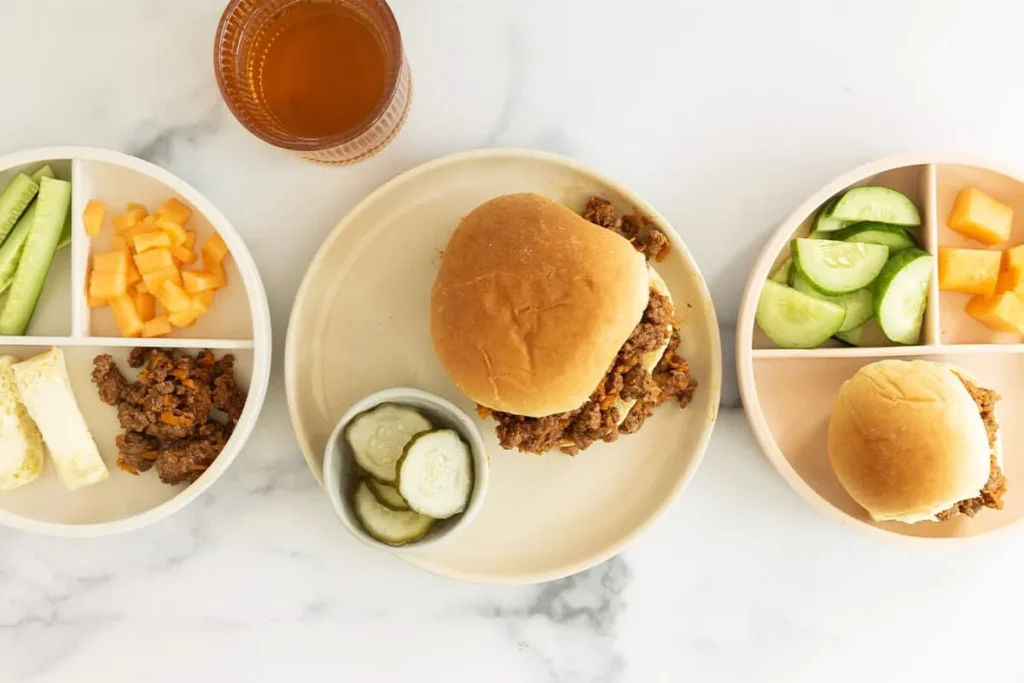
For many families, the transition into a new school year or a change in seasonal routines brings with it an unspoken, yet palpable, tension: the evening meal. What should be a time of nourishment and connection often devolves into a logistical nightmare of picky eating, mismatched schedules, and children who seem biologically incapable of remaining seated for more than three minutes.
At the YTF Community, a digital space dedicated to the realities of modern parenting, these struggles have moved to the forefront of the conversation. Laney, a mother of three, recently summarized the collective frustration of thousands of parents: "Not only do my three kids not agree on any dinners they all like, but they will not sit down at meals. I feel like it’s a circus in our house at dinner and I want to just give up."
This article explores the systemic challenges of family dining and provides a framework for reclaiming the dinner table.
The Anatomy of Mealtime Chaos: Main Facts
The "circus" described by parents like Laney is rarely a result of poor parenting; rather, it is a byproduct of modern life and the developmental stages of childhood. The core issues generally fall into three categories:
- Sensory and Preference Mismatches: Children, particularly toddlers and school-aged kids, undergo frequent shifts in taste preferences. Trying to find a single meal that satisfies a palate craving plain pasta while another seeks protein-heavy, seasoned dishes creates a "short-order cook" syndrome for parents.
- Developmental Impulsivity: For children under the age of seven, the ability to remain seated is physically challenging. Their developing nervous systems often seek movement, making the traditional "sit-down dinner" an unnatural fit for their physiological needs.
- The "Power Struggle" Dynamic: Mealtime often becomes the primary stage for a child’s assertion of independence. Refusal to sit or eat is a direct manifestation of their need for autonomy.
A Chronology of the Evening Struggle
The progression of a "failed" dinner usually follows a predictable, taxing timeline:
- 3:00 PM – 5:00 PM (The Pre-Meal Fog): Parents grapple with "hangry" children returning from school or daycare. The lack of structure during this window often leads to excessive snacking, which effectively ruins appetites for the main meal.
- 5:30 PM (Preparation Fatigue): The cook is often exhausted from the workday. The mental load of menu planning, shopping, and executing a meal feels overwhelming, leading to the "I’ll just order pizza" fallback.
- 6:00 PM (The Collision): The family gathers. The parents are seeking a calm environment; the children are seeking release from the day’s structure. This creates a psychological mismatch that sparks conflict.
- 6:15 PM – 6:45 PM (The "Circus" Phase): The refusal to sit, the arguments over food, and the eventual abandonment of the table leave both parents and children frustrated, fostering negative associations with family time.
Supporting Data: Why Consistency Matters
Research into family dynamics suggests that the ritual of dinner is often more important than the nutritional content of the meal. Studies from the American College of Pediatricians indicate that regular family meals are associated with better academic performance, higher self-esteem, and lower rates of substance abuse in adolescents.
However, the pressure to make these meals "perfect" often backfires. Data from child development experts highlights that:
- Reduced Pressure Increases Consumption: When parents stop monitoring every bite and focus on the social atmosphere, children are statistically more likely to try new foods.
- The "One-Meal" Approach: Serving a single meal that includes at least one "safe" item (a food the child is known to eat) reduces anxiety for the child and labor for the parent.
- Environmental Cues: Simple changes—such as turning off screens, using dimmable lighting, and engaging in "high-low" conversation—can significantly lower the heart rate of the household, encouraging longer periods of seated behavior.
Expert Perspectives and Official Approaches
Child feeding specialists often advocate for the "Division of Responsibility," a framework developed by Ellyn Satter. This model posits that parents are responsible for the what, when, and where of feeding, while the child is responsible for whether they eat and how much.
"When we release the pressure of ‘making’ them eat, the power struggle vanishes," says the lead editor at YTF Community. "The goal isn’t to force compliance; the goal is to create an environment where the child feels safe enough to explore food on their own terms."
For families dealing with the "circus" of movement, experts suggest:
- Lowering the Bar: If a child can only sit for five minutes, start with five. Do not demand 30 minutes of stationary behavior.
- Inclusion: Involving children in the preparation process—even if it’s just washing vegetables or setting the table—invests them in the outcome of the meal.
- Predictability: Children thrive on knowing what comes next. If they know dinner is at 6:00 PM and they know there will be a familiar side dish available, their anxiety levels drop.
Implications for Modern Families
The implication of the current crisis is that many families have stopped viewing the dinner table as a sanctuary. When the dinner table becomes a site of stress, families tend to drift toward individualized dining—eating in separate rooms, at different times, or in front of screens.
While this may solve the immediate, short-term problem of a "circus," the long-term impact is a erosion of family bonds. The YTF Community approach seeks to reverse this trend by providing tools that make the logistics of dinner less taxing. By offering customizable meal plans and structured shopping lists, the organization aims to reduce the "mental load" that prevents parents from being fully present.
Moving Forward
The transition from chaos to calm is not a linear process. It requires patience and a willingness to iterate on family rules. For those feeling the burnout of daily meal prep, the solution is not to "give up," but to simplify.
Whether it is through the adoption of weekly meal plans, the implementation of "safe" foods, or simply adjusting the expectations of what a successful dinner looks like, the path forward is rooted in consistency. As we navigate our new routines, remember that the goal is not a perfectly behaved child or a gourmet meal. The goal is to show up, sit together, and share the experience—even if it’s messy.
For further resources on creating a sustainable, low-stress meal plan, members of the YTF Community can access the full suite of planning tools, including downloadable shopping lists and exclusive recipe collections designed specifically for families with diverse palates.