The Rise of High-Utility Home Cooking: How Culinary Science and Smart Budgeting are Reshaping the Comfort Food Landscape
NASHVILLE, TN — As fast-food prices continue to climb nationwide, American families are facing a challenging economic landscape. Once considered the default option for quick, inexpensive meals, major quick-service restaurant chains have steadily increased their prices, leaving budget-conscious households searching for viable alternatives. In response, culinary professionals and home economists are turning to food science to replicate restaurant-quality comfort foods at a fraction of the cost.
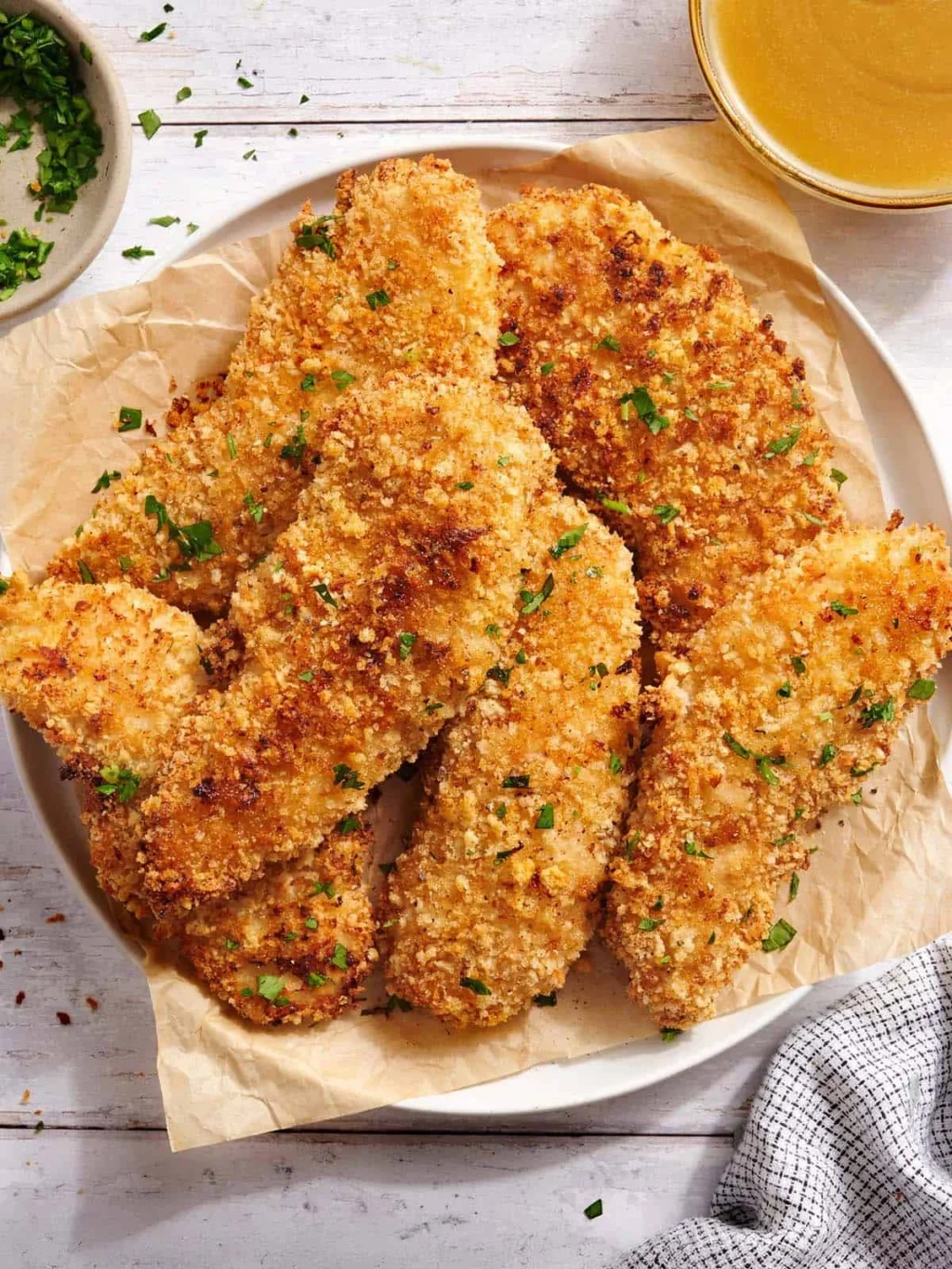
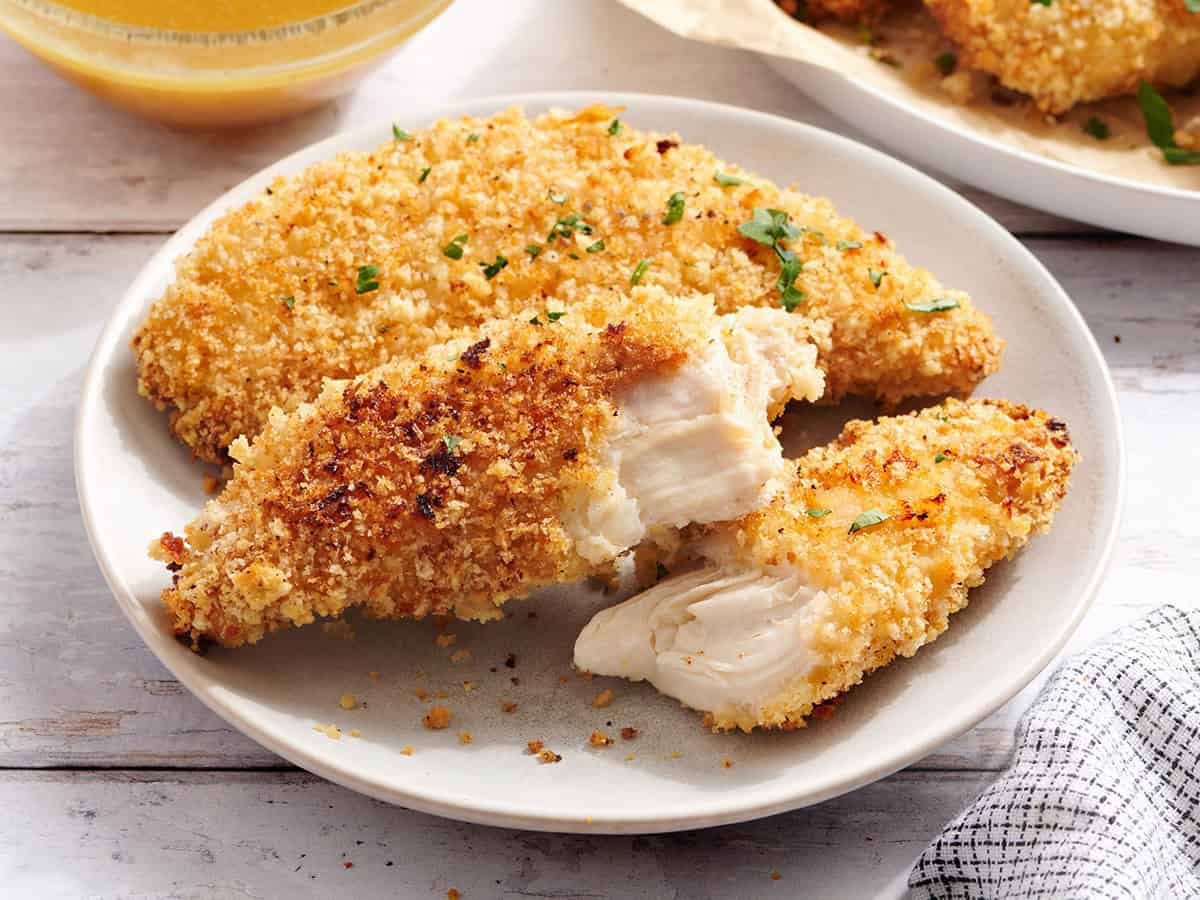
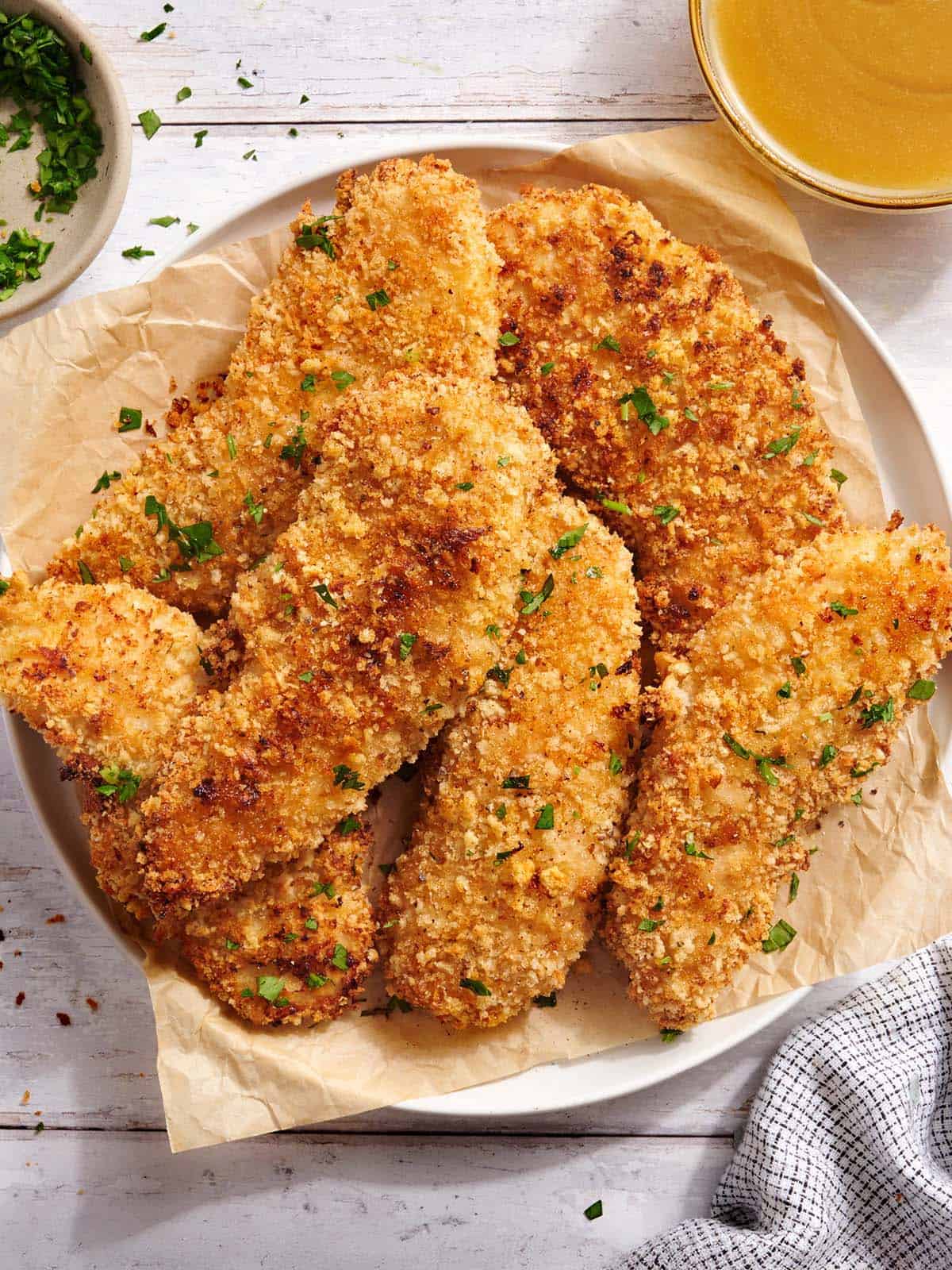
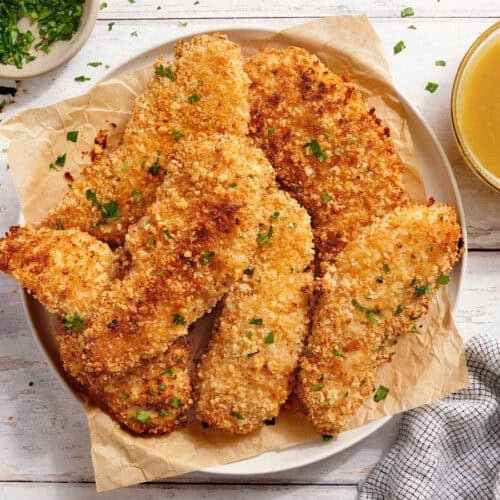
A prominent example of this shift is a newly refined recipe for Classic Baked Chicken Tenders developed at the Nashville Test Kitchen by culinary educator Jess Rice. By utilizing innovative binding techniques and thermal optimization, the recipe achieves the coveted "crispy exterior, juicy interior" profile of deep-fried chicken without the associated health drawbacks or commercial markup.
At just $1.76 per serving, this culinary development highlights a broader consumer movement: the transition toward high-utility, freezer-friendly home cooking designed to combat food inflation.
The Core Innovation: Deconstructing the Baked Chicken Tender
Traditional chicken tender recipes rely on a three-stage dredging station: flour, beaten eggs, and breadcrumbs. While effective, this classic method is labor-intensive, messy, and adds to the overall ingredient list and preparation time.
The primary culinary innovation in this updated recipe is the complete omission of the traditional flour-and-egg setup. Instead, the developers utilized a thinned plain Greek yogurt coating—a technique adapted from successful trials with homemade chicken nuggets.
This single-ingredient substitution serves multiple structural and chemical purposes:
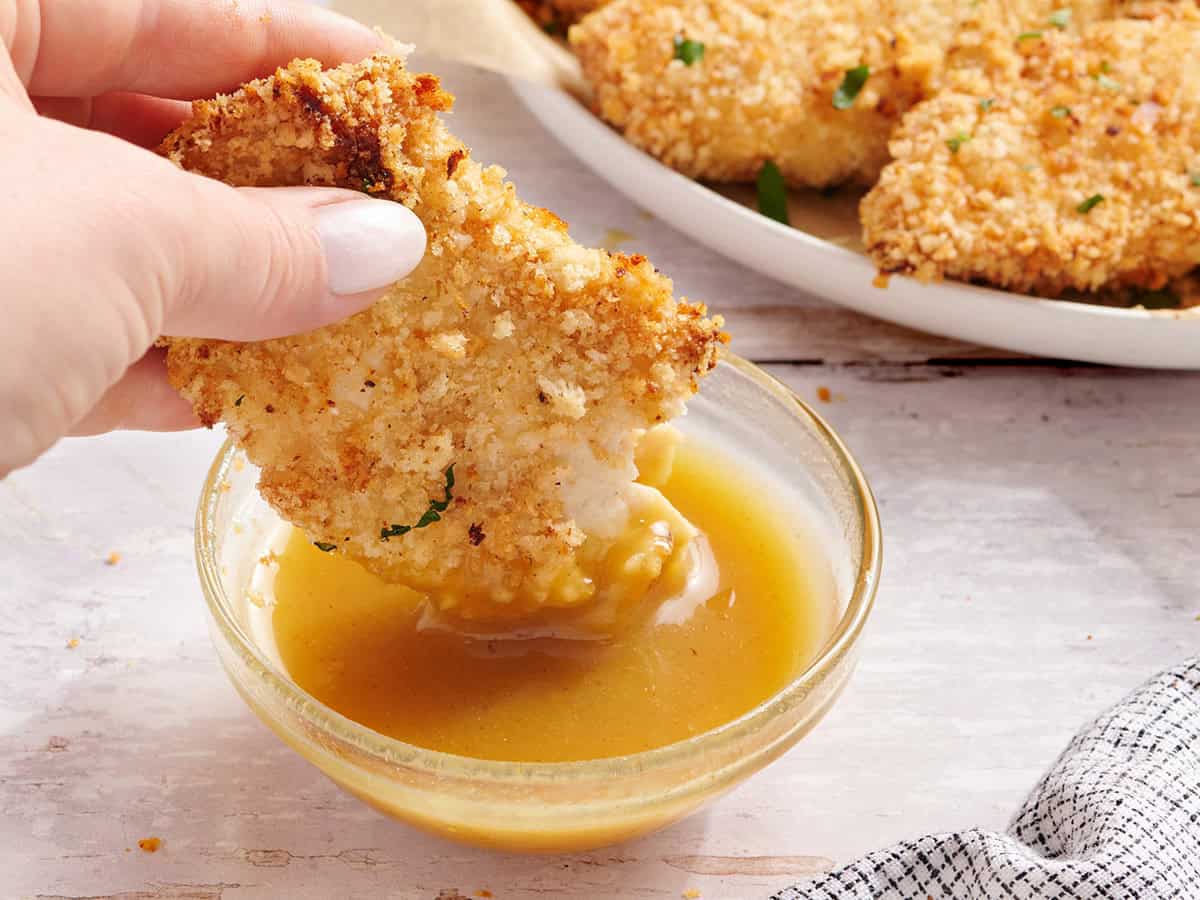
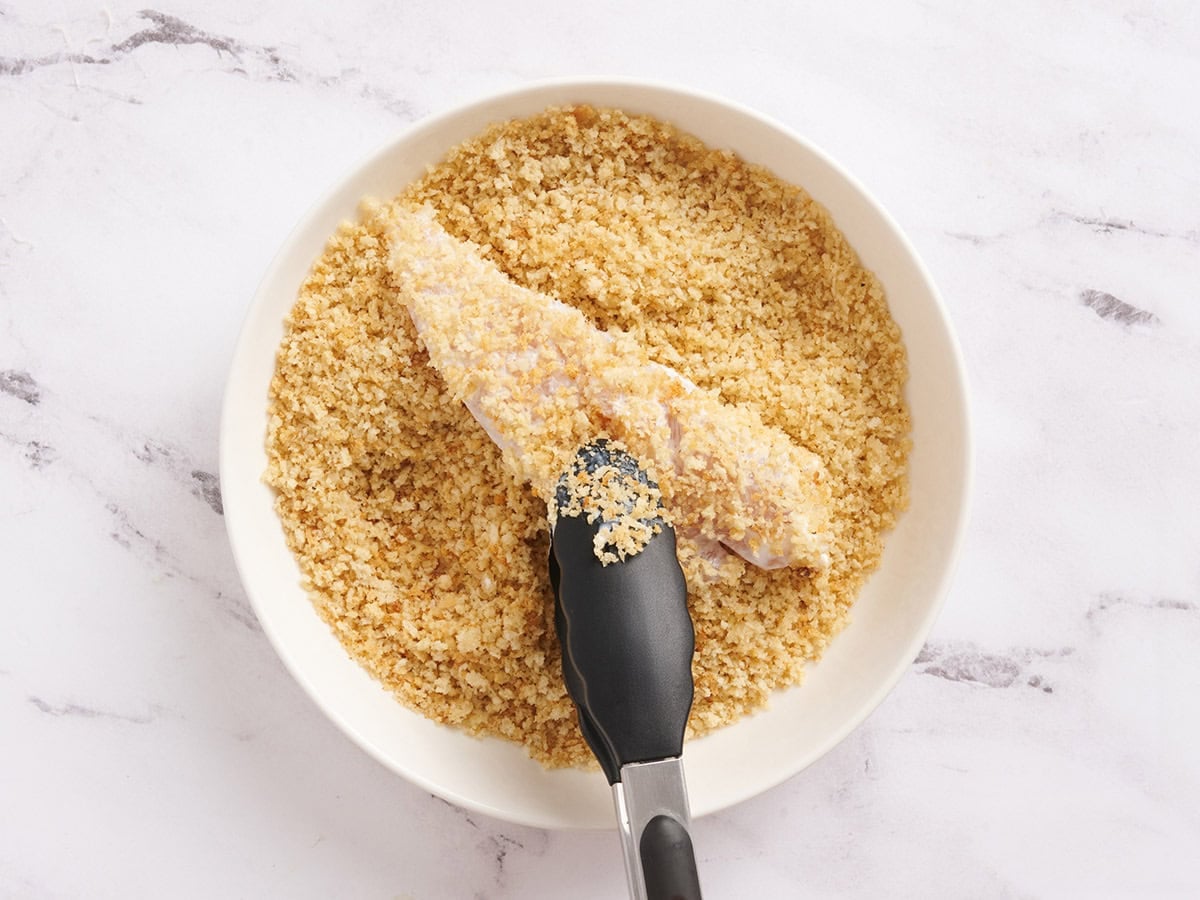
- Adhesion: The natural viscosity of Greek yogurt allows breadcrumbs to adhere securely to the raw chicken without sliding off during the baking process.
- Moisture Retention: The acidity of the yogurt gently tenderizes the lean breast meat, while its fat content creates a protective barrier that seals in moisture under high heat.
- Efficiency: By mixing the chicken directly with the yogurt and a small amount of water, home cooks can eliminate two entire steps from the breading process, reducing cleanup and prep time.
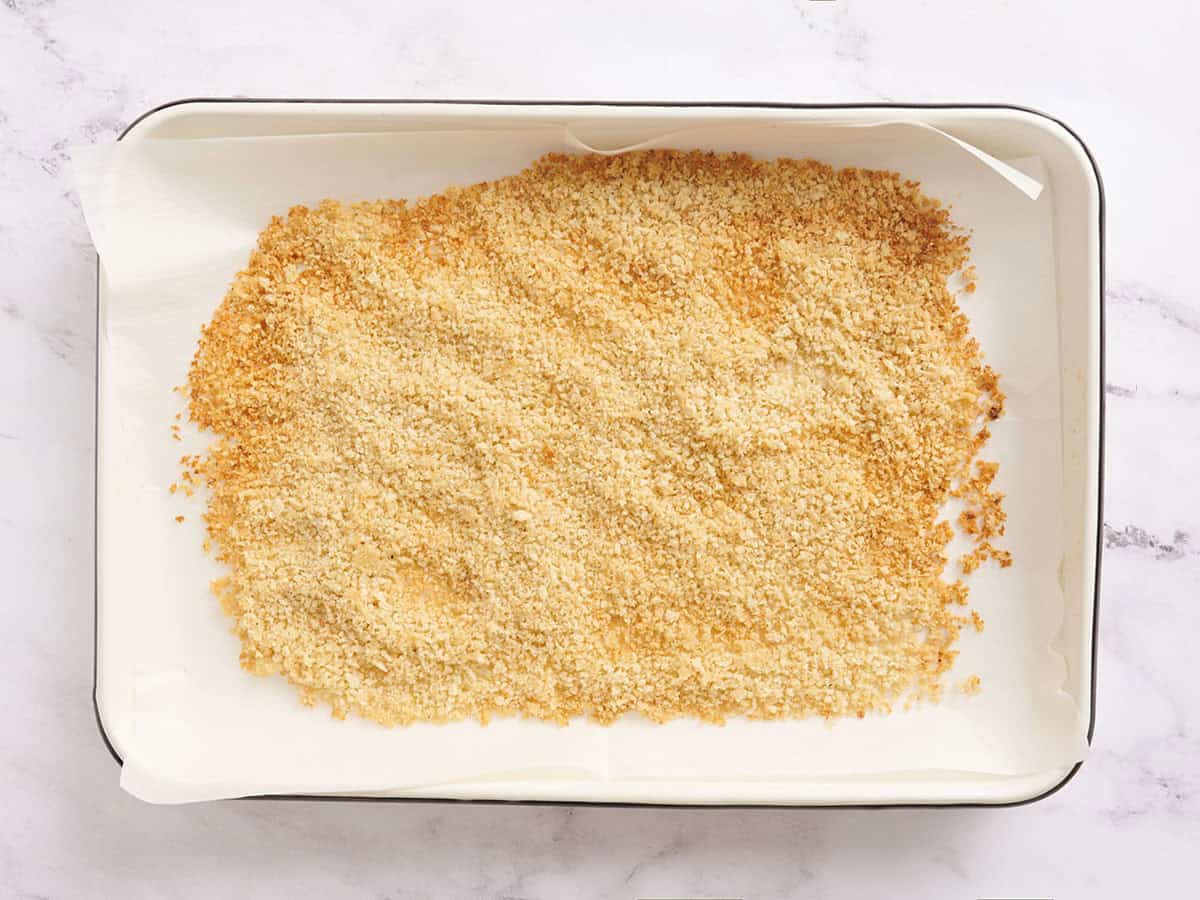
Additionally, the recipe addresses a common flaw in baked chicken recipes: pale, unevenly cooked breading. To resolve this, the culinary team introduced a "pre-toasting" phase for the panko breadcrumbs. By lightly browning the seasoned crumbs in the oven before applying them to the chicken, the tenders emerge from their final bake with a deeply golden, uniform crust that mimics the aesthetics and crunch of a deep-fried product.
A Chronological Breakdown: From Preparation to Preservation
To achieve optimal results, the preparation of these oven-baked chicken tenders must follow a precise chronological sequence. This systematic workflow ensures that the structural integrity of the breading remains intact and the chicken cooks evenly throughout.
[Step 1: Prep & Preheat] -> [Step 2: Yogurt Marinade] -> [Step 3: Season & Toast Panko]
                                                                     |
[Step 6: Cool & Store/Freeze] <- [Step 5: Bake (30 Mins)] <- [Step 4: Dredge & Press]
Phase 1: Preparation and Marinade
- 0:00 – 0:05: The oven is preheated to 400°F (204°C), and a large baking sheet is lined with parchment paper to prevent sticking.
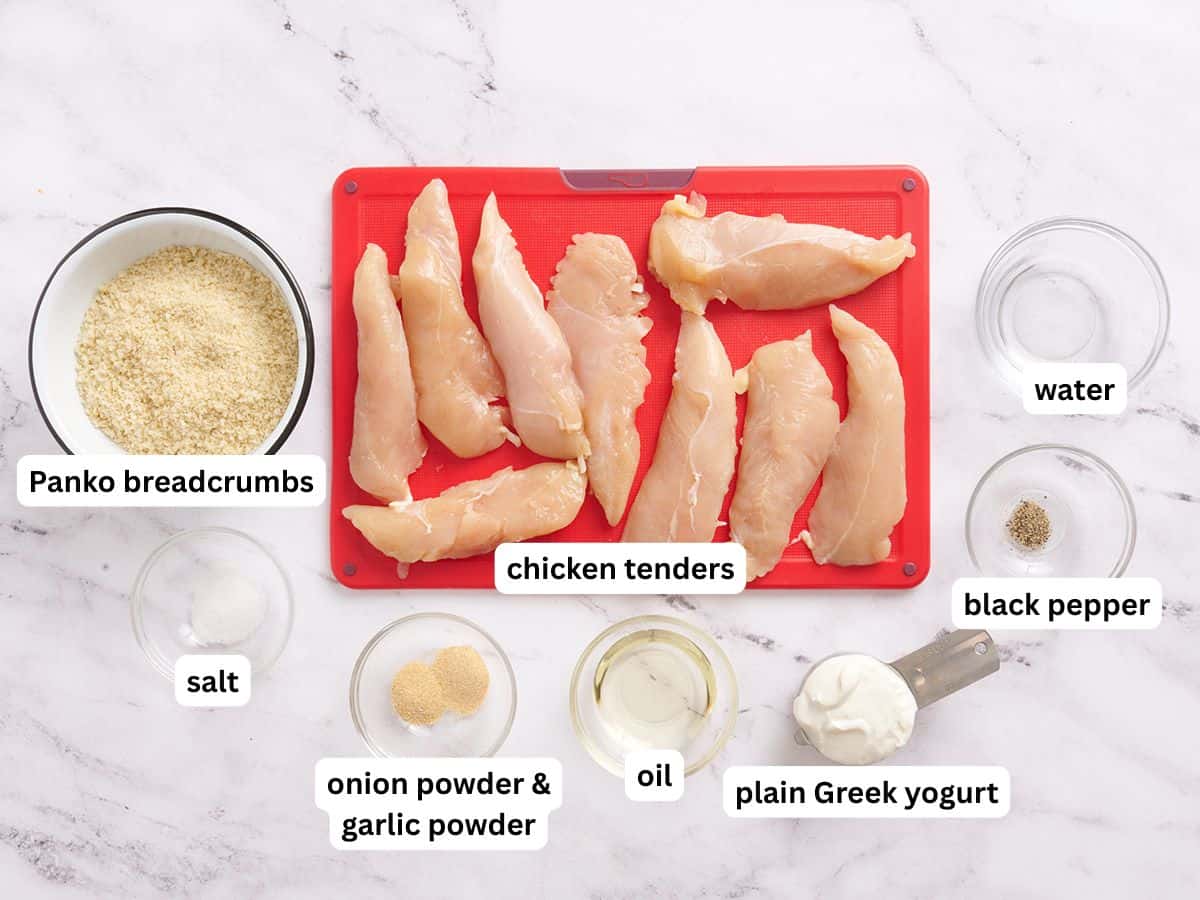
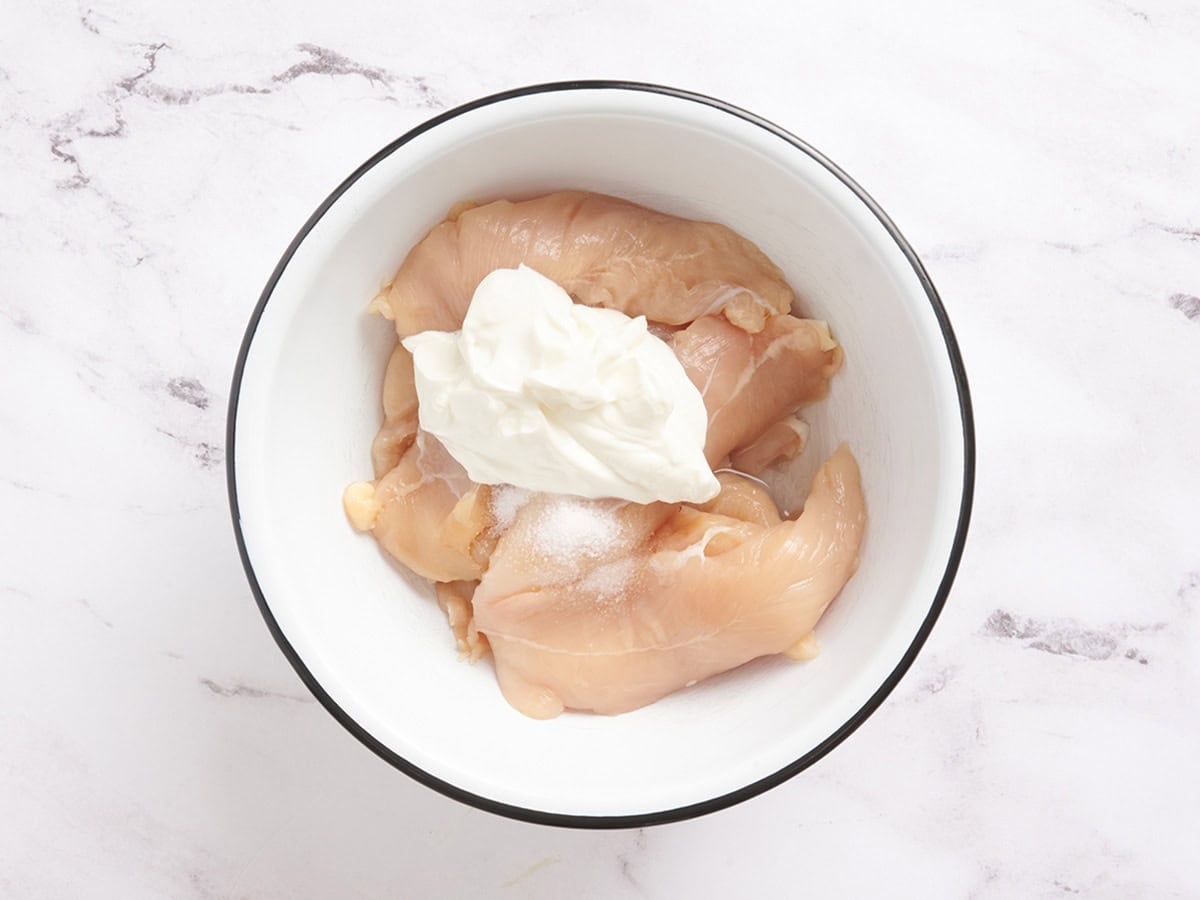
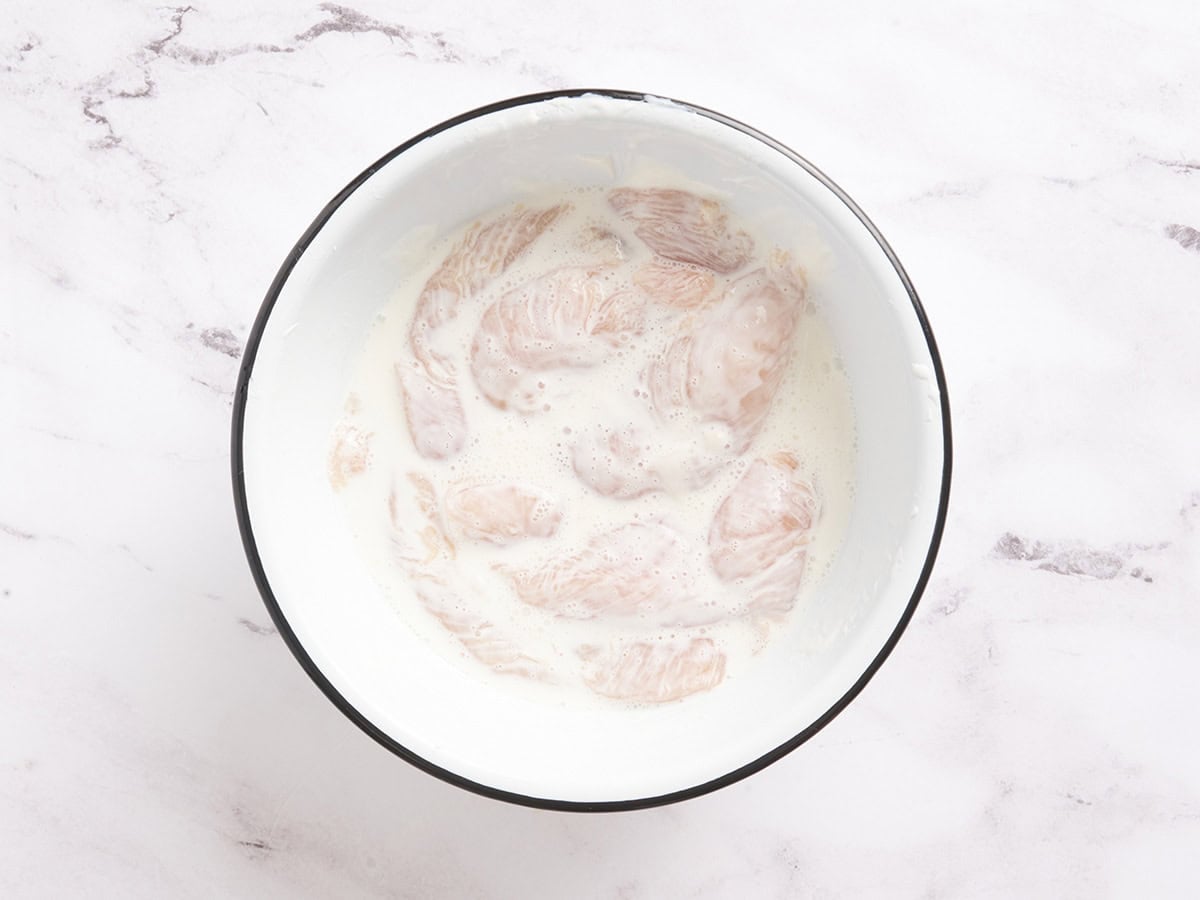
- 0:05 – 0:10: Approximately one pound of chicken tenders is placed in a medium mixing bowl. It is combined with 1/3 cup of plain Greek yogurt, 1/4 teaspoon of salt, and 3 tablespoons of water. The mixture is tossed thoroughly until the chicken is completely coated. The bowl is covered and placed in the refrigerator to marinate.
Phase 2: Seasoning and Toasting the Panko
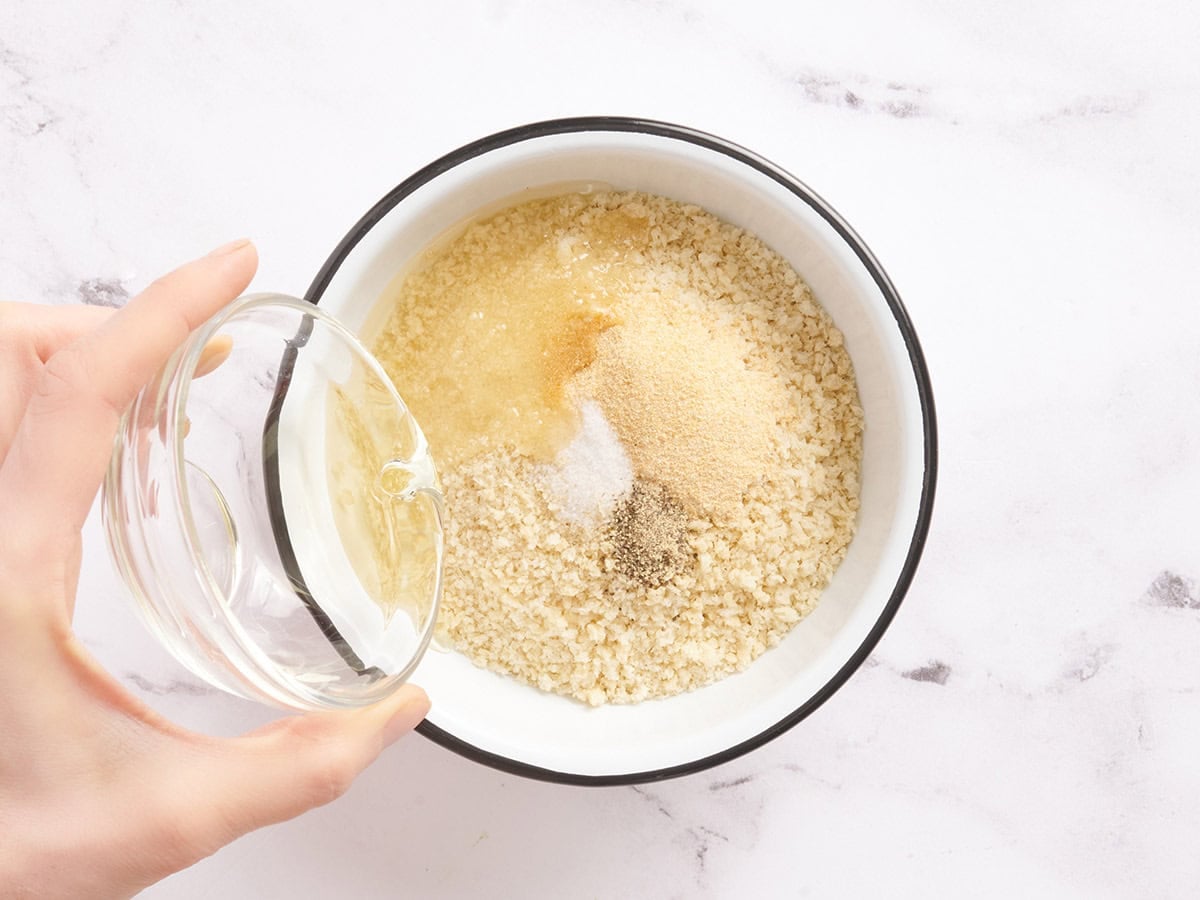
- 0:10 – 0:15: In a separate bowl, 1 3/4 cups of panko breadcrumbs are mixed with 1/2 teaspoon of onion powder, 1/2 teaspoon of garlic powder, 1/4 teaspoon of salt, 1/8 teaspoon of freshly cracked black pepper, and 2 tablespoons of a neutral cooking oil (such as canola, vegetable, or refined avocado oil).
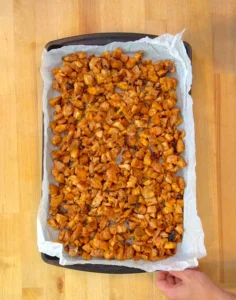
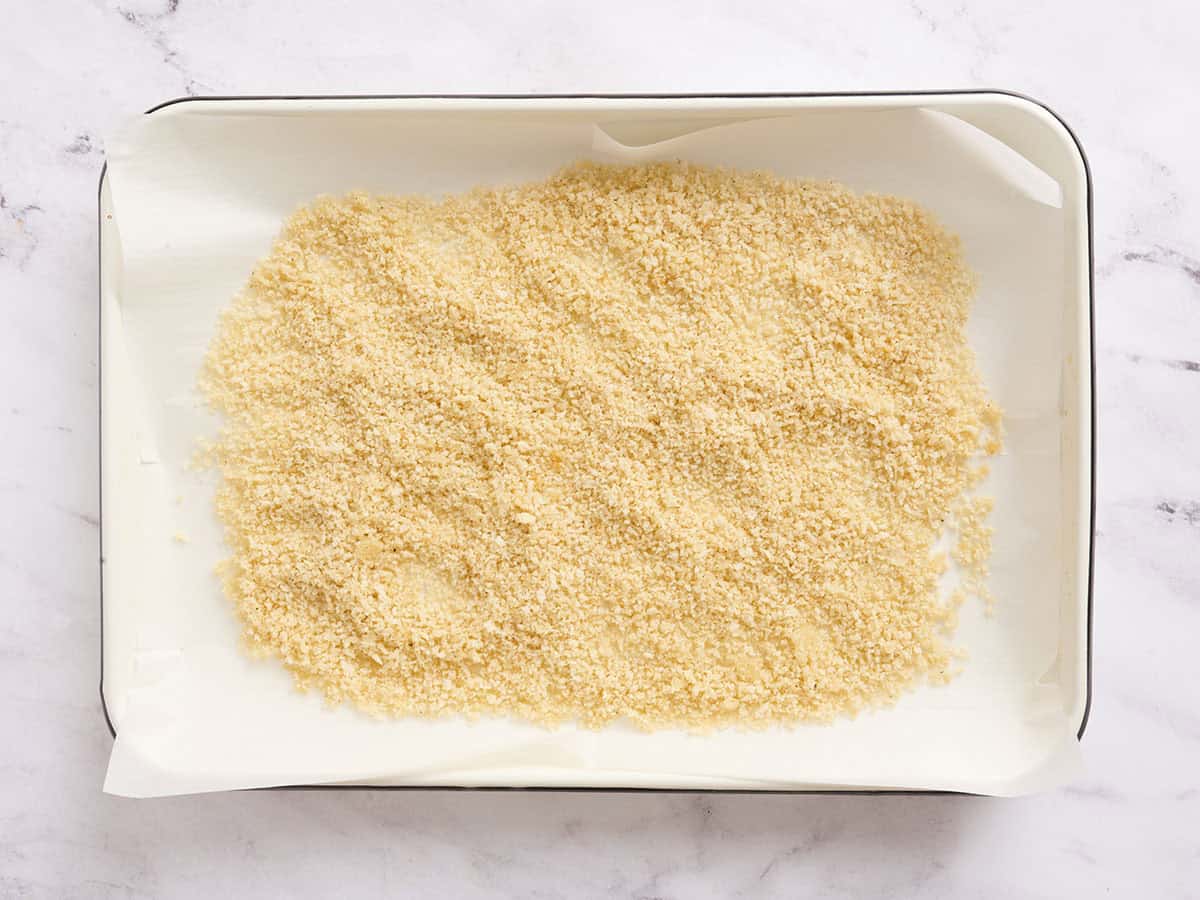
- 0:15 – 0:20: The seasoned panko is spread in an even layer onto the prepared baking sheet and placed in the preheated oven. It is toasted for 2 to 5 minutes, with close monitoring starting at the 2-minute mark to prevent burning. Once lightly golden, the panko is transferred back to a mixing bowl.
Phase 3: Breading and Baking
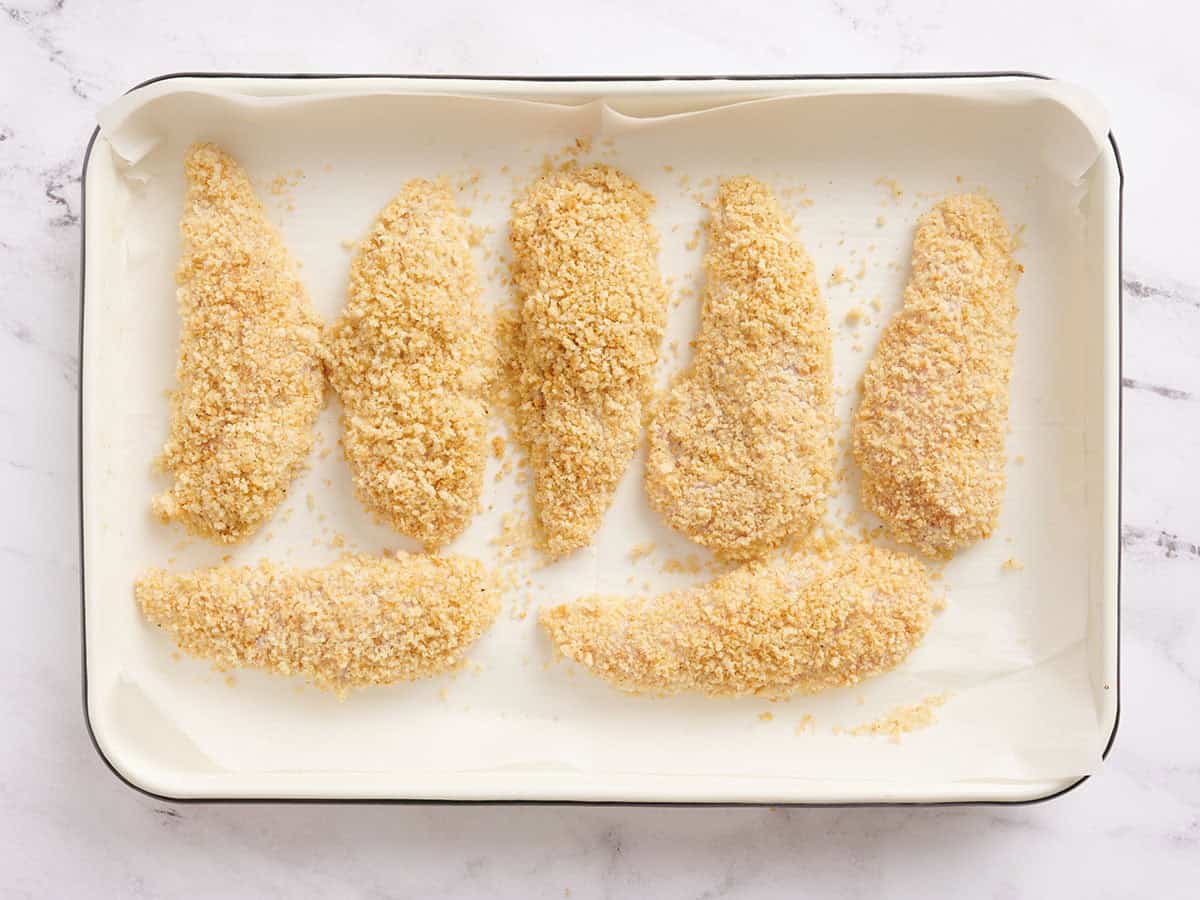
- 0:20 – 0:30: Working systematically, the cook lifts each tender from the yogurt mixture, allowing any excess marinade to drip back into the bowl. The chicken is pressed firmly into the toasted panko to ensure complete coverage on all sides. The breaded tenders are laid out in a single, non-overlapping layer on the parchment-lined baking sheet.
- 0:30 – 1:00: The sheet pan is placed in the oven. The tenders bake at 400°F for a total of 30 minutes, with a manual flip executed at the 15-minute mark to ensure symmetrical browning.
- 1:00: The internal temperature of the thickest tender is verified using a calibrated meat thermometer to ensure it has reached the USDA-recommended safe minimum of 165°F (74°C).
Phase 4: Long-Term Preservation and Reheating
For households utilizing this recipe for meal prep, the preservation timeline is critical:
- Refrigeration: Leftover tenders must be cooled completely at room temperature before being sealed in an airtight container. They can be refrigerated safely for 3 to 4 days.
- Freezing (Flash-Freeze Method): To prevent the tenders from fusing together, they are arranged in a single layer on a clean, parchment-lined tray and placed in the freezer until solid (approximately 1 to 2 hours). Once frozen, they are transferred to a heavy-duty freezer bag, where they can be stored for up to 3 months.
- Reheating Protocol: To restore crispness, frozen or refrigerated tenders are reheated in an oven at 400°F for 8 to 10 minutes, or in an air fryer at 400°F for 4 to 6 minutes.
The Quantitative Reality: Cost-Efficiency and Nutritional Data
To validate the economic and dietary claims of this home-cooked alternative, a comprehensive breakdown of cost and nutrition was conducted.
Financial Analysis: Homemade vs. Quick-Service Restaurant
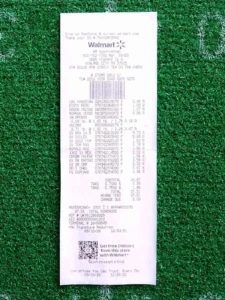
A retail pricing sweep conducted at a major national retailer (Walmart) established a baseline cost of $4.92 per pound for raw, boneless chicken breast tenders. The remaining pantry staples—Greek yogurt, panko, neutral oil, and spices—contribute minor incremental costs.
| Ingredient | Quantity | Estimated Cost |
|---|---|---|
| Chicken Tenders | 1.0 lb (approx. 9 pieces) | $4.92 |
| Plain Greek Yogurt | 1/3 cup | $0.45 |
| Panko Breadcrumbs | 1 3/4 cups | $0.80 |
| Neutral Cooking Oil | 2 Tbsp | $0.24 |
| Seasonings (Salt, Garlic, Onion, Pepper) | Combined | $0.62 |
| Total Recipe Cost | — | $7.03 |
| Cost Per Serving (2 Tenders) | 1/4 lb of chicken | $1.76 |
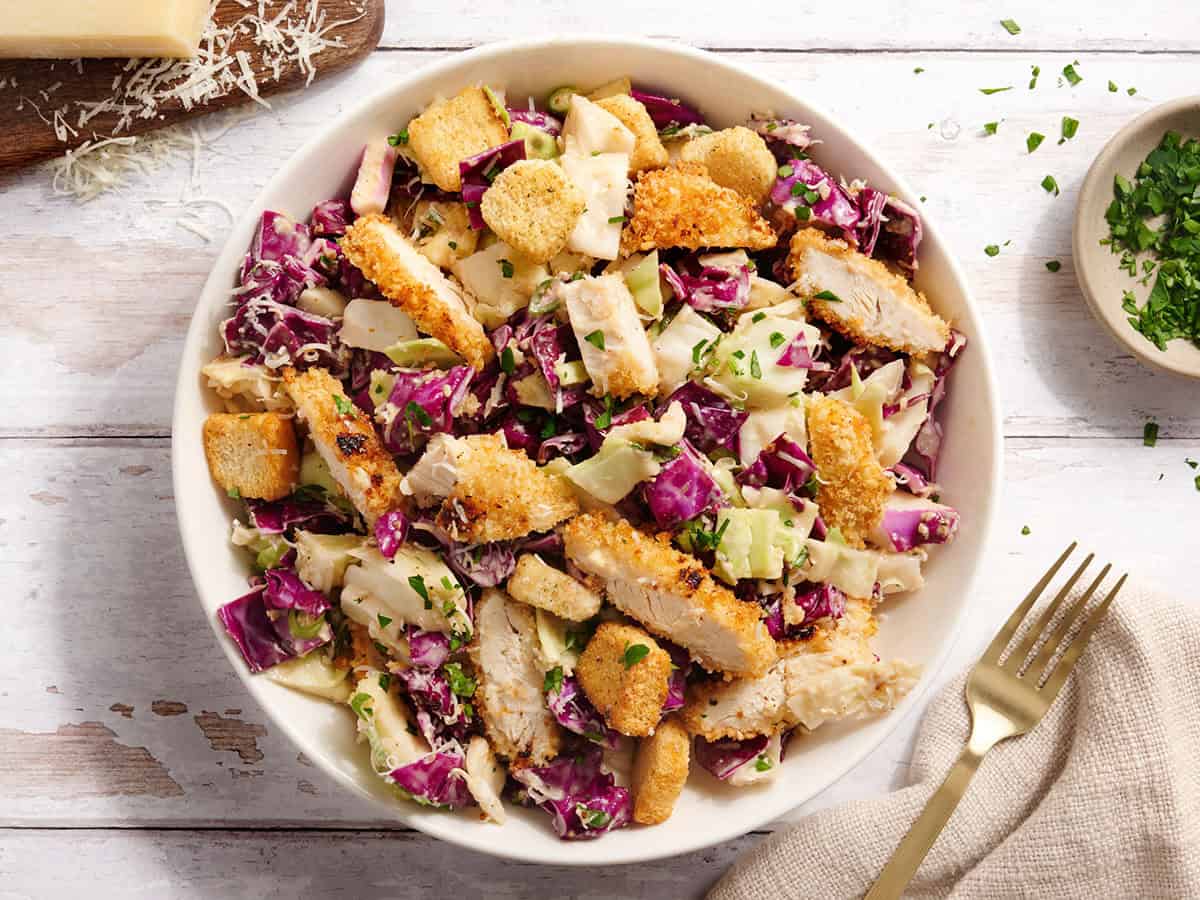
In contrast, commercial quick-service alternatives represent a significant financial markup. For example, a standard three-piece chicken strip order at a national franchise such as Chick-fil-A currently retails between $5.00 and $6.00, depending on regional pricing variations.
By preparing the equivalent volume at home, consumers can produce approximately three times the quantity of food for the same monetary investment. This represents a 65% to 70% cost savings per serving.
Nutritional Profile
Because the tenders are baked rather than submerged in frying oil, the fat content is strictly controlled. The inclusion of Greek yogurt also boosts the protein density of the dish.
- Serving Size: 2 large chicken tenders (approximately 1/4 lb of chicken)
- Calories: 307 kcal (15% Daily Value)
- Protein: 29 g (58% Daily Value)
- Fat: 11 g (17% Daily Value)
- Carbohydrates: 20 g (7% Daily Value)
- Sodium: 621 mg (27% Daily Value)
- Dietary Fiber: 1 g (4% Daily Value)
Dietary Adaptations
The recipe’s simple ingredient architecture allows for easy modifications to accommodate common food sensitivities:
- Gluten-Free Protocols: Home cooks can seamlessly substitute standard panko with certified gluten-free panko or gluten-free breadcrumbs.
- Dairy-Free Protocols: The Greek yogurt can be replaced with an equal volume of plain, unsweetened dairy-free yogurt (such as oat- or almond-based alternatives). Cooks are advised to add water gradually, as dairy-free alternatives vary widely in viscosity.
Expert Perspectives: The Food Science Behind the Crunch
To understand why this simplified recipe succeeds where other baked alternatives fail, it is necessary to examine the physical chemistry of cooking.
Jess Rice, a culinary educator, former Chef Professor of food theory at Niagara College, and founder of the Nashville-based raw vegan restaurant AVO, explains the mechanics of the process.
"When you deep-fry a chicken tender, the intense heat of the oil rapidly vaporizes the moisture on the surface of the chicken, creating steam that puffs up the batter while frying it to a crisp," Rice explains. "In a standard residential oven, heat transfer is much slower because air is a poor conductor of heat compared to oil. If you put wet, breaded chicken directly into a 400°F oven, the breadcrumbs will absorb moisture from the chicken and turn soggy before the dry heat of the oven can toast them."
[Dry Panko + Moisture from Raw Chicken] + [Slow Oven Heat Transfer] = Soggy Breading
                                      VS.
[Pre-Toasted Panko + Greek Yogurt Barrier] + [High Heat (400°F)] = Golden, Crispy Crust
According to Rice, the pre-toasting of the panko is a crucial step that bypasses this thermodynamic limitation. By exposing the breadcrumbs to oil and dry heat before they are applied to the wet chicken, the starch molecules are already partially gelatinized and dehydrated.
"You are essentially giving the Maillard reaction—the chemical reaction between amino acids and reducing sugars that gives browned food its desirable flavor—a head start," Rice notes. "Once the pre-toasted crumbs are pressed onto the chicken, they act as a thermal shield, keeping the chicken tender while retaining their crisp texture."
Furthermore, Rice highlights the structural role of Greek yogurt. "Egg washes can sometimes slip off chicken during cooking, taking the breading with them. Yogurt contains casein proteins that bind tightly to the poultry flesh, creating an even, resilient layer that holds the panko securely in place throughout the baking cycle."
Broader Implications: Fast-Food Inflation and the Future of Family Meal Prep
The popularity of high-utility recipes like these oven-baked chicken tenders points to a larger macroeconomic trend. According to recent consumer price index (CPI) reports, the cost of food away from home has consistently outpaced general inflation. This has led to a noticeable shift in household labor, with families actively reclaiming the kitchen as a site of economic defense.
The Meal-Prep Resurgence
For busy households, particularly those navigating the chaotic schedules of the school year, the primary barrier to home cooking is not cost, but time. The "convenience premium" of fast food is often paid because parents lack the bandwidth to cook from scratch on weeknights.
To address this, recipes are increasingly evaluated by their "utility factor"—how easily they can be scaled, frozen, and reheated without a loss of quality. Because these chicken tenders can be flash-frozen and reheated in an air fryer in under six minutes, they directly compete with the convenience of a drive-thru.
Health and Ingredient Transparency
Beyond the financial advantages, the transition back to home cooking has significant public health implications. Commercial chicken tenders often contain a long list of additives, preservatives, sodium phosphates, and hydrogenated oils designed to extend shelf life and maintain texture through commercial supply chains.
By preparing comfort foods at home using simple pantry ingredients, consumers gain complete control over their dietary intake. This transparency is particularly valuable for parents trying to establish healthy eating habits for their children without completely eliminating familiar, kid-friendly foods from the menu.
As households continue to feel the pressure of inflation, the intersection of culinary science and home economics will remain an essential resource. By understanding the "why" behind cooking techniques, everyday home cooks can bypass commercial markups, producing healthy, delicious, and highly affordable meals that easily fit within a modern grocery budget.