Mastering the Lens: 7 Proven Strategies for Viral Food Photography
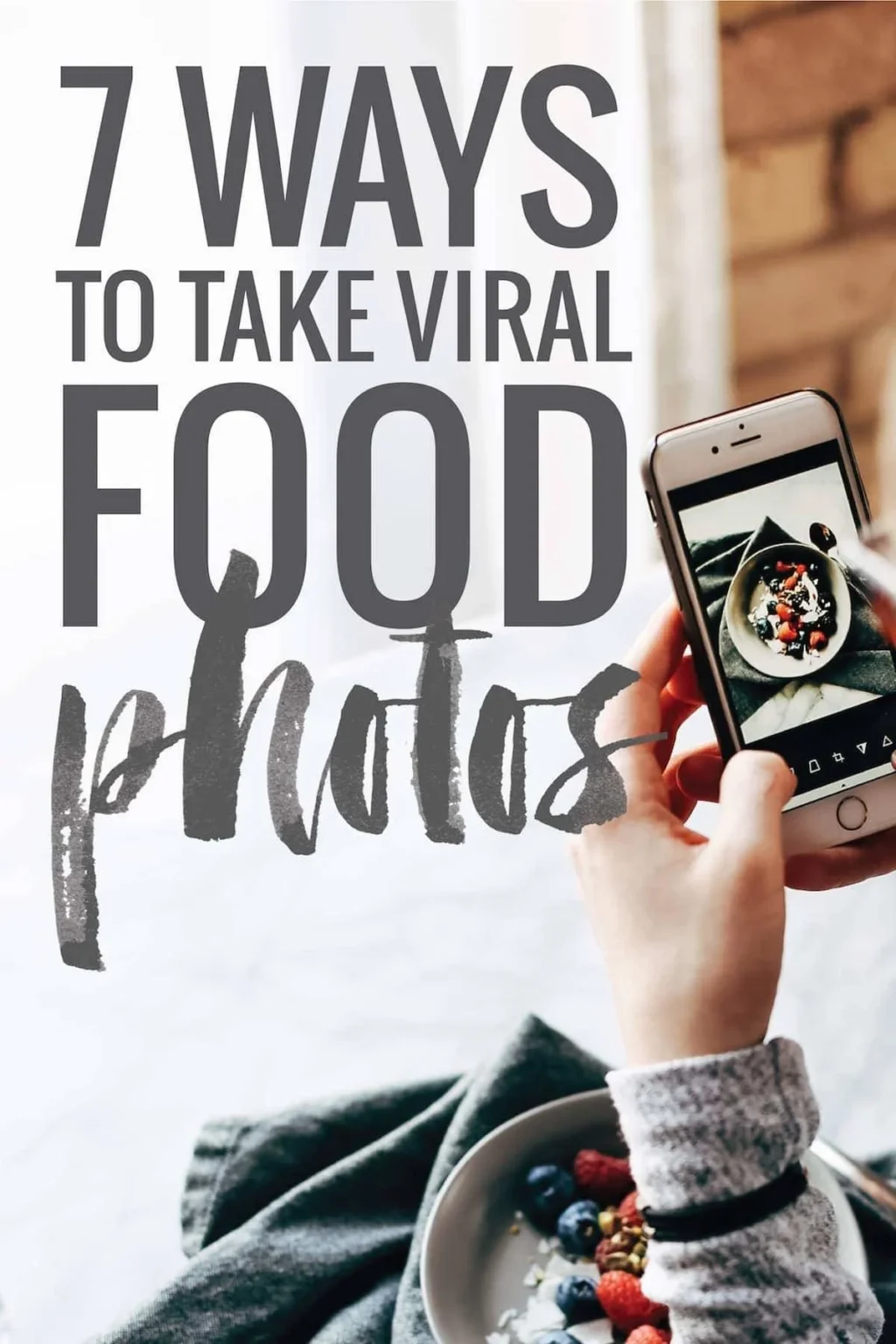
In the digital age, the adage "we eat with our eyes first" has never been more relevant. For food bloggers, culinary influencers, and restaurateurs, the visual appeal of a dish is the primary currency of engagement. A single, well-composed photograph can bridge the gap between a casual scroll and a loyal follower. As the demand for high-quality, "viral-worthy" content reaches a fever pitch, many creators are seeking professional guidance to elevate their craft.
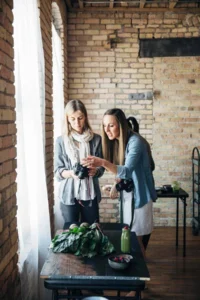
The Pinch of Yum studio is currently addressing this industry-wide hunger by opening registration for its highly anticipated, two-day food photography workshops. These intensive sessions are designed to move beyond the technical jargon of manual mode settings, focusing instead on the holistic art of styling, lighting, and narrative composition.
The Core Objective: Elevating Culinary Storytelling
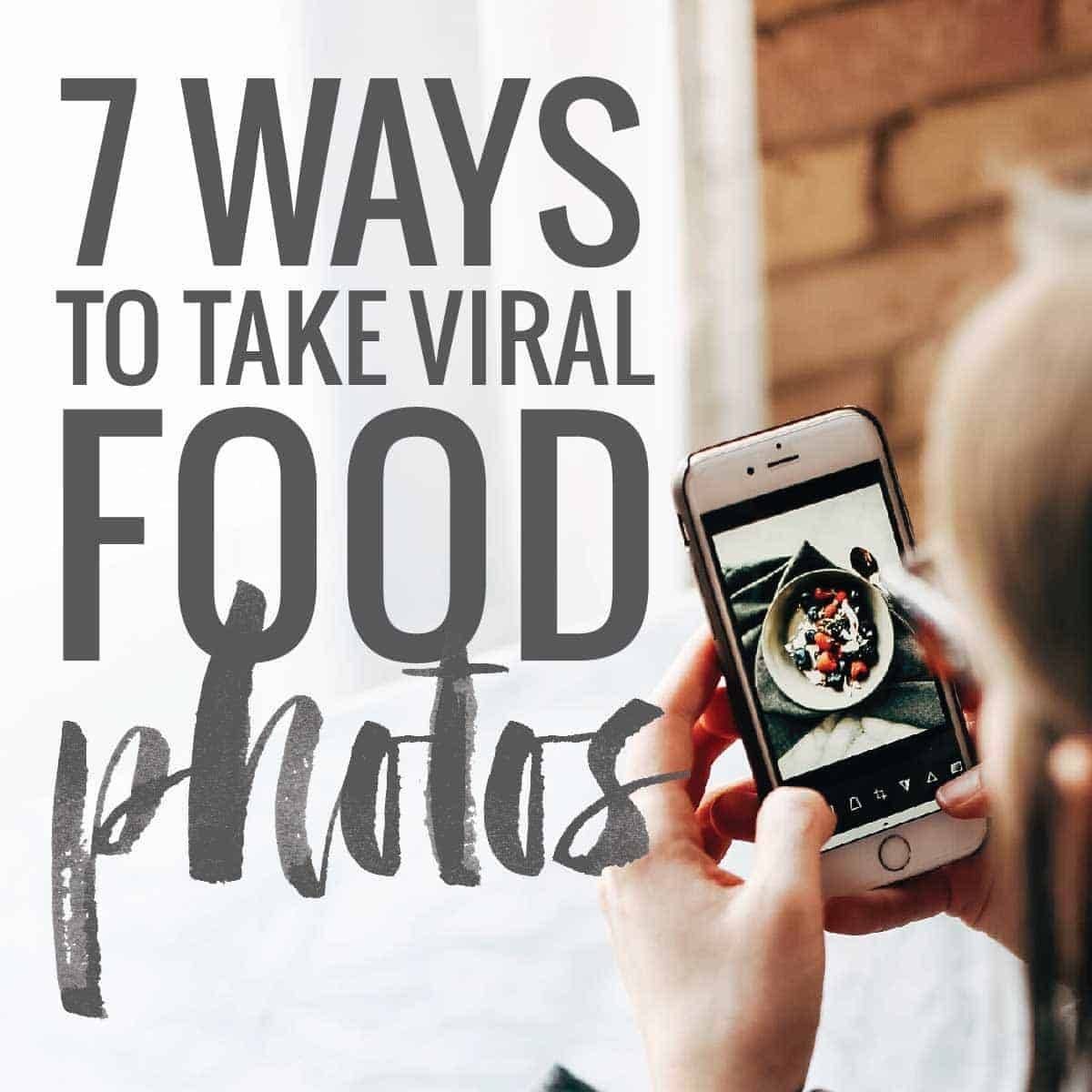
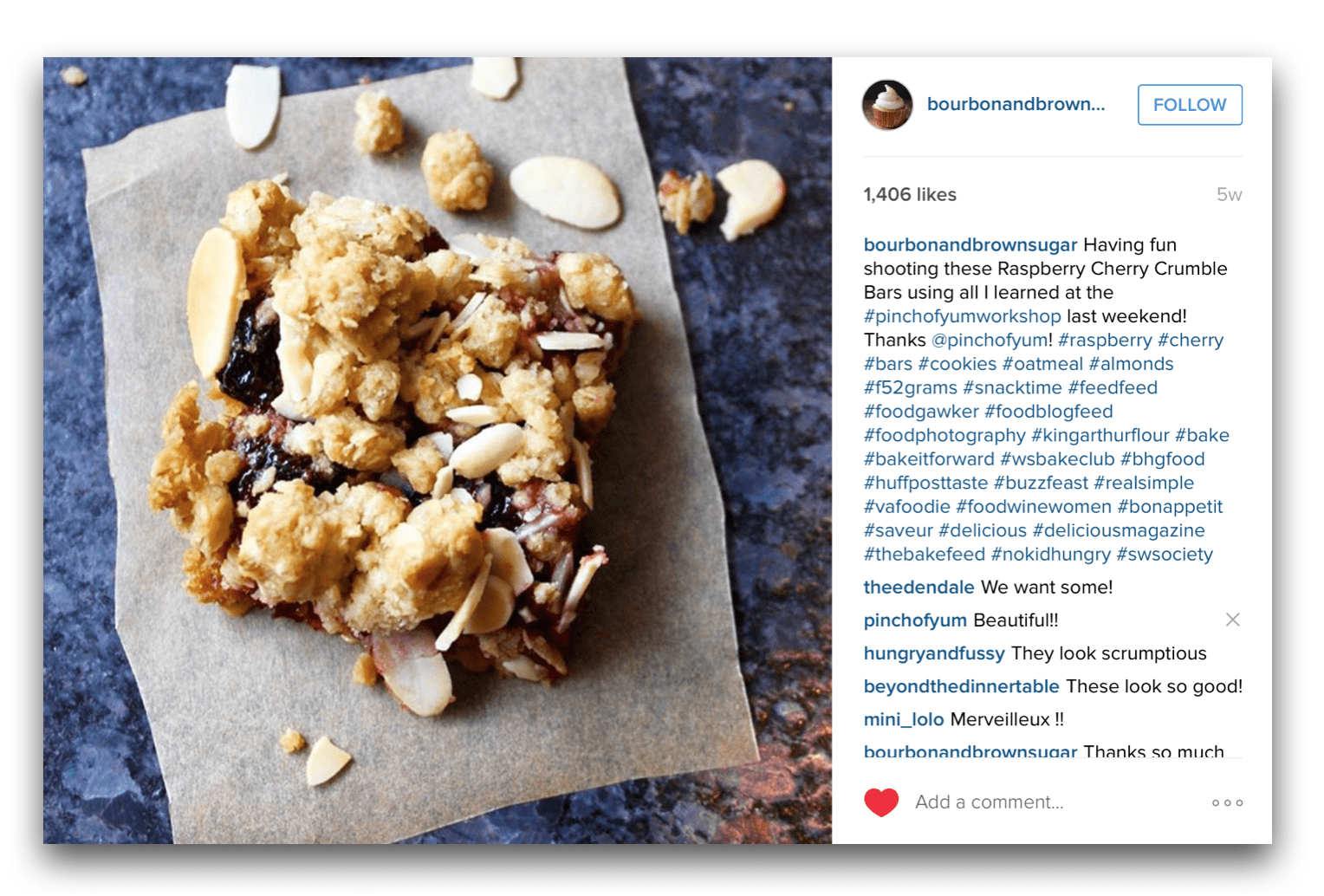
The primary goal of the workshop curriculum is to demystify the artistic process. Attendees receive hands-on training that covers the transition from "awkward framing" to professional-grade composition. Participants learn the nuances of styling challenging subjects—such as complex smoothie bowls or intricate textures—while mastering the art of efficient, high-impact editing.
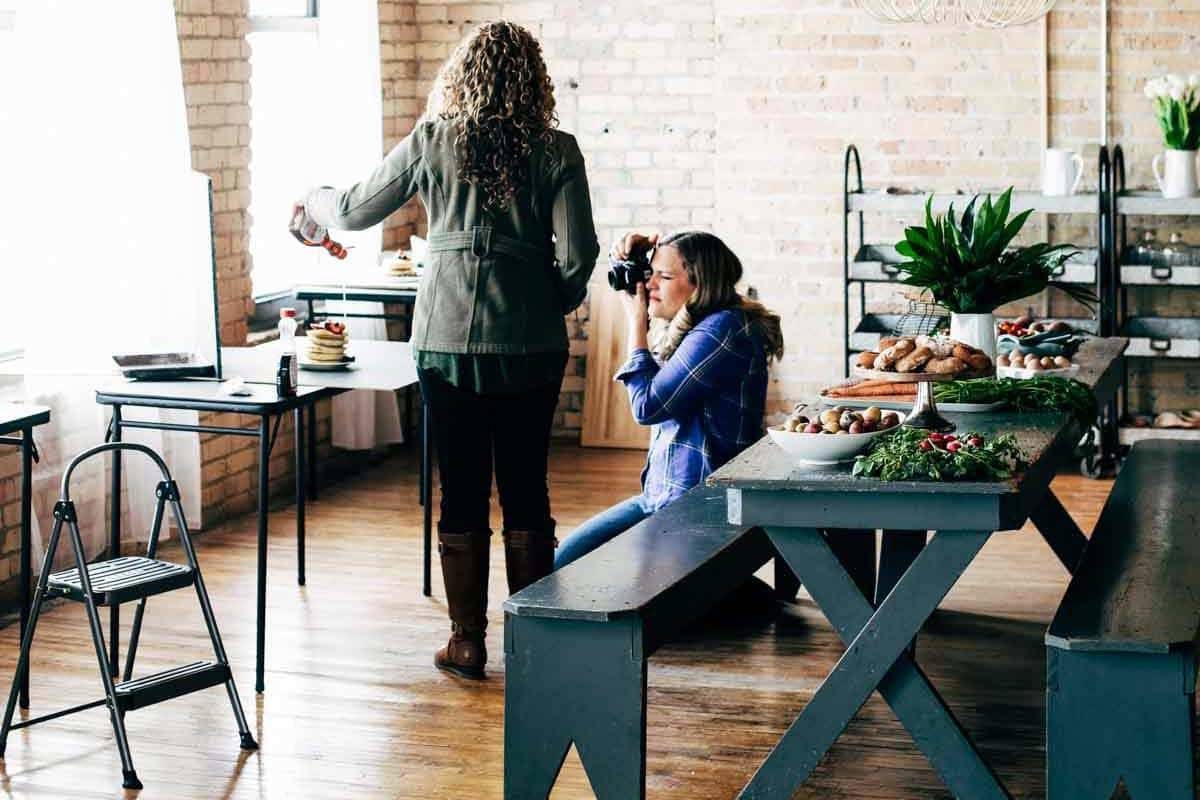
The workshops emphasize a "Teach-Model-Practice" framework. By providing a dedicated, sun-drenched studio environment with individual workstations, organizers ensure that students have the physical space and the necessary light to experiment. The curriculum is rooted in the belief that while technical proficiency is essential, the "genius zone" of photography lies in the ability to turn an intimidating, subjective process into a repeatable, strategic workflow.
Chronology of Skill Development
The trajectory for a budding food photographer often follows a predictable path: initial frustration, a breakthrough in understanding light, and finally, the development of a unique visual signature.
- Phase One: Technical Foundation. Students begin by mastering the manual controls of their cameras, understanding how shutter speed, aperture, and ISO interact to create depth and clarity.
- Phase Two: The Science of Styling. Once the camera is mastered, the focus shifts to the plate. This phase involves learning how to manipulate food—drizzling, dusting, and arranging—to ensure it looks as appetizing as it tastes.
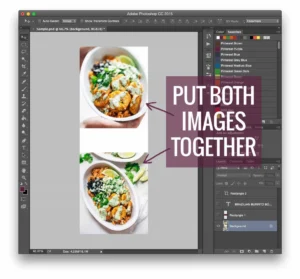
- Phase Three: Workflow Efficiency. Time is a limited resource. The workshop introduces "speedy editing" techniques that allow creators to batch-process their images without compromising quality, ensuring a consistent output.
- Phase Four: Strategic Curation. The final stage involves analyzing engagement metrics to refine one’s style. As seen in the success stories of past attendees, this deliberate approach leads to a measurable increase in audience interaction.
Supporting Data: The Impact of Professional Training
The efficacy of these workshops is best illustrated through the performance metrics of participants. One notable case study involves MB, a blogger from Virginia who attended a session this past spring. Prior to the workshop, her Instagram posts typically saw modest engagement.
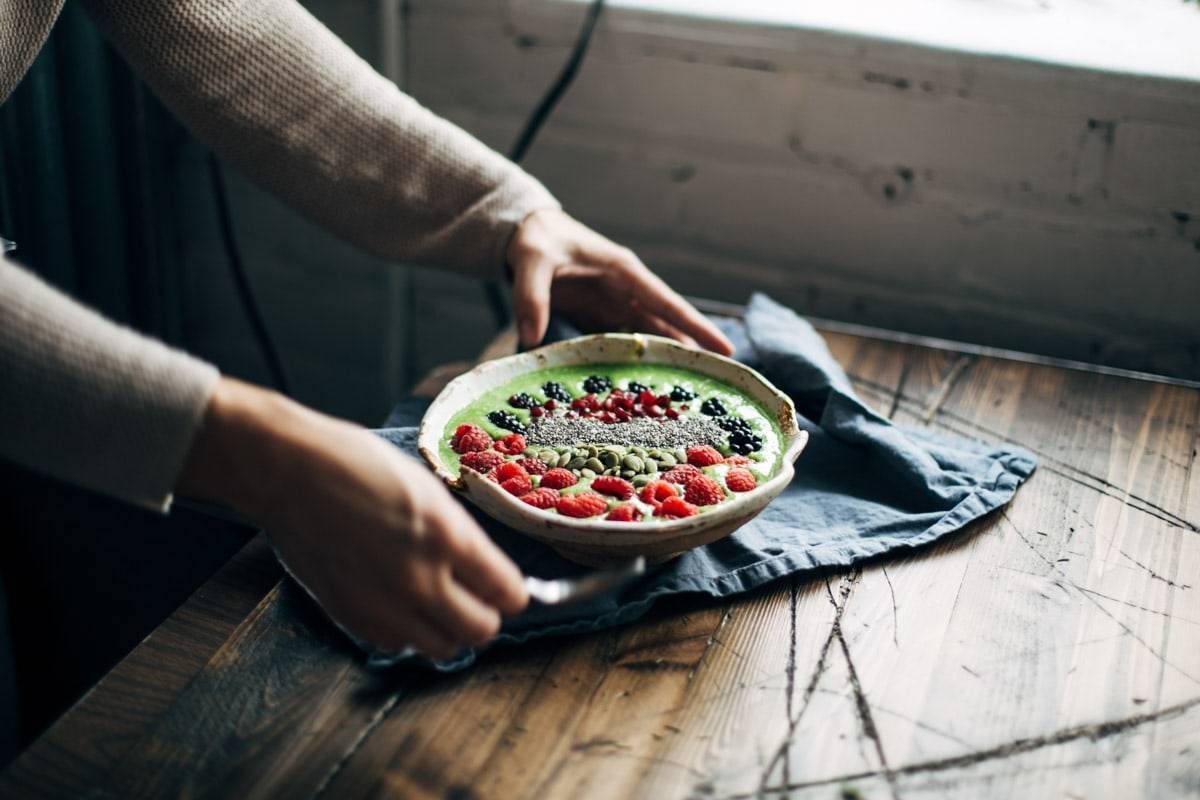
Following the training, MB implemented new techniques regarding composition and lighting. A post shared just days after returning home garnered nearly 1,400 likes—a staggering 1,100-like increase compared to her previous average. This statistic serves as empirical evidence that intentional, professional-led practice can yield immediate and significant shifts in content performance.
Official Guidance: 7 Strategies for Virality
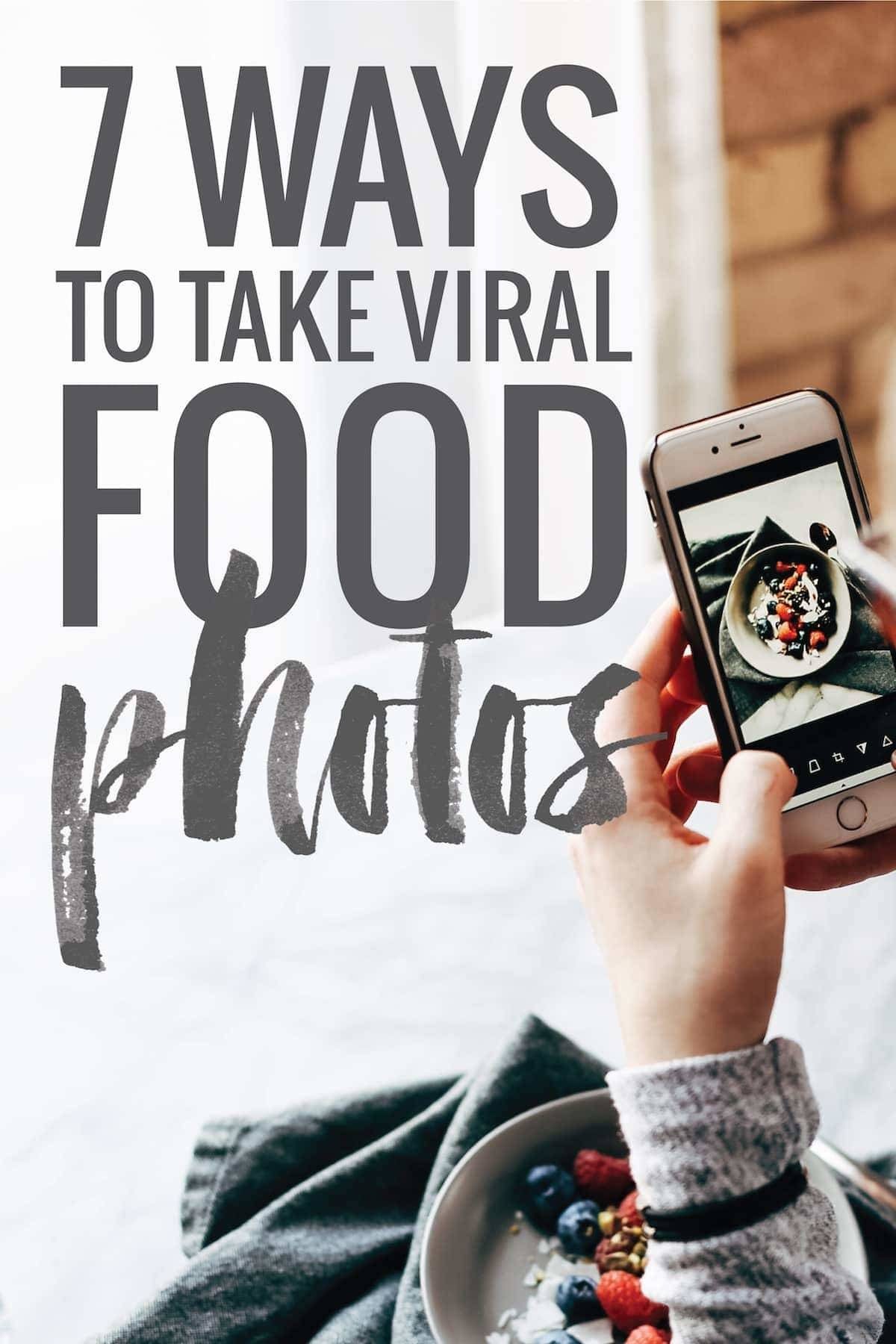
For those looking to optimize their food photography immediately, industry experts emphasize seven key pillars of success:
1. Master the Angles
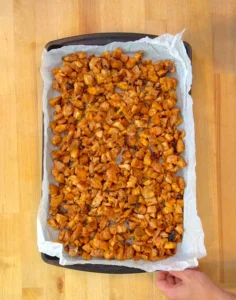
The two most compelling angles in food photography remain the overhead (top-down) and the straight-on shot. Overhead shots are ideal for flat-lay styling, such as smoothie bowls or complex salads, while straight-on shots maximize the perceived height and structural appeal of items like burgers, towering pastas, or decadent desserts.
2. Embrace the Matte Finish
Reflective surfaces are the enemy of the amateur photographer. Shiny plates often capture unwanted light reflections, including the photographer themselves. Utilizing matte-finish ceramics minimizes glare and keeps the viewer’s focus squarely on the dish.
3. Leverage Monochromatic Schemes
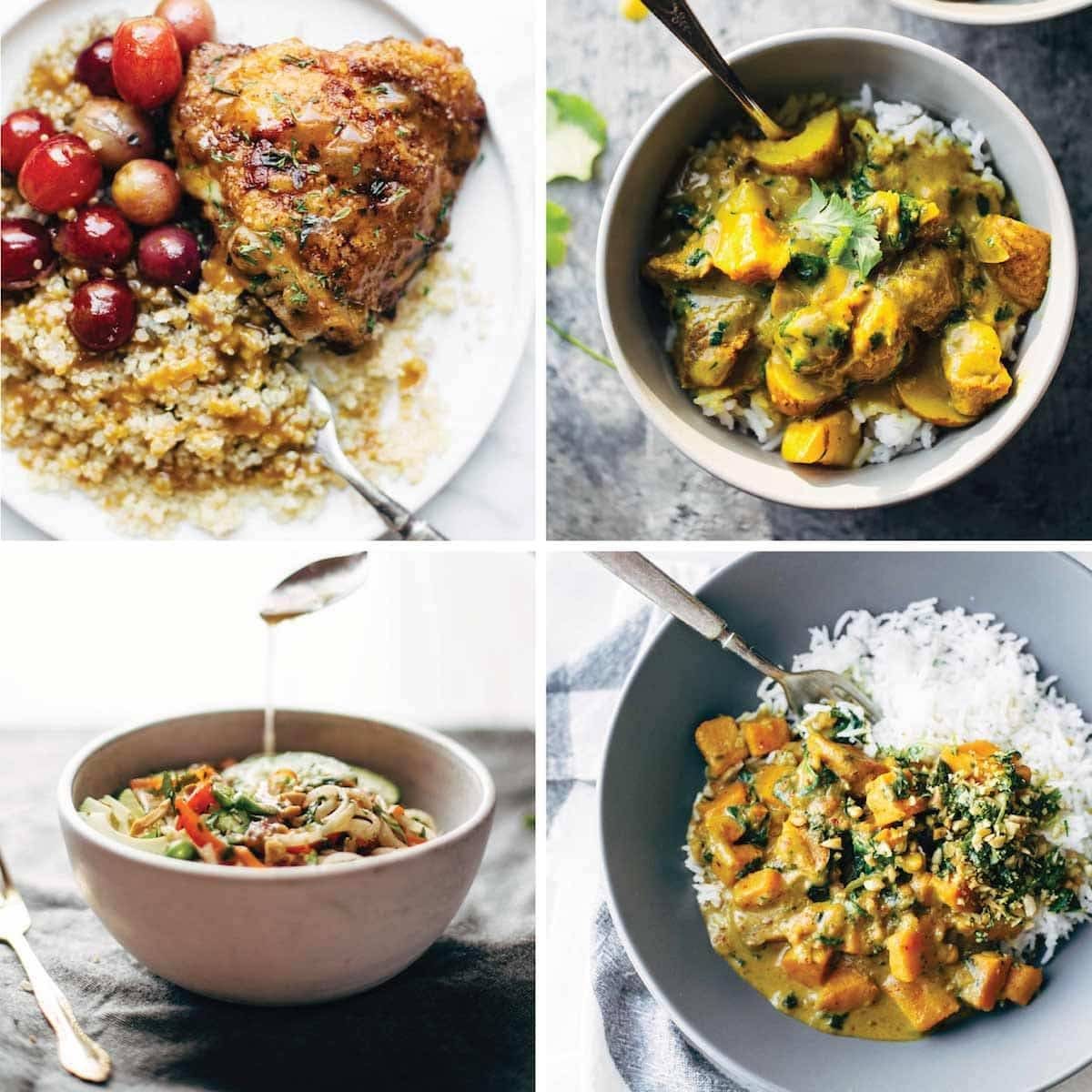
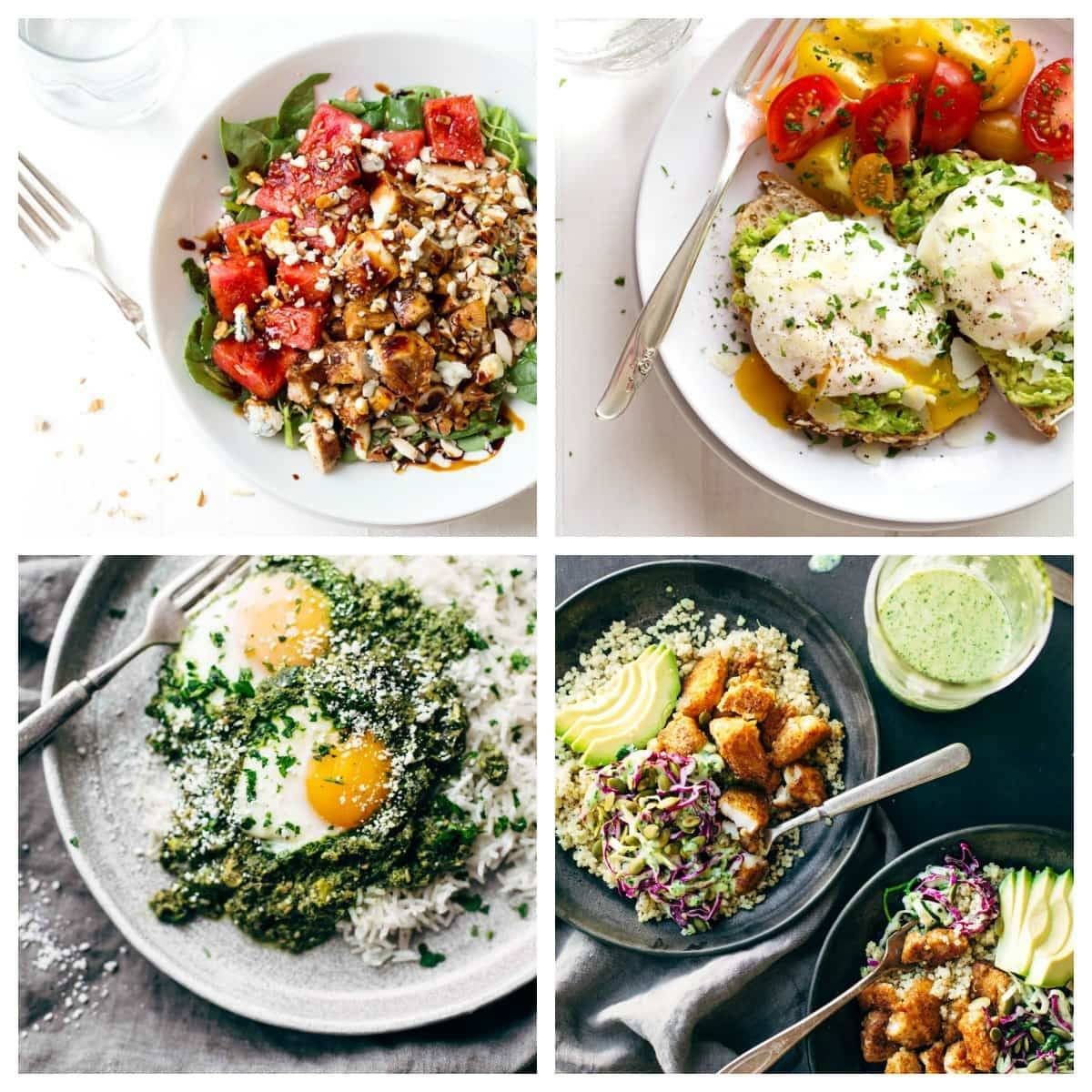
To make a specific dish "pop," contrast is key. Using a monochromatic color palette—such as a white plate on a white background—removes visual noise and forces the eye to focus entirely on the textures and colors of the food itself.
4. Detail-Oriented Styling
Before the shutter clicks, the food must be perfected. This means utilizing techniques like the "fork-twist" for noodles, achieving the perfect runny egg yolk, or using herbs and drizzles to add organic movement. These tiny details communicate freshness and care.

5. Create a Compelling Narrative
A single slice of bread on a plate is rarely viral content. However, a stack of seven slices with melting butter and a drizzle of syrup tells a story of indulgence. When styling, ask: "How can I make this look more inviting?" By adding texture and volume, you transform a basic recipe into a compelling visual experience.
6. Establish a Signature Aesthetic
Consistency is the cornerstone of brand building. While it is important to evolve, developing a signature look—whether it’s light and airy or moody and dark—helps followers recognize your content instantly. Once you identify what style resonates with your audience, use it as a creative anchor.
7. The Power of "Study and Practice"
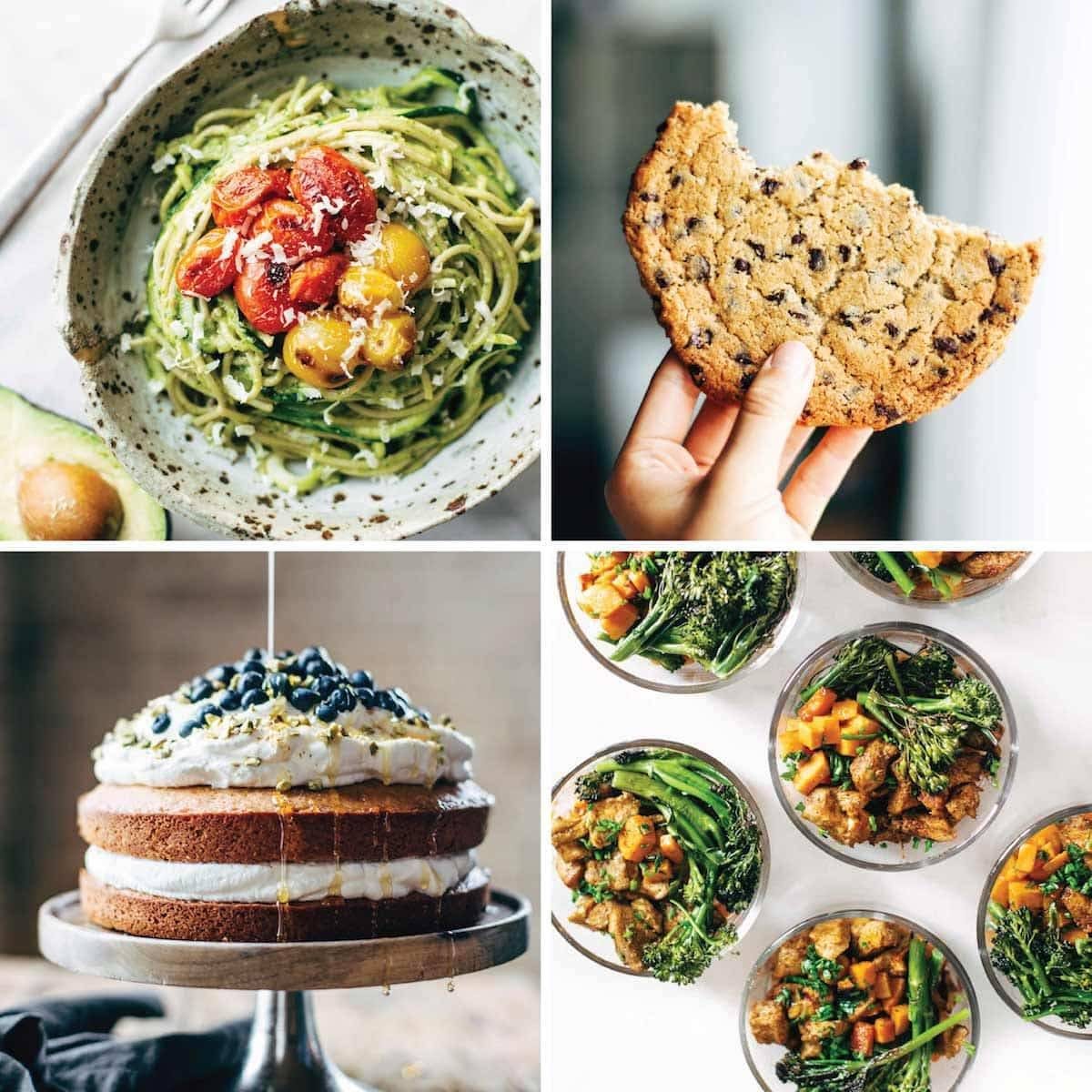
The most effective photographers are also the most active students. By analyzing the work of others, creators can identify effective angles, color palettes, and lighting choices. However, study is only half the equation; it must be paired with consistent, dedicated practice to translate observation into muscle memory.
Implications for the Future of Content Creation
The rise of platforms like Instagram and TikTok has shifted the requirements for successful food blogging. It is no longer enough to share a recipe; the visual presentation must compete with high-production advertising.
The inclusion of a one-year membership to Food Blogger Pro ($279 value) as a bonus for workshop attendees signals a broader industry trend: the integration of photography training with long-term community support. By providing students with an ongoing network, the organizers are acknowledging that mastery is not a destination achieved in two days, but a continuous process of learning and adaptation.
As the industry continues to evolve, the distinction between "hobbyist" and "professional" will increasingly be defined by the ability to blend technical skill with emotional storytelling. For those looking to secure their spot, the workshops remain highly exclusive, with capacity strictly limited to 12 participants per session to ensure personalized feedback.
With spots filling rapidly, the message to aspiring creators is clear: the path to viral content is paved with intentionality, technical rigor, and a willingness to step away from the kitchen and behind the lens. By investing in the craft of photography, creators are not just taking pictures—they are building a visual identity that resonates in an increasingly crowded digital landscape.