Mastering the Lens: 7 Proven Strategies for Viral Food Photography
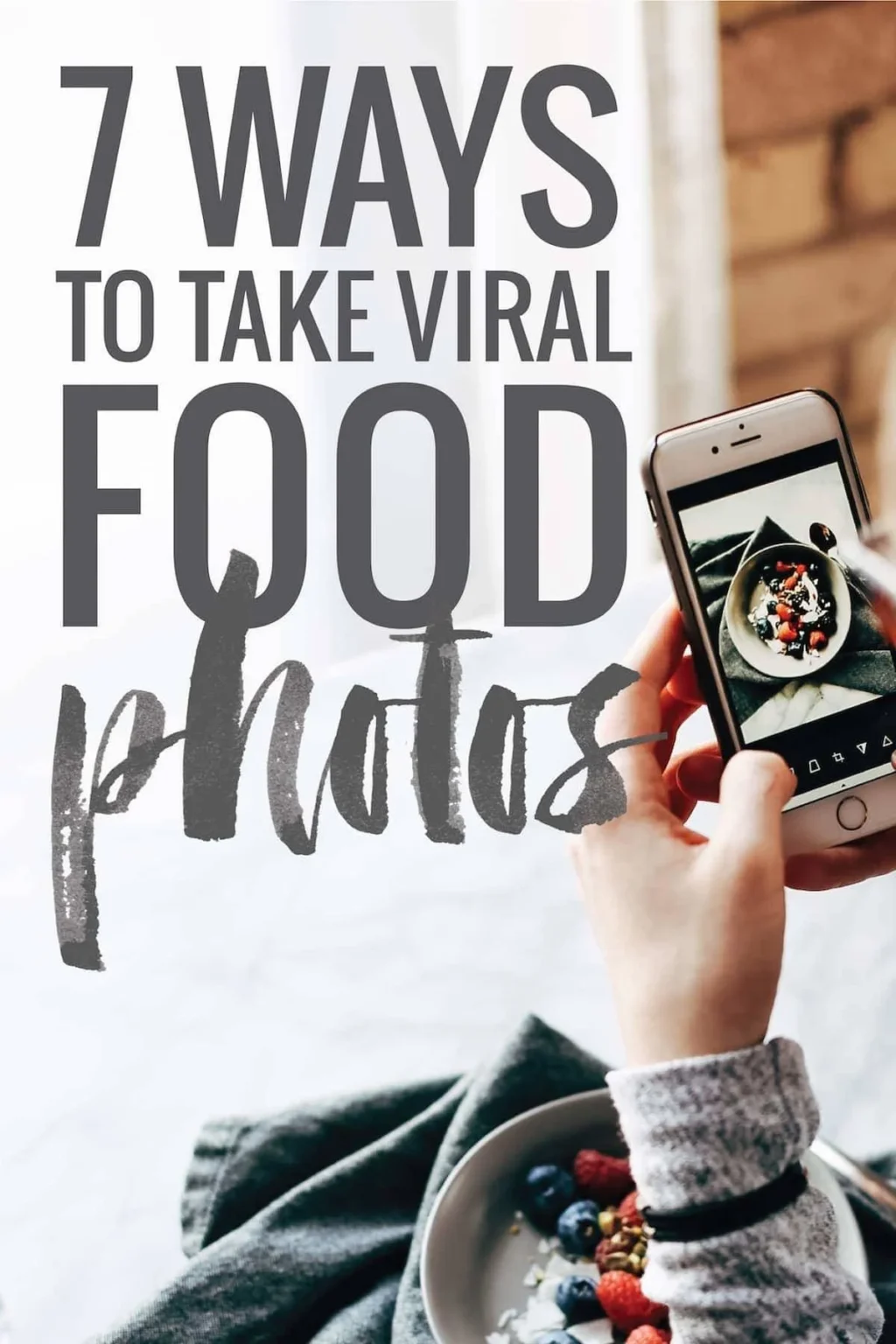
In the digital age, food is more than just sustenance; it is a visual language. As social media platforms like Instagram, Pinterest, and TikTok continue to prioritize high-quality imagery, the demand for "viral-worthy" food photography has skyrocketed. Whether you are an aspiring food blogger, a restaurant owner looking to boost digital engagement, or a culinary enthusiast aiming to elevate your social media presence, the ability to capture food in a way that stops a user mid-scroll is an essential skill.
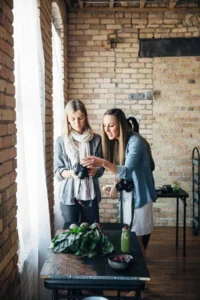
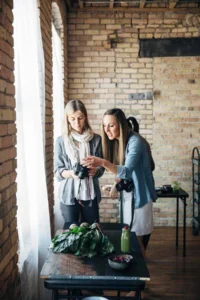
With registration now open for the highly anticipated two-day food photography workshops at the Pinch of Yum studio, we are diving deep into the art and science of food imagery. By combining technical mastery with creative intuition, photographers can transform a simple meal into a digital sensation.
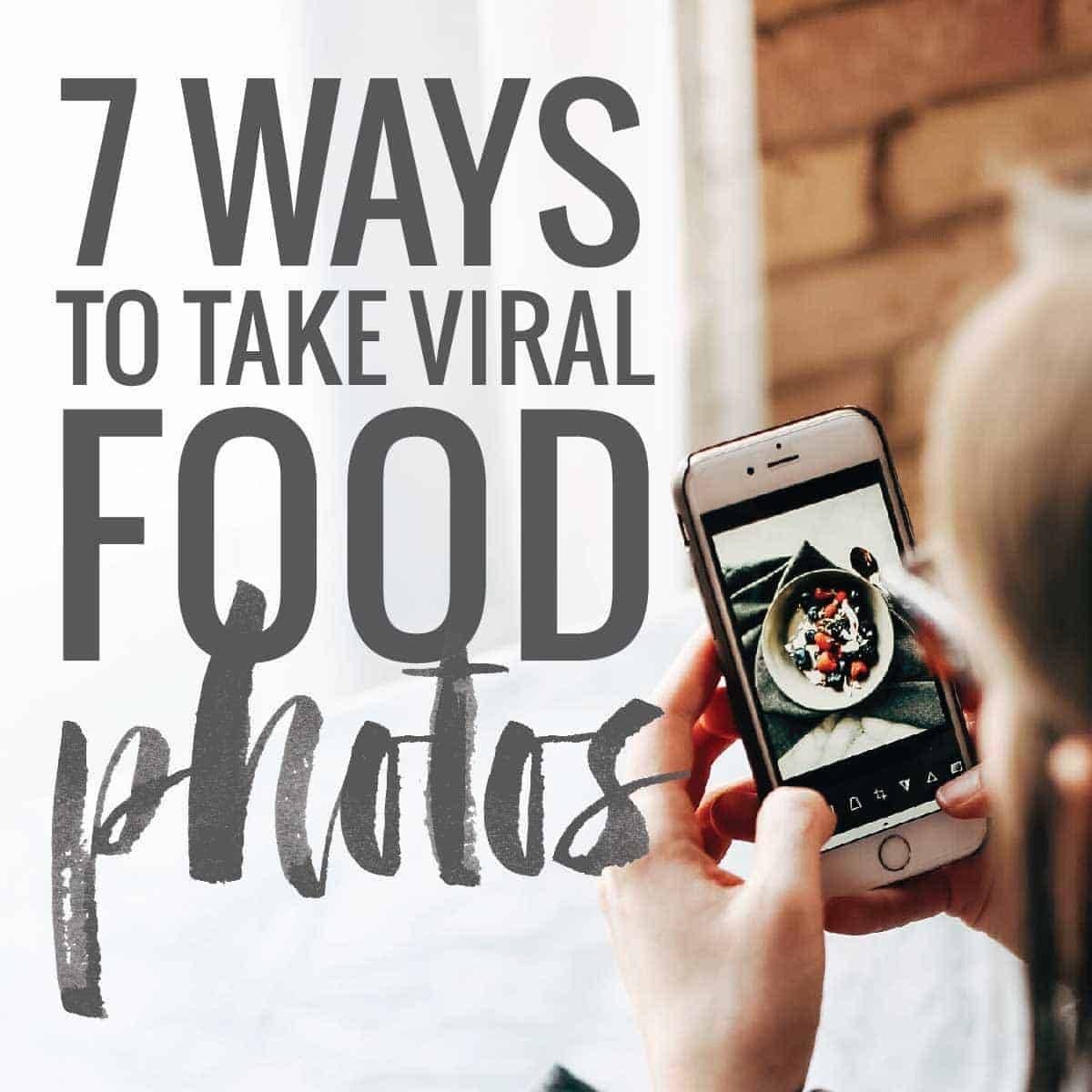
The Evolution of Food Photography: A Chronology of Success
The journey from a blurry plate of dinner to a high-engagement viral post is rarely accidental. For many, it begins with the realization that their current photography isn’t capturing the vibrancy of their culinary creations.
Historically, professional food photography was reserved for cookbooks and magazines, requiring expensive studio lighting and professional stylists. Today, the barrier to entry has lowered significantly. The evolution of the smartphone camera, coupled with accessible education, has democratized the field.
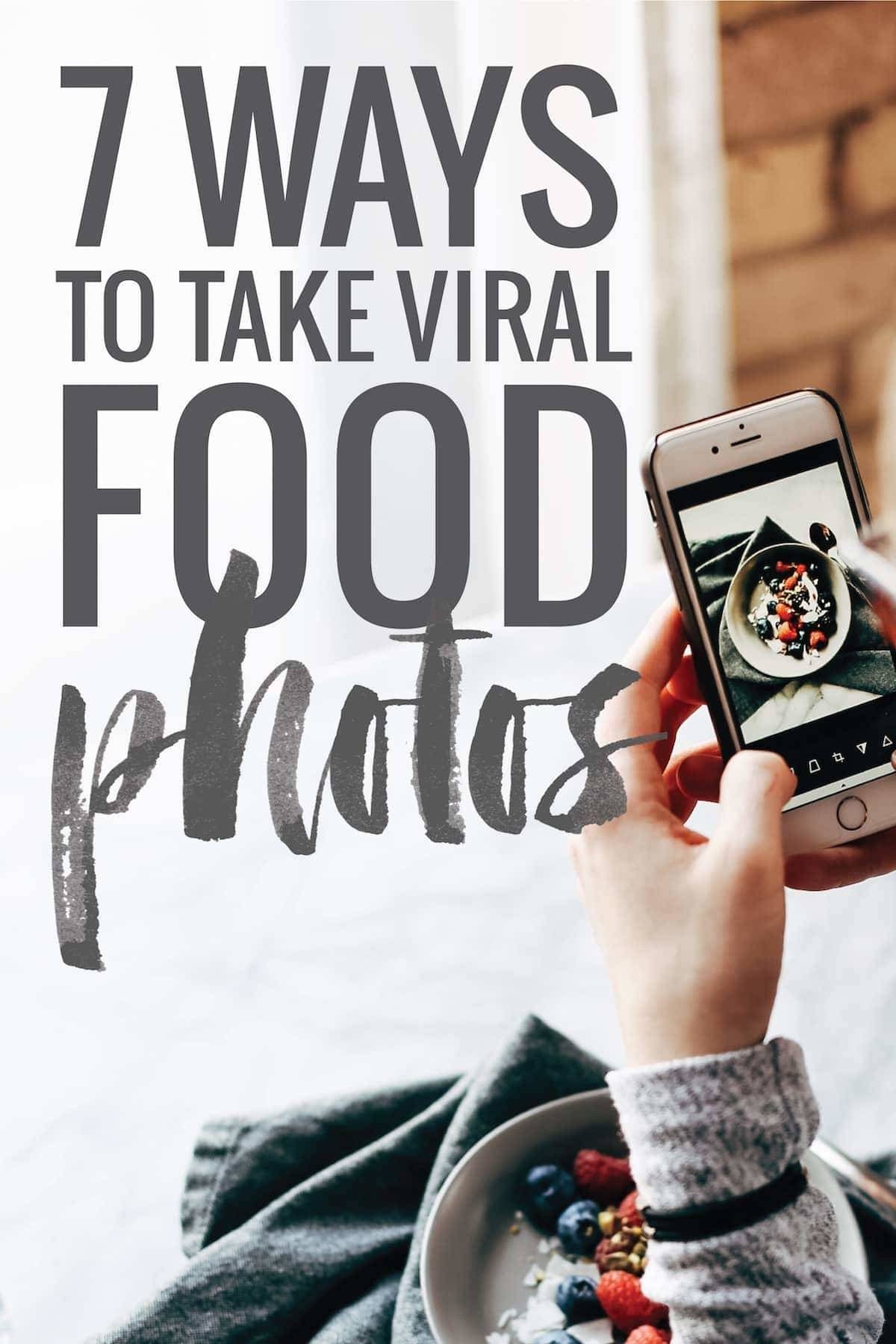
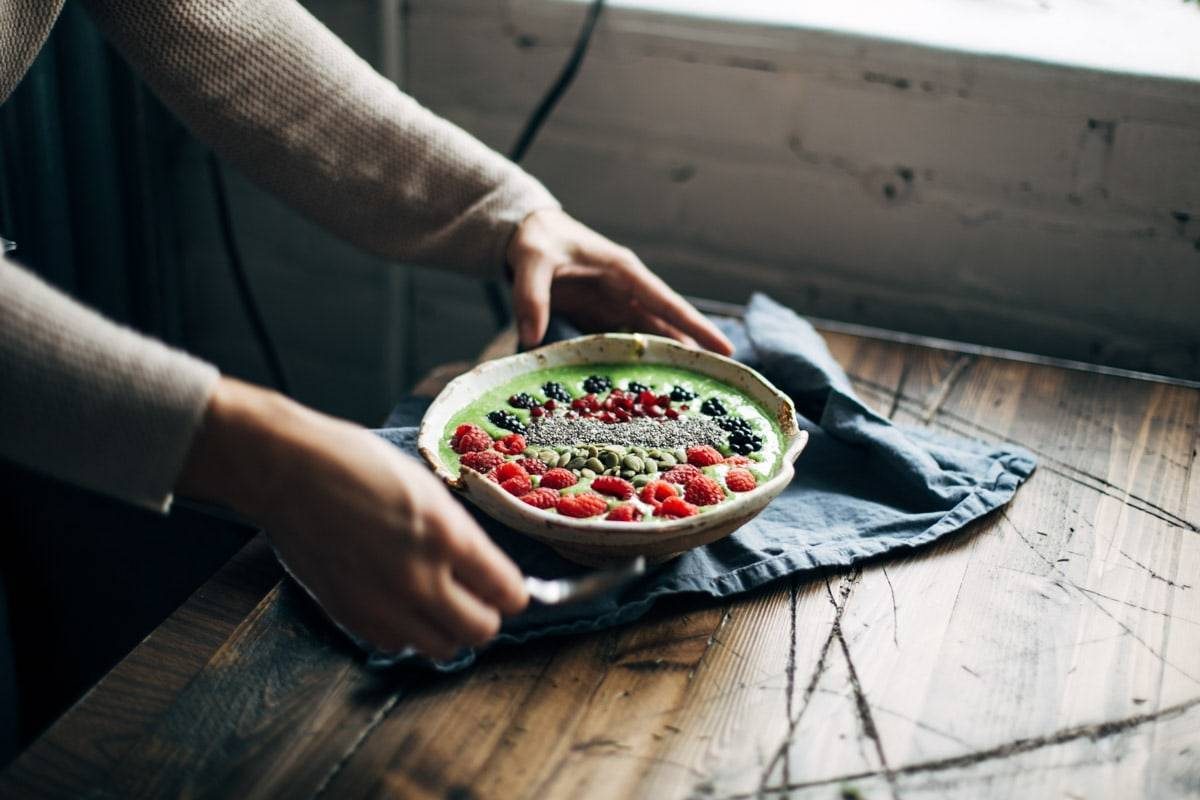
The Pinch of Yum workshops have become a cornerstone in this evolution, providing a structured, hands-on environment where students move from basic manual mode operation to advanced styling techniques. As evidenced by past participants, such as MB—a blogger who saw her Instagram engagement jump by over 1,100 likes after implementing workshop techniques—the gap between a "good" photo and a "viral" one often comes down to intentionality and professional guidance.
Supporting Data: The Impact of Quality Imagery
In the world of social media, data does not lie. Engagement metrics, such as likes, shares, and comments, are heavily influenced by the aesthetic appeal of a photograph. According to industry observations:
- Visual Storytelling: Images that tell a story—showing a process, a texture, or a narrative—consistently outperform static, unstyled shots.
- The "Scroll-Stop" Factor: High-contrast, well-composed images capture attention in less than 0.5 seconds, which is the average window a user spends on a single post before moving on.
- Consistency Leads to Growth: Developing a "signature look" provides a cohesive brand identity, which encourages users to follow, knowing they can expect a certain quality and aesthetic.
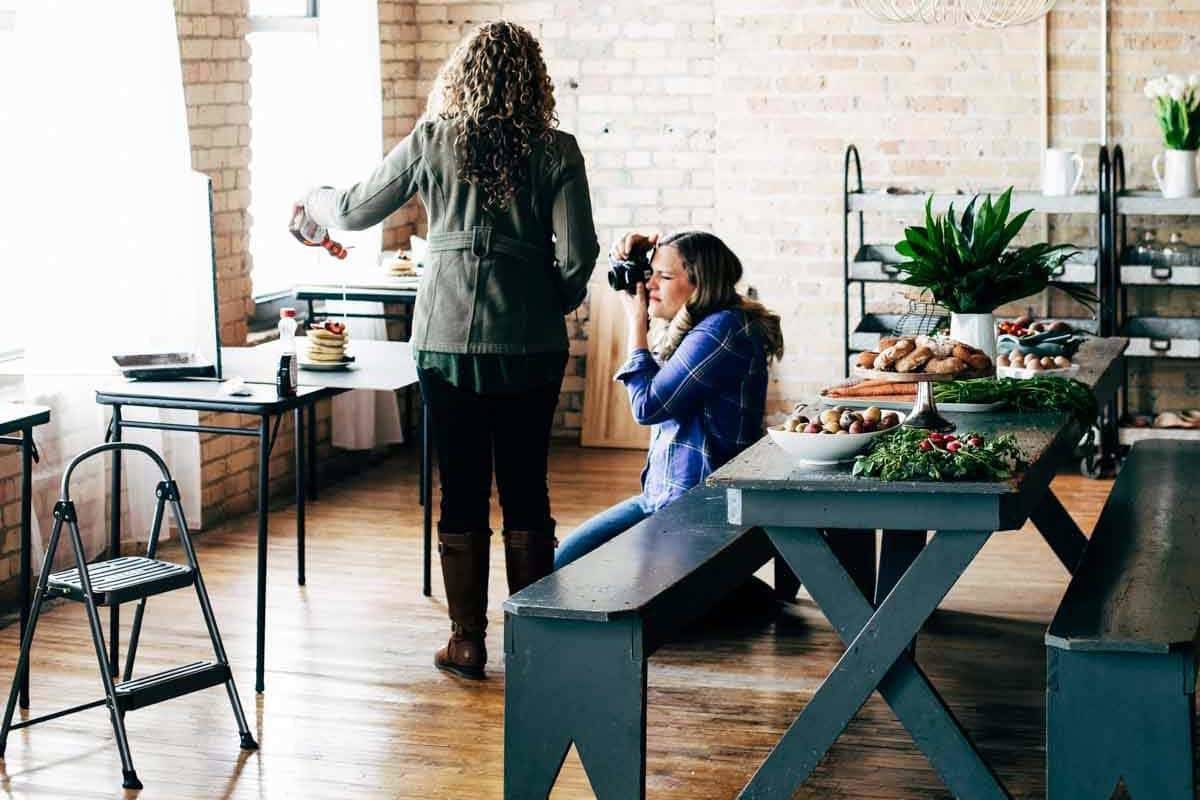
The workshops emphasize these metrics by focusing on "Teach, Model, and Guided Practice." By utilizing the studio’s 12-window layout, participants gain the space and light necessary to refine their own unique style, ensuring that the skills learned are not just theoretical, but immediately applicable to their own platforms.
7 Strategies to Elevate Your Food Photography
To capture images that resonate, one must master both the technical and artistic elements of the craft. Here are seven fundamental strategies for creating viral food photos.
1. Master the Angles: Overhead and Straight-On
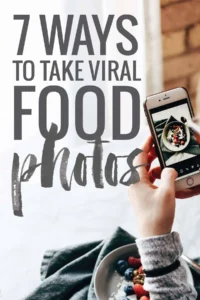
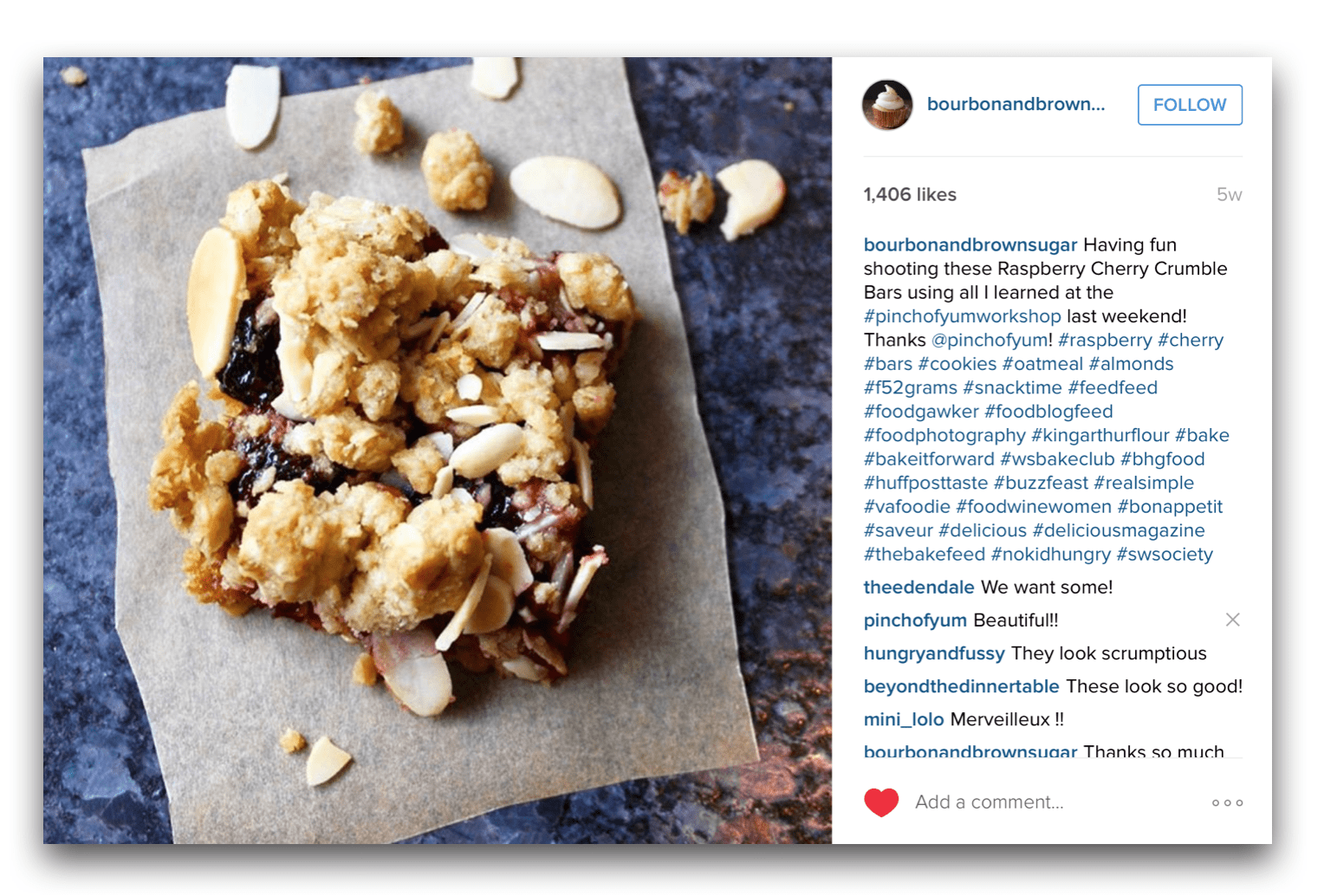
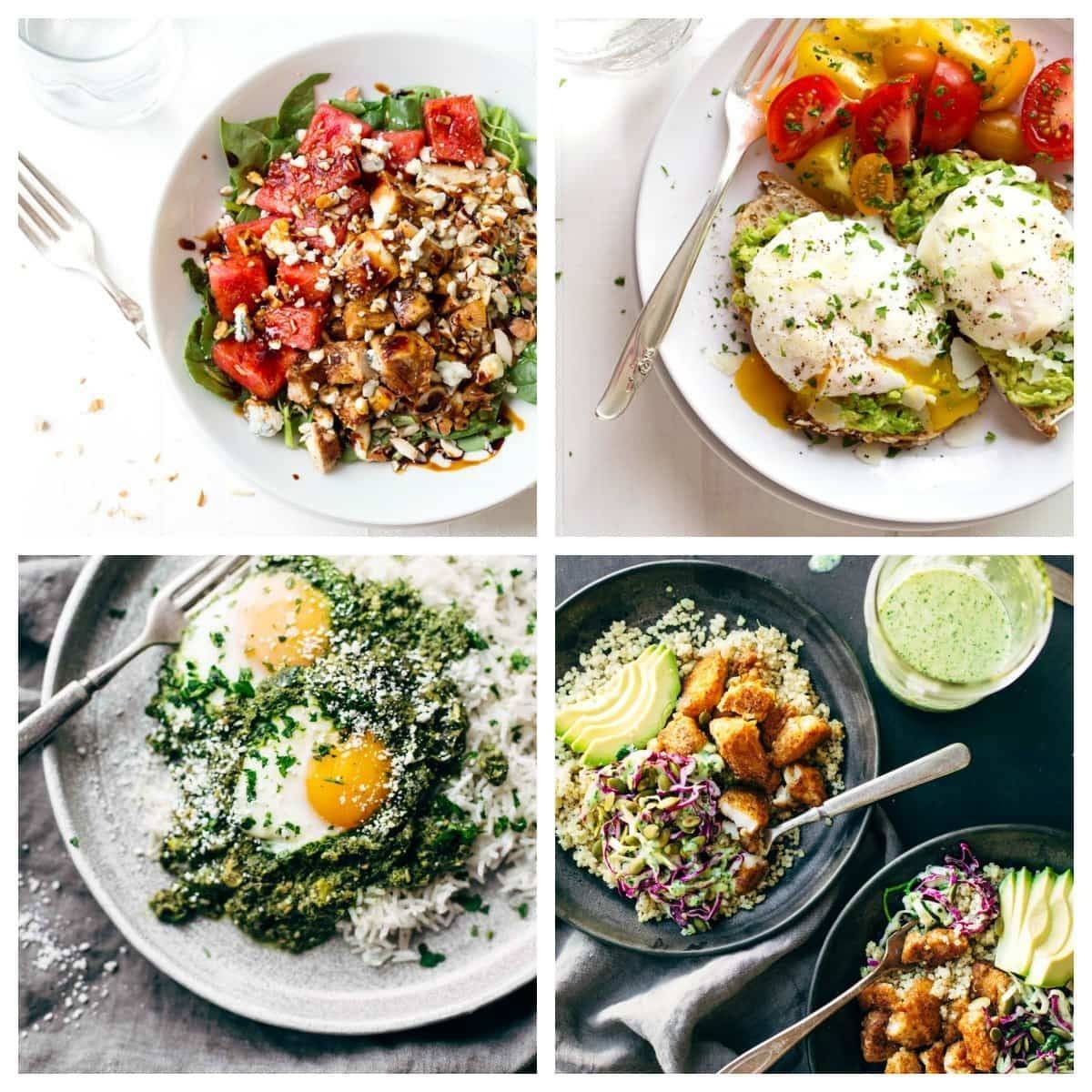
The most compelling angles are often the most straightforward. The overhead angle (flat lay) is perfect for showing off the composition of a smoothie bowl or a salad. It flattens the scene, allowing the viewer to appreciate the color palette and arrangement. Conversely, the straight-on angle provides depth and height, making a burger or a stack of pancakes appear monumental. These angles are versatile, working just as effectively with a smartphone as they do with a professional DSLR.
2. The Matte Advantage
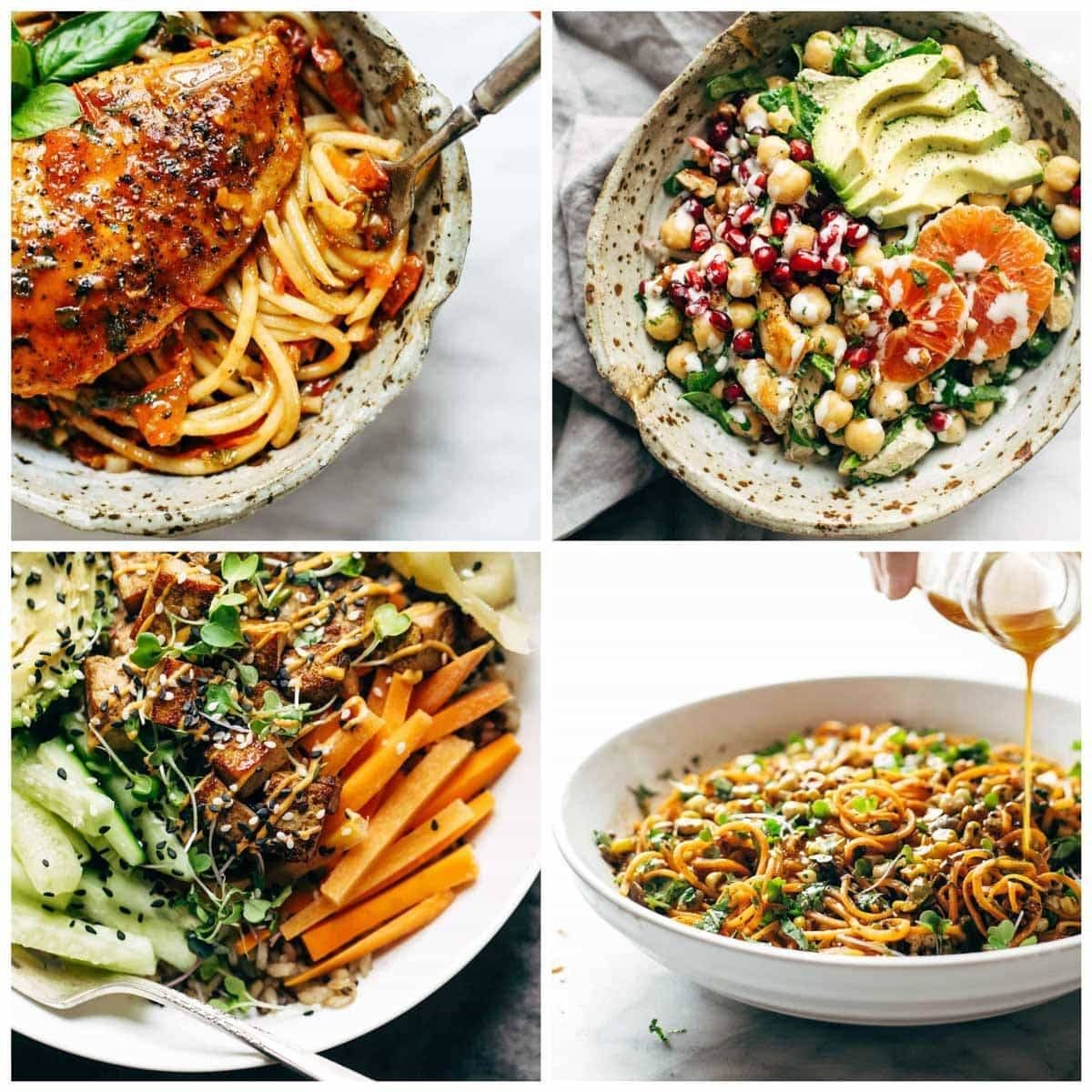
Shiny, reflective dishes are the enemy of a good food photo. They create harsh highlights and, more importantly, often act as mirrors, capturing the photographer in the frame. Investing in matte-finish dinnerware—sourced from ceramic artists or specialty kitchen retailers—eliminates unwanted glare, keeping the focus entirely on the food.
3. The Power of Monochromatic Styling
When the dish itself is the star, simplify your surroundings. A monochromatic color scheme—such as a white plate on a white surface—removes visual distractions. This technique forces the viewer’s eye to rest on the texture and form of the food, creating a clean, high-end look that is inherently "shareable."
4. Detail-Oriented Styling
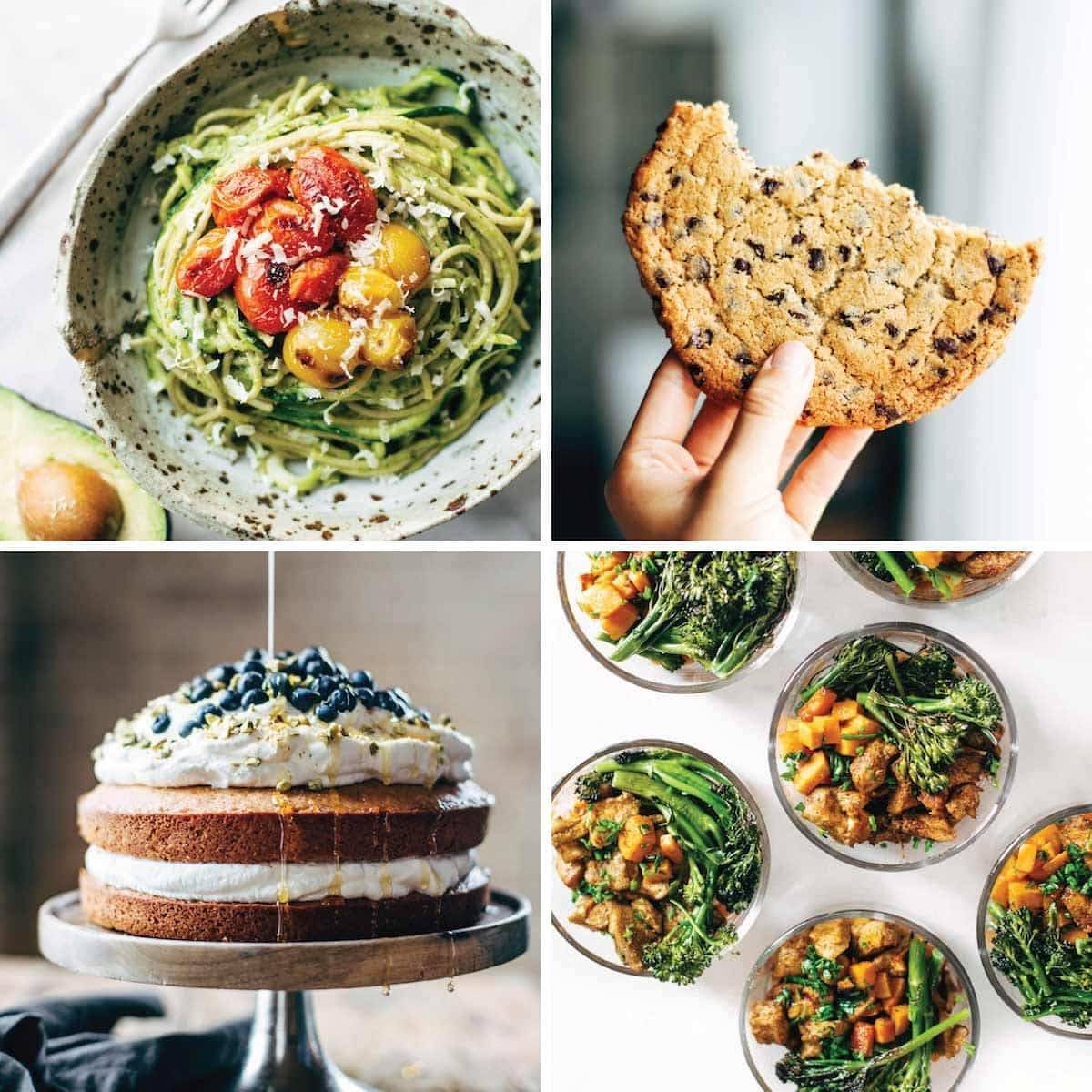
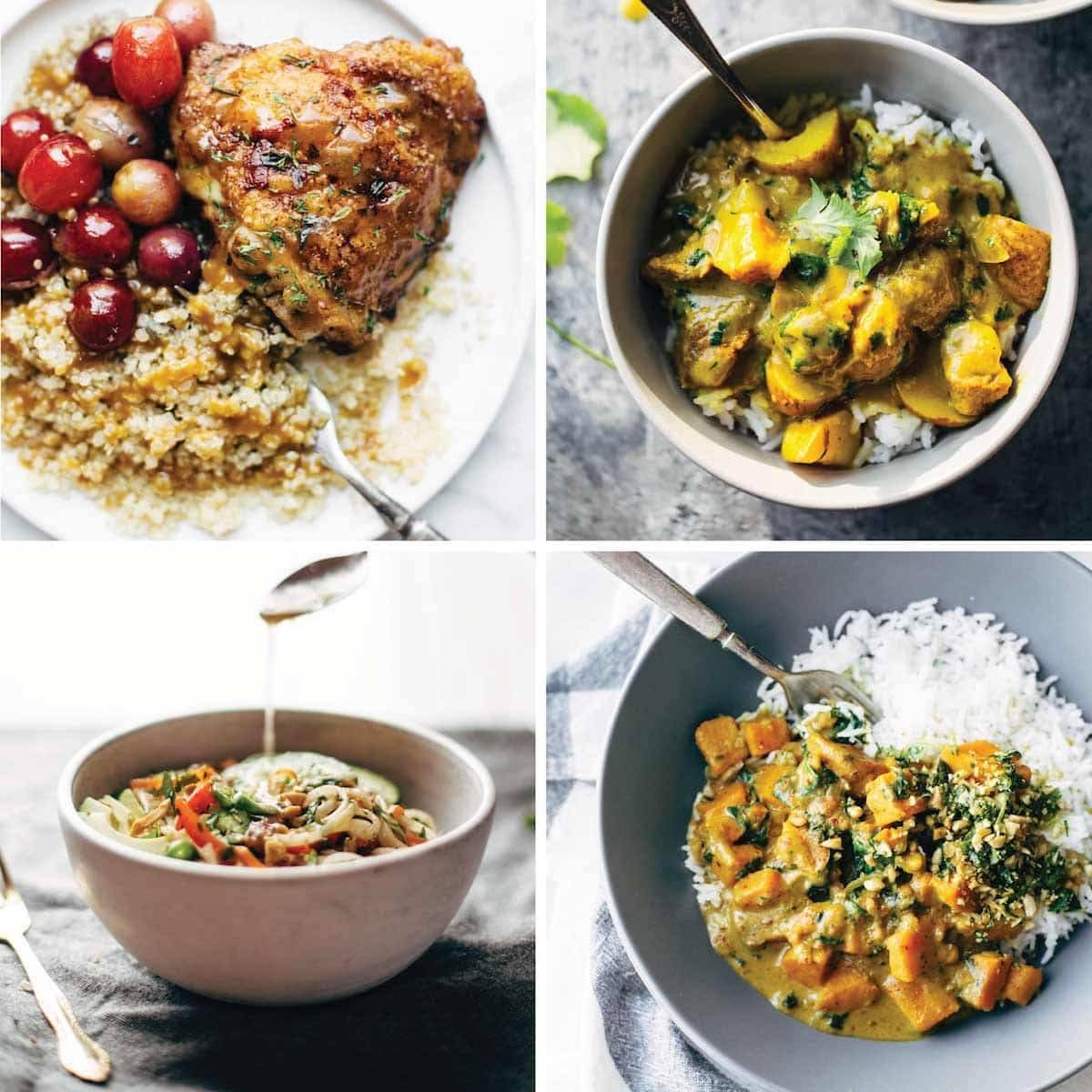
Before you even touch your camera, examine your plate. Does it look "alive"? Techniques like twirling pasta, drizzling a sauce, or adding a final sprinkle of fresh herbs can transform a mundane dish into a work of art. These micro-details convey freshness and care, which users respond to subconsciously.

5. Compelling Content: The "Wow" Factor
Why should someone share your photo? The answer lies in the "wow" factor. A single, flat slice of bread is rarely viral. A stack of seven slices with honey dripping down the sides and a melting pat of butter is. By enhancing the visual appeal—either through the recipe itself or the way it is presented—you create an emotional response that prompts engagement.
6. Develop a Signature Look
While trends change, a signature look creates consistency. Once you identify what style resonates with your audience—be it moody and dark, or bright and airy—embrace it. This stylistic consistency makes your content recognizable in a crowded feed, turning casual viewers into loyal followers.
7. Study and Practice
The final step is continuous education. Follow photographers whose work inspires you and deconstruct their methods: How do they use light? What angles do they favor? Once you have identified these elements, practice them. Studying is not copying; it is the process of synthesizing the best practices of the industry into your own creative workflow.
Official Perspective: Facilitating Learning
Reflecting on the philosophy behind these workshops, the instructors emphasize that their "zone of genius" is not just in taking the photos themselves, but in teaching others how to bridge the gap between creative vision and technical execution.
"My elementary school teacher heart is having a moment back in the spotlight," says the lead instructor. "I get so much joy from taking an intimidating, ambiguous process and making it easy to understand and implement."
This commitment to education is why the workshops are strictly limited to 12 participants per session. By keeping the group small, the studio ensures that each student receives individualized feedback, allowing them to overcome their specific hurdles and walk away with a refined, professional-grade workflow.
Implications for Future Creators
The implications for those who master these skills are significant. In an era where digital content is a primary driver of opportunity—whether through brand partnerships, cookbook deals, or community building—the ability to photograph food effectively is a professional asset.
To support students beyond the two-day intensive, attendees are currently being offered a bonus: a one-year membership to Food Blogger Pro. This provides a long-term resource for continued learning, ensuring that the momentum gained during the workshop can be sustained as the creator grows their brand.
As the industry continues to evolve, the distinction between a casual hobbyist and a successful content creator will remain the quality of their work. With space for these workshops filling rapidly—often halfway sold out months in advance—the window to invest in your craft is narrow. By choosing to move beyond trial-and-error and into intentional, structured learning, you aren’t just taking photos; you are creating the visual language of your future success.