Empowering the Heartland: USDA Launches $50 Million "Stand-Up Program" to Modernize Meat Inspection
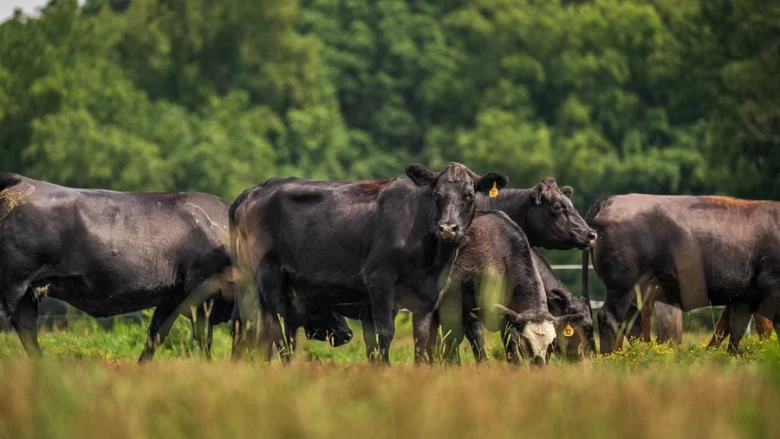
In a significant move to reshape the landscape of the American livestock industry, the U.S. Department of Agriculture (USDA) has unveiled the "Stand-Up Program." This ambitious initiative, backed by $50 million in federal funding, is designed to bolster state-level meat and poultry inspection (MPI) programs, aiming to decentralize processing and provide small-to-mid-sized producers with greater access to regional and national markets.
The launch of the Stand-Up Program serves as a cornerstone of the broader agenda outlined in President Donald Trump’s September 4 Executive Order, which seeks to modernize federal inspection protocols, reduce administrative burdens, and enhance the competitive viability of domestic ranchers.
The Stand-Up Program: Bridging the Regulatory Divide
For decades, the regulatory infrastructure governing meat processing has been criticized for creating high barriers to entry. Currently, 30 states operate their own MPI programs, while 11 participate in the Cooperative Interstate Shipment (CIS) program. However, the USDA has identified a recurring bottleneck: the prohibitive start-up costs associated with launching or expanding state-level inspection infrastructure.
The Stand-Up Program is specifically architected to dismantle these fiscal barriers. By providing direct financial support, the USDA intends to encourage states to develop robust inspection frameworks that ensure food safety while fostering local economic growth. The ultimate goal is to ensure that small, very small, and mid-sized processors can secure the necessary inspections close to their facilities, effectively shortening the supply chain for ranchers.
Understanding the Regulatory Standards
To participate in the national marketplace, state-inspected facilities must adhere to standards "at least equal to" those mandated by the federal Food Safety and Inspection Service (FSIS). While state-inspected plants are traditionally restricted to selling their products within state lines, enrollment in the CIS program offers a crucial bridge. Through CIS, state-inspected facilities can ship their products across state lines under the official USDA mark of inspection, provided they can demonstrate that their oversight remains as rigorous as federal standards.
A Chronology of Policy Shifts
The introduction of the Stand-Up Program did not occur in a vacuum; it is the latest development in a rapid series of policy shifts aimed at reorienting the U.S. meat sector.
- August 28: President Trump issues controversial statements via social media, promising to cut "red tape" and empower farmers to "PROCESS THEIR OWN FOOD." These comments immediately trigger pushback from various industry stakeholders.
- August 31: The USDA introduces the "Ranchers First" initiative. This package includes the Strengthening Processing for U.S. Ranchers (SPUR) Guaranteed Loan Program and the Regional Processor Continuity Effort, both aimed at providing capital to regional meat processing facilities.
- September 4: President Trump signs an Executive Order mandating a comprehensive review and modernization of meat inspection practices. The order emphasizes cutting "unnecessary" requirements and streamlining FSIS reporting to prioritize "core food safety" over administrative overhead.
- Current Date: The USDA formally announces the $50 million Stand-Up Program, translating the directives of the September 4 Executive Order into actionable funding.
Supporting Data and The "Ranchers First" Initiative
The impetus for these changes is grounded in the USDA’s desire to support the "great American beef herd" and protect the livelihoods of independent ranchers. The "Ranchers First" initiative acknowledges that without regional processing, ranchers are often at the mercy of a few large-scale processors, which limits their pricing power and increases their logistical costs.
By injecting capital into the system through the SPUR program, the administration aims to facilitate the growth of regional infrastructure that can handle higher volumes of livestock. This, coupled with the Stand-Up Program, is intended to create a more resilient, distributed network of processors capable of weathering supply chain disruptions.
Official Responses and Industry Skepticism
The administration’s recent maneuvers have been met with a mix of optimism and intense scrutiny. Proponents argue that the reforms are long overdue, noting that small processors have struggled under the weight of "heavy regulatory approval" for years. By modernizing these requirements and focusing on essential food safety outcomes, the administration believes it can lower costs for consumers and increase profits for producers.
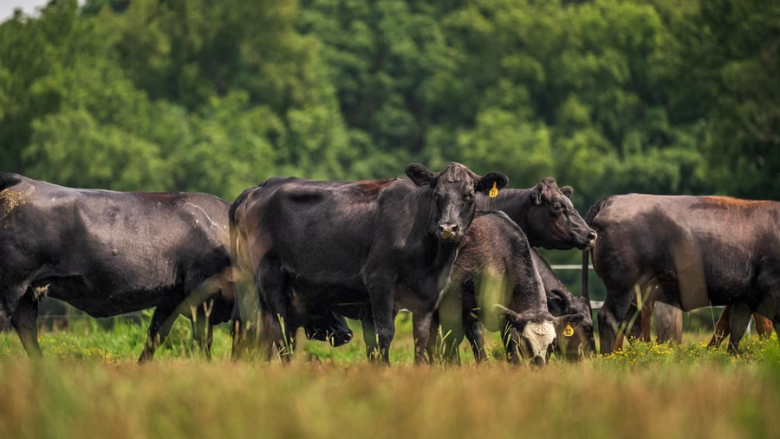
However, the response from established industry groups—particularly cattlemen’s associations—has been guarded. Following the President’s August 28 comments regarding on-farm processing, several organizations issued statements cautioning against the potential erosion of safety standards. Their core argument is that "food safety is not red tape." These groups fear that by relaxing federal oversight, the industry risks outbreaks of foodborne illness that could devastate consumer confidence in the "Made in the USA" beef brand.
The USDA, for its part, maintains that the "at least equal to" requirement remains non-negotiable. They contend that the modernization efforts will not compromise safety; instead, they will replace antiquated, prescriptive paperwork with modern, data-driven food safety technologies that are more efficient and effective.
Implications for the Future of Meat Processing
The long-term implications of these initiatives are significant. If the Stand-Up Program successfully increases the number of states participating in the CIS program, the U.S. could see a surge in the number of small, federally-eligible processing plants. This would effectively democratize access to the broader U.S. market, allowing smaller operations to compete more effectively with industrial-scale processors.
Implications for Regulatory Oversight
The shift toward "modernized" inspection represents a pivot in how the government views its role in the food supply chain. Rather than acting as a gatekeeper that mandates specific, often rigid, operational procedures, the FSIS is moving toward a model that rewards food safety performance. This shift toward "outcome-based" regulation is expected to encourage innovation in processing technology, as companies invest in new systems that satisfy safety requirements while increasing output.
Implications for Market Dynamics
For the consumer, these policies could lead to a more diverse marketplace, with more regional brands available on grocery store shelves. For the rancher, it offers the potential for greater autonomy. By reducing the distance livestock must travel to reach a processing facility, producers can reduce transportation costs and animal stress, which can lead to higher quality meat and better margins.
Conclusion: Balancing Innovation and Integrity
As the USDA prepares to distribute the $50 million in Stand-Up Program funding, the industry remains at a crossroads. The challenge for the administration will be to balance its commitment to market expansion and regulatory relief with the paramount necessity of maintaining the highest standards of public health.
The success of these programs will likely be measured by whether they can effectively facilitate the growth of small-to-mid-sized processors without triggering an increase in food safety incidents. If successful, the Stand-Up Program and the "Ranchers First" initiative could serve as a template for a more decentralized, resilient, and competitive American food system. However, for many in the industry, the proof will be in the implementation—specifically, how the USDA defines "unnecessary" requirements versus essential safety protocols in the months ahead.
As the program rolls out, stakeholders will be closely watching the intersection of policy and practice, looking to see if these changes truly result in a more efficient market or if they inadvertently create new vulnerabilities in the nation’s food supply chain.