The Art of the Rustic Table: Mastering the Gluten-Free Strawberry Galette
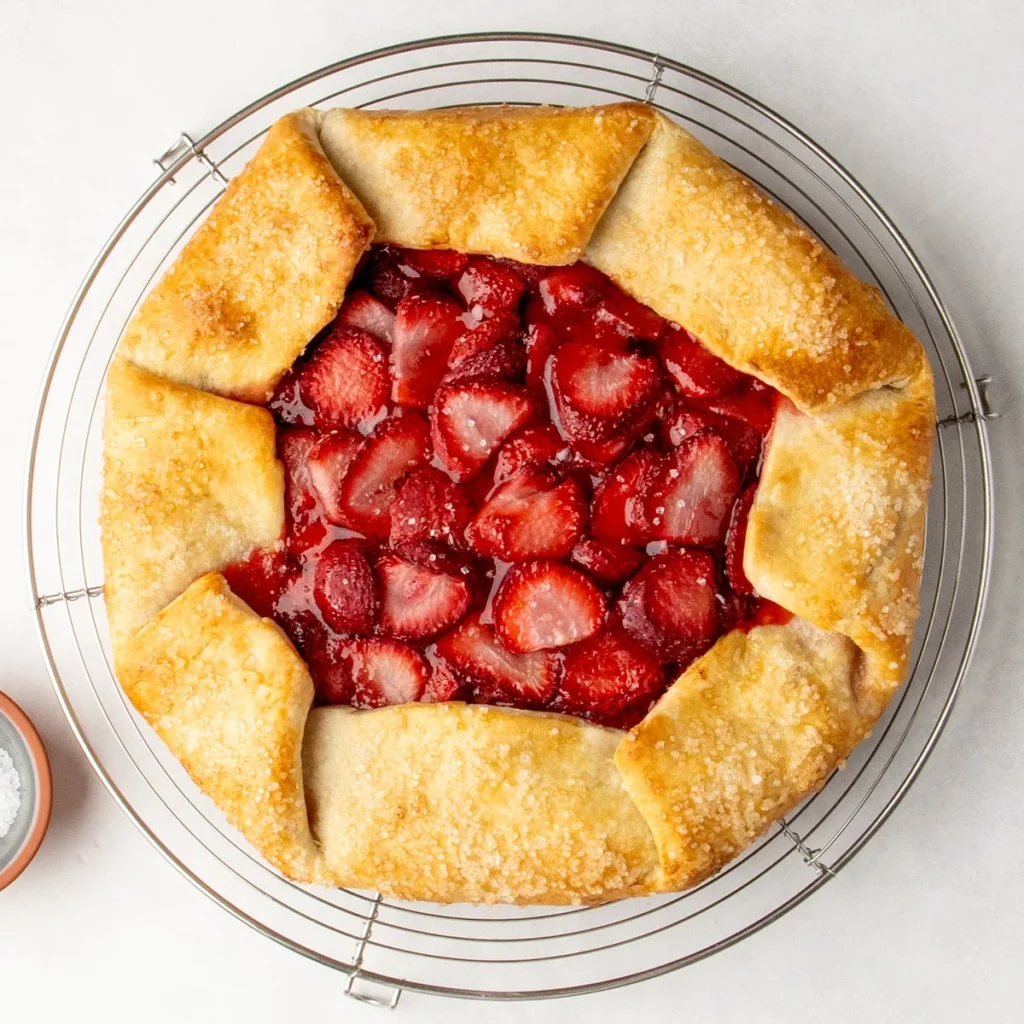
In the world of professional baking, the galette is often heralded as the sophisticated cousin of the traditional pie. It possesses an effortless, "undone" elegance that appeals to both novice home bakers and seasoned pastry chefs. When adapted for a gluten-free lifestyle, this rustic tart becomes more than just a dessert; it represents a triumph of texture and technique. This guide explores the intricate science and culinary methodology behind crafting the perfect gluten-free strawberry galette, a dish designed to showcase seasonal produce with a flaky, buttery finish that defies the common pitfalls of gluten-free crusts.
Main Facts: The Anatomy of a Perfect Galette
A galette is essentially a free-form crust folded over a fruit filling. Unlike a pie, which requires a vessel—a pie pan—to support its structure during the baking process, the galette relies on the structural integrity of its own pastry. For those living with gluten sensitivities, the primary challenge is achieving that "shatter-crisp" crust without the structural elasticity provided by wheat gluten.
The recipe in question succeeds by utilizing a high-quality gluten-free flour blend, typically reinforced with xanthan gum, which provides the necessary binding properties to prevent the dough from crumbling. By incorporating cold, cubed butter and manual folding techniques, the baker creates distinct layers of fat and flour. When these layers hit the high heat of a preheated oven, the water content in the butter evaporates, creating steam pockets that result in a light, airy, and undeniably flaky pastry. The filling—a macerated blend of fresh strawberries, sugar, and tapioca starch—is engineered to thicken into a glossy, jewel-toned jam that remains stable under heat.
Chronology: A Step-by-Step Culinary Workflow
The process of constructing this galette is a precise operation that balances temperature control with artistic assembly.

Phase 1: The Foundation
The process begins with the careful whisking of dry ingredients to ensure the even distribution of leavening agents and stabilizers. The addition of cold butter is the most critical step; the butter must be pressed into "shards" between the fingers. This specific technique ensures that the fat remains in discrete pieces rather than blending entirely into the flour, which is the secret to achieving a layered, flaky crust. Once the ice-cold water is added, the dough is brought together just until hydrated and chilled for 30 minutes to firm the fats.
Phase 2: Flavor Extraction
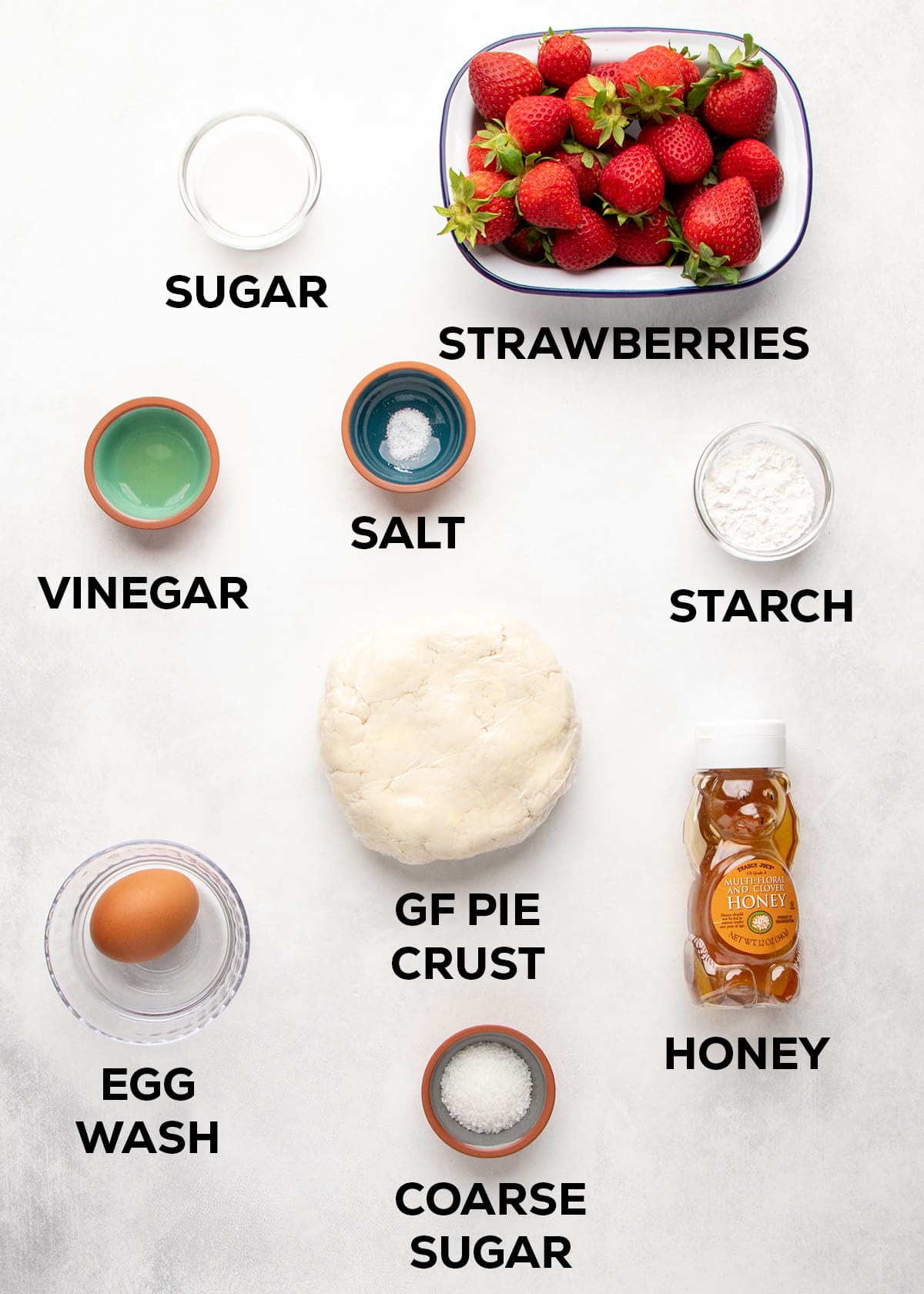
While the dough rests, the strawberries are prepared. By macerating the berries with granulated sugar, a dash of salt, and a touch of vinegar, the baker draws out excess moisture. The inclusion of tapioca starch is a strategic move; it acts as a thickening agent that transforms the fruit juice into a glossy, syrup-like consistency, ensuring the center of the galette remains cohesive and flavorful rather than watery.
Phase 3: The Assembly
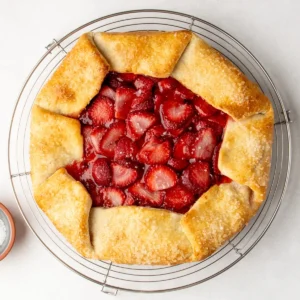
The crust is rolled into a 14-inch round, providing a sturdy base for the fruit. A thin layer of honey is brushed onto the base of the pastry before the filling is added—a pro-tip that seals the crust and encourages a golden-brown finish. The edges are then folded over the fruit in an overlapping, pleated fashion, leaving the center exposed to allow for evaporation during the bake.
Phase 4: The Final Thermal Transformation
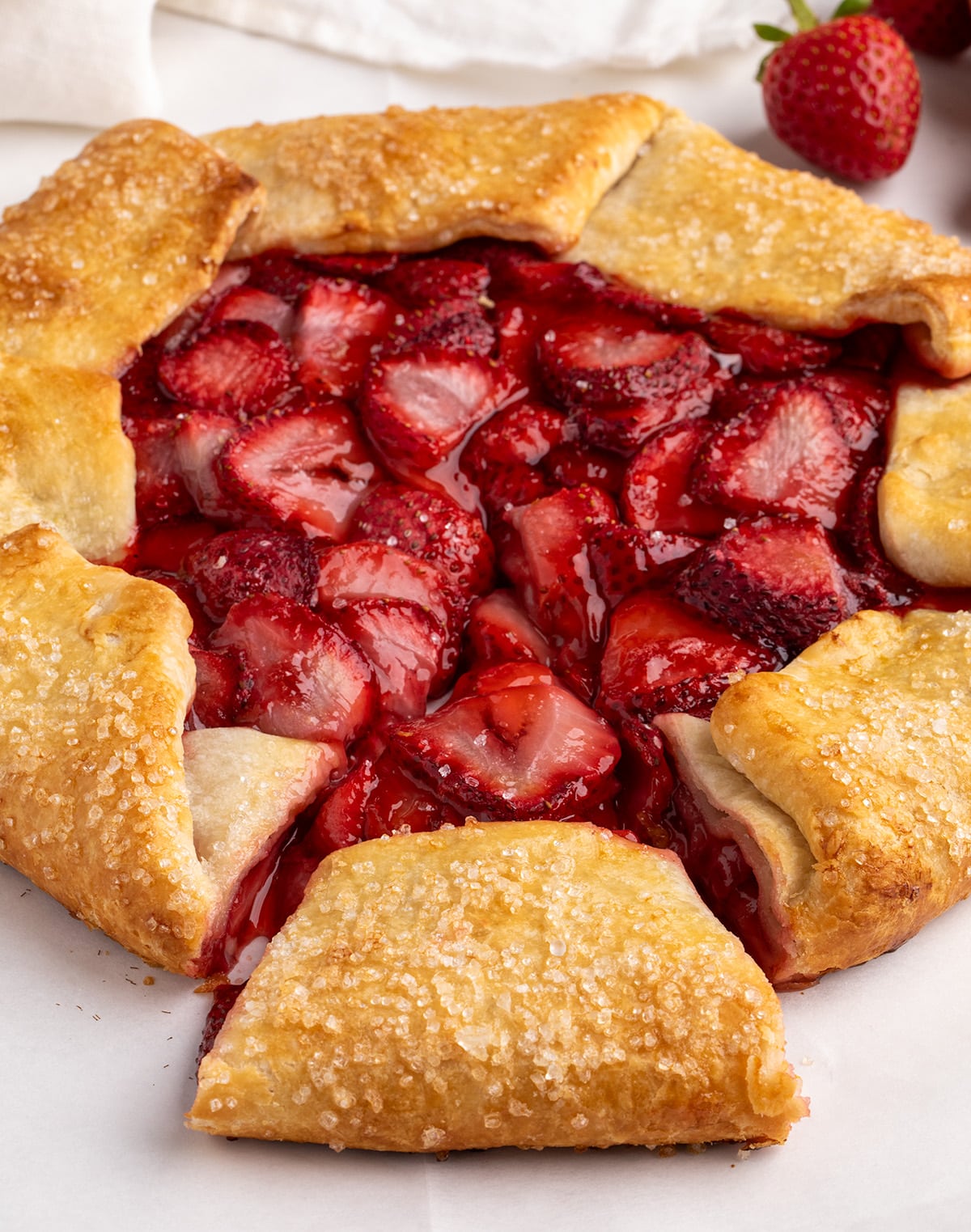
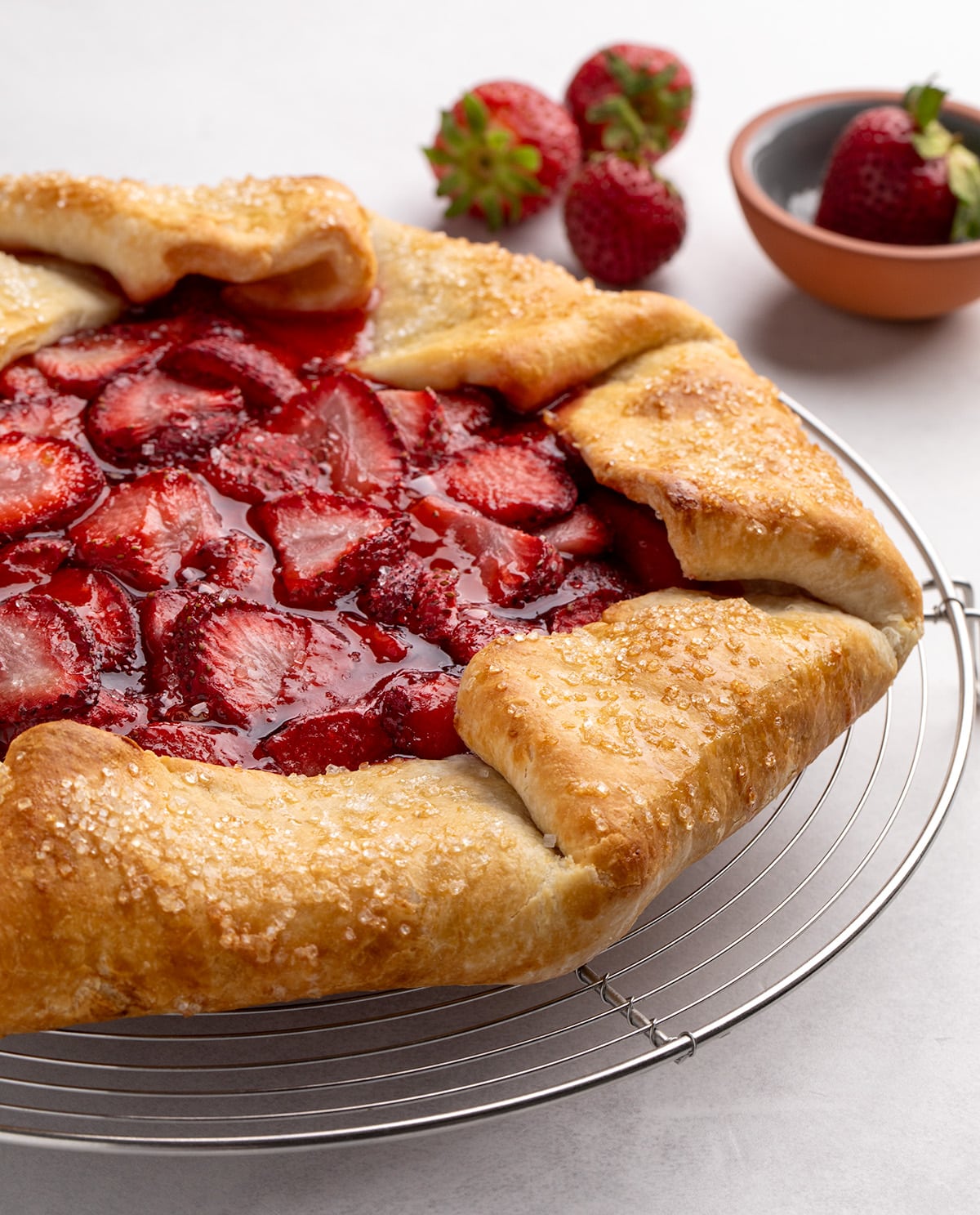
Before the tart hits the oven, it undergoes a secondary chill. This ensures the butter is solid before it enters the heat of the oven, which prevents the pastry from losing its shape or becoming greasy. Baked at 375°F for approximately 35 minutes, the galette emerges with a deep, golden-brown crust and bubbling, caramelized fruit.
Supporting Data: Nutritional and Structural Analysis
When analyzing the nutritional profile of this dessert, it is important to note that the caloric content (approximately 320 kcal per serving) is derived primarily from the fats in the pastry and the natural sugars in the fruit. The 6g of protein and 3g of fiber are notable additions provided by the gluten-free flour blends, which often incorporate rice, potato, and tapioca starches.
From a structural standpoint, the success of this recipe hinges on the "moisture-protection" strategy. By rolling the dough to a specific 1/4-inch thickness, the baker creates a structural barrier that supports the weight of the fruit. The use of tapioca starch as a thickener is preferred over cornstarch in many professional gluten-free kitchens because it remains clear and provides a better mouthfeel, avoiding the "cloudy" or "pasty" consistency that some starches can impart.
Official Perspectives: Expert Insights on Gluten-Free Baking
Industry experts often emphasize that "good for gluten-free" is an antiquated standard. The current culinary movement is focused on parity—creating foods that are indistinguishable from their gluten-containing counterparts.
"The secret to a successful crust is not just the flour," notes industry-leading recipe developer Nicole Hunn. "It is about the handling of the fat. Whether you are using traditional butter or a dairy-free substitute, the temperature is your primary tool."
Experts also highlight the versatility of the galette format. By mastering the basic technique, bakers can pivot between seasonal fruits, ranging from the acidic bite of stone fruits to the earthy sweetness of roasted apples. The consensus among professionals is that the galette is the most forgiving entry point for bakers looking to refine their gluten-free pastry skills, as the "rustic" nature of the presentation masks minor aesthetic imperfections while rewarding the baker with professional-grade results.
Implications: The Future of Home-Baked Pastry
The rise of recipes like this strawberry galette suggests a significant shift in home baking. As more households embrace gluten-free diets for health or necessity, the demand for sophisticated, high-performance recipes has increased. The implication for the future of home cooking is clear: the barrier to entry for complex baking projects is being dismantled.
By simplifying the geometry of the pie (moving from the enclosed tin to the open-faced galette), the recipe removes the anxiety often associated with crust-shaping. This accessibility encourages more people to utilize fresh, local produce, supporting agricultural cycles rather than relying on processed, store-bought alternatives.
Furthermore, the storage capabilities—specifically the ability to freeze the raw, pre-assembled galette—aligns with the modern, busy lifestyle. The ability to pull a pre-made, high-quality dessert from the freezer and bake it on demand provides a level of convenience previously reserved for industrial pre-packaged goods, but with the nutritional and sensory benefits of a handmade, fresh product.
In conclusion, the gluten-free strawberry galette is a masterclass in balance. It combines the scientific precision of dough hydration with the aesthetic freedom of rustic plating. For the home baker, it serves as a reminder that limitations in ingredients do not have to result in limitations in quality. With the right technique, the perfect crust is well within reach, proving that gluten-free baking can be, and should be, as delicious as the memories we aim to recreate.