Navigating the Noise: A Consumer’s Guide to Amazon’s ‘Prime Big Deal Days’
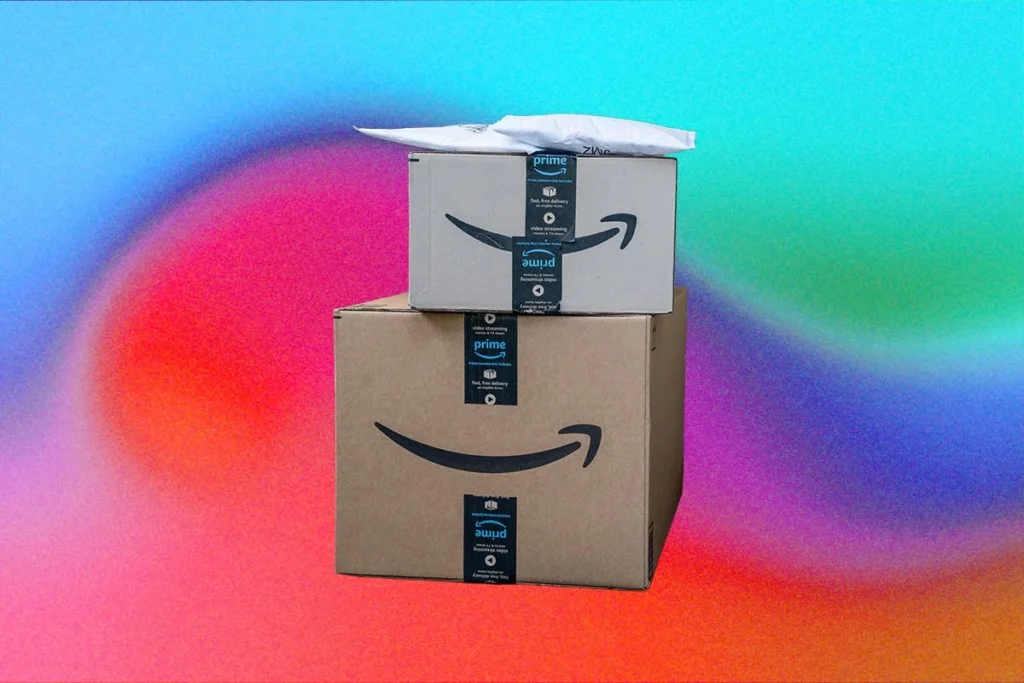
The modern retail landscape has been fundamentally altered by the advent of "shopping holidays." Among these, Amazon’s Prime Day events stand as the titan of consumer commerce. Yet, for the average shopper, these events have become increasingly labyrinthine. What began as a single-day celebration of Amazon’s anniversary has morphed into a sprawling, multi-day digital frenzy that frequently blurs the line between genuine savings and strategic marketing manipulation.
As we approach the latest iteration—officially dubbed "Prime Big Deal Days"—scheduled for October 6 and 7, the pressure to participate can feel overwhelming. With "millions of deals" promised, the sheer volume of information often masks the reality that many discounts are either superficial or applicable to items that rarely see full-price sales. To navigate this, we must look past the banner ads and understand the mechanics of the sale.
The Chronology of the Event
Amazon’s Prime Big Deal Days are set to commence on Tuesday, October 6, and conclude on Wednesday, October 7. The event follows a strict 48-hour window, beginning at 3:01 am Eastern Time (midnight Pacific).
For the disciplined shopper, the timing of deal drops is essential. Amazon typically releases new batches of discounts three times daily: 3:00 am, 11:00 am, and 4:00 pm ET. Interspersed within these scheduled drops are "Lightning Deals"—highly time-sensitive, limited-stock offers that appear and vanish with little warning. Success in this environment requires a proactive strategy: identify your needs, track your items, and be prepared to strike when the price threshold meets your criteria.
Understanding the Membership Requirement
The core value proposition of Prime Day is its exclusivity. Officially, the deepest discounts are reserved for Amazon Prime members. This serves as a significant driver for new subscriptions. For those who are not currently members, Amazon offers a 30-day free trial.
However, a savvy consumer should recognize that exclusivity is not absolute. In response to Amazon’s dominance, rival retailers including Walmart, Target, and Best Buy frequently launch aggressive "counter-programming" sales. These competing events often mirror or even undercut Amazon’s pricing on major electronics, home appliances, and seasonal goods. For shoppers who have ethical or logistical objections to shopping on Amazon, these secondary markets offer a viable, often equivalent, alternative.
The Economics of a "Deal"
Is the event actually worth your investment? The answer is nuanced. Historically, Amazon hardware—such as Kindles, Fire tablets, Echo speakers, and Fire TV sticks—reaches its absolute lowest price points during these windows. If you are in the market for these specific devices, the event is undeniably beneficial.
However, the "deal" quality for third-party consumer goods is often deceptive. Prices on Amazon are dynamic, fluctuating based on complex algorithms. A common retail tactic is to inflate the Manufacturer’s Suggested Retail Price (MSRP) just before a sale to make the resulting discount appear more significant than it is. Consumers must look at historical price data to discern whether a sale price is a genuine bargain or simply a return to the item’s average market price.
Analytical Tools for the Informed Shopper
To avoid the pitfalls of impulsive spending, one must employ data-driven tactics. The "Always Be Checking" (ABC) method remains the gold standard. Before finalizing any purchase, consumers should verify the price across multiple platforms.
Several third-party tools are indispensable for this process:
- CamelCamelCamel: This service tracks the pricing history of Amazon products over time. By inputting an ASIN or product URL, users can view the item’s lowest recorded price, its average price, and the frequency of its fluctuations.
- Keepa: For those who prefer a more integrated experience, Keepa offers browser extensions that overlay historical price data directly onto the Amazon product page. This removes the need to navigate to external sites and provides immediate context for the current discount.
While these tools are not infallible—particularly regarding Lightning Deals—they provide a vital layer of transparency that protects the consumer from "sale-price" inflation.
The Psychology of Lightning Deals
Lightning Deals are the primary source of shopping fatigue. Designed to create a sense of urgency and "Fear Of Missing Out" (FOMO), these offers often feature impulse-buy categories like cosmetics, novelty tech, or low-cost household goods.
While the urgency is often real—as inventory for these items is frequently limited—the value is often questionable. Before clicking "Add to Cart" on a ticking-clock deal, ask yourself: Would I buy this at this price if it were not on sale? If the answer is no, the deal is likely a distraction rather than a savings opportunity.
Strategic Preparation for the 48-Hour Window
To maximize efficiency during the event, follow these preparatory steps:
- Create a Target List: Identify exactly what you need before the event begins. Create a list or a series of browser tabs to monitor specific items.
- Optimize the Checkout Process: Ensure your payment and shipping information is pre-saved in your Amazon account (and those of competing retailers). Speed is a factor when items are in high demand.
- Clear Your Cache: Occasionally, browser data can interfere with the loading of real-time price updates. A quick cache clear before the sale starts can ensure you are seeing the most accurate, current pricing.
- Use Mobile Alerts: The Amazon mobile app allows users to set alerts for specific product categories or items. While not always perfect, these notifications can provide a competitive edge.
Implications for Future Retail
The success of Prime Big Deal Days underscores a broader shift in consumer behavior: we are increasingly conditioned to delay large purchases until specific promotional windows. While this can lead to significant household savings, it also encourages a consumer culture centered on accumulation rather than utility.
Furthermore, these events are a bellwether for the retail industry. As Amazon continues to exert pressure on brick-and-mortar stores, the consolidation of the retail sector becomes more pronounced. Consumers who support smaller, independent retailers should be aware that their participation in these "mega-sales" further bolsters the dominance of massive corporations.
Conclusion: The "Wait and See" Approach
It is important to remember that Prime Big Deal Days are not the final opportunity for discounts this year. With Black Friday and Cyber Monday looming on the horizon—typically arriving around Thanksgiving weekend—there is often a secondary, and sometimes larger, wave of price drops for big-ticket items like high-end televisions and gaming consoles.
The most effective strategy is one of intentionality. Research the items you truly need, use price-tracking tools to verify the legitimacy of discounts, and do not be swayed by the artificial urgency of a ticking clock. By approaching Prime Big Deal Days with a critical eye, you can secure the items you want without falling victim to the cycle of unnecessary consumption. If you do not find the deal you are looking for this October, the market will almost certainly provide another opportunity before the year is out.