Elevating the Northeast Landscape: Four Must-Have Botanical Gems for Your Garden
For gardeners in the Northeast, the challenge of creating a year-round, vibrant landscape often hinges on selecting the right cultivars that can withstand fluctuating seasonal temperatures while providing consistent visual interest. Whether you are battling deep shade or looking for that elusive, early-spring floral punch, the plant palette available to regional horticulturists is expanding.
Joann Vieira, Director of Public Gardens and Horticulture at The Trustees of Reservations in Massachusetts, brings decades of expertise to the table. In a recent curation of her favorite botanical picks, Vieira highlights four plants that transcend the ordinary, offering unique textures, fragrances, and structural elegance to any Northeast garden. From the architectural fascination of dwarf conifers to the radiant, golden hues of winter-hardy perennials, these selections promise to transform your outdoor space into a masterclass of regional design.
The Selection Process: Criteria for Excellence
The selection of these four plants was not accidental. Vieira’s choices were predicated on specific horticultural virtues: resilience in USDA Zones 4 through 7, aesthetic versatility, and, in several instances, the ability to serve as a rare "conversation piece" within a well-manicured landscape.
The Northeast climate, defined by its crisp autumns, harsh winters, and humid summers, requires plants that are not merely ornamental but rugged. The following four selections—Lindera obtusiloba, Rhododendron ‘April Mist’, Tsuga canadensis ‘Hussii’, and Helleborus foetidus ‘Gold Bullion’—represent a balance between the botanical heritage of the region and the forward-thinking needs of modern home gardeners.
1. Japanese Spicebush (Lindera obtusiloba)
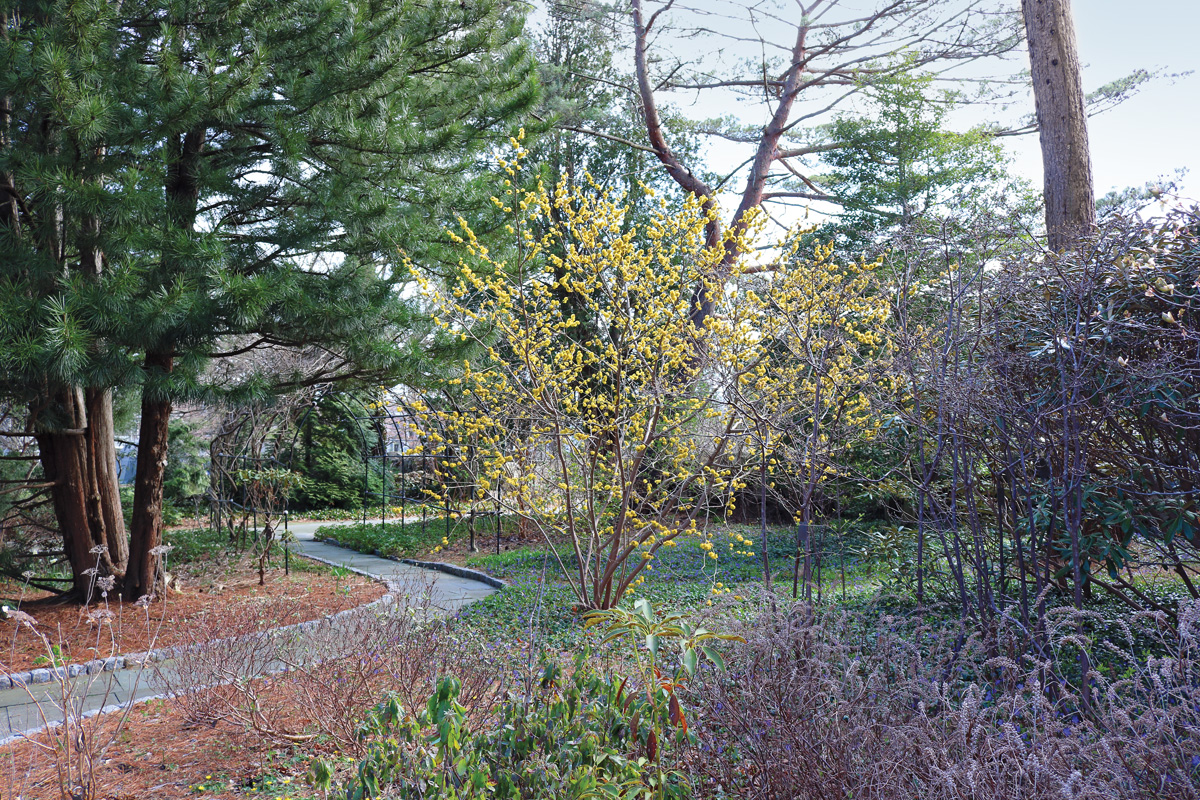
The Japanese spicebush is a harbinger of the changing seasons. Its primary appeal lies in its early-spring performance, where it functions as a critical bridge between the fading winter and the arrival of the spring bulb flush.
Chronology of Bloom and Growth
In the Northeast, the Japanese spicebush produces distinct, spherical buds that erupt into clusters of fragrant, yellow pom-poms before the foliage even begins to unfurl. This phenology is significant because it provides a burst of color and aroma ahead of the ubiquitous forsythia. By the time the leaves emerge—large, sassafras-like structures measuring 4 to 6 inches—the plant transitions from a floral spectacle to a bold-textured shrub.
Botanical Implications
For the home gardener, the plant serves a dual purpose: architectural beauty and ecological contribution. Female plants, when cross-pollinated by a nearby male, produce drupes that transition from vibrant red to deep black in late summer, offering a late-season food source for local avian populations. As the year wanes, the plant completes its performance with a spectacular fall display of yellow foliage suffused with soft peach and pink undertones, proving that it is a four-season asset.
2. The Elusive ‘April Mist’ Rhododendron
In the world of rhododendrons, few selections carry the prestige of those bred by the late Dr. Gustav Mehlquist. ‘April Mist’ is a testament to the intersection of scientific breeding and aesthetic refinement.
Supporting Data and Rarity
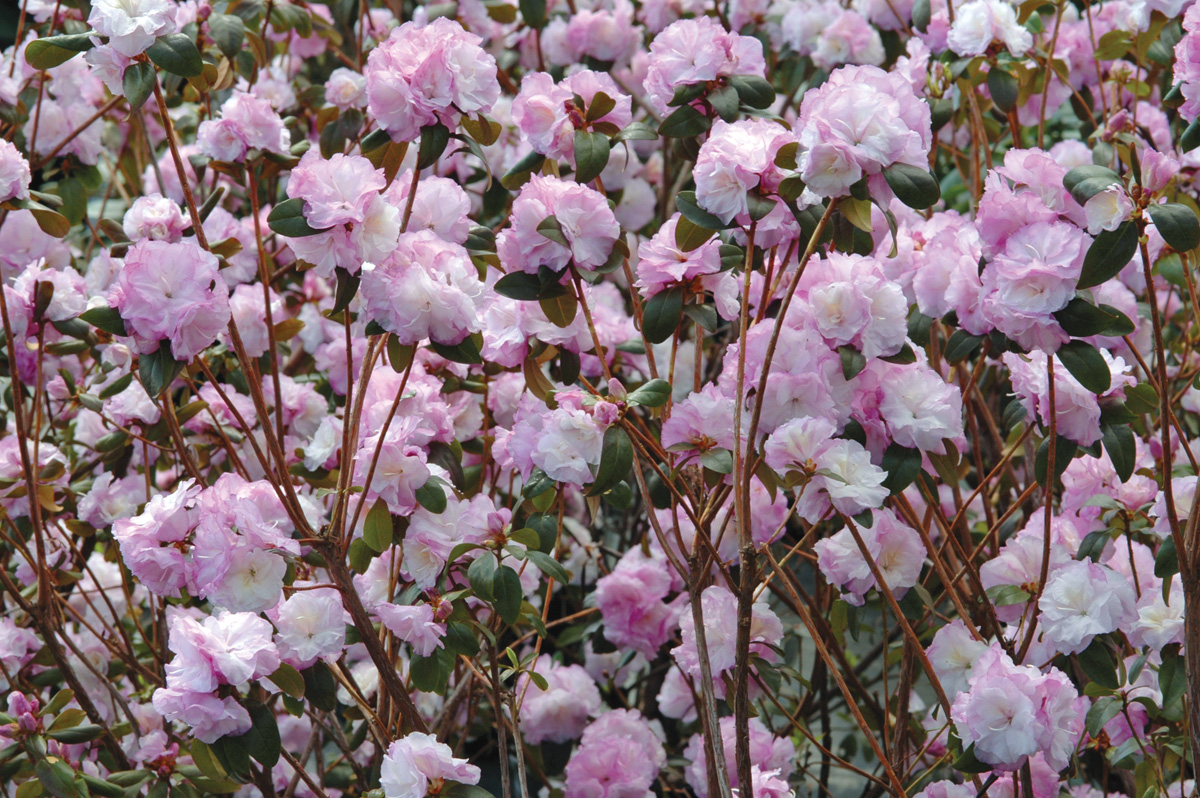
‘April Mist’ is defined by its double-flowered, lavender-hued blooms, each roughly 1.5 inches in diameter. These flowers are held in dense, bouquet-like clusters against a backdrop of compact, evergreen foliage. However, the plant is a slow grower, a characteristic that requires patience from the gardener. Even under optimal conditions, a specimen may take years to reach its modest mature height of 4 to 5 feet.
The Collector’s Dilemma
The scarcity of ‘April Mist’ in commercial trade often turns a search for the plant into a quest. Vieira recounts a personal experience at a Connecticut nursery, where the sight of a blooming ‘April Mist’ nearly compelled a hasty, unplanned purchase. Its rarity is part of its allure; for the dedicated gardener, securing this cultivar is akin to finding a hidden treasure. It is a slow-growing investment that rewards the owner with high-impact, refined aesthetics that few other shrubs can replicate.
3. The Structural Elegance of ‘Hussii’ Canadian Hemlock
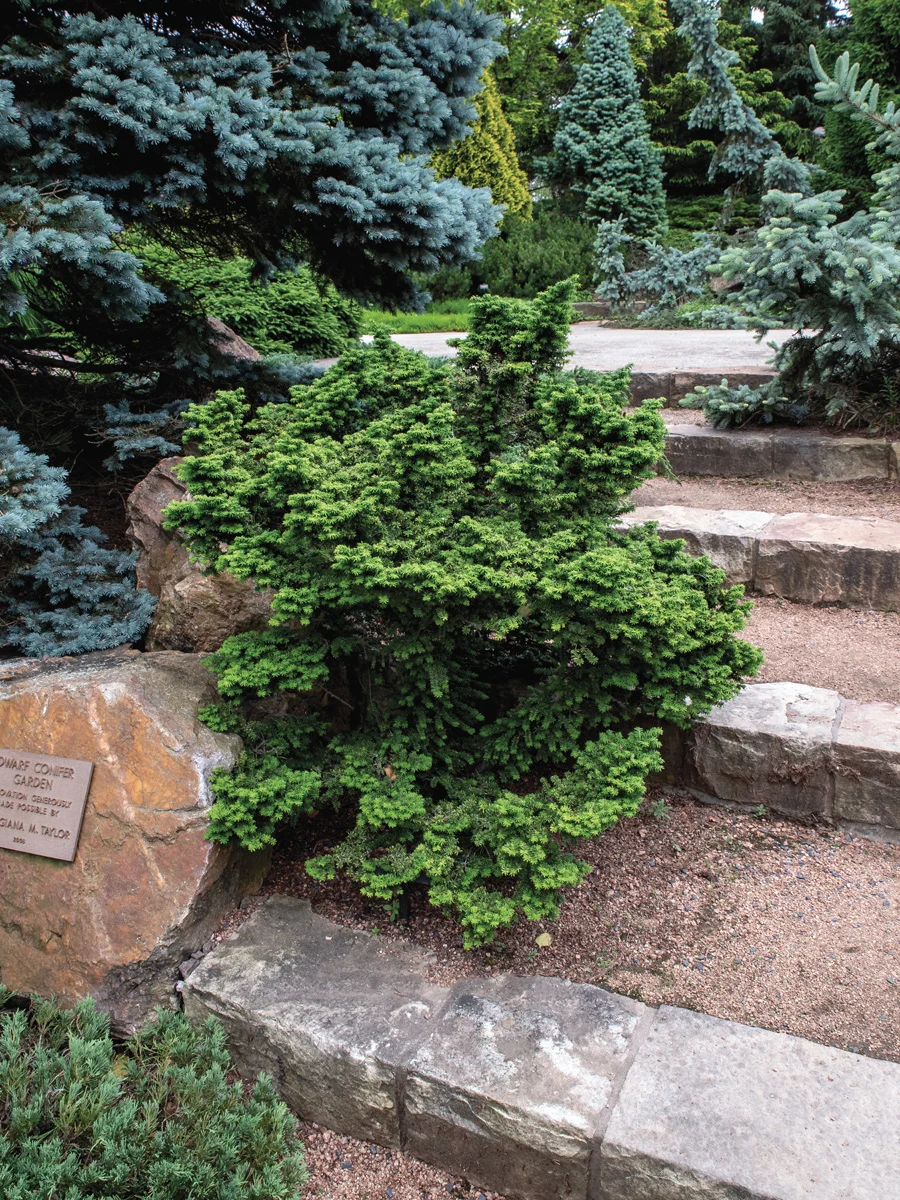
For those seeking to add verticality and intrigue to a smaller garden, the ‘Hussii’ Canadian Hemlock (Tsuga canadensis ‘Hussii’) offers a unique, albeit slow-growing, solution.
Historical Context and Development
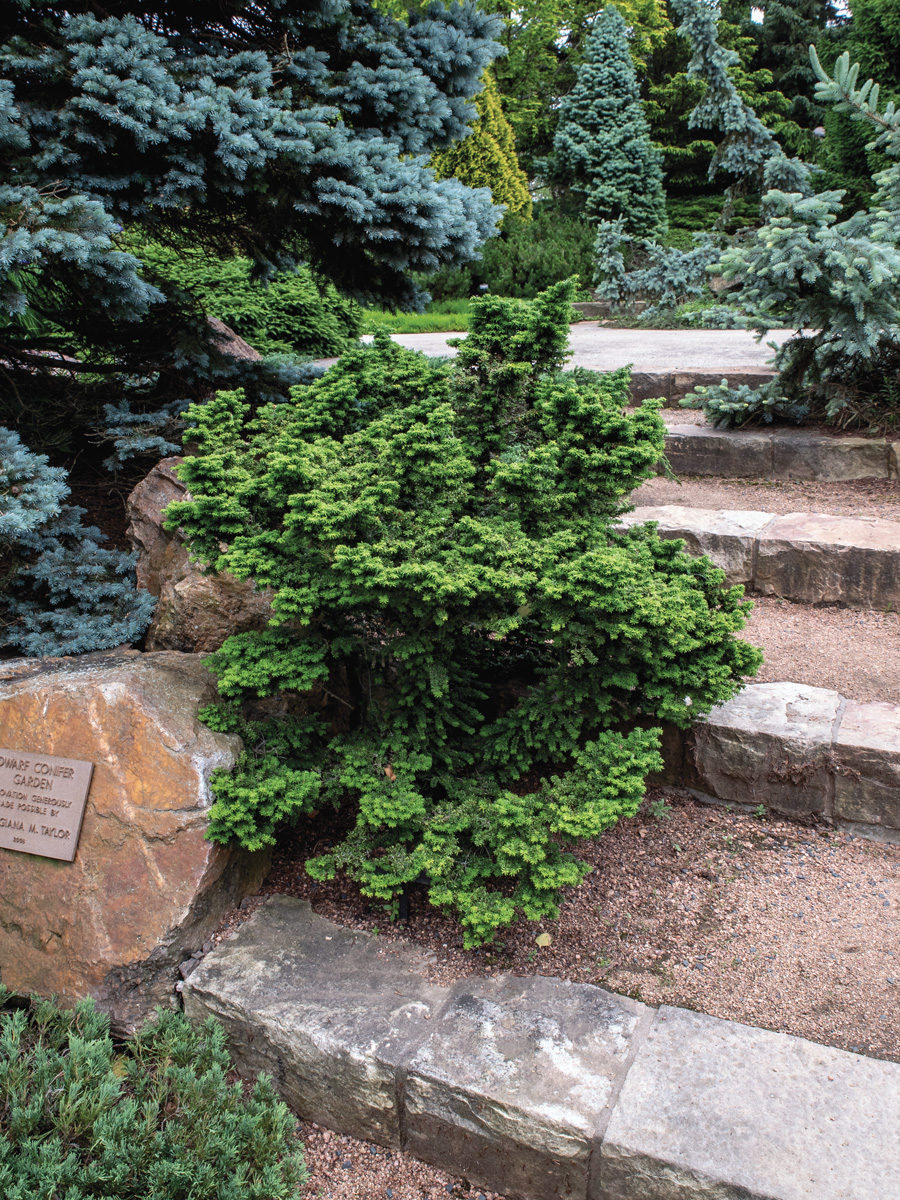
Discovered around 1900 by the esteemed landscape architect John Francis Huss, this cultivar has become a hallmark of classic New England estates, most notably the Long Hill property in Beverly, Massachusetts. At over 60 years of age, these specimens demonstrate the longevity and slow-maturing nature of the cultivar.
Horticultural Characteristics
‘Hussii’ is characterized by its tufted, irregular branching and dense bundles of short needles along ascending stems. While it possesses the potential to reach 40 feet in height over many decades, its growth rate is remarkably slow—often only reaching 5 feet in a decade. This makes it an ideal candidate for rock gardens or even bonsai applications. A significant advantage for the Northeast gardener is its shade tolerance; in lower-light conditions, the plant’s habit becomes more open and airy, providing a softer, more ethereal silhouette compared to its sun-grown counterparts.
4. ‘Gold Bullion’ Stinking Hellebore
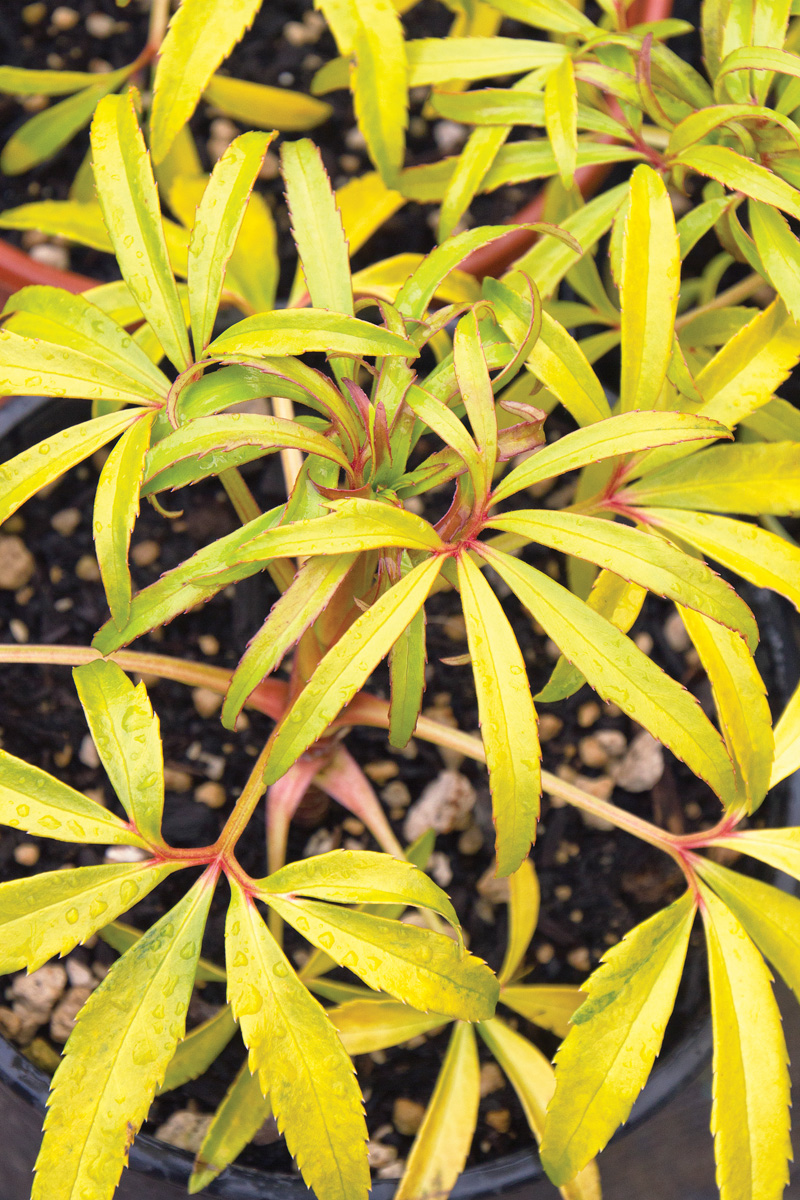
The quest for plants that brighten the dim corners of a garden often leads to the Helleborus foetidus ‘Gold Bullion’. Unlike many other hellebores that provide interest only through their flowers, ‘Gold Bullion’ is prized for its luminous, golden-yellow foliage.
Environmental Requirements and Care
This perennial is remarkably easy to cultivate, provided it is sited in well-drained, organic-rich soil. While it thrives in partial shade or dappled sunlight, it is also noted for its drought tolerance once established. The plant’s aesthetic lifecycle begins in early spring, when bell-like, pale green flowers with chartreuse highlights—often accented with subtle ruby-red stems—emerge above the deeply cleft, evergreen leaves.
Propagation and Long-Term Value
As the growing season progresses, the intense yellow of the new leaves softens to a light, lime green. For the enterprising gardener, the plant is generous; if allowed to go to seed, it often produces progeny that maintain the cultivar’s distinct characteristics. Its ability to draw the eye in shaded borders makes it a high-value addition for any gardener looking to break up the monotony of dark green woodland plantings.
Implications for the Modern Northeast Gardener
The integration of these four plants into the Northeast landscape represents a shift toward more deliberate, thoughtful gardening. It is no longer enough to choose plants based on their availability in big-box stores; today’s gardeners are increasingly looking for specimens that offer longevity, ecological value, and a sense of discovery.
Summary of Benefits
- Four-Season Interest: Through the spicebush’s fall color and the hellebore’s evergreen foliage, these selections ensure the garden remains dynamic.
- Space Efficiency: The dwarf nature of the ‘Hussii’ hemlock and the modest size of the ‘April Mist’ rhododendron acknowledge the trend toward smaller, more manageable residential garden footprints.
- Low-Maintenance Resilience: Each of these selections, once established, is relatively low-maintenance, requiring minimal intervention to thrive in the Northeast’s specific environmental conditions.
Conclusion
As Joann Vieira demonstrates, the best gardens are those that evolve over time, curated with plants that challenge the status quo. Whether you are hunting for the elusive ‘April Mist’ or incorporating the structural, shade-loving ‘Hussii’ hemlock, these four plants are guaranteed to elevate your garden. By focusing on plants that offer structural, floral, and textural interest, you move beyond mere planting and into the realm of true landscape design.
Recommended Tools for Success
To properly manage these additions—particularly the pruning of woody shrubs like the Japanese spicebush or the delicate work required around hellebores—having the right equipment is essential. Professionals often rely on high-grade tools like the A.M. Leonard Deluxe Soil Knife. Featuring a dual-edged design (serrated and tapered) and durable stainless steel construction, such tools allow for precision planting and maintenance, ensuring that your new botanical investments are given the best start possible.
For more expert advice, seasonal tips, and in-depth horticultural guides, visit the Fine Gardening resource library.