Beyond the Mum: Rethinking the Late-Season Garden with Unconventional Gems
For generations, the arrival of autumn has signaled a predictable transition in the American garden. As the heat of summer wanes, retail nurseries flood with a sea of uniform, cookie-cutter options: the ubiquitous chrysanthemum and the reliable, yet overly familiar, aster. While these staples certainly serve a purpose, they have dominated the fall landscape for decades, effectively turning our October borders into seasonal “grocery store endcaps.”
In the latest episode of the Super Cool Plants podcast, horticultural experts Andy Pulte and Richie are challenging gardeners to move beyond these tired tropes. By focusing on "dark horse" varieties—plants that often go unnoticed or are dismissed by the casual observer—gardeners can transform their outdoor spaces from merely “fine” to genuinely spectacular.
The Core Philosophy: Why Late-Season Gardening Needs a Refresh
The central argument presented by the Super Cool Plants team is rooted in the concept of botanical intentionality. Most gardeners plan their landscapes for the explosive growth of spring or the high-heat resilience of summer, often treating the fall as an afterthought.
“It’s time to retire the same five fall plants that everyone else is using,” the podcast hosts argue. Their mission is to shine a spotlight on the "weird bulbs, the sneaky re-seeders, and the plants that wait until everyone else has packed it in to finally show off." The shift in focus isn’t just about aesthetics; it is about extending the ecological and visual lifespan of the garden. By selecting plants that peak in October and November, gardeners can maintain a dynamic, evolving landscape that captures the unique, golden light of the season.

Chronology of a Fall Makeover: Building the Late-Season Palette
The experts suggest that a transition to a more sophisticated fall garden requires a shift in how we categorize plants. Instead of grouping by "sun vs. shade," they encourage gardeners to group by "phenological timing."
The Early-Fall Awakening (Late August to Mid-September)
This is the bridge period. As summer perennials begin to fade, the goal is to introduce structure that holds its own.
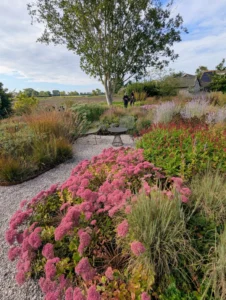
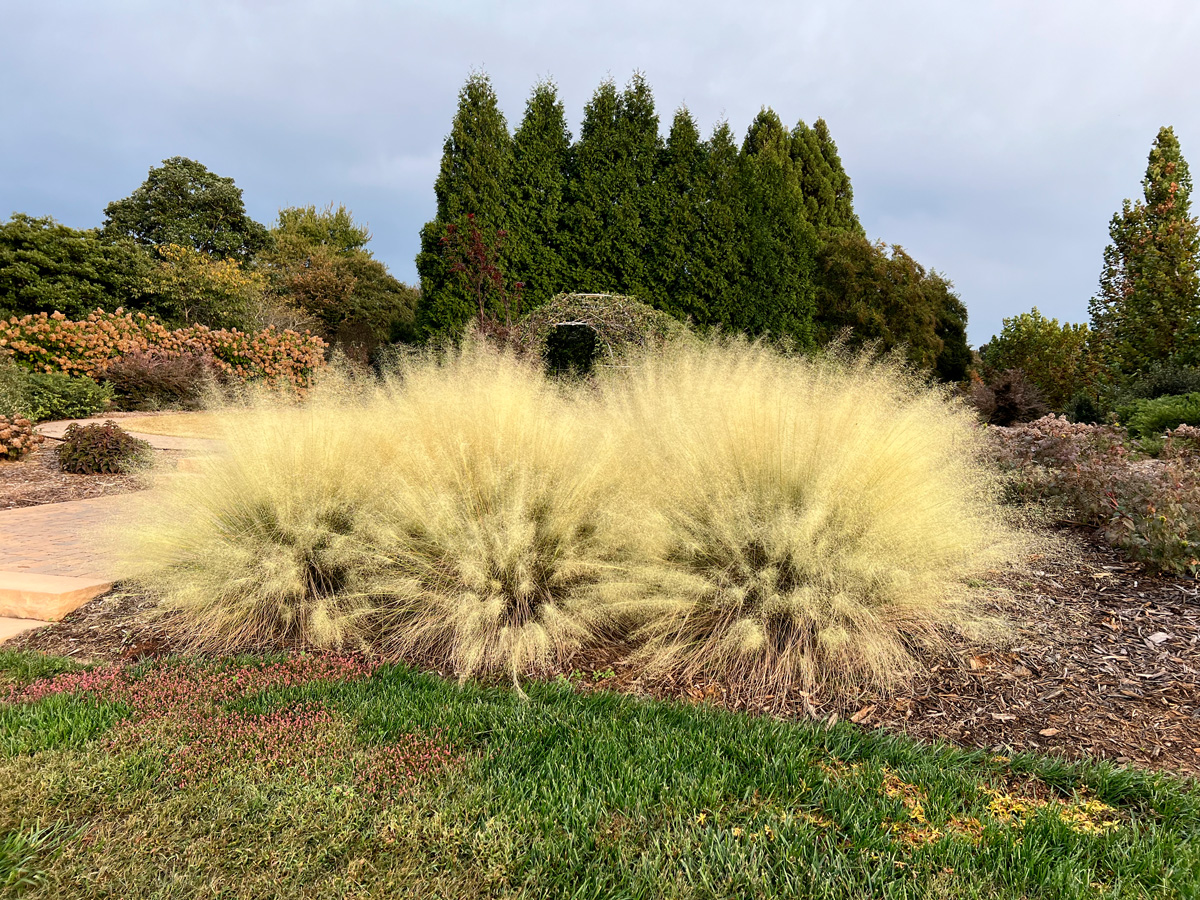
- The Grasses: Plants like Muhlenbergia capillaris (White Cloud muhly grass) are highlighted for their ethereal, cloud-like inflorescences. Unlike traditional tall grasses that can look brittle by October, White Cloud offers a soft, textural contrast that catches the low-angle autumn sun.
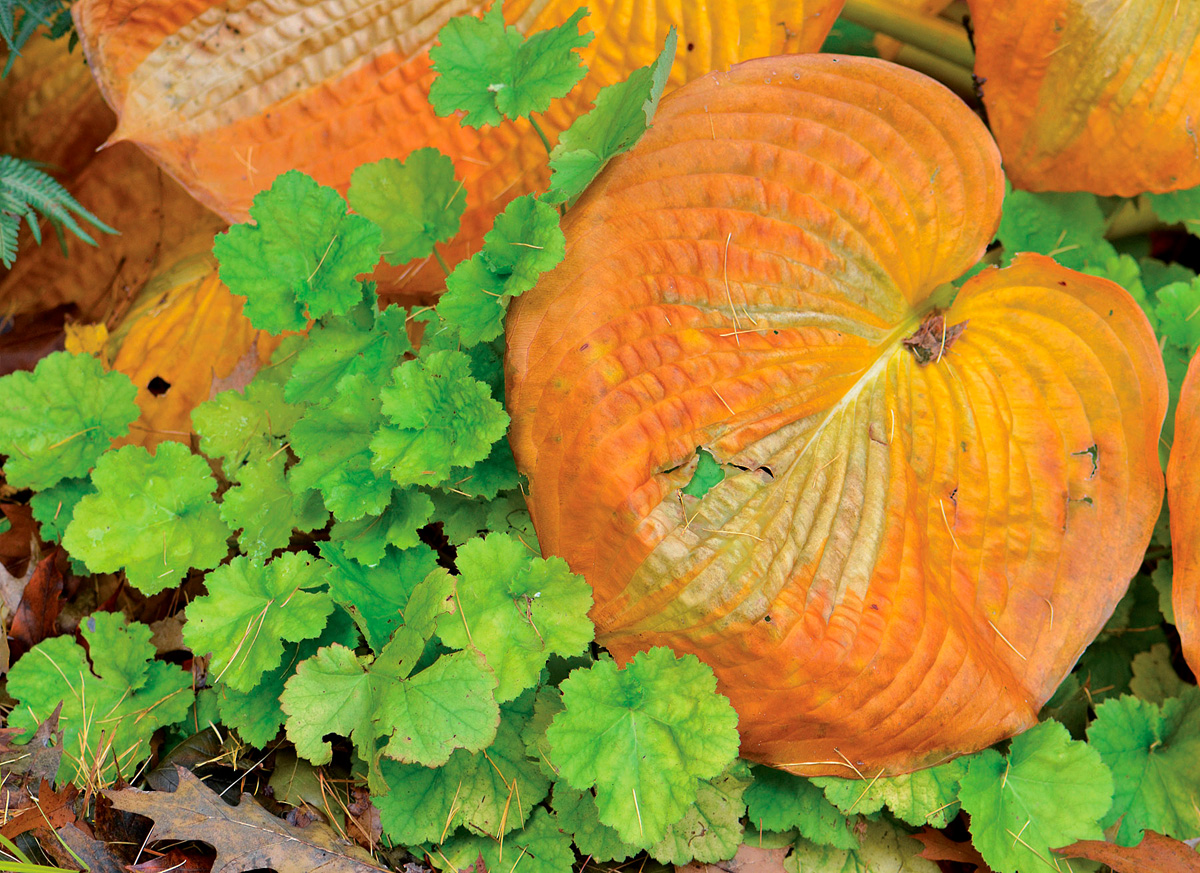
- The Foliage Players: Foliage-forward plants, such as specific hosta cultivars like ‘Hudson Bay’, provide a lingering visual impact. When paired with the right perennials, these hostas can maintain their integrity well into the first few frosts, providing a clean, architectural counterpoint to the wilder, seeding plants.
The Peak-Autumn Performance (October)
This is when the “unusual suspects” truly take the stage.
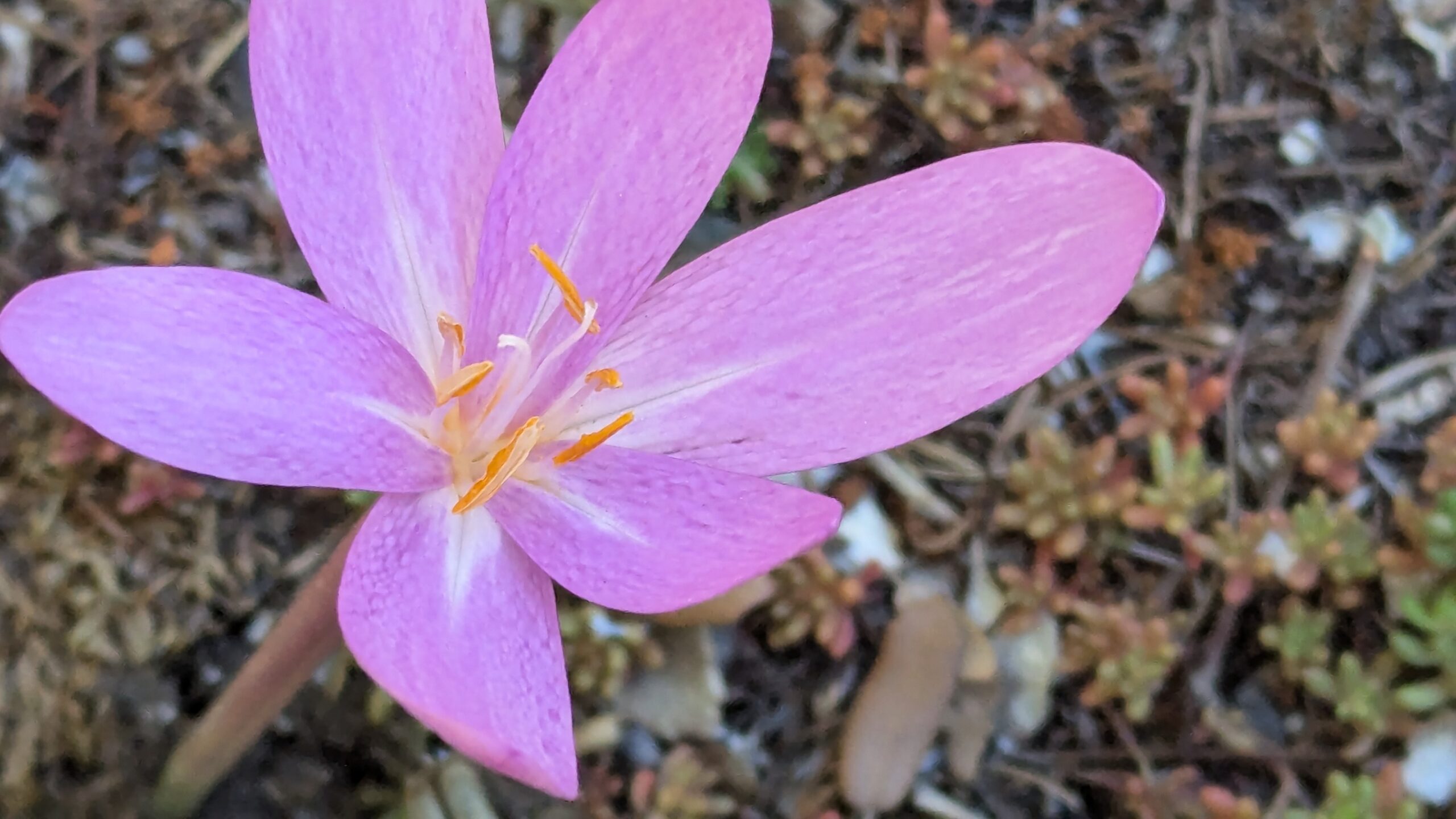
- The Autumn Crocus: Often overlooked because they appear out of sync with the traditional spring-bulb cycle, the autumn crocus is a showstopper. Because they bloom without foliage—a phenomenon that can surprise the uninitiated—they add an element of mystery and drama to a bare patch of soil.
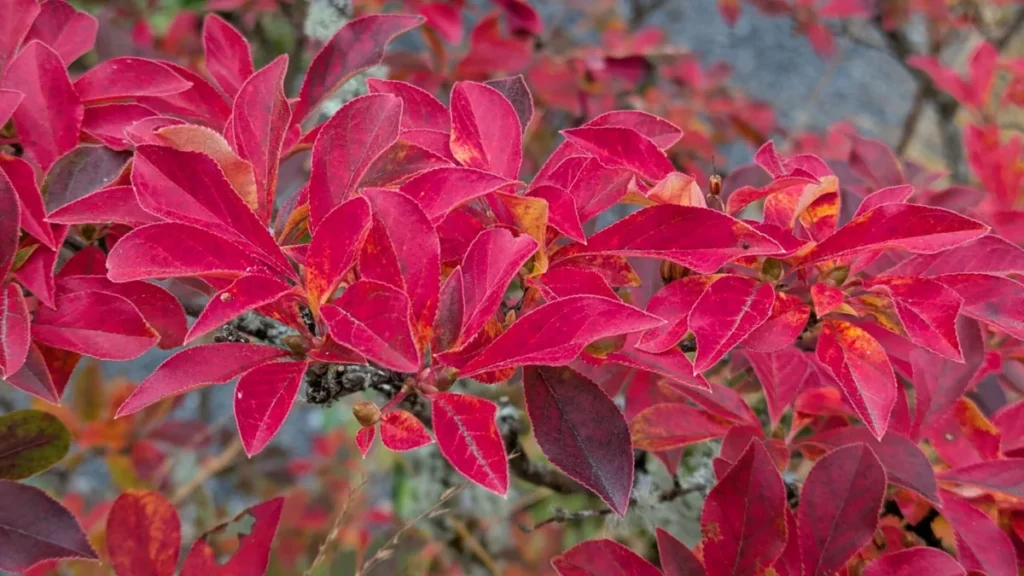
- The Woody Wonders: Shrubs like Enkianthus (redvein enkianthus) provide some of the most reliable and intense fall color in the temperate garden. While many gardeners focus on maples for fall color, the enkianthus offers a refined, persistent fire-engine red that lasts weeks longer than many traditional deciduous trees.
The Late-Season Sustainability (November and Beyond)
The experts emphasize that a garden’s value doesn’t end when the first frost hits.
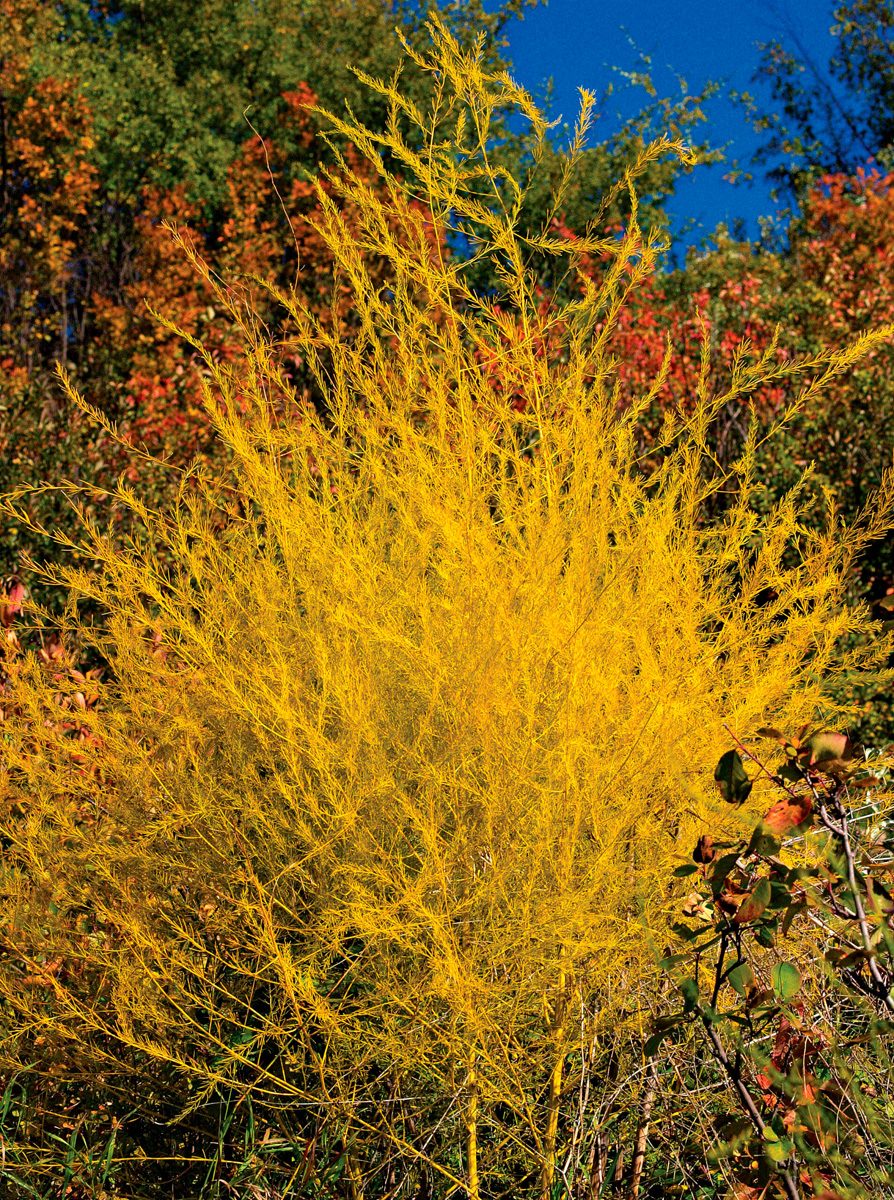
- Edible Ornamentals: Asparagus, often relegated to the vegetable patch, is cited for its incredible, fern-like structure that turns a brilliant yellow in the fall.
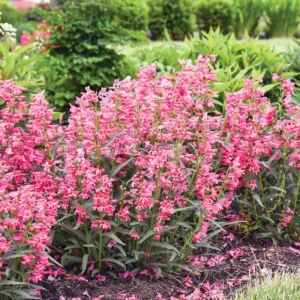
- Winter-Hardy Flowering Shrubs: The Pink Dynamo™ mountain hydrangea and Glow Girl® birchleaf spirea demonstrate how modern breeding has created plants that offer long-season interest, with foliage that holds color through the transition into winter.
Supporting Data: The Case for Diversification
The push for unusual plants isn’t merely a stylistic preference; it is supported by the principles of integrated pest management and biodiversity. When a landscape relies heavily on monocultures—such as massive displays of a single variety of mum—it becomes a target for specific pests and diseases.
By diversifying with the varieties recommended by the Super Cool Plants team, gardeners create a more resilient ecosystem. For instance, the inclusion of native-leaning cultivars like the birchleaf spirea provides late-season nectar sources for pollinators that are still active as the temperatures drop. Furthermore, the use of bulbs and woody perennials reduces the need for the annual "churn and burn" cycle of purchasing thousands of disposable potted annuals, which carries a significant carbon footprint in terms of transport, plastic pot waste, and water usage.
Expert Perspectives: A Conversation with the Hosts
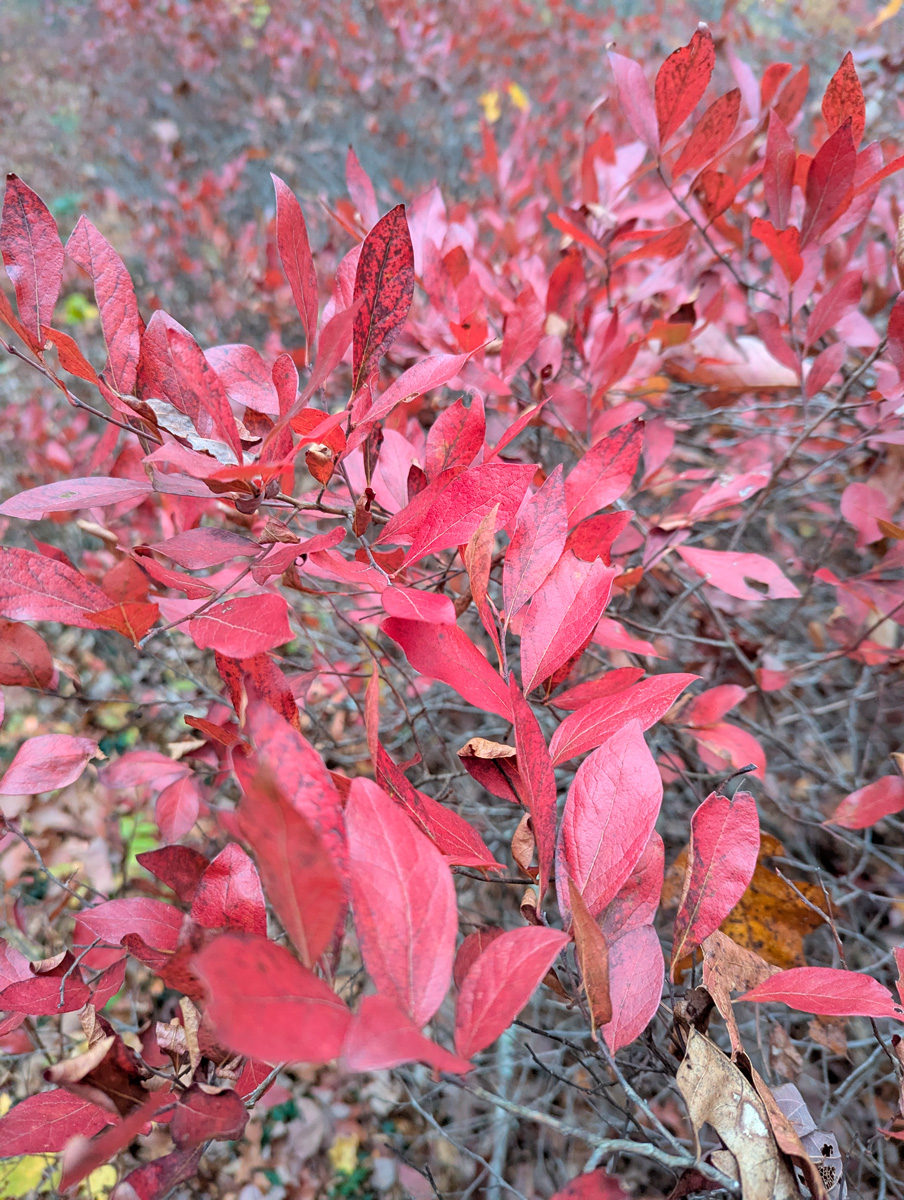
Throughout the episode, the chemistry between Andy Pulte and Richie underscores a deep-seated passion for botanical discovery. Andy, in particular, focuses on the structural elements of the garden, often looking for plants that provide "second-glance" value. His selection of blueberries—not just for the fruit, but for their incredible, fiery red foliage in the fall—serves as a reminder that multi-purpose plants are the backbone of a high-functioning landscape.
Richie balances this with a focus on color and whimsy. His enthusiasm for the autumn crocus highlights a desire to keep the garden "fresh" and surprising, even when the season is technically winding down. The conversation between the two experts serves as a masterclass in garden design: it’s not about how many plants you have, but how they perform in the context of the calendar.
Implications: Changing the Nursery Culture
The most profound implication of this podcast is the call to action for the horticultural industry at large. If consumers begin to demand more than just the “standard” fall fare, nurseries and growers will be forced to diversify their inventories.
- Market Demand: By shifting consumer interest toward perennials and woody plants that offer long-term value, the industry can move away from the high-waste model of mass-market annuals.
- Educational Outreach: The podcast serves as an educational bridge, helping amateur gardeners understand that "unusual" doesn’t necessarily mean "difficult." Many of these plants are remarkably hardy once established.
- Landscape Evolution: Ultimately, this movement signals a transition toward more permanent, thoughtful garden design. Instead of viewing the garden as a series of short-term decorations, the "Super Cool Plants" philosophy encourages a view of the landscape as a living, breathing, and ever-changing entity that deserves attention throughout every month of the year.
Conclusion: A Garden That Sparkles
As the nights grow longer and the air turns crisp, the temptation to stick with the familiar is strong. However, the path to a truly memorable garden lies in the deviations. Whether it is the unexpected bloom of an autumn crocus or the sophisticated structure of a late-season hydrangea, the choices we make now will dictate how our gardens feel in the months to come.
As the Super Cool Plants team suggests, the best way to honor the season is not to succumb to the monotony of the garden center endcap, but to seek out the gems that wait for their moment to shine. By integrating these unique, late-season performers, any gardener can elevate their space, creating an environment that remains engaging, beautiful, and vibrant long after the first frost has arrived.
Listen to the full episode of Super Cool Plants on the Fine Gardening website or via your preferred podcast platform. For those who prefer a visual guide, the episode is also available for viewing on the Super Cool Plants YouTube channel.